
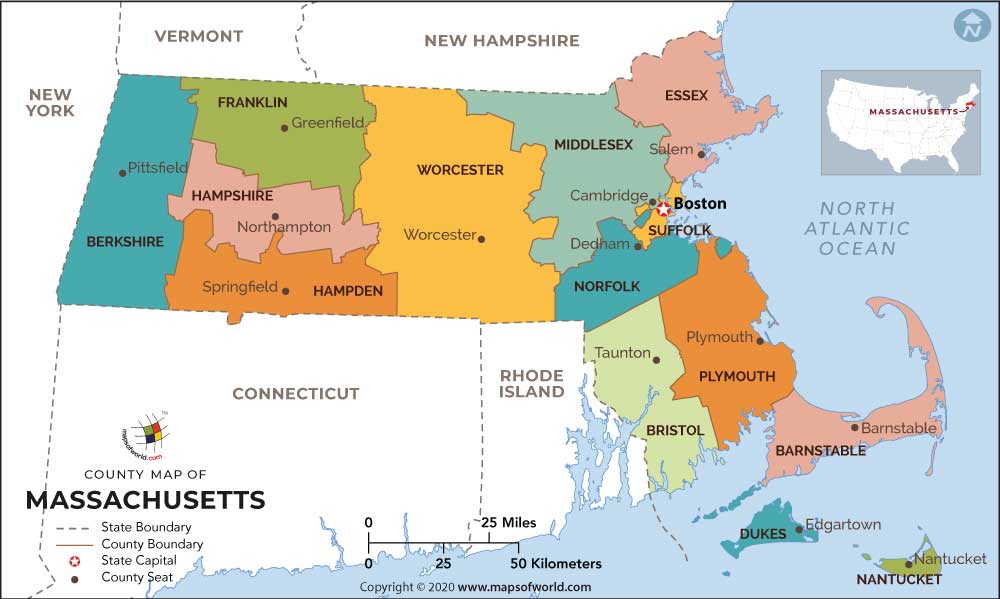
When planning a trip to the historic and vibrant city of Boston, Massachusetts, one of the fundamental questions travelers might have, especially when considering regional exploration or administrative details, is about its precise geographic and political classification. To put it simply, Boston, the capital and most populous city in Massachusetts, is located within and serves as the county seat of Suffolk County. This understanding is more than just a piece of trivia; it provides a crucial framework for appreciating the city’s unique identity, its historical development, and the intricate web of attractions and experiences that await visitors.
While Suffolk County encompasses Boston, it’s worth noting that the administrative structure of counties in Massachusetts is somewhat distinct from many other states in the United States. Over the years, many county governments in Massachusetts, including Suffolk County, have been abolished or absorbed into the state government, meaning they largely exist today as geographical distinctions rather than active administrative bodies with significant governmental powers. Most local services, such as law enforcement, judicial administration, and public works, are primarily managed at the municipal level by the City of Boston itself or by specific state agencies.
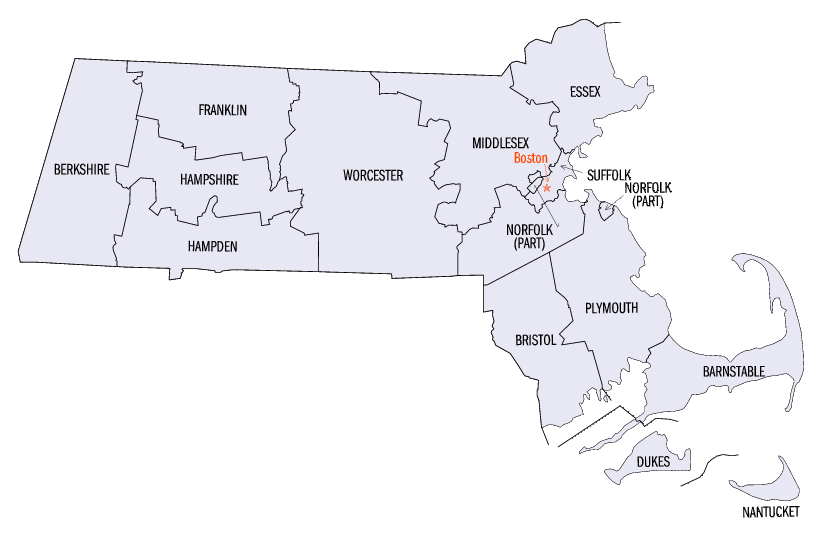
However, for travelers, this designation still holds relevance. Knowing that Boston resides in Suffolk County helps in understanding its immediate surroundings, its proximity to other communities like Chelsea, Revere, and Winthrop, and how it serves as a central hub for the wider Greater Boston area. This geographical context is particularly useful when planning day trips, understanding public transportation routes managed by the MBTA (Massachusetts Bay Transportation Authority), and even for appreciating the historical narratives that shaped not just Boston, but also the entire Commonwealth of Massachusetts.
Understanding Boston’s Geographic Identity: Suffolk County
The identification of Boston with Suffolk County is deeply intertwined with its historical evolution. Established in 1643 as one of the four original counties of the Massachusetts Bay Colony, Suffolk County has always been centered around the burgeoning port city of Boston. Over centuries, its boundaries have shifted as new towns and counties were formed, but Boston has remained its unwavering heart.
The Significance of Suffolk County for Travelers
For visitors, understanding Suffolk County as the home of Boston simplifies travel planning. All the iconic landmarks, world-class museums, bustling markets, and diverse neighborhoods that define Boston are, by definition, within Suffolk County. This means when you are exploring the cobblestone streets of Beacon Hill, savoring Italian delicacies in the North End, or cheering on the Boston Red Sox at Fenway Park, you are experiencing the essence of Suffolk County.
This concentrated geography makes Boston an exceptionally walkable city, especially in its core. Many of the most popular attractions are within a comfortable stroll or a short ride on the MBTA. The interconnectedness within Suffolk County allows travelers to craft itineraries that seamlessly blend historical exploration, cultural immersion, and modern urban experiences. From the Boston Common and Public Garden to the vibrant Seaport District and the intellectual hubs of Harvard University and the Massachusetts Institute of Technology (MIT) just across the Charles River in Cambridge, Suffolk County serves as the vibrant backdrop for an unforgettable visit.

Historical Roots and Modern-Day Boston
The historical significance of Suffolk County cannot be overstated. It was the cradle of the American Revolution, witnessing pivotal events like the Boston Tea Party, the Boston Massacre, and the rides of Paul Revere and William Dawes. Walking the Freedom Trail offers a tangible connection to these momentous times, leading visitors past 16 historically significant sites that are all nestled within Suffolk County’s confines.
Today, while the county structure is less about direct governance, the name Suffolk County endures in judicial districts and certain regional planning efforts, reinforcing Boston’s role as the central hub of a distinct geographical and cultural area. This enduring identity makes Boston not just a city, but a microcosm of America‘s past and present, a place where colonial charm meets cutting-edge innovation.
Unveiling Boston’s Iconic Landmarks and Attractions
Boston’s allure for travelers stems from its unparalleled blend of history, culture, and modern vibrancy. As the heart of Suffolk County, it offers a concentrated experience of New England‘s finest. Every corner reveals a story, every neighborhood a unique charm, making it a premier destination for those seeking enriching travel experiences.
Exploring Revolutionary History and Beyond
The Freedom Trail is arguably the most famous historical attraction in Boston. This 2.5-mile red-lined path guides visitors to 16 significant sites, each playing a crucial role in the birth of the United States. Key stops include the historic Faneuil Hall Marketplace, known as the “Cradle of Liberty,” where patriots once gathered to debate independence. Nearby, the Old State House, site of the Boston Massacre, stands as a testament to colonial defiance. Further along, the Old North Church, famous for Paul Revere’s signal lanterns, and the Paul Revere House in the North End immerse visitors in the world of the revolutionaries.
Beyond the Freedom Trail, Boston boasts other significant landmarks. The serene beauty of the Boston Common, the oldest city park in America, and the adjacent Public Garden with its iconic swan boats, offer tranquil escapes within the urban landscape. The majestic architecture of Copley Square, featuring the Boston Public Library and Trinity Church, showcases the city’s architectural prowess and rich cultural heritage. Sports enthusiasts will undoubtedly be drawn to Fenway Park, the oldest ballpark in Major League Baseball, offering tours and the chance to catch a Boston Red Sox game.
Cultural Immersion and Culinary Delights
Boston’s cultural scene is as diverse as its history. The Museum of Fine Arts (MFA) houses a vast collection spanning centuries and cultures, while the Isabella Stewart Gardner Museum, with its Venetian palazzo-inspired architecture and lush courtyard, offers a unique and intimate art experience. For families, the New England Aquarium provides an engaging look at marine life, and the Boston Children’s Museum offers interactive exhibits.
The culinary landscape of Boston is a testament to its vibrant local culture. From classic New England seafood, especially clam chowder and lobster rolls, to the authentic Italian cuisine of the North End, there’s something to satisfy every palate. The Faneuil Hall Marketplace and Quincy Market are bustling hubs for diverse food stalls, while the upscale restaurants in the Seaport District offer contemporary dining experiences with stunning waterfront views. For those seeking local flavors, exploring the farmers’ markets or venturing into neighborhoods like South End and Back Bay reveals an array of cafes, bistros, and fine dining establishments. This rich gastronomic scene contributes significantly to the overall tourism appeal, allowing visitors to taste the local culture.
Planning Your Stay: Accommodation and Lifestyle Choices
A successful trip to Boston requires careful consideration of accommodation and understanding how to navigate the city. Given its popularity as a travel destination, Boston offers a comprehensive range of options to suit every budget and lifestyle, all conveniently located within Suffolk County’s urban core.
From Luxury Resorts to Boutique Stays
Boston caters to a broad spectrum of accommodation preferences, ensuring that every traveler finds their ideal temporary home. For those seeking opulent comfort and world-class amenities, the city boasts numerous luxury hotels. The Mandarin Oriental, Boston, located in the upscale Back Bay neighborhood, offers unparalleled service and sophisticated design, often appealing to those on a luxury travel quest. Similarly, the historic Omni Parker House, near the Freedom Trail and Boston Common, provides a blend of classic elegance and modern convenience, a true landmark in itself. The Four Seasons Hotel Boston, overlooking the Public Garden, offers another prime example of high-end hospitality.
Beyond the grand resorts, Boston is rich with charming boutique hotels that provide a more intimate and personalized experience. The XV Beacon Hotel, nestled on Beacon Hill, offers a luxurious, residential feel with exceptional service, perfect for those seeking unique experiences. The Whitney Hotel provides a contemporary take on a classic Beacon Hill stay. For business travelers, many hotels like the Hyatt Regency Boston or The Langham Boston (a former Federal Reserve Bank) offer state-of-the-art facilities and convenient locations.
Budget-conscious travelers also have ample choices, from well-known hotel chains offering comfortable stays to hostels and guesthouses. Apartments and villas are also available for longer stays or family trips, providing more space and the option for self-catering, which can be a budget-friendly travel choice. Websites dedicated to accommodation booking, reviews, and comparison are invaluable resources for finding the perfect spot, whether you’re looking for suites, apartments, or a resort experience.
Navigating Boston: Transport and Practical Tips
Getting around Boston is relatively easy, thanks to its compact size and comprehensive public transportation system. The MBTA, affectionately known as “the T,” operates subways, buses, trolleys, and commuter rail services that connect all major attractions and neighborhoods within Suffolk County and extend into Greater Boston. For visitors, purchasing a CharlieCard or CharlieTicket is recommended for seamless travel.
Many of Boston’s most famous sights, particularly those along the Freedom Trail and within the historic core, are best explored on foot. Walking allows you to fully absorb the city’s atmosphere, discover hidden gems, and appreciate its unique architecture. Cycling is another popular option, with numerous bike rental services and dedicated paths along the Charles River Esplanade.
For arrivals and departures, Logan International Airport (BOS) is conveniently located within Suffolk County, just a short distance from downtown Boston. Various transportation options, including the MBTA Silver Line bus, water taxis, and traditional taxis/rideshares, connect the airport to the city center.
When packing, consider Boston’s famously variable New England weather. Layers are always a good idea, and comfortable walking shoes are essential. Tipping customs are standard for the United States. Engaging with locals can offer rich insights into the city’s unique charm and vibrant community.
Beyond the City Limits: Exploring Greater Boston and Massachusetts
While Boston in Suffolk County offers an abundance of experiences, its strategic location also serves as an ideal base for exploring the broader Greater Boston area and the diverse landscapes of Massachusetts. This allows for a deeper dive into New England culture, history, and natural beauty, enhancing any travel itinerary.
Day Trips and Regional Adventures
Just outside Suffolk County, within easy reach, are several destinations perfect for day trips. Cambridge, separated from Boston by the Charles River, is home to prestigious institutions like Harvard University and the Massachusetts Institute of Technology (MIT). Visitors can explore Harvard Yard, stroll through the vibrant Harvard Square, or visit the MIT Museum.
History buffs will appreciate a visit to Lexington and Concord, where the first shots of the American Revolution were fired. These towns, rich in historical landmarks and picturesque scenery, are just a short drive or bus ride away. The Minute Man National Historical Park vividly preserves the sites of these pivotal battles.
Further afield, but still within a reasonable driving distance, are the beautiful coastal towns and islands of Massachusetts. Cape Cod, with its charming villages, pristine beaches, and vibrant arts scene, is a classic New England getaway. Seasonal ferries also depart from Boston to the picturesque islands of Martha’s Vineyard and Nantucket, offering an entirely different kind of experience with their unique cultures, stunning landscapes, and luxurious accommodations.
For those interested in maritime history and whale watching, Plymouth offers a journey back to the Pilgrim era with Plimoth Patuxet Museums and Plymouth Rock. To the north, Salem, famous for its infamous witch trials, offers a fascinating blend of history, mystery, and maritime heritage.
Whether you choose to delve deep into Boston’s Suffolk County treasures or venture out to explore the broader Commonwealth of Massachusetts, the city serves as an exceptional starting point for a wide array of travel, tourism, and lifestyle experiences. From budget travel to luxury retreats, from historical explorations to modern cultural immersion, Boston and its surrounding region promise an unforgettable journey.
LifeOutOfTheBox is a participant in the Amazon Services LLC Associates Program, an affiliate advertising program designed to provide a means for sites to earn advertising fees by advertising and linking to Amazon.com. Amazon, the Amazon logo, AmazonSupply, and the AmazonSupply logo are trademarks of Amazon.com, Inc. or its affiliates. As an Amazon Associate we earn affiliate commissions from qualifying purchases.