
The question “What Is The County Of Dallas, Texas?” might initially seem straightforward, but it opens the door to understanding a significant and dynamic region within the Lone Star State. Far more than just a geographical designation, Dallas County is a vibrant nexus of commerce, culture, and community, forming the core of the expansive Dallas-Fort Worth metroplex. This article delves into the essence of Dallas County, exploring its geographical boundaries, its historical development, its economic engine, and the rich tapestry of life it offers to residents and visitors alike.
Geographical Heart of the Metroplex
Dallas County is strategically located in North Texas, serving as a pivotal point within the larger Dallas-Fort Worth metroplex. Its precise geographical location influences its climate, its connectivity, and its role as a hub for transportation and industry.

Boundaries and Key Municipalities
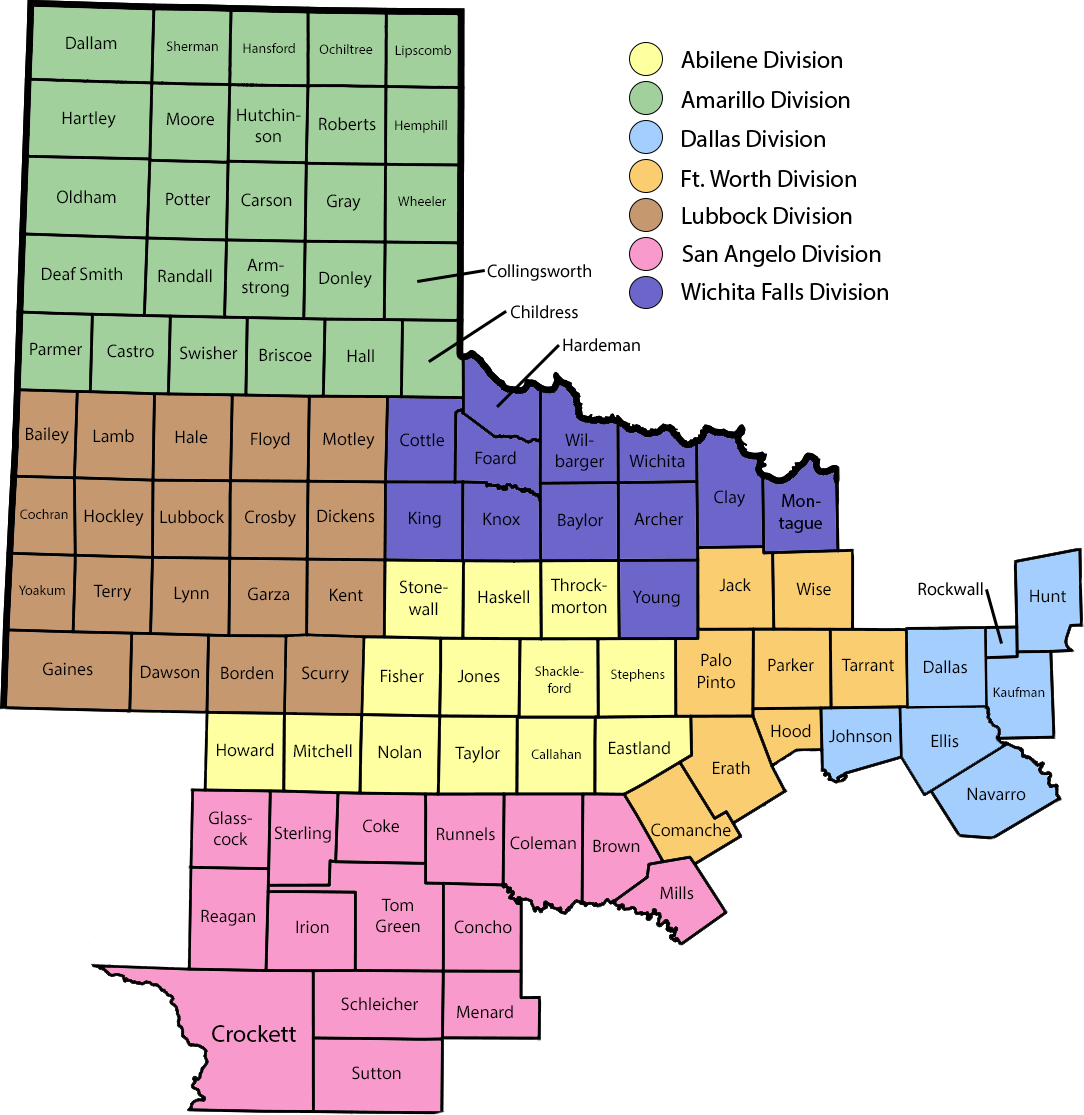
The county encompasses a total area of approximately 908 square miles, with the majority being land. It is bordered by several other counties, including Collin County to the north, Kaufman County to the east, Ellis County to the south, and Tarrant County to the west. The Trinity River flows through the county, shaping its landscape and providing vital water resources.
Within its boundaries lie numerous cities and towns, with the titular city of Dallas being the most prominent and serving as the county seat. Other significant municipalities include Garland, Irving, Mesquite, and Richardson, each contributing its unique character and economic contributions to the county as a whole. The interconnectedness of these cities, facilitated by a robust infrastructure, creates a sprawling urban environment characterized by diverse neighborhoods and specialized districts.
Climate and Natural Features
Dallas County experiences a humid subtropical climate, with hot summers and mild winters. The region is prone to thunderstorms, and occasional severe weather events. The natural landscape is characterized by gently rolling prairies, interspersed with woodlands, particularly along the river corridors. While much of the county is urbanized, there are still areas of natural beauty and recreational parks that offer residents a respite from city life. These green spaces, such as White Rock Lake Park, are integral to the quality of life in the county.
A Rich Historical Tapestry
The history of Dallas County is intertwined with the broader narrative of Texas expansion and development. From its early agricultural roots to its emergence as a modern metropolis, the county has witnessed significant transformation.
Early Settlement and Formation
The area that now constitutes Dallas County was originally inhabited by indigenous peoples for thousands of years. European-American settlement began in the 1840s, drawn by the fertile lands and the potential for agriculture. John Neely Bryan is credited with establishing the first permanent settlement in the area, which would eventually become the city of Dallas. Dallas County was officially established in 1846, carved out of Nacogdoches County and named after U.S. Vice President George M. Dallas.

Growth and Industrialization
The mid-19th century saw the county’s economy primarily based on agriculture, with cotton being a major crop. The arrival of the railroad in the 1870s marked a turning point, transforming Dallas into a vital transportation and trade center. This spurred industrial growth, with businesses in manufacturing, processing, and wholesale trade flourishing. The early 20th century witnessed further diversification of the economy, with the emergence of the oil industry and the development of financial services. World War II brought significant military presence and industrial production, accelerating the county’s economic expansion.
Economic Powerhouse of North Texas
Dallas County is a major economic engine for Texas and the nation, characterized by a diverse and robust economy that attracts businesses and talent from around the globe. Its strategic location and strong infrastructure have cemented its status as a global center for commerce.
Diverse Industry Sectors
The county boasts a highly diversified economy with key sectors including finance, technology, telecommunications, healthcare, energy, and transportation. Major corporations have established significant operations here, contributing to job creation and economic innovation. The presence of a highly skilled workforce, coupled with a favorable business climate, makes Dallas County an attractive location for both established companies and startups. The rise of tech hubs and innovation districts within the county further underscores its forward-looking economic strategy.
Transportation and Logistics Hub
Dallas County benefits immensely from its strategic position as a major transportation and logistics hub. The presence of Dallas Love Field Airport and the proximity to Dallas/Fort Worth International Airport (DFW), one of the busiest airports in the world, facilitates national and international travel and trade. Furthermore, an extensive network of highways, including I-35, I-30, and I-45, crisscrosses the county, ensuring efficient movement of goods and people. This robust transportation infrastructure is critical to the county’s economic success, supporting its role as a distribution center and a gateway to markets across the country.
Cultural Vibrancy and Community Life
Beyond its economic prowess, Dallas County is a region rich in cultural experiences and characterized by a strong sense of community. It offers a diverse array of attractions, educational institutions, and recreational opportunities that cater to a wide range of interests.
Arts, Entertainment, and Museums
The county is a cultural melting pot, with a thriving arts scene. The Dallas Arts District, one of the largest in the nation, is home to world-class institutions such as the Dallas Museum of Art, the Meyerson Symphony Center, and the AT&T Performing Arts Center. Beyond the Arts District, visitors and residents can explore numerous galleries, theaters, and music venues. The county also boasts a wealth of museums catering to diverse interests, from history and science to specific cultural heritage.
Educational and Recreational Opportunities
Dallas County is home to a strong network of educational institutions, including K-12 school districts and several prominent universities such as Southern Methodist University and the University of Texas at Dallas. These institutions not only provide educational opportunities but also contribute to the intellectual and cultural vitality of the region. For recreation, the county offers a multitude of parks, sports facilities, and outdoor activities. From exploring trails at Cedar Ridge Preserve to enjoying family outings at attractions like the Dallas Arboretum and Botanical Garden, there are ample opportunities for residents to engage with nature and enjoy leisure time. The county’s dedication to green spaces and recreational facilities enhances the quality of life for its diverse population.
LifeOutOfTheBox is a participant in the Amazon Services LLC Associates Program, an affiliate advertising program designed to provide a means for sites to earn advertising fees by advertising and linking to Amazon.com. Amazon, the Amazon logo, AmazonSupply, and the AmazonSupply logo are trademarks of Amazon.com, Inc. or its affiliates. As an Amazon Associate we earn affiliate commissions from qualifying purchases.