
The title “What Is The County Of Florida?” is somewhat of a paradox. While it is phrased as a question about a specific administrative division, the state of Florida itself is comprised of numerous counties, not one singular “County of Florida.” Therefore, to properly address this query, we must delve into the structure of Florida’s governance, its historical evolution, and the significance of its counties as fundamental units of its identity and administration. This exploration will illuminate that Florida is not a county, but rather a state divided into many distinct counties, each with its own unique character, history, and contribution to the Sunshine State’s vibrant tapestry.
Understanding Florida’s Administrative Structure
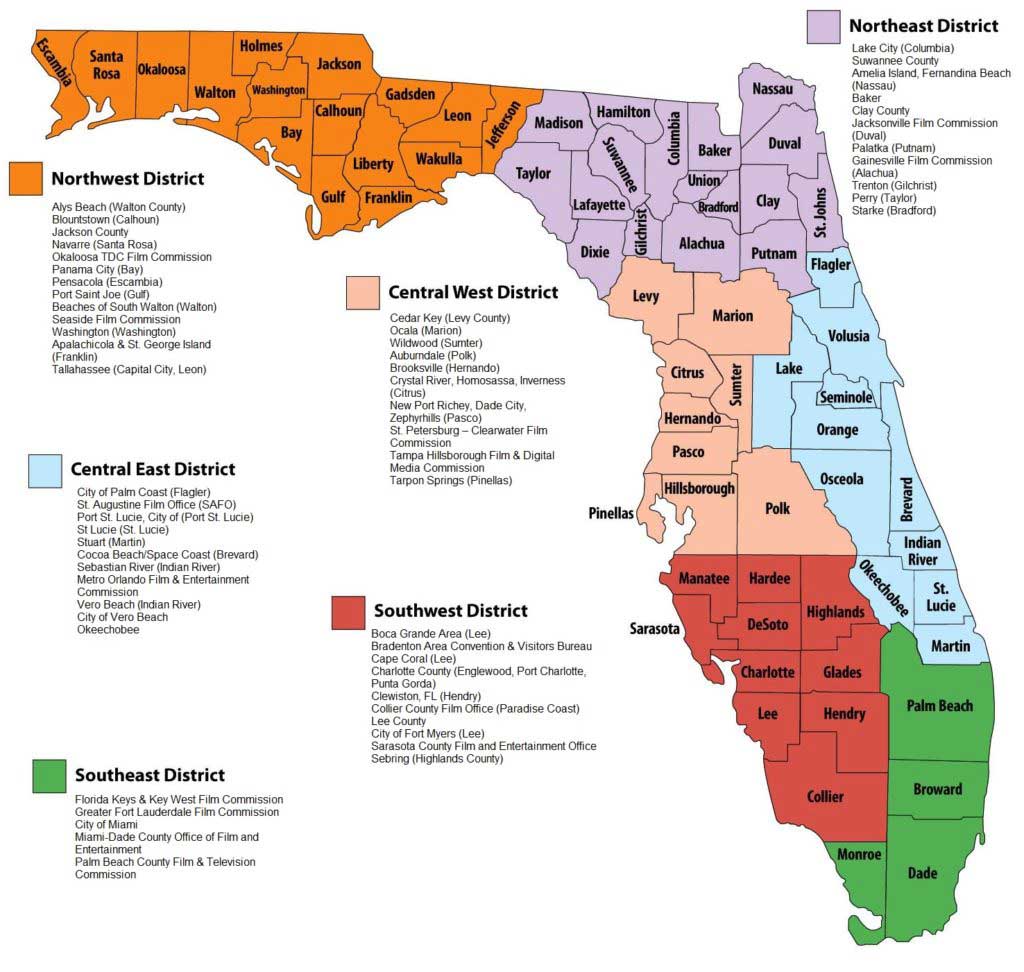
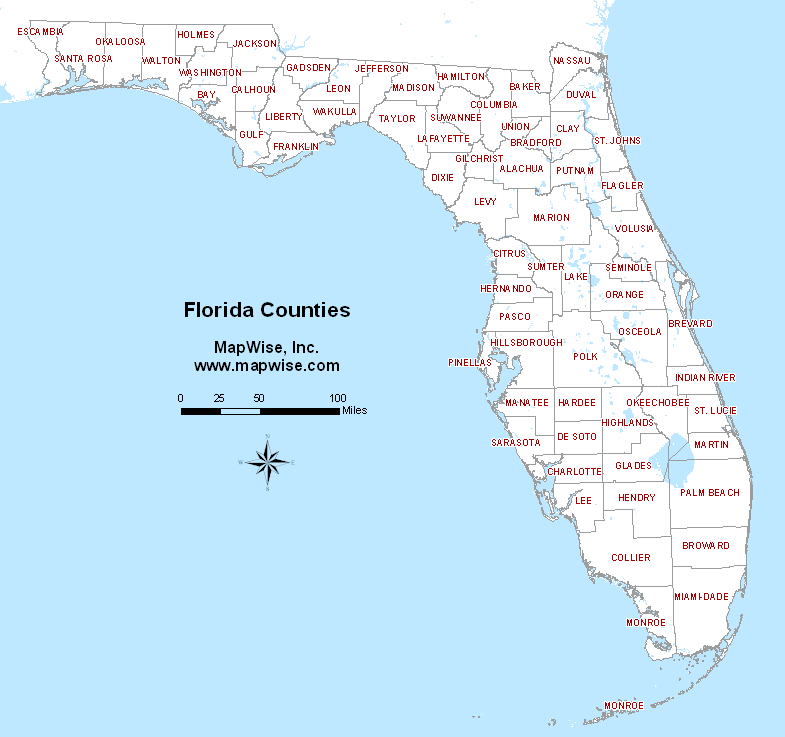
To grasp the concept, it’s crucial to differentiate between a state and a county. A state is a sovereign political entity, a major division of a country. A county, on the other hand, is a principal administrative division within a state. In the United States, counties serve as local government units, responsible for a range of services and functions that directly impact residents. Florida, as one of the 50 states of the United States, operates under this federal system. The “County of Florida” as a singular entity does not exist; rather, Florida is composed of 67 individual counties. These counties vary dramatically in size, population, economic activity, and cultural identity, collectively forming the diverse landscape of Florida.
The Role of Counties in Governance
Each of Florida’s 67 counties has its own elected officials and government structure, typically including a county commission, sheriff, tax collector, property appraiser, and supervisor of elections. These officials are responsible for managing local services such as law enforcement, public safety, road maintenance, land use planning, environmental protection, and elections. The specific powers and responsibilities of each county are defined by the Florida Constitution and state statutes. This decentralized approach allows for localized decision-making, enabling counties to address the unique needs and priorities of their residents. For instance, the needs of a densely populated urban county like Miami-Dade County will differ significantly from those of a more rural, expansive county such as Liberty County.
Historical Evolution of Florida’s Counties
The establishment and evolution of Florida’s counties mirror the state’s own historical development. The earliest counties were established during periods of Spanish and British colonial rule, with names often reflecting their European heritage or geographical features. Following Florida’s acquisition by the United States in 1819, the process of county formation accelerated as the territory grew and was settled. Early counties like St. Johns County, established in 1821, are among the oldest and continue to play a vital role in the state. The territorial legislature and later the state legislature were responsible for creating new counties as the population expanded and settlement spread across the peninsula. This historical process has resulted in the current patchwork of 67 counties, each with a unique origin story and a distinct place within the state’s narrative.
A Glimpse into Florida’s Diverse Counties
While there isn’t a single “County of Florida,” exploring some of its prominent counties reveals the rich diversity that defines the state. From bustling metropolises to tranquil natural landscapes, Florida’s counties offer a wide spectrum of experiences and characteristics.
South Florida’s Vibrant Hubs
The southeastern region of Florida is characterized by its major metropolitan areas and a vibrant cultural mix.
- Miami-Dade County: The most populous county in Florida, Miami-Dade County is a global center for commerce, finance, culture, and international trade. Its eponymous seat, Miami, is renowned for its vibrant nightlife, art deco architecture, and diverse culinary scene. The county also encompasses iconic destinations like South Beach and the Everglades National Park.
- Broward County: North of Miami-Dade County, Broward County is home to cities like Fort Lauderdale, known for its extensive canal system, and Hollywood, offering a blend of beach life and entertainment. The county is a significant tourist destination and a hub for business and education.
- Palm Beach County: This affluent county is synonymous with luxury and elegance, particularly the renowned island town of Palm Beach. It also features vibrant urban centers like West Palm Beach and numerous championship golf courses and equestrian facilities.
Central Florida’s Attractions and Growth
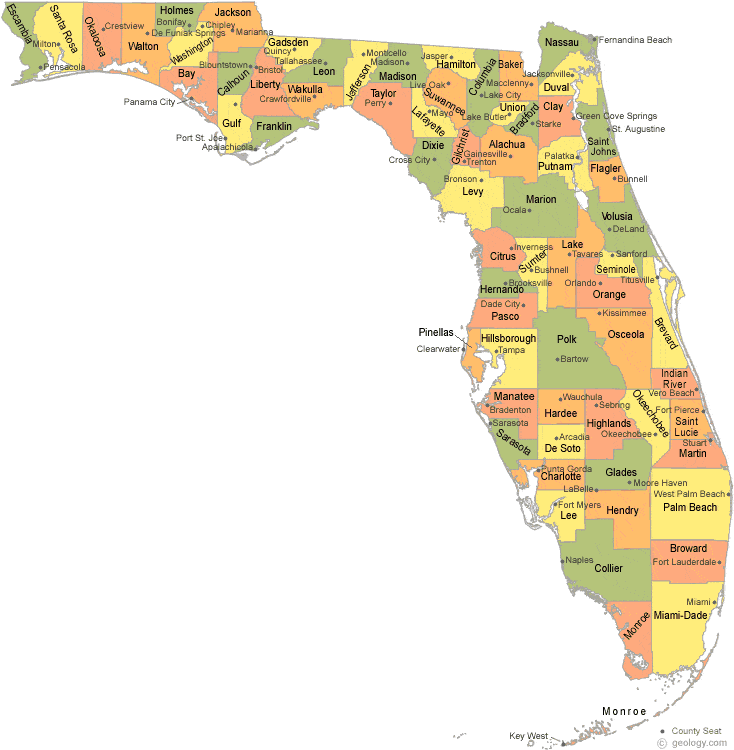
Central Florida is a region of significant economic growth, driven by tourism, technology, and agriculture.
- Orange County: Home to the world-famous theme parks of Orlando, including Walt Disney World Resort and Universal Orlando Resort, Orange County is a global epicenter for family entertainment and tourism. Beyond the parks, the county boasts a growing tech sector and a lively cultural scene.
- Hillsborough County: Centered around the vibrant city of Tampa, Hillsborough County offers a diverse range of attractions, from its historic Ybor City neighborhood to its beautiful waterfront and thriving arts and culinary districts. It is also a major port and a significant economic engine for the state.
- Pinellas County: Located on a peninsula west of Hillsborough County, Pinellas County is famous for its pristine Gulf Coast beaches, including those in St. Pete Beach and Clearwater Beach. The county is also home to the vibrant city of St. Petersburg, known for its arts and culture.
North Florida’s History and Natural Beauty
North Florida, with its Spanish colonial roots and rolling hills, presents a different, yet equally captivating, facet of the state.
- Duval County: The largest county by land area in Florida, Duval County is dominated by the city of Jacksonville, a major commercial and transportation hub. The county boasts a significant coastline along the Atlantic Ocean and the St. Johns River.
- Leon County: The seat of state government, Tallahassee, is located in Leon County. This region is rich in history, home to numerous antebellum plantations and significant Civil War sites. It also features extensive natural areas, including parks and Apalachicola National Forest.
- Escambia County: Situated in the far western panhandle, bordering Alabama, Escambia County is home to the city of Pensacola, a historic naval aviation center with beautiful white-sand beaches along the Gulf of Mexico.
Rural and Emerging Counties
Beyond the major metropolitan areas, numerous smaller and rural counties contribute to the fabric of Florida. These counties often focus on agriculture, natural resource management, and a slower pace of life. Examples include counties in the Florida Heartland known for their citrus groves and cattle ranches, or the more sparsely populated counties in the Florida Panhandle offering vast stretches of wilderness.
The “County of Florida” as a Conceptual Idea
While administratively incorrect, the phrase “County of Florida” might conceptually evoke a sense of shared identity and belonging that transcends individual county lines. It could represent the collective spirit of Floridians, united by their shared experience of living in this unique state, from the bustling urban centers to the tranquil natural reserves. It might also allude to the idea that despite their differences, all counties contribute to the overarching identity and prosperity of Florida.
A Unified Identity
Despite the distinct characteristics of each county, there are unifying elements that contribute to a broader sense of Floridian identity. These include a shared appreciation for the state’s natural beauty, its diverse cultural influences, and its distinct weather patterns. The common experience of navigating hurricanes, enjoying the warmth of the sun, and engaging with the state’s unique ecosystems fosters a sense of collective experience among residents, regardless of their specific county of residence.
Contributions to the State’s Character
Each county, with its unique economic drivers, cultural offerings, and natural landscapes, plays a crucial role in shaping the overall character of Florida. The agricultural output of inland counties, the tourism revenue from coastal and entertainment-centric counties, the historical significance of older settlements, and the innovation emanating from urban centers all combine to create a dynamic and multifaceted state. The absence of a singular “County of Florida” is, in essence, the very definition of Florida’s strength: a rich mosaic of distinct communities that together form a vibrant and compelling whole.
In conclusion, the question “What Is The County Of Florida?” prompts a deeper understanding of the state’s fundamental administrative and cultural divisions. Florida is not a single county, but a collection of 67 counties, each contributing its unique essence to the rich and diverse tapestry of the Sunshine State. Exploring these individual counties allows for a comprehensive appreciation of Florida as a whole, revealing its historical depth, economic vitality, and unparalleled natural beauty.
LifeOutOfTheBox is a participant in the Amazon Services LLC Associates Program, an affiliate advertising program designed to provide a means for sites to earn advertising fees by advertising and linking to Amazon.com. Amazon, the Amazon logo, AmazonSupply, and the AmazonSupply logo are trademarks of Amazon.com, Inc. or its affiliates. As an Amazon Associate we earn affiliate commissions from qualifying purchases.