
To definitively answer the question, Orlando, Florida, is predominantly located within Orange County, Florida. As the county seat, Orlando serves as the vibrant heart of Orange County, a region synonymous with world-class theme parks, diverse attractions, and a dynamic economy. For travelers, understanding this geographical and administrative reality is key to navigating the sprawling metropolitan area, efficiently planning itineraries, and discovering the full spectrum of experiences that Central Florida has to offer. While the city of Orlando itself is a clearly defined municipality, its influence and the broader “Greater Orlando” area extend well beyond its city limits and even into neighboring counties, creating a vast and interconnected travel landscape.

Understanding Orange County: The Heart of Central Florida
Orange County is not just a geographical designation; it is the administrative, economic, and cultural epicenter of one of the world’s premier tourist destinations. Its strategic location in the center of Florida has made it a magnet for both visitors and new residents, fostering an environment of continuous growth and development.
Geographical and Administrative Overview
Orange County spans an area of approximately 1,004 square miles, making it one of the larger counties in Florida. It is home to a population exceeding 1.4 million residents, making it the fifth-most populous county in the state. Beyond the city of Orlando, which acts as the county seat and largest city, Orange County encompasses several other charming and distinct municipalities. These include the upscale community of Winter Park, known for its leafy streets, boutiques, and museums; Ocoee, a rapidly growing city to the west; and Apopka, often called the “Indoor Foliage Capital of the World,” located to the northwest. Each of these cities contributes to the diverse fabric of the county, offering unique local experiences away from the major tourist corridors.
The Orange County Government plays a critical role in managing the region’s infrastructure, public services, and regulatory environment. From maintaining roads and public safety to supporting educational institutions and environmental initiatives, the county administration ensures the smooth functioning of a region that welcomes tens of millions of visitors annually. This governmental framework also directly impacts tourism through zoning regulations, development approvals for new attractions, and the provision of essential services that support the hospitality industry.
Economic Drivers and Growth
The economic vitality of Orange County is overwhelmingly driven by its robust tourism sector. The presence of globally recognized theme parks and attractions generates billions in revenue annually, supports hundreds of thousands of jobs, and fuels continuous investment in hotels, resorts, dining, and entertainment venues. This economic engine is so powerful that Orlando International Airport (MCO), located within Orange County, consistently ranks among the busiest airports in the world, primarily due to leisure travel.
However, Orange County’s economy is not solely reliant on tourism. The region has actively diversified, fostering growth in several other key sectors. Technology and innovation are burgeoning, particularly in areas like simulation and training, digital media, and software development. The healthcare industry is also a significant contributor, anchored by the burgeoning medical city in Lake Nona, which houses world-class research institutions and hospitals. Additionally, a growing aerospace and aviation sector benefits from proximity to the Space Coast and a skilled workforce. This economic diversity contributes to the county’s resilience and provides a stable foundation for its continued development, enriching the local culture and services available to both residents and visitors.
Orlando’s Tourism Landscape Within Orange County
The vast majority of Orlando’s most famous attractions and the infrastructure supporting them are firmly rooted within Orange County. This makes Orange County the primary focus for most travelers planning a trip to the Orlando area.
The Major Theme Park Empires
Orange County is home to some of the world’s most iconic theme parks, drawing visitors from every corner of the globe:
- Walt Disney World Resort: While parts of the expansive Walt Disney World Resort famously straddle the Orange and Osceola County lines, the majority of its key attractions and infrastructure, including the beloved Magic Kingdom, Epcot, and Hollywood Studios, are located within Orange County. Disney’s Animal Kingdom also largely falls within Orange County, ensuring that the quintessential Disney experience is primarily an Orange County affair.
- Universal Orlando Resort: This entire resort complex, featuring Universal Studios Florida, Islands of Adventure, and the Volcano Bay water park, is squarely situated within Orange County, just a short distance from downtown Orlando.
- SeaWorld Orlando and Related Parks: SeaWorld Orlando, along with its sister parks Aquatica and Discovery Cove, are also prominent attractions within Orange County, contributing significantly to the region’s diverse entertainment offerings.
Beyond the Parks: Diverse Attractions
While theme parks are undoubtedly the main draw, Orange County boasts a wealth of other attractions and activities that cater to varied interests:
- International Drive (I-Drive): This iconic tourist corridor is a universe unto itself, packed with hotels, restaurants, shops, and attractions. Highlights include ICON Park, home to The Wheel observation wheel, Madame Tussauds wax museum, and the SEA LIFE Orlando Aquarium.
- Cultural and Educational Venues: For those seeking a dose of culture, Orange County offers the Orlando Science Center, providing interactive exhibits for all ages, and the Orlando Museum of Art, showcasing American, contemporary, and ancient art.
- Outdoor Activities: Nature lovers can enjoy the tranquility of Lake Eola Park in downtown Orlando, famous for its swan boats and vibrant farmers’ market. The surrounding natural landscape also offers opportunities for airboat rides, kayaking, and exploring some of Florida’s beautiful natural springs just outside the county borders.
Hospitality and Infrastructure
The sheer scale of tourism in Orange County has necessitated the development of a massive hospitality infrastructure. The county is home to an astonishing number of hotels, resorts, and vacation rental properties, ranging from budget-friendly options to luxurious, five-star accommodations. This concentration ensures that visitors have an unparalleled choice of lodging, often with direct access to the parks and other attractions.
Crucially, Orange County also hosts the Orange County Convention Center, one of the largest convention facilities in the United States. This facility is a major driver of business travel, attracting large conferences and trade shows that further bolster the local economy and expand the types of visitors the region receives. The seamless integration of these facilities with the airport, major roadways, and public transportation networks (like the I-Ride Trolley along International Drive) makes navigating this vast tourist landscape relatively straightforward for travelers.
Exploring Orlando’s Neighboring Counties and Metropolitan Influence
While Orange County is undeniably the core of the Orlando experience, the region’s influence extends far beyond its borders. Understanding the wider Greater Orlando Metropolitan Area provides a more complete picture for travelers seeking diverse experiences or alternative accommodation options.
The Greater Orlando Metropolitan Area
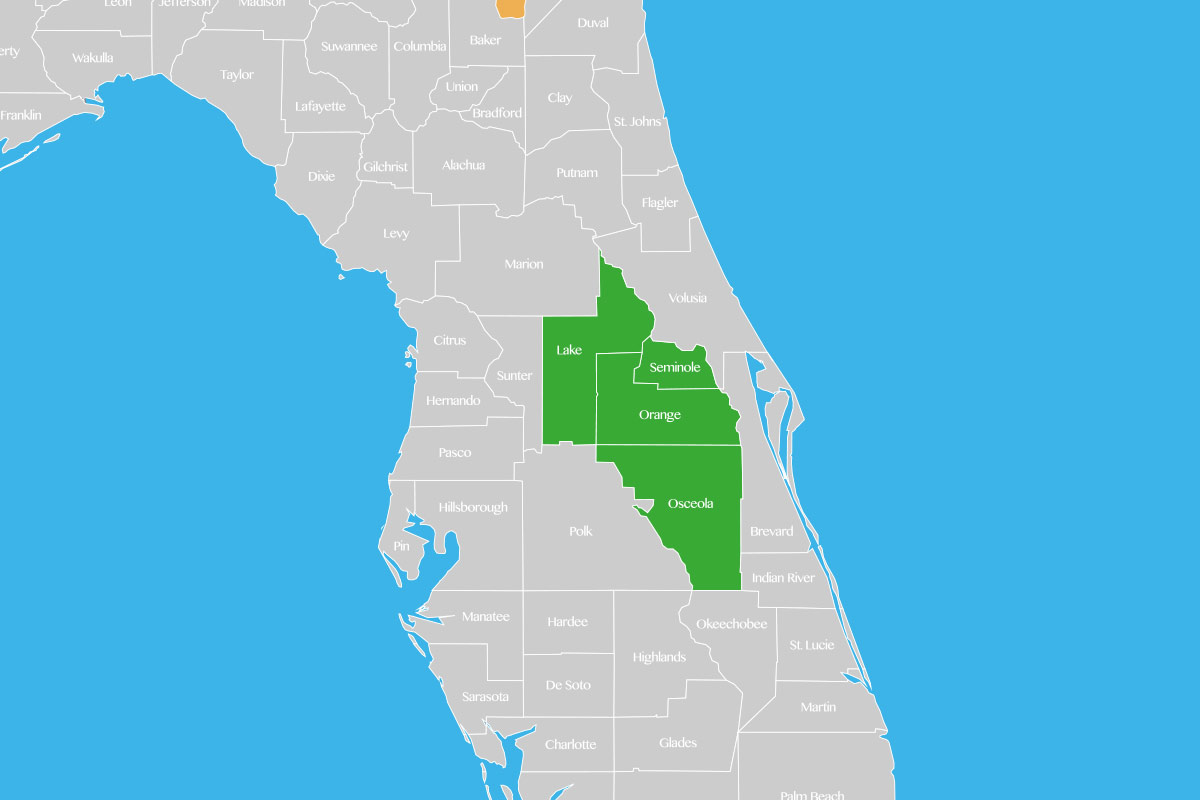
The U.S. Census Bureau defines the Orlando–Kissimmee–Sanford Metropolitan Statistical Area, commonly known as Greater Orlando, as encompassing Orange, Seminole, Osceola, and Lake Counties. Each of these neighboring counties offers distinct characteristics and attractions:
- Seminole County: Located directly north of Orange County, Seminole County includes cities like Sanford (home to Orlando Sanford International Airport) and Altamonte Springs. It’s known for its beautiful natural springs, historic downtown areas, and a slightly more suburban feel, offering a quieter escape while remaining close to Orlando’s major attractions.
- Osceola County: To the south of Orange County, Osceola County is a significant tourist hub in its own right, particularly the city of Kissimmee. Kissimmee is renowned for its vast selection of vacation homes, proximity to the southern gates of Walt Disney World Resort, and access to outdoor activities like airboat tours on Lake Tohopekaliga and encounters with Florida’s natural wildlife, including alligators.
- Lake County: West of Orange County, Lake County offers a landscape defined by rolling hills (unusual for Florida) and numerous freshwater lakes. Cities like Clermont are popular for outdoor sports enthusiasts, particularly cyclists and triathletes. It provides a more tranquil, nature-focused experience, often at a slightly lower cost than accommodations closer to the major theme parks.
Travel Implications of County Lines
For travelers, understanding these county lines has several practical implications. While the entire metropolitan area is well-connected by a network of highways and roads, travel times can vary significantly depending on which county you’re staying in and where your chosen attractions are located. Different counties and municipalities may also have varying local ordinances, taxation rates for accommodations, and even distinct cultural vibes. For example, staying in a vacation home in Kissimmee (Osceola County) offers a different experience and potentially different costs compared to staying in a resort hotel on International Drive (Orange County). Familiarizing oneself with the regional geography helps travelers make informed decisions about accommodation, dining, and activity planning, ensuring a smoother and more tailored vacation.
Planning Your Orlando Trip: County-Specific Considerations
Strategically planning your Orlando trip by considering the county context can significantly enhance your experience, streamline logistics, and even help manage your budget.
Transportation and Accessibility
The excellent road network in Orange County and throughout the Greater Orlando area makes rental cars the most flexible option for visitors. Ride-sharing services like Uber and Lyft are also widely available and popular for getting to and from attractions. Within certain tourist zones, such as International Drive, the I-Ride Trolley provides a convenient and affordable way to navigate shops, restaurants, and attractions without needing a car. However, for exploring beyond Orange County’s main tourist strips, a personal vehicle or planned transportation is generally recommended to optimize travel time between destinations.
Accommodation Choices
Your choice of county for accommodation can heavily influence your trip’s style and cost. Staying within Orange County, particularly near Walt Disney World Resort, Universal Orlando Resort, or International Drive, offers the ultimate convenience for accessing the major theme parks and a high concentration of dining and entertainment options. However, for larger groups, longer stays, or those seeking more space, vacation rentals in Kissimmee (Osceola County) can often provide better value and amenities like private pools. Meanwhile, opting for hotels in Seminole or Lake Counties might appeal to travelers prioritizing a quieter atmosphere, proximity to nature, or specific niche activities, often at a more budget-friendly price point, albeit with slightly longer commutes to the theme parks.

Local Experiences and Beyond
While the theme parks are undeniably central to Orlando’s allure, exploring the non-park attractions within Orange County offers a deeper dive into local Florida life. Downtown Orlando provides a vibrant urban experience with a diverse culinary scene, lively nightlife, and cultural venues around Lake Eola Park. Winter Park offers a charming escape with its upscale boutiques, art galleries, and scenic boat tours. Don’t overlook the opportunity for day trips from Orange County to experience other facets of Florida, such as witnessing rocket launches from the Space Coast (east) or relaxing on the serene Gulf Coast beaches (west), which, while outside Orange County, are easily accessible for a change of scenery.
In conclusion, understanding that Orlando, Florida, primarily resides within Orange County is more than just a geographical fact; it’s a foundational piece of knowledge for any prospective traveler. This insight allows for a more informed approach to trip planning, helping visitors to efficiently navigate the region’s vast array of attractions, select suitable accommodations, and ultimately craft a travel experience that aligns perfectly with their desires, whether that involves thrilling theme park adventures or exploring the rich tapestry of Central Florida’s local culture and natural beauty.
LifeOutOfTheBox is a participant in the Amazon Services LLC Associates Program, an affiliate advertising program designed to provide a means for sites to earn advertising fees by advertising and linking to Amazon.com. Amazon, the Amazon logo, AmazonSupply, and the AmazonSupply logo are trademarks of Amazon.com, Inc. or its affiliates. As an Amazon Associate we earn affiliate commissions from qualifying purchases.