
The mention of Boston Cream Pie often conjures images of a delectable dessert, a towering slice of sponge cake layered with a rich, creamy filling and crowned with a glossy chocolate glaze. It’s a culinary icon, deeply woven into the fabric of American gastronomic history, particularly within its namesake city. Yet, despite its widespread fame, a fundamental question often arises: what exactly is the “cream” in this iconic “pie”? The answer is a journey into the heart of classic patisserie, revealing a sophisticated component that elevates a simple cake into a celebrated cultural artifact. Far from a dairy-based whipped cream or a humble custard, the cream in Boston Cream Pie is a meticulously prepared pastry cream, known in French as crème pâtissière. This cornerstone of traditional baking not only defines the dessert’s unique texture and flavor but also offers a delicious insight into the culinary heritage and local charm that makes Boston a prime destination for food enthusiasts.

This article delves into the precise nature of this legendary filling, exploring its ingredients, preparation, and historical significance. We will unravel why this dessert, despite its name, is definitively a cake, and how its components, from the airy sponge to the luxurious ganache, contribute to a symphony of flavors that has captivated palates for over a century. For those seeking to explore the authentic taste of Boston and its vibrant food scene, understanding the essence of Boston Cream Pie is an essential step in appreciating the city’s rich culinary tourism offerings.
The Heart of the Matter: Deconstructing Pastry Cream Perfection
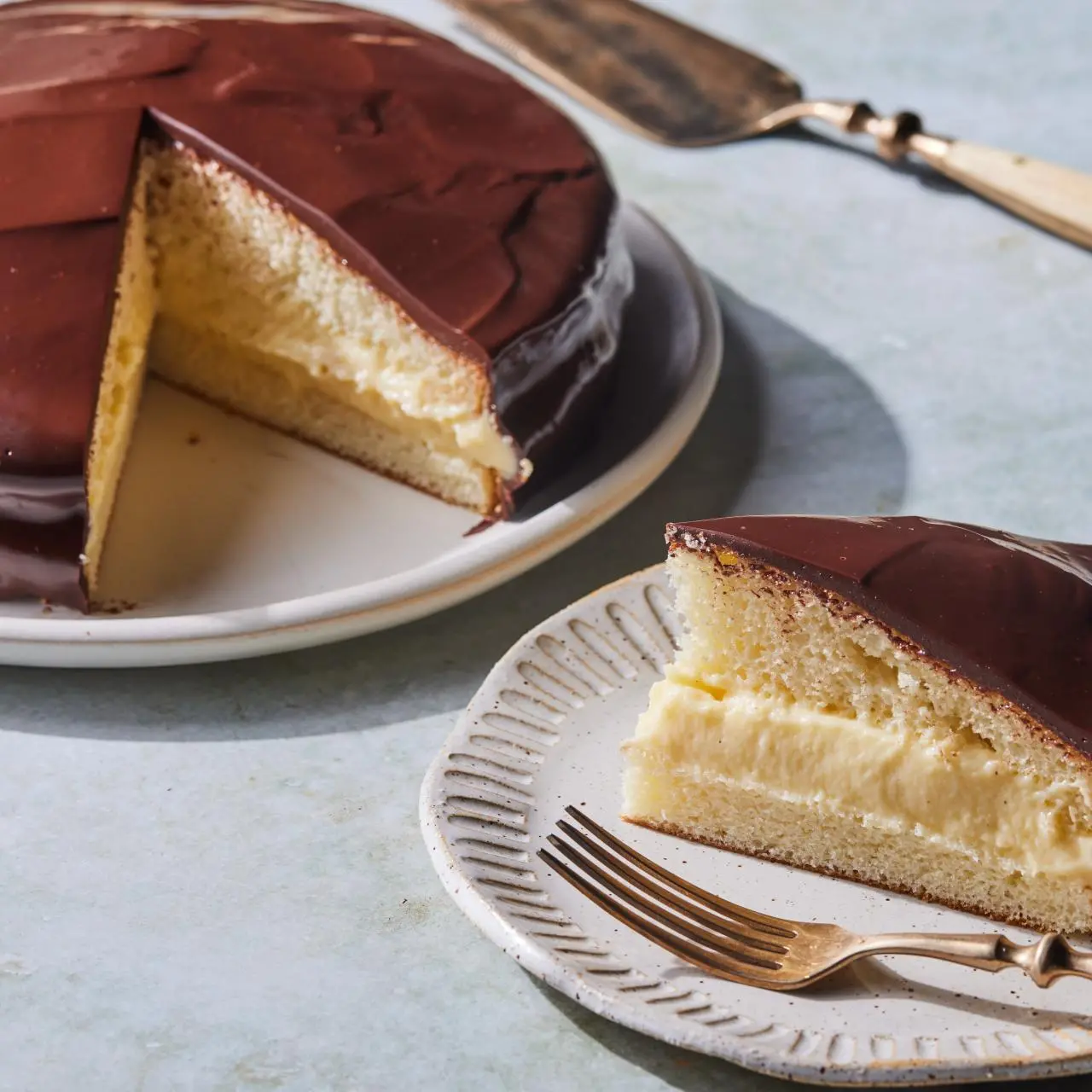
At the core of every authentic Boston Cream Pie lies its signature filling: a velvety, rich pastry cream. This is not merely a dollop of whipped cream or a simple pudding, but a carefully crafted emulsion that provides both structure and an exquisite mouthfeel. Understanding this central component is key to appreciating the entire dessert.
The French Influence: Crème Pâtissière
The pastry cream, or crème pâtissière, is a classic French custard thickened with starch (typically cornstarch or flour) and enriched with egg yolks. Its origins are steeped in European baking traditions, a testament to the sophistication it brings to desserts. Unlike a simpler custard that might rely solely on eggs for thickening, the addition of starch ensures a more stable, sliceable consistency, making it ideal for layering within cakes and tarts. This stability is crucial for Boston Cream Pie, allowing the cake to hold its elegant form without the filling oozing out. The French term itself hints at the culinary artistry involved, suggesting a level of precision and technique that elevates the ingredient beyond a mere “cream.” It’s a testament to the global influences that shaped American cuisine, even in its most quintessential dishes.
Essential Ingredients and Technique
The magic of crème pâtissière unfolds through a precise combination of readily available ingredients: milk or cream, sugar, egg yolks, a thickening agent (cornstarch or flour), and often a touch of vanilla for aroma and flavor. The process typically involves heating the milk with half the sugar until simmering, while the egg yolks are whisked with the remaining sugar and starch until pale and ribbon-like. A portion of the hot milk is then tempered into the egg mixture to prevent curdling, and this combined mixture is returned to the saucepan with the remaining hot milk. Constant whisking over medium heat is essential as the mixture thickens dramatically, eventually reaching a boil to ensure the starch fully cooks out, preventing a raw, starchy taste. The cream is then often strained for extra smoothness, chilled, and sometimes lightened with a small amount of butter or whipped cream before being used. This meticulous process results in a filling that is both dense and incredibly smooth, with a luscious texture that perfectly complements the lightness of the sponge cake.
Texture and Flavor Profile
The texture of a well-made pastry cream is nothing short of sublime: firm enough to hold its shape, yet yielding and impossibly smooth on the palate. It should feel luxurious and creamy without being overly heavy or greasy. Its flavor profile is equally captivating – a delicate sweetness balanced by the richness of egg yolks and the aromatic warmth of vanilla. It offers a clean, pure dairy taste that acts as a perfect canvas for other flavors but truly shines on its own. In the context of Boston Cream Pie, this mild yet profound flavor provides a creamy counterpoint to the airy sponge cake and the bittersweet chocolate ganache, creating a harmonious balance that is the hallmark of this beloved dessert. It’s this specific “cream” that defines the pie’s identity, making it distinctly Bostonian and utterly irresistible.
Beyond the Cream: A Symphony of Layers
While the pastry cream is undoubtedly the star of the Boston Cream Pie’s interior, the dessert’s overall appeal lies in the masterful combination of its three distinct layers. Each component plays a crucial role, contributing to a harmonious balance of textures and flavors that has captivated dessert lovers for generations. This synergy is what transforms a simple cake into a culinary legend.
The Golden Sponge Cake: Light and Airy Foundation
The foundation of the Boston Cream Pie is a delicate, golden sponge cake. Unlike heavier butter cakes, the sponge cake is characterized by its airy, open crumb, achieved by whipping eggs (sometimes whites and yolks separately) with sugar until very light and voluminous, then gently folding in flour. This technique creates a cake that is exceptionally light and moist, providing a perfect textural contrast to the dense pastry cream. The subtle sweetness and tender texture of the sponge allow the richer filling and glaze to shine without overwhelming the palate. It acts as an elegant canvas, absorbing some of the moisture and flavor from the pastry cream, while simultaneously offering a structural integrity that supports the entire dessert. This lightness is crucial, as it ensures that despite its richness, a slice of Boston Cream Pie feels indulgent without being heavy.
The Ganache Glaze: Rich and Velvety Crown
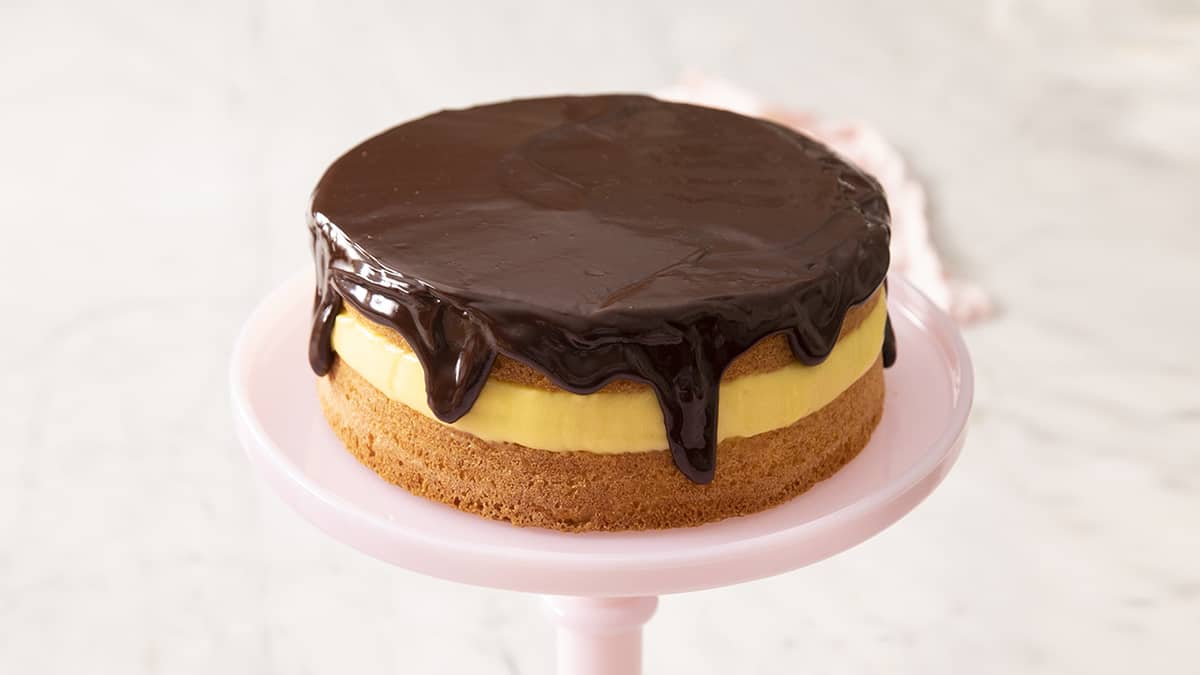
Crowning the Boston Cream Pie is its characteristic dark chocolate ganache glaze. This luxurious topping is typically made by heating heavy cream and pouring it over finely chopped chocolate, then stirring until the chocolate melts completely and the mixture becomes smooth and glossy. A touch of butter or corn syrup is sometimes added for extra sheen and a slightly softer set. The ganache serves multiple purposes: it adds a sophisticated bitterness that cuts through the sweetness of the pastry cream and cake, provides a contrasting silky texture, and gives the pie its iconic, inviting appearance. The rich, deep chocolate flavor is an indispensable element, completing the triumvirate of textures and tastes. It’s not just a decorative finish; it’s an integral flavor component that marries the creamy interior with a decadent exterior, leaving a lasting impression on the palate.
The Art of Assembly: Balancing Flavors and Textures
The true genius of the Boston Cream Pie lies in the artful assembly of its three components. A round of golden sponge cake is split horizontally into two layers. The bottom layer is generously spread with a thick stratum of chilled pastry cream, ensuring every bite contains a substantial amount of the velvety filling. The second sponge cake layer is then carefully placed on top, forming a neat sandwich. Finally, the entire top surface is evenly coated with the warm, flowing chocolate ganache, which cascades down the sides just enough to create an elegant drip or a full coating. This careful layering ensures that each forkful offers a perfect balance: the airy lightness of the sponge, the creamy richness of the pastry cream, and the intense, silky sweetness of the chocolate ganache. It’s a testament to thoughtful dessert construction, where each element is distinct yet indispensable, resulting in a harmoniously integrated culinary experience that continues to delight.
A Culinary Journey Through Boston’s History
The story of the Boston Cream Pie is more than just a recipe; it’s a narrative deeply entwined with the city’s rich history and culinary evolution. Its origins trace back to a pivotal moment in American hotel dining, establishing a legacy that endures to this day. This dessert is a prime example of Boston’s contribution to American gastronomic culture, making it a focal point for food tourism.
Birth at the Omni Parker House
The Boston Cream Pie proudly lays claim to its birthplace: the historic Omni Parker House in Boston. Opened in 1855, this grand hotel quickly became a landmark of hospitality and culinary innovation. It was here, around 1856, that chef M. Sanzian is credited with creating the dessert. Originally, it was known as “Parker House Chocolate Cream Pie” or simply “Chocolate Cream Pie.” The hotel, famed for its hospitality and delicious cuisine, played a significant role in popularizing this sweet creation. Its invention at such a prestigious establishment lent it an immediate air of sophistication and made it a must-try for both locals and visitors. The Omni Parker House remains a cornerstone of Boston’s tourist landscape, not just for its luxurious accommodations but also as the home of this iconic dessert, allowing visitors to taste a piece of history.
Not a Pie, But a Cake: A Misnomer Explained
Perhaps the most common source of confusion regarding the Boston Cream Pie is its name. Despite being called a “pie,” it is unequivocally a cake. The reason for this intriguing misnomer lies in the culinary practices of the mid-19th century. At the time of its creation, round baking pans were often referred to as “pie plates,” regardless of whether they were used for fruit pies, savory pies, or layered desserts. Cakes baked in these round pans, especially those with creamy fillings, were frequently given the “pie” designation. Additionally, many layered desserts from that era were less structured than modern cakes, blurring the lines between what we now strictly define as a cake versus a pie. The name simply stuck, becoming part of its charm and historical identity. This semantic quirk highlights the evolving nature of culinary terminology and adds another layer of intriguing narrative for those exploring the food culture of Boston.
Evolution and Enduring Popularity
From its humble beginnings at the Omni Parker House, the Boston Cream Pie quickly gained popularity, spreading from the hotel’s dining rooms to bakeries and home kitchens across Massachusetts and beyond. Its appeal lies in its combination of simple, comforting flavors with an elegant presentation. Over the decades, while the core components have remained consistent, slight variations might appear in the sponge cake recipe, the intensity of the chocolate ganache, or the exact thickness of the pastry cream. However, the fundamental structure and taste profile have endured, solidifying its place as a beloved classic. Its longevity is a testament to its perfectly balanced composition and nostalgic charm. For tourists exploring Boston, seeking out an authentic Boston Cream Pie is not just about enjoying a dessert; it’s about participating in a living piece of culinary history.
Where to Savor Authentic Boston Cream Pie
For any visitor to Boston, tasting an authentic Boston Cream Pie is an essential part of the experience. It’s more than just a dessert; it’s a tangible connection to the city’s heritage and a delicious insight into its local culture. Whether you seek the original recipe or modern interpretations, Boston offers numerous opportunities to savor this iconic treat.
Iconic Bakeries and Restaurants in Boston
Beyond its birthplace, Boston Cream Pie is a staple in many of Boston’s most cherished bakeries and restaurants. Local institutions, some with decades of history themselves, take pride in crafting their own versions of this beloved dessert. These establishments often use time-honored recipes, ensuring that the integrity of the sponge cake, the richness of the pastry cream, and the sheen of the chocolate ganache are upheld to traditional standards. Exploring these local eateries provides a deeper dive into the city’s vibrant culinary scene, where artisanal skill meets historical reverence. From bustling neighborhood bakeries to upscale dining rooms, the pursuit of the perfect Boston Cream Pie can lead tourists on a delightful gastronomic adventure through different facets of Boston’s food culture. These venues not only serve delicious food but also offer a glimpse into the daily life and traditions of Bostonians.
Homage to the Original: The Omni Parker House’s Version
No pilgrimage for Boston Cream Pie would be complete without a visit to its birthplace, the Omni Parker House. The hotel proudly continues to serve its original recipe, allowing guests to taste the exact dessert that has charmed generations. Enjoying a slice within the opulent surroundings of the hotel’s restaurant or café offers a unique historical experience, transporting diners back to the mid-19th century when the dessert first graced its menu. The Omni Parker House’s version is meticulously crafted, embodying the precise balance of textures and flavors that made it famous. It’s an opportunity not just to eat a dessert, but to partake in a culinary legacy, feeling the historical weight and tradition that imbues every forkful. For a truly authentic experience, the original recipe at its ancestral home is an absolute must-try for any discerning food tourist.
Modern Interpretations and Variations
While tradition holds a strong sway, the Boston Cream Pie has also inspired modern interpretations and variations. Chefs and pastry artists across Boston and beyond experiment with different flavors, presentations, and even forms of the dessert. You might find Boston Cream Pie cupcakes, éclairs, donuts, or even milkshakes. Some chefs might infuse the pastry cream with new flavors like espresso or orange zest, while others might experiment with different types of chocolate for the ganache. These modern takes offer a fresh perspective on the classic, showcasing the versatility and enduring appeal of its core components. While these variations might deviate from the strictly traditional, they pay homage to the original while pushing culinary boundaries. They demonstrate how a classic dish can evolve while maintaining its essence, catering to contemporary tastes while preserving a link to its rich past. Exploring both the traditional and modern versions offers a comprehensive taste of Boston’s dynamic food scene.
The Enduring Legacy and Cultural Impact
The Boston Cream Pie is more than just a delicious dessert; it is a symbol of American culinary heritage, deeply ingrained in the culture of Massachusetts and celebrated nationwide. Its journey from a hotel specialty to a state dessert highlights its profound cultural impact and enduring appeal.
A Massachusetts State Dessert
In a testament to its iconic status and cultural significance, the Boston Cream Pie was officially declared the State Dessert of Massachusetts in 1996. This legislative recognition underscores its deep connection to the state’s identity and its place in the hearts of its residents. The declaration serves as a reminder of the dessert’s historical roots within Massachusetts and its contribution to the state’s unique character. It’s a source of local pride, frequently featured in state-sponsored events, educational materials, and tourism campaigns. For visitors, knowing that they are indulging in the official dessert of a state adds another layer of appreciation and engagement, transforming a simple sweet treat into a cultural experience. This official recognition solidifies its role as a key element of Massachusetts’s culinary tourism offerings.
Global Recognition and Culinary Influence
Beyond its state-level acclaim, the Boston Cream Pie has garnered global recognition. Its distinctive layering of sponge cake, pastry cream, and chocolate ganache has inspired countless pastry chefs and home bakers around the world. Recipes for Boston Cream Pie are found in cookbooks and online platforms globally, adapted and enjoyed by diverse palates. Its structure has even influenced other desserts, creating a lineage of creamy, chocolate-topped cakes. The simplicity of its components combined with the sophistication of its execution makes it an approachable yet elegant dessert, appealing to a wide audience. This international footprint demonstrates the universal language of good food and how a local delicacy from Boston can transcend borders, becoming a celebrated item in the global culinary repertoire. Its influence speaks volumes about its balanced flavors and enduring deliciousness.
Why This Dessert Resonates
The enduring resonance of the Boston Cream Pie can be attributed to several factors. Firstly, it offers a perfect harmony of textures – the fluffy cake, the smooth cream, and the rich, melting glaze. Secondly, its flavors are classic and comforting: vanilla, chocolate, and dairy, a combination that evokes warmth and nostalgia. Thirdly, its rich history, tied to a renowned establishment in a significant American city, adds a layer of narrative and tradition that makes it more than just food; it’s a story on a plate. Finally, its accessible elegance makes it suitable for both everyday enjoyment and special occasions. The Boston Cream Pie is a testament to how simple ingredients, combined with careful technique and a dash of history, can create a truly iconic dish that stands the test of time. It’s a culinary landmark, inviting all who visit Boston to partake in a delectable piece of its cultural fabric.
In conclusion, the “cream” in Boston Cream Pie is, in fact, a magnificent pastry cream, a testament to classic patisserie techniques and a cornerstone of this beloved dessert. This understanding enriches the experience of tasting the pie, offering insight into the culinary artistry and historical journey that define it. For anyone venturing into Boston, seeking out this iconic cake is not merely a gastronomic pursuit but an immersive dive into the heart of the city’s vibrant local culture and enduring legacy. It stands as a delicious invitation to explore, savor, and appreciate the unique flavors that make Boston a truly exceptional destination for culinary tourism.
LifeOutOfTheBox is a participant in the Amazon Services LLC Associates Program, an affiliate advertising program designed to provide a means for sites to earn advertising fees by advertising and linking to Amazon.com. Amazon, the Amazon logo, AmazonSupply, and the AmazonSupply logo are trademarks of Amazon.com, Inc. or its affiliates. As an Amazon Associate we earn affiliate commissions from qualifying purchases.