
Planning a getaway to the sun-drenched shores of Puerto Rico? As you prepare to immerse yourself in its vibrant culture, stunning landscapes, and unforgettable experiences, one of the fundamental questions every traveler asks is about the local currency. Understanding the monetary system is crucial for seamless budgeting, stress-free transactions, and fully enjoying all that this Caribbean gem has to offer. Whether you’re dreaming of historic tours through Old San Juan, relaxing on the pristine beaches of Isla Verde, or exploring the lush rainforests, knowing your currency will be your first step towards a perfectly planned adventure.

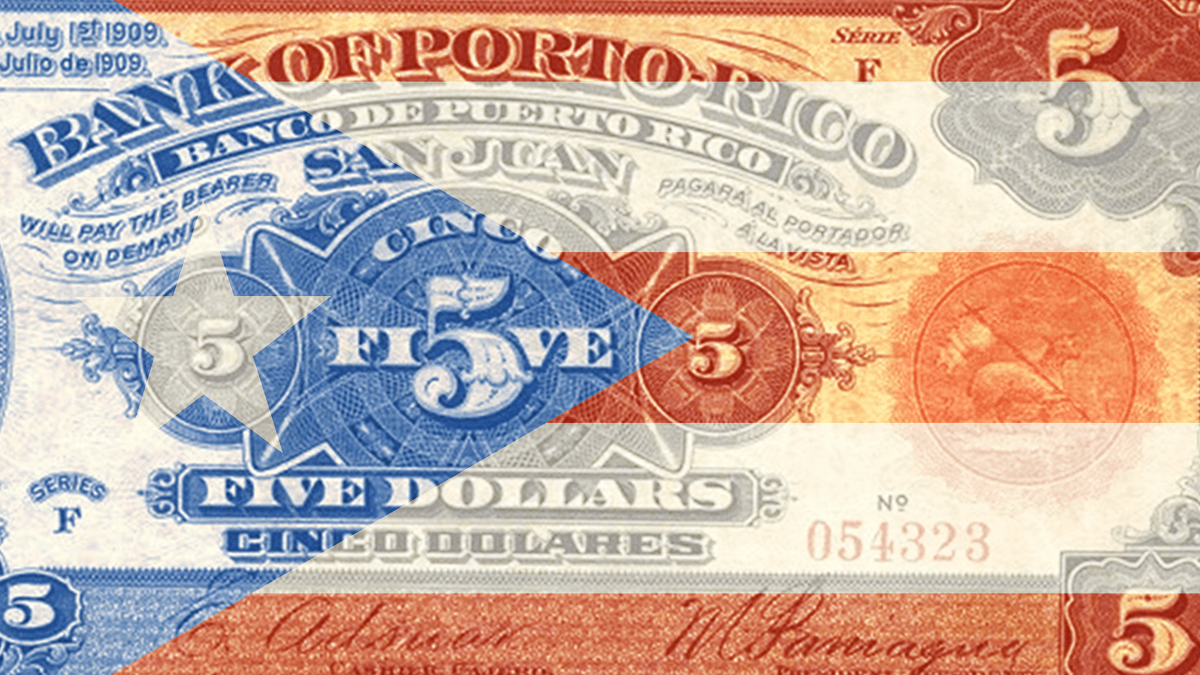
The answer is straightforward and incredibly convenient, especially for visitors from the United States: the official currency for Puerto Rico is the U.S. Dollar (USD). This might seem like a small detail, but it profoundly impacts your travel experience, simplifying everything from booking accommodations to purchasing souvenirs. For U.S. citizens, this means no need to worry about currency exchange rates, conversion fees, or mental math when budgeting. For international travelers, while conversion will still be a factor, the global familiarity and stability of the U.S. Dollar make financial planning considerably easier than dealing with an unfamiliar local currency.
This guide will delve into what the U.S. Dollar means for your trip to Puerto Rico, offering practical advice on managing your money, budgeting for various experiences, and navigating transactions across this beautiful island. From high-end resorts to charming local eateries, we’ll cover everything you need to know to ensure your financial journey is as smooth as your island escape.
The U.S. Dollar: Puerto Rico’s Official Currency and Its Implications for Travelers
The fact that Puerto Rico uses the U.S. Dollar is not merely a matter of convenience; it’s a direct reflection of its political status as an unincorporated territory of the United States. This shared currency framework brings significant advantages, particularly for travelers, impacting everything from the cost of accommodation to the ease of daily purchases.
Why the U.S. Dollar? A Historical and Economic Perspective
Puerto Rico has been a territory of the United States since 1898. Over the decades, its economic and financial systems have become deeply integrated with those of the mainland United States. The adoption of the U.S. Dollar as its official currency provides a stable and familiar economic environment. This stability is a cornerstone of its tourism industry, making it an attractive destination for millions of visitors annually. For businesses operating on the island, from international hotel chains to local handicraft vendors, conducting transactions in a globally recognized currency simplifies trade, banking, and pricing, fostering a robust and accessible economy for tourism.
The Benefits for Travelers: Simplicity and Predictability
For travelers coming from the United States, the most apparent benefit is the elimination of currency exchange hassles. There are no conversion rates to calculate, no hidden foreign transaction fees when exchanging money, and no need to familiarize yourself with unfamiliar denominations. The dollar bills and coins you use at home are the same ones accepted in Puerto Rico. This seamless financial environment allows U.S. travelers to budget and spend with absolute predictability, focusing entirely on their vacation experiences rather than currency conversions.
International visitors also benefit from the U.S. Dollar’s global recognition. While they will still need to exchange their home currency, the process is generally straightforward and widely supported in major banks and exchange offices worldwide. The U.S. Dollar is a strong and stable currency, making it easier for global travelers to understand the value of their purchases and manage their travel funds effectively. This consistency enhances the appeal of Puerto Rico as a premier travel destination, blending Latin American charm with American convenience.
Navigating Your Finances in Puerto Rico: Practical Tips for Travelers
With the currency sorted, the next step is to understand the best ways to manage your money while on the island. Puerto Rico, like many modern travel destinations, offers a mix of payment options, from digital transactions to traditional cash. Knowing when and where to use each will significantly enhance your travel experience.
Cash vs. Credit Cards: What to Expect
In Puerto Rico, a balanced approach to payment methods is often the most effective.
- Credit and Debit Cards: Major credit cards like Visa, Mastercard, American Express, and Discover are widely accepted across the island, especially in tourist-heavy areas. You can confidently use them at:
- Hotels and Resorts: From luxury stays at the El Conquistador Resort to charming boutique hotels like O:live Boutique Hotel in Condado, credit cards are the preferred method for accommodation.
- Major Restaurants and Bars: Most established dining establishments, particularly in cities like San Juan and Ponce, will readily accept cards.
- Retail Stores: Larger shops, malls, and chain stores are fully equipped for card payments.
- Car Rental Agencies: Essential for booking vehicles.
- Online Bookings: Tours, excursions, and some smaller accommodations often require card payment in advance.
Using a credit card can also offer security benefits, such as fraud protection, and may even earn you travel rewards. However, always be mindful of potential foreign transaction fees if your card is not specifically designed for international travel, even though it’s the U.S. Dollar.
- Cash: While cards are convenient, cash remains king for many smaller transactions and local experiences. It is highly recommended to carry a reasonable amount of U.S. Dollar cash for:
- Local Markets and Street Vendors: From delicious empanadillas at a roadside stand to unique crafts in Old San Juan, many small vendors operate solely on cash.
- Tipping: Service industry workers, bellhops, housekeepers, and tour guides often appreciate cash tips.
- Smaller Shops and Cafes: Especially those off the main tourist paths or in more rural towns like those near Mayagüez or in the central mountains.
- Taxis and Some Public Transportation: While ride-sharing apps like Uber and Lyft are available in major cities, traditional taxis often prefer cash.
- Emergencies: It’s always wise to have some cash on hand for unexpected situations. Aim for a mix of small denominations ($1s, $5s, $10s) for ease of use.
ATMs and Banks: Accessing Your Funds
Accessing cash in Puerto Rico is generally straightforward.
- ATMs: Automated Teller Machines (ATMs) are readily available in urban centers like San Juan, Ponce, and Mayagüez, as well as in shopping centers, major hotels, and airports. They dispense U.S. Dollars.
- Fees: Be aware that both your home bank and the local ATM operator might charge a fee for withdrawals. Check with your bank before traveling to understand their policies. Some banks offer fee reimbursements or have international partners.
- Safety: Always use ATMs in well-lit, secure locations, such as inside bank branches, large supermarkets, or hotel lobbies.
- Bank Branches: You’ll find branches of local and some mainland U.S. banks across the island. Banco Popular de Puerto Rico is the largest local bank and has numerous locations. While generally not necessary for cash withdrawals (ATMs are sufficient), bank branches can be useful for more complex transactions or if you encounter issues with your cards.
- Traveler’s Checks and Foreign Currency Exchange: Traveler’s checks are largely obsolete and not recommended. For international travelers needing to exchange foreign currency, major banks in San Juan or at the airport are your best bet, though rates may not be optimal. It’s often more convenient and cost-effective to exchange a small amount of currency before your trip or simply withdraw U.S. Dollars directly from an ATM using your debit card (after checking for international withdrawal fees with your bank).
Budgeting and Spending Smart: Making Your Dollar Go Further
The common currency with the United States simplifies budgeting, but understanding where your money will go and how to maximize its value is key to a fulfilling trip to Puerto Rico. The island offers diverse options for every lifestyle, from luxury getaways to budget-friendly adventures.
Accommodation: From Resorts to Guesthouses
Accommodation costs in Puerto Rico are always quoted in U.S. Dollars. Prices can vary significantly based on location, seasonality, and the type of lodging.
- Luxury Resorts and Hotels: Destinations like San Juan, Condado, and Isla Verde boast a plethora of high-end resorts with world-class amenities, often starting from $200-$400+ per night. These properties typically accept all major credit cards.
- Boutique Hotels and Guesthouses: Offering a more intimate experience, these accommodations can be found throughout the island, including charming options in Old San Juan. Prices generally range from $100-$250 per night.
- Vacation Rentals: Platforms offering apartments, villas, and houses are popular for families or longer stays, providing more space and self-catering options. Costs are highly variable depending on size, location, and amenities.
- Budget-Friendly Stays: For those looking to save, hostels, small guesthouses, and accommodations outside major tourist hubs like Vieques or Culebra can be found for under $100 per night. Always confirm payment methods directly with smaller establishments, as some may prefer cash or have specific card requirements.
Booking in advance, especially during peak season (December to April), is always advisable to secure better rates.
Dining and Local Cuisine: A Feast for Every Budget
Puerto Rico’s culinary scene is a vibrant blend of Spanish, African, and Taíno influences, offering delicious options for every budget.
- Fine Dining: San Juan has upscale restaurants serving gourmet Puerto Rican and international cuisine, with prices comparable to major U.S. cities ($50-$100+ per person for a full meal). Credit cards are universally accepted.
- Mid-Range Restaurants: You’ll find numerous excellent mid-range restaurants throughout the island, offering hearty meals for $20-$40 per person. Most accept cards, but it’s good to confirm.
- Local Eateries (Kioskos, Frituras, Food Trucks): This is where your cash comes in handy and where you can savor authentic flavors at incredibly affordable prices. Expect to pay $5-$15 for delicious street food like mofongo, alcapurrias, or empanadillas. These often operate on a cash-only basis. Exploring local food markets in towns like Ponce also offers fresh produce and prepared foods for budget-conscious travelers.
- Grocery Stores: If you have access to a kitchen in your accommodation, buying groceries can significantly reduce food expenses, especially for breakfast and snacks. Major supermarket chains accept cards.
Transportation: Getting Around the Island
Transportation costs also add up, and payment methods vary.
- Rental Cars: Highly recommended for exploring beyond San Juan. Major rental companies accept credit cards. Daily rates vary by vehicle type and season.
- Taxis/Ride-Sharing: Uber and Lyft are operational in San Juan and offer convenient, card-based payment. Traditional taxis, especially for airport transfers or longer rides, often prefer cash, though some may have card readers. Always confirm the fare or use the meter.
- Public Transportation: Limited in scope, mainly serving San Juan and its immediate surroundings. The Tren Urbano (urban train) and buses primarily operate on cash or rechargeable cards specific to the system. For travel to smaller islands like Vieques and Culebra, ferry tickets can be purchased with cash or card, but securing them in advance is essential.
Attractions and Activities: Experiences that Last a Lifetime
Puerto Rico is brimming with attractions, from historic landmarks to natural wonders.
- Entrance Fees: Many popular landmarks, such as El Morro in Old San Juan or the Ponce Museum of Art, have entrance fees, usually payable by card or cash.
- Tours and Excursions: From kayaking in a Bioluminescent Bay to exploring the El Yunque rainforest, guided tours are a fantastic way to experience the island. These are typically booked in advance online with a credit card, though smaller local operators might accept cash.
- Souvenirs and Shopping: Whether you’re buying locally made crafts, coffee, or apparel, credit cards are widely accepted in most shops. However, unique artisan markets often prefer cash.
Beyond the Dollar: Tipping, Taxes, and Local Customs
Understanding the nuances of tipping, taxes, and local spending customs will round out your financial preparedness for Puerto Rico, ensuring smooth interactions and respectful engagement with the local culture.
Tipping Etiquette: Showing Your Appreciation
As a United States territory, tipping norms in Puerto Rico largely mirror those on the mainland. Tipping is customary for good service and constitutes a significant portion of many service workers’ income.
- Restaurants and Bars: A tip of 15-20% of the total bill is standard for waiters and bartenders. For exceptional service, 20% or more is appreciated. You can add this to your credit card bill or leave cash.
- Hotel Staff:
- Bellhops: $1-$2 per bag.
- Housekeeping: $2-$5 per night, left daily with a note.
- Concierge: If they provide excellent service and specific recommendations, $5-$20 depending on the complexity of their assistance.
- Taxi Drivers: 10-15% of the fare, or rounding up to the nearest dollar amount is common. For ride-sharing services, you can tip through the app.
- Tour Guides: If you’ve enjoyed a guided tour, 10-20% of the tour cost or $5-$10 per person for a half-day tour, and $10-$20 per person for a full-day tour is a good guideline.
- Hairdressers/Spa Services: 15-20% of the service cost.
Always carry small denominations of U.S. Dollar bills for easy and quick tipping, especially for bellhops, housekeepers, and smaller service providers who may not process card payments.
Sales Tax (IVU): What to Expect on Purchases
Puerto Rico has a sales and use tax known as Impuesto sobre Ventas y Uso (IVU). This tax is applied to most goods and services purchased on the island. The current general IVU rate is 11.5%.
- How it Works: The IVU will typically be added to your bill at the point of sale, whether you are buying groceries, dining at a restaurant, or purchasing souvenirs. Unlike some countries where tax is already included in the displayed price, in Puerto Rico, prices are often displayed pre-tax, with the IVU added at checkout.
- Budgeting for IVU: When planning your budget, remember to factor in this additional 11.5% for most of your purchases. Accommodation typically has different tax structures, which are usually clearly outlined when booking through hotels or vacation rental platforms.
Haggling and Understanding Local Prices
- Haggling: In most retail stores, restaurants, and hotels, haggling is not customary or expected. Prices are generally fixed. However, in informal settings such as flea markets, artisan craft fairs, or when dealing with independent street vendors, a polite negotiation for a better price might be possible, but it should be done with discretion and respect.
- Local Prices: While Puerto Rico uses the U.S. Dollar, the cost of living and specific goods and services can differ from mainland United States cities. Some items, particularly imported goods, might be slightly more expensive due to shipping costs, while local produce and services can often be more affordable. It’s always a good idea to research typical costs for your planned activities to set realistic budget expectations.

Embracing the Puerto Rican Lifestyle: Financial Freedom in Paradise
The simplicity of using the U.S. Dollar in Puerto Rico is undoubtedly one of its greatest assets for travelers. It removes a common layer of travel complexity, allowing you to focus entirely on the rich cultural experiences, breathtaking natural beauty, and warm hospitality that define this extraordinary island.
Whether your dream vacation involves a luxurious stay at a five-star resort, an adventurous exploration of hidden waterfalls, a culinary journey through local flavors, or a tranquil retreat on a secluded beach, the familiar currency empowers you to navigate your finances with confidence. This financial freedom encourages diverse travel styles – from the budget-conscious backpacker exploring hostels and street food to the luxury traveler indulging in exclusive suites and fine dining. Families can plan activities with ease, knowing every transaction is straightforward, and business travelers can manage expenses without a second thought about conversion rates.
By understanding how to effectively use cash and cards, where to find ATMs, and the local customs around tipping and taxes, you’re not just managing money; you’re enhancing your ability to connect with the island’s pulse. This prepares you to dive headfirst into the vibrant lifestyle, explore the iconic landmarks, relax in superb accommodations, and truly experience the magic of Puerto Rico without any financial roadblocks. So, pack your bags, prepare your dollars, and get ready for an unforgettable adventure where the currency is familiar, but the experiences are wonderfully unique.
LifeOutOfTheBox is a participant in the Amazon Services LLC Associates Program, an affiliate advertising program designed to provide a means for sites to earn advertising fees by advertising and linking to Amazon.com. Amazon, the Amazon logo, AmazonSupply, and the AmazonSupply logo are trademarks of Amazon.com, Inc. or its affiliates. As an Amazon Associate we earn affiliate commissions from qualifying purchases.