
California, a state renowned for its breathtaking landscapes, iconic landmarks, and vibrant lifestyle, is also a significant economic powerhouse. From the bustling streets of Los Angeles to the tech hubs of Silicon Valley and the picturesque vineyards of Napa Valley, the Golden State attracts millions of visitors and residents alike. However, behind the glamour and innovation lies a crucial economic factor that impacts countless individuals and businesses, particularly within the vast tourism and hospitality sectors: the minimum wage. Understanding California’s minimum wage is essential not only for those who work here but also for travelers planning their budgets and for businesses operating within its dynamic economy. This article delves into the current minimum wage landscape, exploring its nuances, its profound impact on the cost of living and the tourism industry, and offering insights for both residents and visitors navigating this unique economic environment.

Understanding California’s Minimum Wage Landscape
California stands out nationally for its progressive approach to labor laws, and its minimum wage policy is a prime example. The state has consistently been at the forefront of increasing hourly pay for its workers, aiming to provide a more livable wage in one of the most expensive regions in the world. This commitment is driven by a desire to alleviate poverty, stimulate local economies, and ensure that those in entry-level positions or service roles can better afford the basic necessities of life. For anyone considering working in the state, investing in its businesses, or simply traveling through, grasping the intricacies of this wage structure is fundamental.
The Statewide Mandate and Its Effective Date
As of January 1, 2024, the statewide minimum wage in California officially increased to $16.00 per hour for all employers, regardless of their size. This universal rate marks a significant step, eliminating the previous distinction between employers with 25 or fewer employees and those with 26 or more. This simplification aims to create a more straightforward and equitable pay structure across the state. The increase is part of a series of planned adjustments, reflecting California’s ongoing effort to align wages with the rising cost of living, which has become a persistent challenge for many residents. For workers in hotels, restaurants, retail stores, and attractions across major tourist destinations like Anaheim or Santa Monica, this means a direct boost in their hourly earnings, potentially influencing their lifestyle choices and financial stability.
Navigating Local Minimum Wage Ordinances
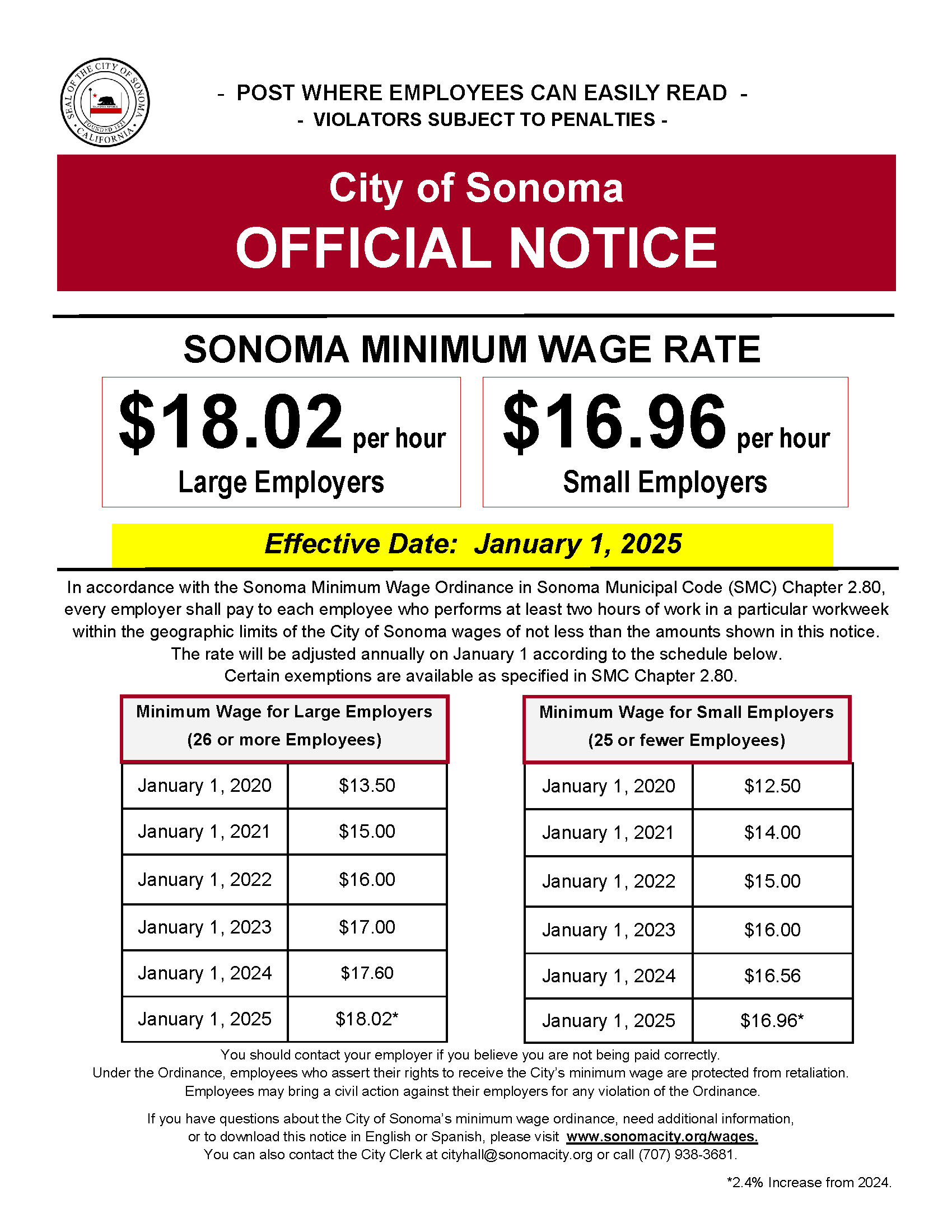
While the statewide minimum wage provides a crucial baseline, it’s important to recognize that many cities and counties within California have implemented their own, higher minimum wage ordinances. These local mandates reflect the even greater cost of living pressures in specific metropolitan areas and often exceed the state’s minimum by a significant margin. For instance, powerhouse cities like San Francisco, Oakland, and Los Angeles have established their own rates, which can be several dollars higher than the state minimum. Berkeley, Emeryville, and Palo Alto are other examples of localities with their own distinct wage laws. These local variations create a patchwork of minimum wage rates across California, requiring businesses and employees to stay informed about the specific regulations applicable to their geographic location. This decentralized approach allows communities to address their unique economic circumstances, but it also adds a layer of complexity for multi-location businesses, including many hotel chains and restaurant groups that operate across different cities. Travelers too might notice these variations indirectly through pricing in different destinations.
The Interplay of Minimum Wage and California’s Cost of Living
California is celebrated for its innovation, natural beauty, and cultural richness, but it’s equally notorious for its exceptionally high cost of living. Housing prices, in particular, in major urban centers like San Jose, San Francisco, and Los Angeles often rank among the highest globally. This economic reality means that even with a higher minimum wage compared to many other states, making ends meet can still be a significant challenge for many Californians, especially those supporting families. The interplay between wages and expenses is a constant balancing act, shaping the daily lives of millions and influencing everything from commuting habits to leisure pursuits and travel aspirations.
Daily Realities for Wage Earners
For someone earning the minimum wage in California, whether at the state level of $16.00 per hour or a higher local rate, daily life requires careful budgeting. A full-time minimum wage earner, working 40 hours a week, earns approximately $2,560 per month before taxes at the state rate. In areas where median rent for a one-bedroom apartment can easily exceed $2,000-$3,000 per month, a substantial portion of a worker’s income is immediately allocated to housing. Beyond rent, expenses like groceries, transportation (especially given California’s car-dependent culture in many areas), healthcare, and utilities quickly add up. This often necessitates roommates, long commutes from more affordable exurban areas, or working multiple jobs to achieve financial stability. While the higher minimum wage undeniably improves financial security compared to lower national standards, it still positions many workers in a constant struggle against the formidable cost of living, impacting their ability to save, invest, or indulge in the very tourism experiences that define California’s allure.
Impact on Service Industry and Hospitality Workers
The hospitality and service industries are particularly sensitive to minimum wage policies, as they are often primary employers of minimum wage earners. From hotel housekeeping staff in San Diego resorts to restaurant servers in Hollywood and amusement park attendants at Disneyland, these workers are the backbone of California’s thriving tourism sector. A higher minimum wage directly benefits these individuals, providing them with more disposable income to support local businesses, participate in leisure activities, and generally improve their quality of life. This improved purchasing power can, in turn, contribute to local economic growth.
However, the impact on businesses is also significant. Hotels, restaurants, and attractions must absorb increased labor costs, which can influence pricing for services, menu items, and admission tickets. While some businesses adapt through increased efficiency or slight price adjustments, others might face tighter margins, especially smaller, independent establishments. The goal is to strike a balance where workers receive fair compensation without unduly burdening businesses or making California an prohibitively expensive destination for tourists. Attracting and retaining skilled staff in a competitive labor market, especially in high-demand tourist areas, also becomes easier when wages are competitive and reflective of the cost of living.
Minimum Wage and the California Tourism Experience
California remains one of the world’s premier travel destinations, offering an incredible array of experiences from pristine beaches along the Pacific Coast Highway to majestic mountains in Yosemite National Park. The state’s vibrant tourism sector is a cornerstone of its economy, attracting millions of visitors seeking everything from luxury retreats to budget-friendly adventures. However, the unique economic landscape, characterized by a higher minimum wage and elevated cost of living, inevitably influences the overall tourism experience, affecting both prices and the local economic ecosystem that visitors encounter.
Budgeting for Visitors: Prices and Expectations
For travelers planning a trip to California, understanding the state’s economic realities, including the minimum wage, is crucial for accurate budgeting. The higher labor costs, combined with high operational expenses, often translate into higher prices for various tourist-related services. This can manifest in several ways: accommodation, from a luxurious suite in Beverly Hills to a standard room in a city hotel, often commands higher rates than comparable options in states with lower operating costs. Dining out, whether at a Michelin-starred restaurant in San Francisco or a casual cafe, will likely have menu prices that reflect the cost of ingredients, rent, and staff wages. Even everyday purchases like souvenirs or a simple coffee can be more expensive.
Tourists should anticipate and budget for these elevated costs. A visit to California might require a larger travel fund compared to other domestic destinations. However, this also means that the quality of service, particularly in the hospitality industry, often reflects a well-compensated and motivated workforce. Travelers can expect highly professional and dedicated staff, contributing to a more pleasant and memorable experience during their stay, whether they choose a boutique hotel in Palm Springs or a resort near Lake Tahoe.
Sustainable Travel and Local Economies
The minimum wage policies in California also play a role in promoting a more sustainable and equitable tourism model. When tourism businesses pay a fair, livable wage, it contributes directly to the well-being of local communities. This means that the economic benefits of tourism are more broadly distributed among residents, not just business owners. Workers earning a better wage are more likely to stay in their communities, reducing turnover, improving service quality, and fostering a stronger sense of local pride.
For the conscious traveler, choosing to support businesses that pay their employees competitive wages aligns with principles of responsible tourism. By patronizing local restaurants, staying in hotels that value their staff, and visiting attractions that invest in their workforce, tourists indirectly contribute to a more robust local economy and a healthier social fabric. This approach ensures that the magic of California is not just an experience for visitors but also a sustainable livelihood for the people who make it possible, from the tour guides in San Diego to the park rangers in Sequoia National Park and the hotel staff in Santa Barbara.
Exploring California on a Budget: Tips for Every Traveler
While California’s higher cost of living and minimum wage can lead to elevated prices for travelers, it doesn’t mean that experiencing the Golden State on a budget is impossible. In fact, with a bit of planning and savvy choices, visitors can still enjoy many of California’s incredible offerings without breaking the bank. The state is rich with diverse attractions, many of which are free or low-cost, and a wide range of accommodation and dining options cater to various budgets. Embracing smart strategies allows every traveler to discover the magic of California, whether they’re seeking adventure, relaxation, or cultural immersion.
Affordable Accommodation and Dining Strategies
One of the largest expenses for any trip is accommodation. To save on lodging in California, consider options beyond traditional hotels. Hostels, particularly in cities like San Francisco or Los Angeles, offer dormitory-style or private rooms at a fraction of the cost. Vacation rentals (apartments or rooms) through platforms like Airbnb or VRBO can also be more economical, especially for longer stays or groups, and often include kitchen facilities. Opting for hotels slightly outside major city centers, or in less tourist-heavy towns along your route, can also yield significant savings. For example, staying in a charming town adjacent to a popular destination like Monterey or Carmel-by-the-Sea might be more budget-friendly.
When it comes to dining, embracing local markets, food trucks, and casual eateries can significantly reduce food expenses. Many California cities boast vibrant food truck scenes offering diverse and delicious cuisine at reasonable prices. Picnics in scenic parks or on the beach, using groceries purchased from supermarkets, are another fantastic way to enjoy meals with a view without the restaurant markup. Look for happy hour specials at restaurants, or utilize self-catering options if your accommodation provides a kitchen. This approach not only saves money but also offers a more authentic taste of local life, from farmer’s markets in San Luis Obispo to street food vendors in Downtown Los Angeles.
Discovering Free and Low-Cost Attractions
California is blessed with an abundance of natural wonders and cultural experiences that are either free or require only a minimal entrance fee. National and State Parks, while sometimes requiring an entrance fee per vehicle, offer unparalleled value given the scope of their beauty and activities. For instance, marveling at the Golden Gate Bridge in San Francisco, strolling along Santa Monica Pier, or exploring the vibrant beaches of Orange County are all completely free. Many museums in larger cities offer free admission days or hours, providing an excellent opportunity for cultural immersion without the cost.
Scenic drives, such as the Pacific Coast Highway (Highway 1), offer endless panoramic views and photo opportunities at no charge. Hiking trails abound across the state, from the coastal paths of Big Sur to the majestic trails of the Sierra Nevada mountains. Exploring charming neighborhoods, attending free festivals, or simply enjoying the sunset over the Pacific Ocean are all enriching experiences that cost nothing. By prioritizing these free and low-cost activities, travelers can immerse themselves in the authentic spirit of California and create unforgettable memories, proving that an extraordinary travel experience doesn’t always require a hefty budget.
The Road Ahead: Future Considerations for California’s Minimum Wage
The trajectory of California’s minimum wage is a dynamic and ongoing discussion, reflecting the state’s proactive stance on labor policy and its unique economic challenges. While the $16.00 per hour statewide minimum wage is effective as of January 1, 2024, the conversation doesn’t end there. California often ties its future minimum wage increases to inflation indicators, ensuring that wages continue to keep pace with the rising cost of living. This mechanism provides a degree of predictability for both workers and businesses, allowing for phased adjustments rather than sudden, drastic changes.
Beyond these indexed increases, special legislation can also target specific industries. A prime example is the recent law signed by Governor Gavin Newsom, which will raise the minimum wage for fast-food workers to $20.00 per hour starting April 1, 2024. Similar considerations for healthcare workers are also in discussion. These targeted increases reflect a broader strategy to address specific sectors where wages have lagged or where the cost of living pressures are particularly acute for workers. For businesses in the tourism sector, particularly those involved in food service and hospitality, these developments mean continued vigilance and adaptation. Travelers might observe further price adjustments in these specific service areas as wages evolve. The ongoing debate around the minimum wage in California underscores a foundational commitment to social equity and economic fairness, principles that continue to shape the state’s identity and its vibrant, complex economy.
Conclusion
The current minimum wage in California, set at $16.00 per hour statewide as of January 1, 2024, with various local ordinances mandating even higher rates, is far more than just a number. It’s a critical economic benchmark that profoundly influences the daily lives of millions of residents and shapes the operational landscape for countless businesses, especially within the thriving tourism and hospitality sectors. While it aims to provide a more livable wage in one of the nation’s most expensive states, it also contributes to the higher overall cost of goods and services that visitors and locals experience.
For travelers, understanding this economic reality is key to planning a successful trip, influencing budgeting for accommodation, dining, and attractions. However, [California](https://lifeoutofthebox.com/california]’s allure remains undiminished, offering a spectrum of experiences from luxurious resorts to budget-friendly adventures. By making informed choices, exploring free attractions, and supporting businesses that contribute positively to local economies through fair wages, visitors can still immerse themselves in the unique beauty and culture of the Golden State. Ultimately, California’s minimum wage is an integral part of its identity, reflecting its commitment to social progress while continually navigating the complexities of its dynamic economy, making it a truly unique destination for all.
LifeOutOfTheBox is a participant in the Amazon Services LLC Associates Program, an affiliate advertising program designed to provide a means for sites to earn advertising fees by advertising and linking to Amazon.com. Amazon, the Amazon logo, AmazonSupply, and the AmazonSupply logo are trademarks of Amazon.com, Inc. or its affiliates. As an Amazon Associate we earn affiliate commissions from qualifying purchases.