
When planning a visit to Tucson, Arizona, knowing the current temperature and understanding its unique climate is not just a matter of curiosity; it’s a fundamental aspect of preparing for an unforgettable journey. Tucson is nestled in the heart of the Sonoran Desert, a landscape renowned for its stunning beauty, vibrant ecosystems, and distinct weather patterns. This means that while a quick glance at a weather app can give you the real-time figure, a deeper appreciation of Tucson’s temperature nuances will truly inform your packing choices, activity schedules, and overall travel expectations.
Whether you’re an avid hiker eager to explore the towering saguaros, a history enthusiast keen on discovering ancient missions, or simply seeking a tranquil escape under the desert sun, the temperature plays a pivotal role in shaping your experience. This article delves into Tucson’s climate, helping you understand its seasonal variations, daily fluctuations, and how to best prepare for the conditions you might encounter, ensuring your trip is as comfortable and enjoyable as possible.
Understanding Tucson’s Unique Desert Climate
The climate of Tucson, Arizona, is defined by its position within the Sonoran Desert, one of the most biodiverse deserts in the world. This geographical context is key to understanding not just the current temperature, but also the broader weather patterns that dictate life and travel in this captivating region.
The Sonoran Desert Influence
The Sonoran Desert isn’t just a barren expanse; it’s a living, breathing ecosystem with unique characteristics that directly impact Tucson’s climate. The presence of the iconic saguaro cacti, the diverse array of flora and fauna, and the distinct geological formations are all adapted to the desert’s inherent conditions. These conditions include an abundance of sunshine year-round, relatively low humidity, and a specific seasonal precipitation pattern. Understanding this influence means recognizing that Tucson experiences hot summers and mild winters, with two distinct rainy seasons, rather than the four traditional temperate seasons.
Daily Temperature Fluctuations
One of the most striking features of any desert climate, and certainly Tucson’s, is the significant daily temperature fluctuation. While daytime temperatures can soar, especially in summer, the nights often bring a dramatic cool-down. This is due to the dry air and clear skies that allow heat to escape rapidly once the sun sets. Travelers should never underestimate this phenomenon; a day that feels scorching hot can quickly transition into a surprisingly chilly evening. This variability necessitates smart packing, emphasizing layers that can be added or removed as the day progresses.
Seasonal Overviews for Travelers
Tucson’s travel experience is heavily dictated by its seasons, each offering a distinct charm and requiring different levels of preparation.
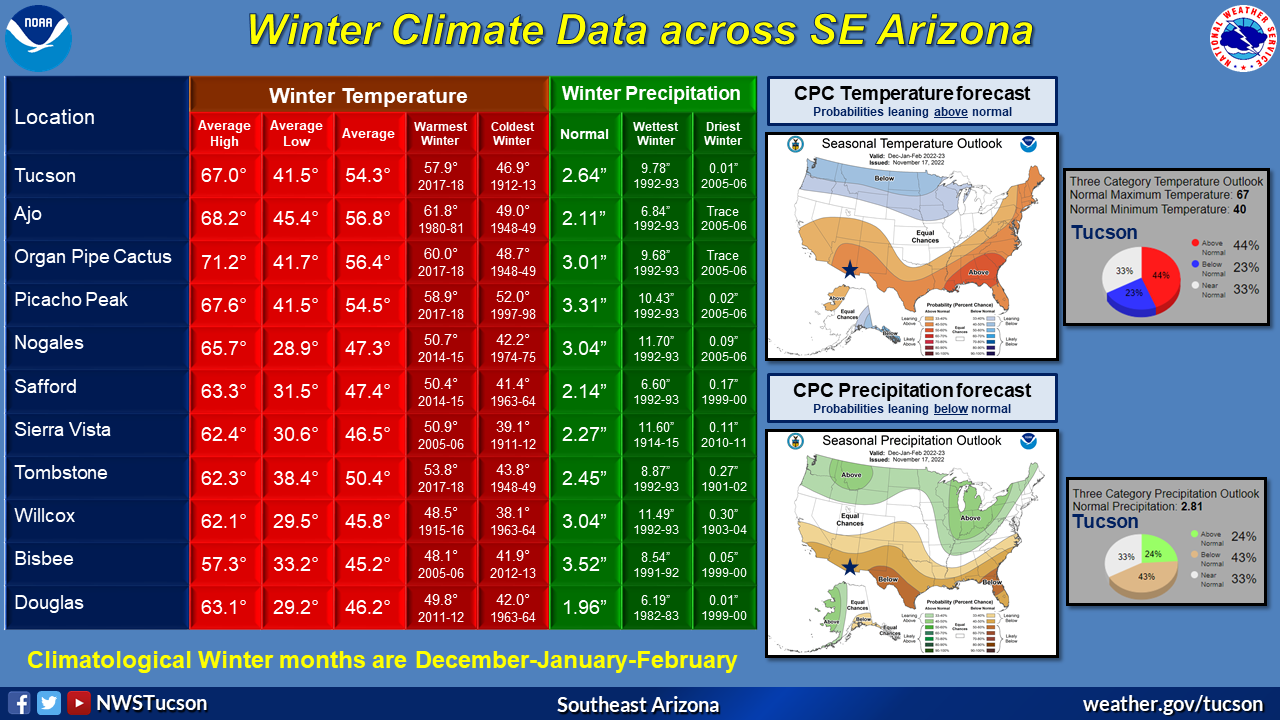
- Winter (December – February): This is often considered the peak season for visitors. Temperatures are mild and pleasant, typically ranging from the mid-60s to low 70s Fahrenheit (18-23°C) during the day, dropping to the 40s (4-9°C) at night. It’s ideal for outdoor activities and escaping colder climates elsewhere.
- Spring (March – May): The desert comes alive with vibrant blooms, particularly in March and April. Daytime temperatures climb into the 70s and 80s (24-32°C), with nights remaining comfortable in the 50s and 60s (10-18°C). It’s a beautiful time to visit, but the heat begins to assert itself towards late spring.
- Summer (June – August): Summers are hot, with daytime temperatures frequently exceeding 100°F (38°C). This is also the period for the dramatic monsoon season from late June through September, bringing intense, short-lived thunderstorms that offer a temporary reprieve from the heat and create stunning natural displays. Early mornings are crucial for outdoor exploration.
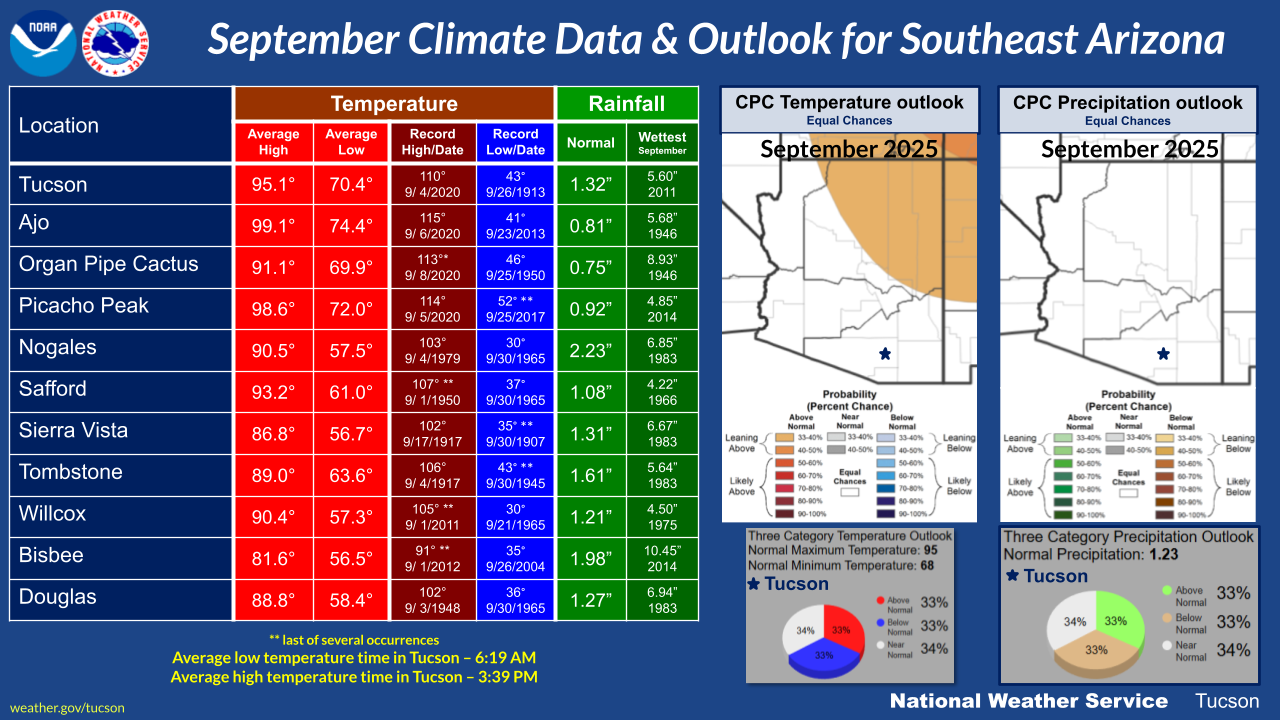
- Autumn (September – November): As the intense summer heat begins to subside, autumn brings warm, comfortable days in the 80s and 90s (27-37°C) initially, gradually cooling to the 70s (21-26°C) by November. Nights become pleasantly cool. It’s another excellent time to visit as the desert prepares for winter.
Planning Your Visit: Best Times to Experience Tucson
Understanding Tucson’s climate is crucial for choosing the ideal time for your visit. Each season offers a different kind of adventure and ambiance, requiring varying strategies for travelers.
Peak Season Travel: Embracing the Mild Winters
For many, the mild winters are the most inviting time to experience Tucson. From December through February, the days are typically sunny and comfortably warm, perfect for a wide array of outdoor activities. This is when the desert truly becomes an accessible playground. Visitors flock to Tucson for hiking in the national parks, biking along scenic trails, or simply enjoying al fresco dining. The pleasant weather also makes it an ideal time for numerous outdoor festivals, art shows, and sporting events, drawing crowds and creating a vibrant, bustling atmosphere throughout the city. Reservations for accommodations and popular attractions are highly recommended during these months.
Spring Blooms and Festivals
Spring in Tucson, particularly March and April, is a spectacle of nature. The desert floor bursts into a kaleidoscope of wildflowers, and the cacti begin to bloom, painting the landscape with unexpected splashes of color. While temperatures start to climb, they remain largely comfortable for exploration. This season is perfect for nature photography, scenic drives, and exploring the botanical gardens. Spring also hosts several cultural events and celebrations, making it a lively time to experience Tucson’s artistic and community spirit before the intense summer heat arrives.
Summer Strategies: Navigating the Heat
Summers in Tucson are undeniably hot, but for the prepared traveler, they offer unique experiences. The key to enjoying Tucson in summer is to adapt your schedule. Early mornings are prime time for outdoor activities, allowing you to enjoy cooler temperatures before the sun becomes too intense. Afternoons can be spent exploring Tucson’s excellent indoor attractions, such as its museums, galleries, or seeking refuge at a resort pool.
The monsoon season, which typically runs from late June through September, transforms the desert landscape with dramatic thunderstorms. These daily afternoon or evening downpours bring incredible lightning displays, flash floods, and a temporary drop in temperature, creating a refreshing atmosphere and feeding the desert ecosystem. Witnessing a monsoon storm can be a truly unforgettable experience, adding a raw, powerful beauty to your summer visit.
Fall Foliage (or lack thereof) and Comfortable Exploration
While Tucson doesn’t boast traditional fall foliage like other regions, autumn still offers a wonderfully comfortable period for travel. As the summer heat fades, particularly from October onwards, the days become pleasantly warm, and nights are crisp and cool. This season provides a fantastic balance, allowing for extended outdoor activities without the intensity of summer or the peak season crowds of winter. It’s an excellent time for scenic drives, desert explorations, and enjoying Tucson’s outdoor dining scene as the weather becomes increasingly agreeable.
Essential Packing and Preparation for Tucson’s Climate
Regardless of when you visit Tucson, being well-prepared for its unique desert climate is paramount to a comfortable and enjoyable travel experience. Thoughtful packing can make all the difference.
Layering for Desert Extremes
Given the significant temperature fluctuations between day and night in the desert, layering is perhaps the most crucial packing strategy. Even if the daytime forecast predicts scorching heat, evenings can be surprisingly cool, especially during the winter and shoulder seasons. Pack lightweight, breathable fabrics like cotton or linen for daytime comfort. Include a light jacket, a sweater, or a fleece for evenings and early mornings. In winter, a warmer jacket will be necessary for nighttime outings. This approach ensures you’re prepared for any temperature shift throughout your day.
Sun Protection is Paramount
The Sonoran Desert boasts an average of 350 days of sunshine a year, making sun protection non-negotiable for all visitors. Regardless of the season, UV radiation can be intense. Essential items include:
- High SPF sunscreen: Apply liberally and reapply frequently, especially if sweating or swimming.
- Wide-brimmed hat: To protect your face, ears, and neck.
- Sunglasses: To shield your eyes from glare and UV rays.
- Protective clothing: Lightweight, long-sleeved shirts and pants, especially if planning extensive outdoor activities, can offer significant protection from the sun.
Hydration, Hydration, Hydration
The dry desert air means you can dehydrate quickly, often without realizing it. Staying hydrated is critical, particularly if you’re engaging in any physical activity.
- Carry a reusable water bottle: And refill it often. Tap water in Tucson is safe to drink.
- Drink more water than you think you need: Don’t wait until you feel thirsty; sip water consistently throughout the day.
- Consider electrolyte supplements: Especially if you’ll be exerting yourself in the heat. Avoid excessive alcohol and sugary drinks, as they can contribute to dehydration.
Footwear for Every Terrain
Your choice of footwear will depend heavily on your planned activities.
- Sturdy hiking shoes or boots: Essential if you plan to explore the national parks or engage in significant hiking on rugged trails.
- Comfortable walking shoes: For exploring downtown Tucson, museums, and less strenuous walks.
- Sandals or open-toed shoes: Can be comfortable for casual wear, but may not be suitable for all outdoor excursions due to thorns and rough terrain.
Activities and Attractions Influenced by Temperature
Tucson’s diverse range of attractions caters to all interests, but the local temperature often dictates when and how you should experience them. Planning around the weather ensures maximum enjoyment.
Outdoor Adventures (When the Weather is Right)
Tucson is a paradise for outdoor enthusiasts, offering unparalleled opportunities to connect with the Sonoran Desert landscape. These activities are best enjoyed during the milder winter and spring months, or during the early mornings in summer and fall.
- Saguaro National Park: Divided into two districts (east and west), this park protects forests of the majestic saguaro cactus. Hiking, scenic drives, and wildlife viewing are prime activities.
- Sabino Canyon Recreation Area: Explore lush desert riparian areas, complete with streams and waterfalls, via tram tours or hiking trails. The cooler canyon microclimate can be a welcome escape.
- Catalina State Park: Located at the base of the Santa Catalina Mountains, this park offers extensive hiking and biking trails, birdwatching, and camping, often with slightly cooler temperatures due to its elevation.
- Mount Lemmon Scenic Byway: A remarkable drive that ascends over 6,000 feet, taking you from the desert floor to pine forests reminiscent of Canada. The significant elevation change means considerably cooler temperatures, making it a popular escape from summer heat.

Indoor Escapes (When It’s Hot or Raining)
When the desert heat is intense or a monsoon storm rolls in, Tucson offers a wealth of indoor attractions that provide both entertainment and a comfortable refuge.
- Arizona-Sonora Desert Museum: While much of this world-renowned institution is outdoors, it features excellent indoor exhibits focusing on regional geology, natural history, and art, offering a fascinating blend of zoo, botanical garden, and museum.
- Pima Air & Space Museum: One of the largest non-government funded aerospace museums in the world, with multiple indoor hangars showcasing an impressive collection of aircraft.
- Mission San Xavier del Bac: Known as the “White Dove of the Desert,” this historic 18th-century mission features stunning Spanish colonial architecture and intricate artwork, providing a spiritual and culturally rich indoor experience.
- Tucson Museum of Art: Explore diverse collections ranging from pre-Columbian artifacts to modern and contemporary art in a beautiful downtown setting.
- University of Arizona Museums: The university campus hosts several excellent museums, including the Arizona State Museum (focusing on Southwestern cultures) and the Flandrau Science Center & Planetarium, perfect for an educational and air-conditioned afternoon.
Understanding the current temperature in Tucson, Arizona goes beyond a simple number; it opens the door to appreciating the rhythms of a unique desert environment. By considering the seasonal variations, daily temperature swings, and adapting your itinerary and packing accordingly, you can ensure your travel experience in this remarkable destination is as rich, comfortable, and memorable as the Sonoran Desert itself. Always check the local forecast before your trip and during your stay, but be prepared to embrace the dynamic and beautiful character of Tucson’s climate.
LifeOutOfTheBox is a participant in the Amazon Services LLC Associates Program, an affiliate advertising program designed to provide a means for sites to earn advertising fees by advertising and linking to Amazon.com. Amazon, the Amazon logo, AmazonSupply, and the AmazonSupply logo are trademarks of Amazon.com, Inc. or its affiliates. As an Amazon Associate we earn affiliate commissions from qualifying purchases.