
For any traveler embarking on an adventure to the Sunshine State, understanding “what is the current time in Florida?” is more than just a matter of curiosity; it’s a crucial piece of information that underpins every aspect of a well-planned trip. From coordinating flight arrivals and hotel check-ins to maximizing precious hours at world-famous attractions and enjoying the vibrant local lifestyle, time awareness is paramount. Florida, a sprawling peninsula renowned for its diverse landscapes, thrilling theme parks, pristine beaches, and rich cultural tapestry, operates across two distinct time zones. This seemingly simple fact can significantly impact your travel logistics, daily itinerary, and overall experience.
This guide delves into the nuances of Florida’s time zones, offering insights not just into the clock but also into how time shapes the rhythm of travel, tourism, and accommodation across this beloved destination. Whether you’re planning a family trip to Orlando’s magical resorts, a luxurious escape to Miami‘s vibrant South Beach, or a serene getaway to the Florida Keys, being in sync with local time is your first step towards a seamless and unforgettable journey.
Navigating Florida’s Time Zones: A Traveler’s Essential Guide
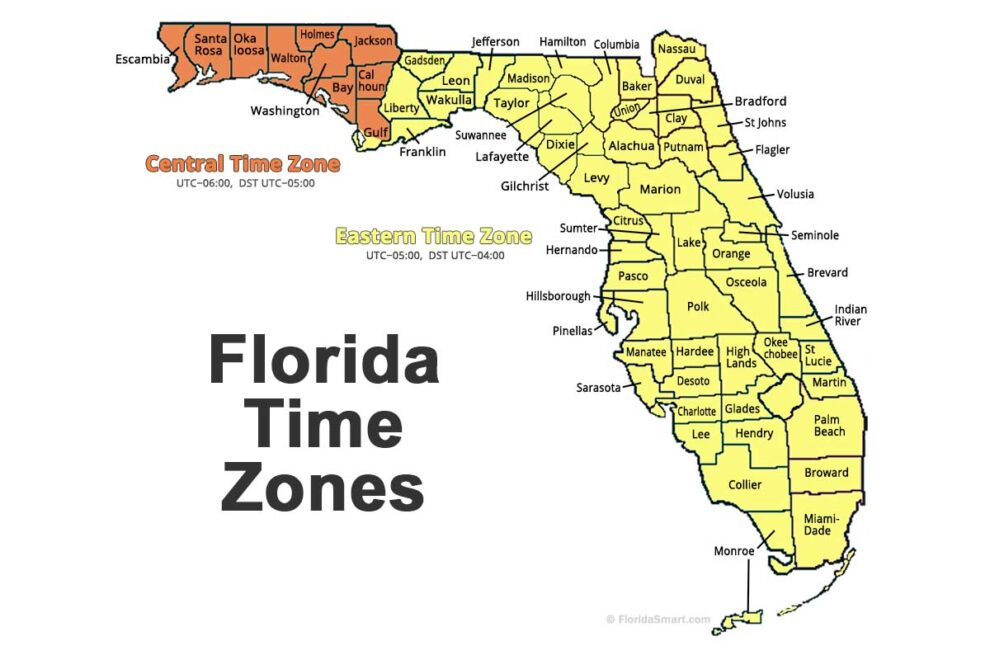
Understanding Florida’s time zones is fundamental for any visitor. While the majority of the state observes one time zone, a significant portion, particularly the lesser-traveled western Florida Panhandle, operates on another. This distinction is critical for everything from catching a connecting flight to arriving promptly for a guided tour.
Understanding Eastern vs. Central Time
Most of Florida falls within the Eastern Time Zone (ET), which is typically GMT-5 during standard time and GMT-4 during Daylight Saving Time. This includes major metropolitan areas and popular tourist hubs such as Miami, Orlando, Tampa, Jacksonville, Fort Lauderdale, Key West, and St. Augustine. If you’re visiting theme parks, enjoying the Atlantic Coast beaches, or exploring the Florida Keys, you’ll almost certainly be operating on Eastern Time. This time zone aligns with major East Coast cities like New York, Georgia, and South Carolina, simplifying coordination for travelers arriving from these regions.
However, the western part of the Florida Panhandle observes the Central Time Zone (CT), which is GMT-6 during standard time and GMT-5 during Daylight Saving Time. This includes cities like Pensacola, Fort Walton Beach, and Panama City. The dividing line generally follows the Apalahicola River and continues south, near Port St. Joe. Travelers venturing into this region, often drawn by its stunning Gulf Coast beaches along the Gulf of Mexico or its proximity to Alabama, must remember that they will be an hour behind the rest of Florida.
Both time zones participate in Daylight Saving Time, typically shifting forward by an hour in early March and back an hour in early November. This means that while the one-hour difference between ET and CT remains constant, the absolute offset from GMT changes seasonally. Always confirm the current local time upon arrival or when planning to cross time zone boundaries within the state.
Why Time Zones Matter for Your Florida Itinerary
The seemingly minor detail of time zones can have significant repercussions for your travel plans. For instance, a flight arriving in Pensacola from Miami will experience a change in local time, which could affect connecting flights, ground transportation arrangements, or scheduled pick-ups. Similarly, if you’re driving from Jacksonville to Tallahassee and then further west to Destin, you’ll cross into a different time zone.
- Flights and Transportation: Mismatched time zone awareness can lead to missed flights, bus departures, or train connections. Always double-check departure and arrival times in the local time zone of each city.
- Hotel Check-in/Check-out: Hotels operate strictly by local time. Arriving an hour early or late for check-in due to time zone confusion can either leave you waiting or, worse, result in your reservation being marked as a no-show. Conversely, miscalculating check-out time could incur additional fees.
- Activity Bookings: Most tours, theme park entries, restaurant reservations, and other activities are time-sensitive. Missing a pre-booked Kennedy Space Center Visitor Complex tour or a fishing charter departure because of an hour’s discrepancy can be frustrating and costly.
- Communication: Coordinating with travel companions, family, or business contacts in different parts of Florida or back home requires careful attention to time zone differences to avoid late-night calls or missed meetings.
- Jet Lag: While the time difference within Florida is minimal, international travelers coming from distant time zones will experience jet lag. Knowing the local time helps you plan your arrival and initial activities to ease into the new rhythm, perhaps by booking a late afternoon flight so you can settle into your accommodation before resting.
Timing Your Florida Adventure: From Sunrise to Sunset
Beyond the logistical considerations of time zones, understanding the typical daily rhythm in Florida is key to crafting an enjoyable and efficient itinerary. From the bustling theme parks to serene natural parks and vibrant dining scenes, the clock dictates much of the visitor’s experience.
Maximizing Your Day: Attractions and Experiences
Florida is home to some of the world’s most iconic attractions, and managing your time effectively is crucial for making the most of them. Theme parks like Walt Disney World Resort (including Magic Kingdom, Epcot, Hollywood Studios, and Animal Kingdom) and Universal Orlando Resort (home to Universal Studios Florida and Islands of Adventure, featuring The Wizarding World of Harry Potter) often open early and close late. Arriving at park opening (known as “rope drop”) is a time-honored strategy to experience popular rides with minimal wait times. Similarly, staying until closing allows for evening shows, fireworks, and a different park ambiance.
Beyond Orlando, attractions like Busch Gardens Tampa Bay in Tampa, SeaWorld Orlando, and the Kennedy Space Center Visitor Complex also have specific operating hours that must be factored into your daily plan. For nature enthusiasts, visiting Everglades National Park is often best in the cooler morning or late afternoon hours when wildlife is more active and the sun is less intense. Many airboat tours or ranger-led programs also have fixed schedules.

Even beach days benefit from strategic timing. Arriving at popular spots like Clearwater Beach or Siesta Key Beach earlier in the morning helps secure prime parking and less crowded spots. Sunset on the Gulf Coast is a daily spectacle, drawing crowds to witness the vibrant display, and many beachfront restaurants capitalize on this timing with special dinner services. In Miami, the nightlife on South Beach doesn’t truly begin until late in the evening, extending well into the early hours of the morning, offering a completely different “time” experience.
Culinary Delights and Local Culture: Dining by the Clock
Food is an integral part of any travel experience, and Florida’s diverse culinary scene caters to all tastes and schedules. From casual breakfast spots to upscale dinner restaurants, knowing the local dining hours is essential.
Breakfast typically runs from 7:00 AM to 11:00 AM, with many hotels offering convenient options. Lunch hours usually span from 11:30 AM to 2:00 PM or 2:30 PM, after which many establishments may switch to a limited bar menu or close until dinner. Dinner service commonly begins around 5:00 PM or 5:30 PM, with peak dining hours between 7:00 PM and 9:00 PM, especially in tourist areas and cities like Miami, Fort Lauderdale, Naples, and Boca Raton.
Beyond standard meal times, “happy hour” specials are a popular feature across Florida, often running from 4:00 PM to 6:00 PM or 7:00 PM. These provide an excellent opportunity to sample local fare and beverages at reduced prices. Exploring specific cultural enclaves, such as Little Havana in Miami, offers a chance to enjoy authentic Cuban coffee at a ventanita (walk-up window) early in the morning or savor a late-night meal at a bustling paladar. Many local markets, like those in St. Augustine or Gainesville, operate on specific days and hours, offering fresh produce and artisanal goods best explored at leisure.
Accommodation & Lifestyle: Ensuring a Seamless Stay
The time of day doesn’t just dictate your activities; it profoundly influences your accommodation experience and how you immerse yourself in the Florida lifestyle. A well-timed arrival and understanding the rhythm of your chosen lodging can enhance your entire stay.
Hotel Check-ins, Amenities, and Service Hours
Arriving at your hotel at the correct local time is crucial. Standard check-in is typically in the afternoon (e.g., 3:00 PM or 4:00 PM), and check-out is in the late morning (e.g., 11:00 AM or 12:00 PM). If you’re arriving significantly earlier or later, it’s wise to communicate with your accommodation in advance. Many hotels, from budget-friendly options to luxury travel resorts like The Breakers Palm Beach, the Fontainebleau Miami Beach, the Ritz-Carlton Orlando, or the Four Seasons Resort Orlando at Walt Disney World Resort, offer luggage storage if your room isn’t ready. Knowing the time also helps you plan your use of amenities. Pools, spas, fitness centers, and kids’ clubs at resorts like Margaritaville Resort Orlando or historic hotels like The Don CeSar on St. Pete Beach often have specific operating hours. Dining options within hotels also adhere to set schedules for breakfast, lunch, and dinner, with room service often available during extended periods. For those on business stays, awareness of local time for hotel services is essential for scheduling meetings and accessing business centers.
The Rhythm of Florida Life: Beyond the Clock
Beyond strict schedules, the “time” of day in Florida influences the overall vibe and available experiences. Early mornings offer a tranquil start, perfect for sunrise yoga on Amelia Island, a quiet walk along the Atlantic Ocean coastline, or an early round of golf. The afternoon often brings the peak heat, encouraging visitors to seek solace in air-conditioned attractions, shaded pools, or perhaps an afternoon siesta. As the day cools, late afternoons are ideal for exploring historic districts like St. George Street in St. Augustine or enjoying a scenic sunset cruise off the coast of Key West or Islamorada.
Evenings transform Florida into a hub for entertainment, from theme park fireworks and concerts in Orlando to lively clubs in Miami and casual beachfront strolls in Delray Beach. The timing of special events, such as annual festivals in Daytona Beach, art walks in various cities showcasing Vizcaya Museum & Gardens or Ringling Museum, or even stargazing opportunities in natural dark sky locations like Dry Tortugas National Park, also dictates when and how you engage with the local culture and attractions. Visiting landmarks like Castillo de San Marcos or the Dali Museum requires checking their specific opening and closing hours, which can vary by season. This constant shift in atmosphere throughout the day is what defines the diverse lifestyle experiences Florida offers, catering to various travel styles, whether it’s luxury travel, budget travel, or family trips.
Planning Ahead: Tools and Tips for Time Management
Effective time management is the cornerstone of any successful trip to Florida. A little foresight and the use of modern tools can save you from potential headaches and help you savor every moment.
- Utilize Technology: Your smartphone is your best friend. Modern phones automatically update to the local time zone when you travel. However, always double-check. World clock apps are invaluable for seeing multiple time zones at a glance, especially when coordinating with people back home or in different parts of Florida. Set alarms for critical events like flight departures, restaurant reservations, or park opening times.
- Confirm All Reservations in Local Time: When booking anything from rental cars to dinner cruises, ensure you understand the specified time zone for your reservation. A 7:00 PM reservation in Pensacola is an hour earlier than 7:00 PM in Orlando. Print out or digitally save all confirmations, paying close attention to time details.
- Minimize Jet Lag: For travelers arriving from significantly different time zones (e.g., Europe or the Caribbean), gradually adjusting your sleep schedule a few days before departure can help. Upon arrival, try to quickly adapt to local time by exposing yourself to daylight and avoiding long naps. Hydration is also key.
- Build in Buffer Time: It’s always wise to add extra time to your travel itinerary, especially between activities or when transitioning between different locations. Traffic in major cities like Miami or Orlando can be unpredictable, and unforeseen delays can disrupt a tightly packed schedule. A little buffer time reduces stress and allows for spontaneous detours.
- Consult Local Sources: Once in Florida, check local news or weather apps that display the current local time. Hotel staff, tour guides, and even restaurant hosts can confirm the correct time if you’re ever in doubt.
Conclusion
The question “What is the current time in Florida?” is more profound than a simple hourly query. It’s a gateway to understanding the intricate dynamics of planning, experiencing, and truly immersing oneself in the diverse offerings of the Sunshine State. By recognizing Florida’s dual time zones and appreciating how local time dictates everything from transportation logistics and accommodation services to attraction hours and cultural activities, travelers can unlock a richer, more harmonious journey.
Whether you’re marveling at the history of St. Augustine, reveling in the magic of Walt Disney World Resort, or simply soaking up the sun on a Gulf Coast beach, being in sync with the clock ensures that every moment of your Florida adventure is maximized and enjoyed to its fullest. Plan wisely, set your watch correctly, and prepare to discover the timeless allure of Florida.
LifeOutOfTheBox is a participant in the Amazon Services LLC Associates Program, an affiliate advertising program designed to provide a means for sites to earn advertising fees by advertising and linking to Amazon.com. Amazon, the Amazon logo, AmazonSupply, and the AmazonSupply logo are trademarks of Amazon.com, Inc. or its affiliates. As an Amazon Associate we earn affiliate commissions from qualifying purchases.