
For any traveler embarking on an adventure to the vast and diverse landscapes of South Dakota, understanding the local time is far more than a mere triviality; it’s a foundational element for seamless itinerary planning, efficient logistics, and ultimately, a more enjoyable and stress-free journey. South Dakota, uniquely bisected by a time zone boundary, presents a distinctive challenge and opportunity for visitors. Knowing which time zone applies to your specific destination within the state can mean the difference between making a crucial tour departure, missing a flight, or enjoying a leisurely dinner reservation. This guide delves into the nuances of South Dakota’s time zones and offers insights on how to leverage this knowledge for an unparalleled travel experience.
Deciphering South Dakota’s Dual Time Zones for Travelers
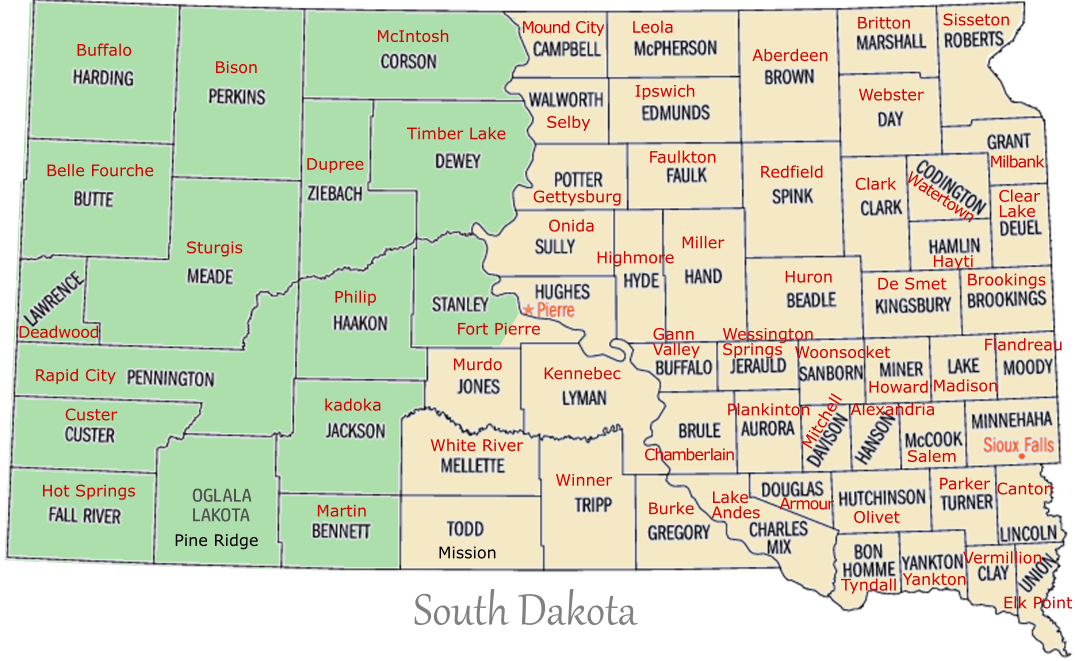
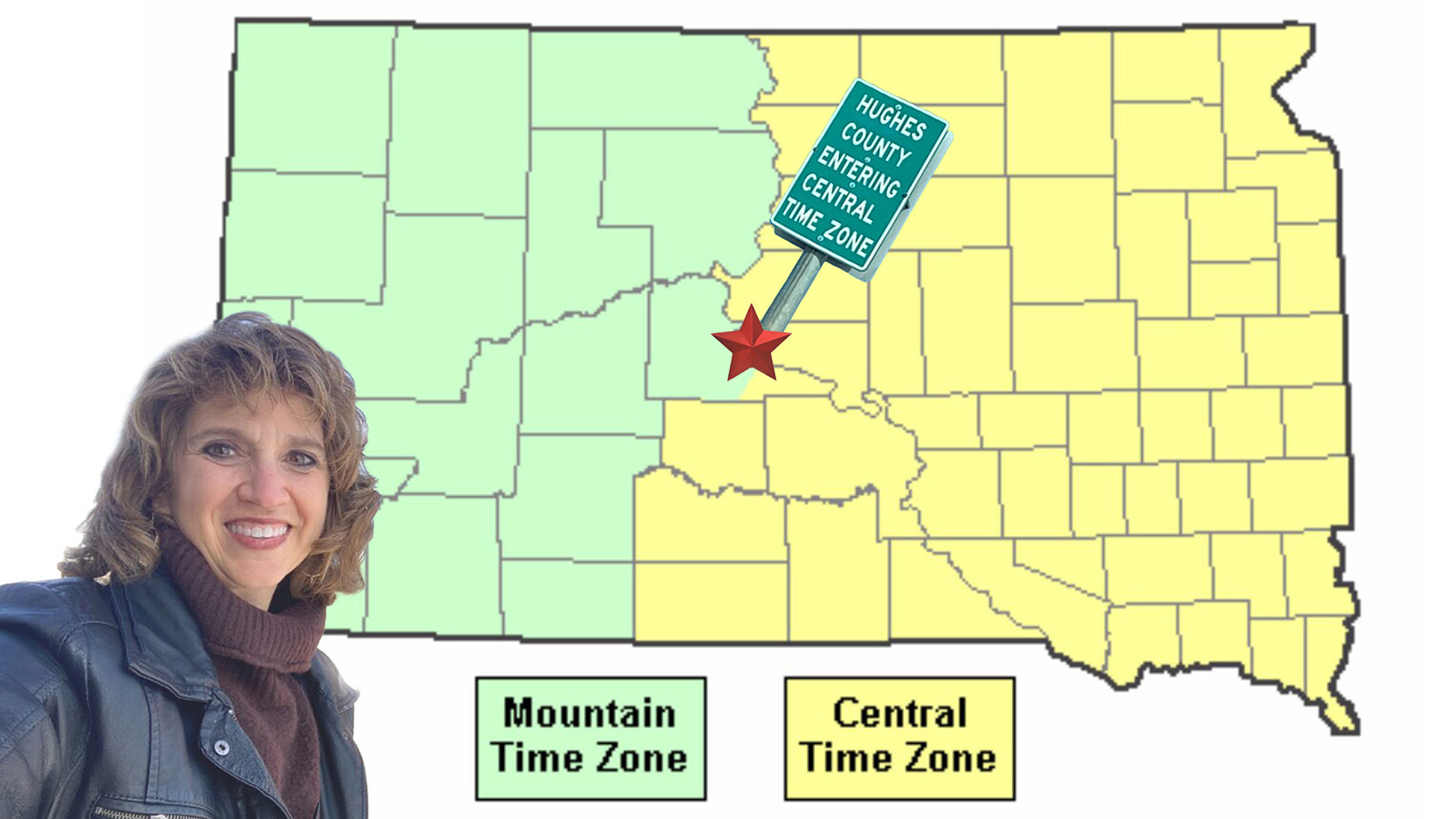
South Dakota is one of the few states in the U.S. that observes two distinct time zones, a geographical quirk that profoundly impacts travel planning. The delineation generally follows the Missouri River, creating a clear division that travelers must be acutely aware of.
The Mountain Time Zone Explained
The western half of South Dakota operates on Mountain Time (MT). This region is home to many of the state’s most iconic natural and historical attractions, drawing millions of visitors annually. Major cities and attractions falling within this zone include Rapid City, the gateway to the Black Hills, and its surrounding treasures such as Mount Rushmore National Memorial, the Crazy Horse Memorial, Custer State Park, and Badlands National Park. When planning activities in these areas, all times listed for tours, park hours, dining reservations, and events will adhere to Mountain Time. This means coordinating schedules, especially if arriving from a different time zone, requires careful attention to avoid confusion. A flight arriving at Rapid City Regional Airport, for instance, will operate on MT, as will any hotel check-ins or activity bookings in the western half of the state.
The Central Time Zone Explained
Conversely, the eastern portion of South Dakota observes Central Time (CT). This more populated side of the state includes the capital city of Pierre and the state’s largest city, Sioux Falls. Travelers exploring the eastern plains, the vibrant urban centers, or the numerous state parks and recreational areas along the eastern Missouri River will need to adjust their clocks to Central Time. If your travel itinerary involves flying into Sioux Falls Regional Airport, attending a business meeting in Pierre, or experiencing the cultural offerings of Sioux Falls, all scheduled events will be based on CT.
The Daylight Saving Time Factor
Adding another layer of complexity, South Dakota, like most of the United States, observes Daylight Saving Time. From early March to early November, clocks are moved forward by one hour. This means that Mountain Time becomes Mountain Daylight Time (MDT) and Central Time becomes Central Daylight Time (CDT). Travelers should always verify whether their travel dates fall within or outside of Daylight Saving Time to ensure their understanding of the local time is accurate. Most modern smartphones and digital devices automatically adjust, but for paper itineraries or face-to-face interactions, a quick double-check can prevent missteps.
Strategic Planning: Time Zones and Your Itinerary
The dual time zones in South Dakota are not just a geographical fact; they are a critical component of effective travel planning. Ignoring them can lead to missed connections, forfeited reservations, and unnecessary stress.
Optimizing Arrival and Departure
Consider a scenario where you fly into Sioux Falls (CT) and plan to immediately drive to Badlands National Park (MT). There’s a one-hour time difference to account for. If your flight lands at 3:00 PM CT, by the time you’ve picked up your rental car and started driving west, you’ll effectively be losing an hour as you cross into Mountain Time. What was 5:00 PM CT suddenly becomes 4:00 PM MT. While this can sometimes feel like gaining an hour on paper, it shortens your available daylight hours for exploration if you’re heading west in the afternoon. Conversely, driving from the Black Hills region to Sioux Falls for an evening flight means “losing” an hour, so a 6:00 PM MT departure time needs to be accounted for as a 7:00 PM CT flight departure. Factor in travel time between destinations, and the importance of this calculation becomes paramount for on-time arrivals.
Seamless Attraction Visits
Many of South Dakota’s premier attractions, particularly the national parks and monuments, have strict operating hours, especially during peak season or for special tours. Whether it’s the opening hours of the visitor center at Mount Rushmore National Memorial, the schedule for ranger-led programs in Badlands National Park, or the last entry for the Crazy Horse Memorial laser show, all these times will be listed in the local time zone of the attraction. A common mistake travelers make is assuming a consistent time across the state, leading to arriving late for a booked tour or finding a site closed earlier than anticipated. Always confirm the time zone for the specific attraction you plan to visit.
Dining and Event Coordination
Reservations for dining, tickets for local performances, or even simply understanding when businesses close for the day are all dictated by local time. In Deadwood, a town steeped in history and known for its vibrant nightlife, restaurant closing times and casino hours will operate on Mountain Time. Similarly, a concert or sporting event in Sioux Falls will be scheduled in Central Time. For those traveling across the state for a single day, or even a multi-day journey with frequent time zone changes, a mental or physical note of the current local time is a wise habit to adopt.
Navigating South Dakota’s Regions: Time-Sensitive Exploration
To truly appreciate South Dakota’s diverse offerings, consider how the time zones influence the rhythm of life in different parts of the state.
Western South Dakota: Where Every Minute Counts
The western half, primarily on Mountain Time, is characterized by its dramatic natural beauty and a focus on outdoor adventure. Early mornings are often best for wildlife viewing in Custer State Park or avoiding the heat and crowds at Badlands National Park. Understanding that an 8:00 AM start in Rapid City is earlier in relation to Central Time can help travelers from the east adjust more smoothly. The longer daylight hours during summer on Mountain Time also offer extended opportunities for scenic drives and evening programs at the memorials, allowing for more exploration before dusk. Attractions like the Wall Drug Store also adhere to local Mountain Time operating hours, which can be an important consideration when planning a cross-state drive.
Eastern South Dakota: Urban Adventures and Time Management
The eastern half, observing Central Time, has a slightly different pace, with more prominent urban centers and agricultural landscapes. Here, business hours, school schedules, and local community events will all align with Central Time. If your travels include meetings, visits to museums, or exploring the burgeoning craft brewery scene in Sioux Falls, being aware of the CT is essential. For those traveling from the west, the one-hour jump forward can mean a quicker transition to evening activities, so plan your arrival accordingly to maximize your time in this vibrant region.
Beyond the Clock: Enhancing Your South Dakota Travel Experience
While simply knowing the time is crucial, understanding its broader implications can significantly enhance your travel.
Communication Considerations
Staying connected with family, friends, or colleagues outside of South Dakota also requires time zone awareness. If you’re in Rapid City (MT) and calling someone on the East Coast (ET), there’s a two-hour difference. Similarly, if you’re in Sioux Falls (CT) and calling someone on the West Coast (PT), a two-hour difference also applies. Scheduling calls or virtual meetings requires careful calculation to avoid inconvenient timings for either party.
Health and Well-being
For longer trips or those involving multiple time zone shifts, travelers may experience mild jet lag, even within the same state. Adjusting your internal clock gradually, staying hydrated, and exposing yourself to natural light at appropriate times can help mitigate these effects. Be mindful that even a one-hour shift can subtly affect sleep patterns and energy levels, especially if you’re driving long distances.

Local Rhythm and Cultural Immersion
Ultimately, understanding the time zones in South Dakota allows travelers to synchronize with the local rhythm of life. It’s about more than just punctuality; it’s about respecting local customs, taking advantage of prime viewing times for wildlife, catching a sunrise or sunset at a designated spot, and fully immersing oneself in the experiences South Dakota has to offer. So, before you set off on your unforgettable journey through this remarkable state, a quick check of the local time zone for your specific destination will be an invaluable first step.
LifeOutOfTheBox is a participant in the Amazon Services LLC Associates Program, an affiliate advertising program designed to provide a means for sites to earn advertising fees by advertising and linking to Amazon.com. Amazon, the Amazon logo, AmazonSupply, and the AmazonSupply logo are trademarks of Amazon.com, Inc. or its affiliates. As an Amazon Associate we earn affiliate commissions from qualifying purchases.