
Florida, affectionately known as the Sunshine State, beckons travelers and residents alike with its pristine beaches, vibrant cities, and endless outdoor adventures. From the bustling streets of Miami to the magical theme parks of Orlando, and the historic charm of St. Augustine to the serene beauty of the Florida Keys, life in Florida often revolves around its beautiful, sunny climate. While the sun is undeniably one of Florida’s greatest assets, it also brings intense heat and harmful UV rays, making car window tinting a practical and popular choice for vehicle owners and long-term visitors.

Whether you’re cruising down scenic coastal highways, embarking on a family road trip to Walt Disney World Resort, or simply commuting through cities like Tampa or Jacksonville, the comfort and protection offered by tinted windows are invaluable. Tinting not only enhances privacy and reduces glare but also plays a crucial role in keeping vehicle interiors cooler and protecting occupants from the sun’s harsh rays. However, understanding the legal limits of window tinting in Florida is paramount. Exceeding these limits can lead to fines, inconvenience, and a less enjoyable travel or living experience. This comprehensive guide will delve into Florida’s specific window tint laws, explore the numerous benefits of legal tinting for your travel and lifestyle in the state, and offer practical advice for making informed choices.
Navigating Florida’s Window Tint Laws: A Traveler’s Guide
For anyone living in or visiting Florida and considering window tinting, knowing the law is the first step. Florida has specific regulations regarding the darkness and reflectivity of vehicle window tints, designed to ensure safety for drivers and law enforcement officials. These laws are codified under Florida Statute 316.2954. Adhering to these guidelines is not just about avoiding penalties; it’s about contributing to overall road safety and ensuring a smooth journey through the Sunshine State.
Understanding Visible Light Transmission (VLT)
The primary measure for window tint darkness is Visible Light Transmission (VLT). VLT refers to the percentage of visible light that passes through your car windows. A lower VLT percentage means darker tint, allowing less light to pass through. For example, a 70% VLT tint allows 70% of light through, while a 5% VLT tint (often referred to as “limo tint”) allows only 5% of light through, making it significantly darker. Florida tint laws specify different VLT percentages for various windows on a vehicle.
Specific Tint Percentages for Different Windows
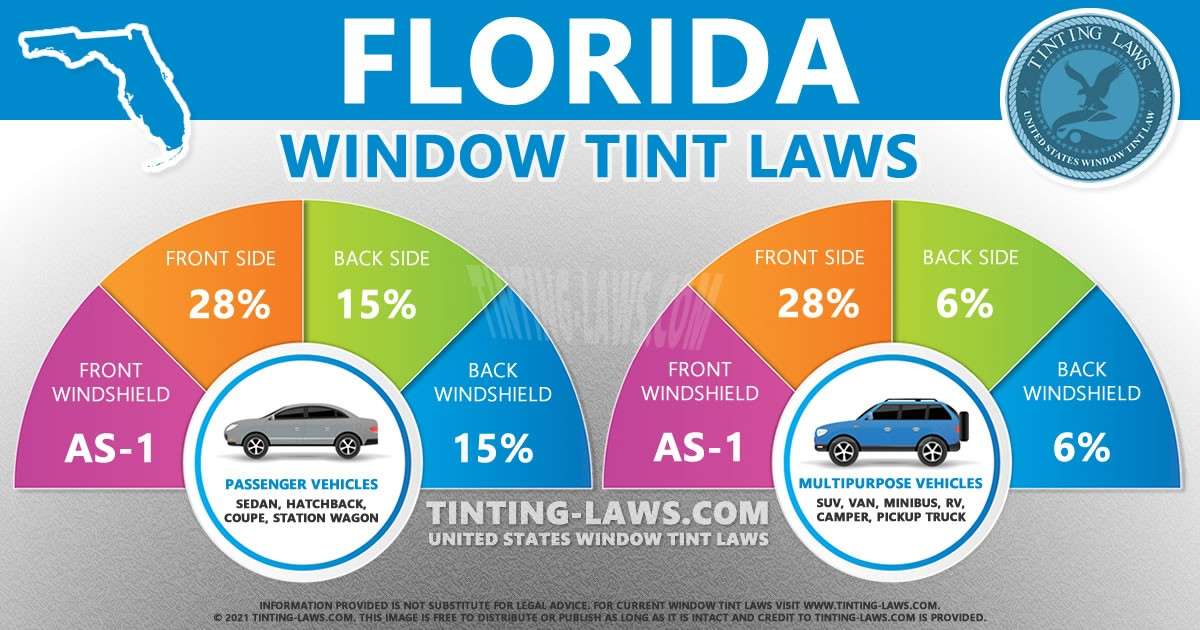
Florida’s tint laws are quite precise, differentiating between the front side windows, back side windows, and the rear window:
- Front Side Windows: These are the windows directly to the left and right of the driver. In Florida, these windows must allow more than 28% of visible light through. This means your front side windows cannot be darker than 28% VLT. The rationale behind this is to ensure that the driver has adequate visibility, especially at night, and that law enforcement officers can clearly see occupants inside the vehicle for safety reasons.
- Back Side Windows: These are the windows behind the front side windows, including those for rear passengers. For these windows, the law allows a darker tint: they must allow more than 15% of visible light through. This 15% VLT limit provides enhanced privacy and heat reduction for rear passengers, which is particularly beneficial for families traveling with children or for those on long journeys.
- Rear Window: The back window of the vehicle has the same VLT limit as the back side windows, meaning it must allow more than 15% of visible light through. This consistency simplifies compliance and ensures uniform privacy and sun protection across the rear of the vehicle.
- Windshield: The rules for the windshield are distinct. A non-reflective tint is allowed only above the manufacturer’s AS-1 line, which is typically about five to six inches from the top of the windshield. Below this line, the windshield must remain untinted, allowing full visibility.
- Reflectivity: In addition to darkness, Florida also regulates the reflectivity of window tints. The tint on your front side windows cannot be more than 20% reflective, and the tint on your back side windows and rear window cannot be more than 35% reflective. Highly reflective tints can create dangerous glare for other drivers and are therefore restricted.
Exemptions and Enforcement: What You Need to Know
While these laws apply to the vast majority of vehicles, Florida does provide for certain exemptions. Individuals with specific medical conditions that make them hypersensitive to light may apply for a medical exemption. This typically requires certification from a licensed physician, allowing for darker tint percentages than legally permitted. It’s crucial for those with an exemption to carry the official documentation with them whenever operating the vehicle.
Non-compliance with Florida’s tint laws can lead to consequences. If a law enforcement officer determines your tint is too dark or too reflective, you could receive a non-moving traffic infraction, which typically involves a fine. More importantly, it can lead to delays in your travel plans and the requirement to remove or replace the illegal tint, adding unexpected costs and hassle to your Florida experience. For visitors renting a car, it’s generally unlikely that a rental vehicle will come with aftermarket tint that violates state laws. However, if you purchase a vehicle in Florida or bring one from out of state, it’s your responsibility to ensure compliance.
The Unseen Benefits: Why Legal Tinting Enhances Your Florida Journey
Beyond mere compliance, understanding and utilizing legal window tinting offers a wealth of benefits that significantly enhance the quality of life and travel experiences in Florida. These advantages extend from personal comfort and health to vehicle longevity and security, aligning perfectly with the lifestyle and travel ethos of the Sunshine State.
Beating the Heat and Boosting Comfort
Florida’s subtropical climate means abundant sunshine and high temperatures for much of the year. During peak summer months, interior car temperatures can skyrocket, making for an uncomfortable start to any journey, especially after a visit to attractions in Orlando or spending a day at the beach in Fort Lauderdale. Legal window tinting acts as a powerful barrier against solar heat, significantly reducing the temperature inside your vehicle. This means:
- Immediate Comfort: Stepping into a car that hasn’t been baking in the sun is a small luxury that makes a big difference, whether you’re heading to a resort in Palm Beach or driving across South Florida.
- Reduced AC Strain: With less heat penetration, your air conditioning system doesn’t have to work as hard, leading to better fuel efficiency and less wear and tear on your vehicle’s engine. This is a practical consideration for budget-conscious travelers and environmentally aware residents.
- Enhanced Travel Experience: For families on road trips to places like Universal Studios Florida or the Kennedy Space Center Visitor Complex, cooler interiors mean happier passengers, fewer complaints, and a more relaxed atmosphere.
UV Protection: Safeguarding Occupants and Interiors
The sun’s ultraviolet (UV) rays are notoriously harmful, capable of causing skin damage, accelerating skin aging, and increasing the risk of skin cancer. While car windows block some UV radiation, legal window tints are specifically designed to block a much higher percentage – often 99% or more – of both UVA and UVB rays. This is a critical health benefit for anyone spending considerable time in a vehicle in Florida.
Moreover, UV rays are equally damaging to vehicle interiors. Over time, prolonged sun exposure can cause dashboards to crack, upholstery to fade and degrade, and leather seats to dry out and stiffen. For those who own luxury vehicles or plan extended stays, protecting your car’s interior with legal tinting is a smart investment. It helps maintain the aesthetic appeal and resale value of the vehicle, whether it’s parked outside a charming boutique hotel in Sarasota or a beachfront villa in Naples.
Enhancing Privacy and Security on the Road
Tinted windows offer a layer of privacy that can be particularly valuable for travelers and residents alike. Whether you’re navigating the busy streets of Miami or enjoying a scenic drive through the Everglades National Park, tints make it harder for prying eyes to see into your vehicle. This added privacy can be a deterrent for opportunistic thieves, making your belongings less visible and therefore less enticing.
For tourists, this means a greater sense of security when parking your rental car at attractions, restaurants, or your accommodation, knowing that your luggage, cameras, or other valuables are less exposed. For residents, it simply adds peace of mind to daily commutes and errands. This sense of security contributes to a more relaxed and enjoyable travel lifestyle, allowing you to focus on the beauty and excitement of your Florida adventure.
Glare Reduction and Road Safety
Driving under the intense Florida sun, especially during sunrise or sunset, or when driving near reflective surfaces like the Atlantic Ocean or Gulf of Mexico, can lead to debilitating glare. This glare can significantly reduce visibility, increase eye strain, and even momentarily blind a driver, posing a serious safety risk.
Legal window tinting effectively reduces glare, making driving conditions more comfortable and safer. By cutting down on the amount of harsh light entering the vehicle, tints help maintain clear visibility of the road, traffic, and surroundings. This is especially beneficial on long drives, contributing to driver alertness and reducing fatigue, making your journey across Florida much more pleasant and secure.
Choosing the Right Tint for Your Florida Lifestyle: Practical Considerations
Deciding on the right window tint for your vehicle in Florida involves more than just knowing the legal limits; it also means considering the type of film, the quality of installation, and how it aligns with your personal preferences and lifestyle.
Different Types of Tint Films: An Overview
Modern window tinting films come in various types, each offering different levels of performance, durability, and cost:
- Dyed Film: This is the most economical option, offering basic heat reduction and privacy. However, it can fade over time and doesn’t offer superior UV protection compared to other types.
- Metalized Film: These films contain tiny metallic particles that reflect heat and UV rays. They offer good heat rejection and durability but can sometimes interfere with electronic signals (GPS, cell phones, radio) within the car.
- Carbon Film: Carbon tint films incorporate carbon particles that block out heat and UV rays without the metallic interference. They provide a matte finish, excellent durability, and superior heat rejection.
- Ceramic Film: Considered the premium option, ceramic films are non-metallic and contain ceramic particles that are highly effective at blocking heat and UV rays without interfering with electronics. They are extremely durable, resistant to fading, and offer excellent optical clarity, making them an ideal choice for the demanding Florida climate. For those seeking the ultimate in comfort and protection for their Florida travels, ceramic tint is often the go-to.
When choosing, consider your priorities: is it primarily cost, heat rejection, UV protection, durability, or maintaining clear signal reception? For the intense sun of Florida, investing in higher-quality films like carbon or ceramic can yield significant long-term benefits in comfort and protection.
Professional Installation and Rental Car Nuances
For the best results and to ensure compliance with Florida’s laws, professional installation of window tinting is highly recommended. A reputable tint shop will have the expertise to apply the film without bubbles or creases, ensure precise cuts, and, crucially, measure the VLT percentage to guarantee it falls within legal limits. They can also advise on the best type of film for your needs and budget, offering warranties on both the film and the installation. Attempting a DIY tint job often leads to poor results, potential legal issues, and ultimately, wasted money.
When it comes to rental cars, it’s important to note that most rental agencies provide vehicles with standard factory-tinted windows, which are typically very light and always within legal limits. Aftermarket tinting is generally not permitted on rental vehicles. If you are planning an extended stay or frequently visit Florida and wish to have a vehicle with darker tint, purchasing a used car with pre-existing legal tint, or buying a car and having it professionally tinted, would be the appropriate approach. Always verify the tint’s legality if buying a used vehicle in Florida that already has tinted windows.

Beyond Tint: Maximizing Your Florida Road Trip Experience
While legal window tinting significantly enhances comfort and safety for your vehicle in Florida, it’s just one component of a well-prepared journey. To truly maximize your travel and lifestyle experiences in the Sunshine State, consider these additional tips:
- Plan Your Routes: Florida offers diverse landscapes. Plan your road trips to include scenic drives, whether it’s exploring the Gulf Coast or venturing along the Atlantic Ocean coastline. Use reliable GPS or navigation apps to avoid traffic and find interesting stops.
- Stay Hydrated: The Florida heat can be dehydrating, even inside a cool car. Always carry plenty of water for all passengers.
- Pack Essentials: Beyond your typical travel gear, consider bringing sunscreen, hats, sunglasses (even with tinted windows, they’re useful when outside the car), and insect repellent, especially if you plan to explore natural areas or take evening strolls.
- Emergency Preparedness: Have an emergency kit in your vehicle, including basic first aid, jumper cables, a flashlight, and a portable phone charger. While Florida is well-developed, breakdowns can happen anywhere.
- Know Local Driving Etiquette: Florida drivers can be a mix of tourists and residents. Be patient, defensive, and aware of your surroundings, especially in high-traffic tourist areas.
In conclusion, understanding “What is the darkest legal tint in Florida?” is more than just knowing a number; it’s about making an informed decision that enhances your safety, comfort, and the overall enjoyment of your vehicle in this beautiful state. By adhering to Florida’s tint laws, choosing quality films, and ensuring professional installation, you can transform your driving experience, protect yourself and your vehicle, and truly embrace the unique travel and lifestyle opportunities that the Sunshine State has to offer. So, whether you’re a long-time resident or a visitor planning an unforgettable journey, make sure your window tinting choices contribute positively to your Florida adventure.
LifeOutOfTheBox is a participant in the Amazon Services LLC Associates Program, an affiliate advertising program designed to provide a means for sites to earn advertising fees by advertising and linking to Amazon.com. Amazon, the Amazon logo, AmazonSupply, and the AmazonSupply logo are trademarks of Amazon.com, Inc. or its affiliates. As an Amazon Associate we earn affiliate commissions from qualifying purchases.