
The terms “hotel” and “motel” are often used interchangeably, yet they represent distinct forms of accommodation, each with its own history, design philosophy, and intended purpose. Understanding the nuances between these two lodging types is crucial for any traveler seeking to make an informed decision that aligns with their travel style, budget, and overall desired experience. From quick overnight stops on a cross-country road trip to lavish stays in bustling urban centers, hotels and motels cater to different facets of the travel lifestyle.
Unpacking the Origins: Definitions and Early Distinctions
To truly grasp the differences, we must first delve into their etymological roots and the historical contexts that shaped their evolution. While both provide a place to rest, their conceptual foundations diverge significantly.

The Humble Motel: A Roadside Oasis
The term “motel” is a portmanteau of “motor” and “hotel,” coined in the United States in the early 20th century. Its emergence is inextricably linked to the rise of automobile travel and the expansion of the interstate highway system. As more Americans took to the open road, a new demand arose for convenient, accessible, and affordable lodging that catered specifically to motorists. Motels were designed with the driver in mind:
- Direct Access: Guests could typically park their vehicles directly outside their room doors or within a very short walking distance. This drive-up convenience was a hallmark feature.
- Simple Services: Early motels offered basic amenities – a bed, a bathroom, and perhaps a television. The focus was on practicality and a quick, easy overnight stay rather than an immersive experience.
- Location: Primarily situated along major highways and arterial roads, motels became synonymous with roadside stops, providing respite for weary travelers en route to a destination.
The first recorded motel, the Motel Inn in San Luis Obispo, California, opened in 1925, solidifying this new concept of motor lodging.
The Grand Hotel: A Destination in Itself
In contrast, the concept of a “hotel” predates the automobile era by centuries, evolving from inns and taverns that served weary travelers, merchants, and aristocrats. The word “hotel” itself is derived from the French “hôtel,” referring to a grand house or mansion. Hotels were traditionally designed as destinations in themselves, or at least as central hubs within cities and towns, offering a more comprehensive range of services and a higher level of hospitality.
- Central Locations: Often found in the heart of cities, near train stations, ports, or major attractions, hotels were part of the urban fabric.
- Extensive Amenities: From full-service restaurants and bars to ballrooms, conference facilities, and concierge services, hotels aimed to provide a complete experience, often under one roof.
- Sophisticated Design: Historically, hotels showcased impressive architecture and interiors, creating an atmosphere of luxury, comfort, and refinement. Think of the grand old hotels in Paris, London, or New York City.
The distinction, therefore, was clear: motels were about convenience for the motor-driven traveler, while hotels offered a more traditional, often upscale, and experience-rich stay.
Key Distinctions: Structure, Services, and Experience
While the historical context sets the stage, the most tangible differences between hotels and motels lie in their physical layout, the scope of services they offer, and the overall guest experience they cultivate. These elements directly influence everything from booking decisions to the memories travelers take away.
Architectural Layout and Accessibility
The most striking difference is often architectural.
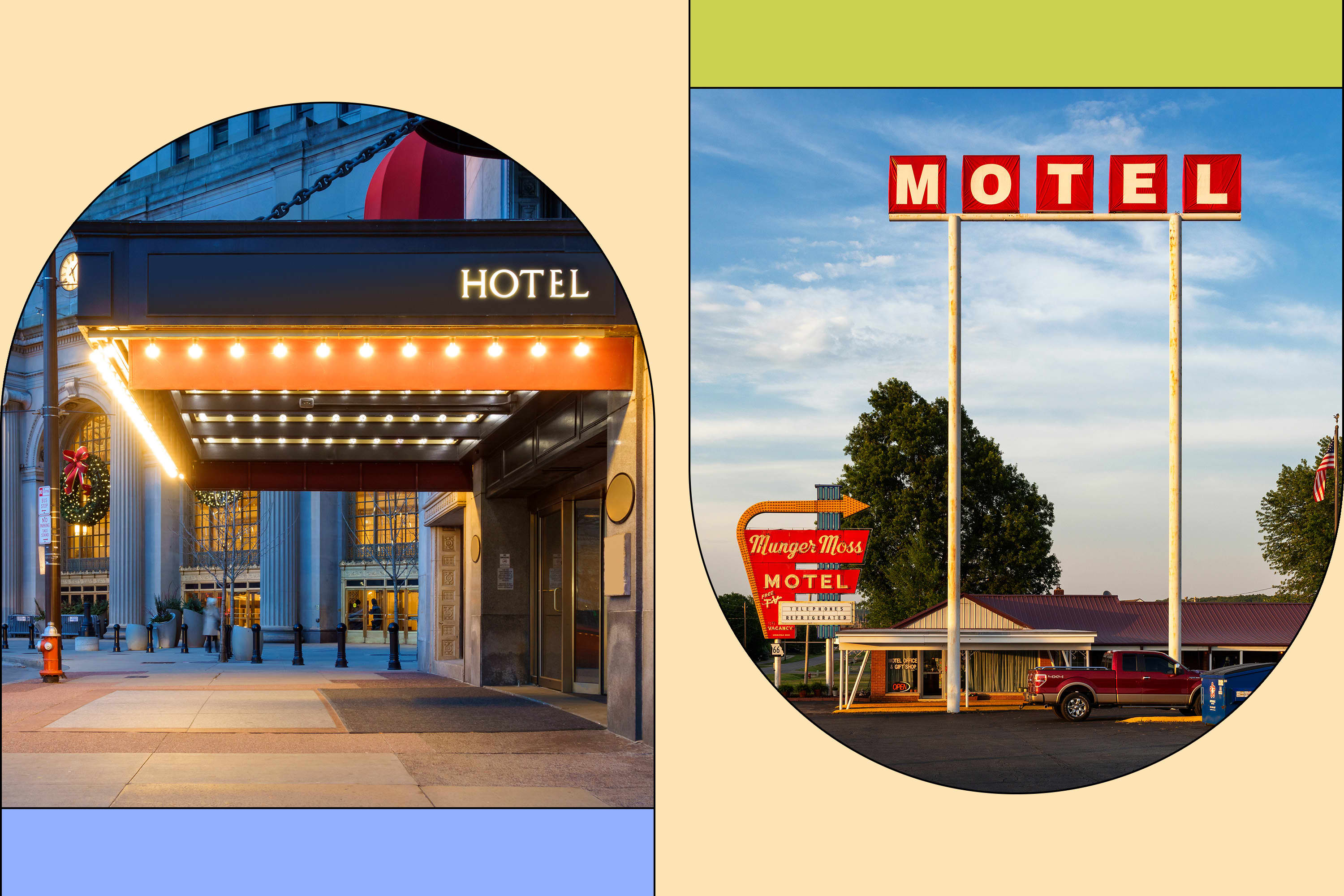
- Motels: Typically feature low-rise buildings (one or two stories) with rooms opening directly onto an outdoor walkway or parking lot. This “corridorless” design facilitates easy, direct access to rooms from vehicles. There might be a central office or small lobby for check-in, but the emphasis is on efficiency rather than grandeur. This layout is particularly convenient for travelers with heavy luggage, families with young children, or those seeking a quick stop without navigating extensive lobbies and elevators.
- Hotels: Almost universally feature multi-story buildings with interior corridors. Guests typically enter through a main lobby, which often serves as a central hub for reception, lounges, and access to other facilities like elevators. This design provides enhanced security, a quieter environment (as rooms don’t face directly onto parking areas), and a sense of contained privacy. From boutique hotels to towering resorts, the emphasis is on a centralized experience.
Amenities and Service Offerings
The range and quality of amenities and services are a significant differentiator.
- Motels: Generally offer a more basic set of amenities geared towards a comfortable overnight stay. These typically include a bed, bathroom, television, mini-fridge, and perhaps a coffee maker. Some might offer a small complimentary breakfast or a seasonal outdoor pool. The service level is usually minimal, focused on check-in/check-out and basic room cleaning. This streamlined approach allows them to keep costs down, translating into more budget-friendly rates for guests.
- Hotels: Provide a much broader and more comprehensive array of services and facilities, reflecting their role as a more encompassing accommodation choice. Depending on the star rating and type (e.g., business hotel, luxury resort, extended-stay hotel), these can include:
- Dining: Full-service restaurants, bars, room service.
- Recreation: Indoor/outdoor pools, fitness centers, spas, golf courses.
- Business Facilities: Conference rooms, meeting spaces, business centers.
- Concierge Services: Assistance with tours, reservations, transportation.
- Other: Laundry service, bellhop service, valet parking, gift shops.
The goal is to cater to a wider variety of needs, from business travelers needing meeting spaces to families seeking entertainment and dining options all under one roof.
Location, Target Audience, and Price Point
The location dictates much about the target audience and, consequently, the pricing structure.
- Motels: Predominantly found along major highways, interstates, and commercial strips on the outskirts of towns or cities. Their target audience is primarily road-trippers, budget travelers, sales representatives, and those needing a quick, convenient stop on their journey. Because of their location and fewer amenities, motels typically offer lower price points, making them an attractive option for budget-conscious individuals or those not requiring an extensive range of services. Brands like Motel 6 or Super 8 are classic examples.
- Hotels: Strategically located in urban centers, near airports, business districts, tourist attractions, or within popular travel destinations. Their clientele is diverse, including leisure tourists, business travelers, families on vacation, and groups attending conferences or events. Due to their prime locations, extensive services, and often superior comfort, hotels command a higher price point. This can range from mid-range options like Holiday Inn to high-end luxury hotels from brands such as Marriott or Hilton.
The Ambiance and Overall Guest Experience
Beyond the tangible, the intangible “feel” of a place also distinguishes hotels from motels.
- Motels: Often exude a more informal, no-frills ambiance. The experience is typically transactional – check-in, sleep, check-out. While many are well-maintained and comfortable, the atmosphere prioritizes functionality and straightforward utility. There’s less emphasis on creating a “destination” experience, focusing instead on practical accommodation.
- Hotels: Strive to create a more immersive and curated experience. The lobby itself is often designed as a welcoming space, a social hub. From the decor and lighting to the background music and the professionalism of the staff, every element is often orchestrated to enhance the guest’s stay. Whether it’s the vibrant energy of a Las Vegas resort, the historical charm of a European grand hotel, or the contemporary sleekness of a business hotel in Tokyo, hotels aim to be an integral part of the travel experience, not just a place to sleep.
Choosing Your Stay: When to Opt for a Hotel vs. a Motel
The decision between a hotel and a motel ultimately depends on the specific needs, preferences, and purpose of your trip. There’s no universal “better” option; only the one that best suits your travel plans.
Ideal Scenarios for a Hotel Stay
You might lean towards a hotel if your trip involves:
- Leisure Travel to a Specific Destination: If you’re visiting a city like Rome for sightseeing, a hotel offers proximity to attractions, better access to public transport, and the amenities to enhance your vacation.
- Business Trips: Hotels typically provide business centers, meeting rooms, reliable Wi-Fi, and professional services crucial for productive work travel. Brands like Hyatt or Westin are well-suited for this.
- Family Vacations with Amenities: For families, hotels often offer kid-friendly pools, diverse dining options, and sometimes even supervised activities, turning the accommodation into part of the vacation experience, particularly at resort hotels in places like Orlando or Cancun.
- Seeking Comfort, Luxury, or a Full Experience: When the accommodation itself is a significant part of the trip – perhaps for a special occasion or a desire for pampering – a hotel’s extensive services (spa, fine dining, concierge) deliver a superior level of comfort and luxury.
- Security and Privacy: The interior corridor design of hotels generally offers a heightened sense of security compared to rooms with direct outdoor access.
- Longer Stays: For stays lasting several days or weeks, the wider range of amenities, including fitness centers and more diverse dining, can make a hotel a more comfortable and practical choice.
When a Motel Makes Perfect Sense
Conversely, a motel might be the ideal choice for:
- Road Trips and Overnight Stops: When you’re driving long distances across the countryside or across America and simply need a clean, safe place to sleep for the night before continuing your journey, a motel’s convenience and affordability are unmatched.
- Budget Travel: For travelers prioritizing cost savings above extensive amenities, motels offer an excellent value proposition, allowing you to allocate more of your budget to experiences, food, or attractions.
- Direct Access Needs: If you have a lot of luggage, pets, or mobility challenges, the ability to park directly outside your room can be a significant advantage.
- Brief Stays: For very short stays where you only need a bed and a shower, the simplicity and efficiency of a motel are perfect.
- Specific Event Attendance: If you’re attending an event on the outskirts of a city and merely need a place to crash, a motel nearby might be far more practical and cheaper than a downtown hotel.
- Construction or Work Crews: For teams needing basic, affordable accommodation close to a work site, motels are a common and sensible choice.
The Evolving Landscape of Accommodation
The hospitality industry is dynamic, and the rigid distinctions between hotels and motels have become somewhat blurred in recent decades. Modern travel trends and evolving consumer expectations have led to innovation and hybrid models.
Blurring the Lines: Modern Trends and Hybrid Models
Today, many properties exist in a gray area, incorporating features from both categories.
- “Motels” with Enhanced Amenities: Some contemporary motels, particularly those that have been renovated or are part of larger chains (e.g., Best Western), now offer amenities once exclusive to hotels, such as upgraded continental breakfasts, small fitness centers, or even indoor pools. They might still retain the drive-up convenience but elevate the guest experience.
- “Hotels” with Budget Options: Conversely, some hotel chains have launched budget-friendly brands that mimic the efficiency and lower price points of motels, albeit typically retaining the interior corridor design. These cater to a similar cost-conscious demographic but within a more traditional hotel structure.
- The Rise of Extended Stay Properties: These often combine elements of both, offering apartment-style amenities (kitchenettes) for longer durations, appealing to business travelers or families who need more than just a room.
The Rise of Boutique and Lifestyle Properties
Beyond the traditional hotel/motel dichotomy, the industry has also seen a surge in specialized accommodation types.
- Boutique Hotels: These are smaller, often independently owned hotels characterized by their unique design, personalized service, and distinct personality. They prioritize creating an immersive, stylish, and often culturally rich experience, appealing to travelers seeking authenticity and individuality. They often focus on local culture, food, and activities, offering a unique “tourism” angle.
- Lifestyle Hotels: Similar to boutique hotels but often part of larger chains, these properties are designed to reflect a particular “lifestyle” or aesthetic, targeting specific demographics with tailored experiences, amenities, and social spaces. Think of properties aimed at millennials, wellness enthusiasts, or creative professionals.
These categories further diversify the accommodation landscape, moving beyond simple functional lodging to offer curated experiences that are a destination in themselves.

Beyond the Basics: Making an Informed Accommodation Choice
In conclusion, the fundamental difference between a hotel and a motel lies in their historical context, architectural design, scope of services, target audience, and ultimately, the overall travel experience they aim to provide. Hotels traditionally offer a more comprehensive, amenity-rich, and often upscale experience, typically found in urban centers and major tourist destinations. Motels, on the other hand, prioritize convenience, accessibility, and affordability, primarily catering to motorists on the go, often located along highways.
However, the lines are increasingly blurred. Modern travelers have an unprecedented array of choices, from traditional hotels and motels to boutique stays, luxury resorts, and even unique apartments or villas. When planning your next trip, consider:
- Your Purpose of Travel: Is it a business trip, a family vacation, a romantic getaway, or a quick stopover?
- Your Budget: How much are you willing to spend on accommodation?
- Desired Amenities: Do you need a full-service restaurant, a pool, a gym, or just a comfortable bed?
- Location Needs: Do you need to be in the heart of the city, or is a roadside stop more convenient?
- Desired Experience: Are you looking for a functional stay or an immersive experience that complements your travel lifestyle?
By understanding these distinctions and evaluating your personal travel needs, you can confidently choose the accommodation that best enhances your journey, ensuring a comfortable and memorable stay, no matter where the road takes you.
LifeOutOfTheBox is a participant in the Amazon Services LLC Associates Program, an affiliate advertising program designed to provide a means for sites to earn advertising fees by advertising and linking to Amazon.com. Amazon, the Amazon logo, AmazonSupply, and the AmazonSupply logo are trademarks of Amazon.com, Inc. or its affiliates. As an Amazon Associate we earn affiliate commissions from qualifying purchases.