
Choosing the right base for your global adventures is one of the most critical decisions in the travel planning process. The landscape of modern accommodation has shifted significantly over the last decade, blurring the lines between different types of stays. However, for most travelers navigating booking platforms in Europe, Asia, or the Americas, the primary choice remains the classic debate: hotel versus hostel. While both provide a place to sleep, their operational philosophies, price structures, and social environments could not be more distinct. Understanding these nuances is essential for ensuring your accommodation aligns with your budget, comfort requirements, and social expectations.
The Fundamental Distinction: Privacy versus Community
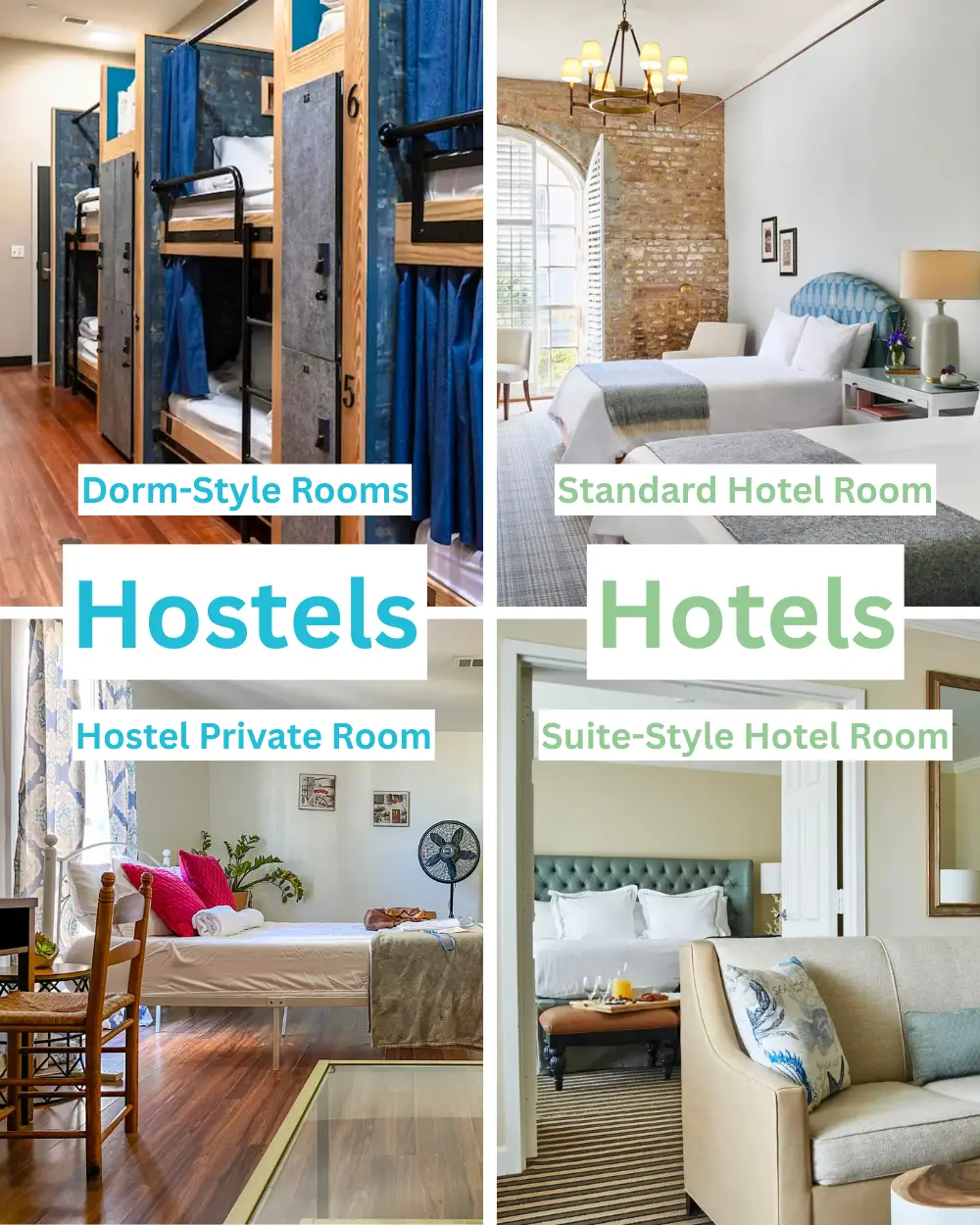
The most immediate difference between these two categories lies in the spatial arrangement of the sleeping quarters and the intended level of social interaction. This structural difference dictates the entire atmosphere of the stay.
The Hotel Experience: A Sanctuary of Privacy
Hotels are designed around the concept of a private sanctuary. Whether you are staying at a luxury establishment like The Ritz-Carlton in Tokyo or a mid-range Marriott in New York City, the expectation is a self-contained unit. A hotel room typically includes a private bathroom, a desk, a television, and controlled climate settings.
The primary goal of a hotel is to offer a consistent, predictable, and isolated environment. In a hotel, you rarely interact with other guests unless you happen to be in the elevator or the breakfast room. For business travelers in London or couples on a honeymoon in Paris, this privacy is the ultimate luxury. It allows for complete autonomy and a separation from the external world.
The Hostel Experience: A Social Hub for Global Citizens
Conversely, a hostel is fundamentally a social institution. While many modern hostels now offer private rooms, the core of the business model is the dormitory. In cities like Berlin or Sydney, hostels like Generator Hostels offer rooms where four to twelve people might share a single space with bunk beds.
The hostel philosophy prioritizes the shared experience. Common areas—such as shared kitchens, lounge rooms, and game areas—are the heart of the building. In a hostel in Bangkok or Barcelona, the expectation is that you will meet fellow travelers, share stories, and perhaps even find partners for your next excursion to the Grand Palace or Sagrada Familia. For solo travelers, the hostel serves as a built-in community.
Service Standards and On-Site Amenities
Beyond the physical room, the services provided by these establishments differ in scale and delivery. When you book a hotel, you are often paying for a comprehensive service ecosystem. In a hostel, you are often paying for the utility of the space and the expertise of the local staff.
The Full-Service Model of Hotels
In high-end hotels such as the Four Seasons or InterContinental, the service begins the moment you arrive. Valet parking, bellhops, a dedicated concierge, and 24-hour room service are standard features. These amenities are designed to minimize the “work” of travel. If you are staying in Dubai or Singapore, you expect a high staff-to-guest ratio where your needs are anticipated.
Hotel facilities often include professional-grade gyms, swimming pools, multiple dining outlets, and business centers. The Hilton brand, for example, maintains a standard of service that allows a guest to feel at home regardless of whether they are in Chicago or Frankfurt.
The Communal Economy of Hostels
Hostels operate on a more utilitarian and DIY (Do-It-Yourself) basis. While some “poshtels”—a hybrid of a hostel and a boutique hotel—like Selina in Mexico or Costa Rica offer beautiful coworking spaces and swimming pools, the service is generally more relaxed.
One of the most significant differences is the communal kitchen. Hostels encourage guests to cook their own meals, which is a major cost-saving benefit for long-term travelers exploring Australia or New Zealand. Laundry is usually self-service, and while there is a reception desk, it often doubles as a tour booking center or a bar. The staff at a hostel in Prague or Lisbon are often travelers themselves, providing “insider” tips rather than the formal professional guidance of a hotel concierge.
Financial Implications and Booking Flexibility
Price is perhaps the most obvious differentiator, but the way costs are structured in each accommodation type varies. When comparing stays in expensive markets like Iceland or Switzerland, these differences become even more pronounced.

Understanding Hotel Pricing and Loyalty
Hotels are priced by the room. Whether one person or two people occupy a standard double room in Rome, the price remains largely the same. Hotels also have complex dynamic pricing models influenced by corporate events, tourism seasons, and local holidays.
The benefit of booking hotels, particularly with major chains like Hyatt or Accor, is the loyalty program. Frequent travelers can earn points that lead to free nights, room upgrades, and late check-outs. This makes hotels particularly attractive for business travelers who can consolidate their spending across a single brand.
The Budget-Friendly Nature of Hostels
Hostels are typically priced by the bed. This allows solo travelers to stay in prime locations, such as near the Colosseum or the Eiffel Tower, for a fraction of the cost of a hotel room. In Vietnam or Bali, a bed in a high-quality dormitory can cost as little as ten dollars.
Hostels also offer a level of flexibility that appeals to the “slow traveler.” Many travelers in South America or South East Asia book their first two nights in a hostel and then extend their stay based on the people they meet or the activities they discover. This casual approach to booking is less common in the hotel world, where reservations are often rigid and non-refundable.
Safety, Security, and Professionalism
Safety is a common concern for those debating between these two options. While both types of accommodation are generally safe, they approach security in different ways.
Professionalized Security in Hotels
Hotels offer a controlled environment. Keycard access to elevators, 24-hour security guards, and in-room safes are standard. When you stay at a Sheraton in Brazil or an Ibis in France, there is a formal structure of accountability. If an item goes missing or a guest is disruptive, there are established protocols to handle the situation.
Communal Responsibility in Hostels
In a hostel, security is a shared responsibility. Because you are sharing a room with strangers in places like Amsterdam or Vienna, you must be more vigilant. Hostels provide lockers for your valuables, but you are expected to bring your own padlock.
However, modern hostels have stepped up their game. Establishments like Wombat’s City Hostel use advanced electronic key systems and have female-only dormitories to cater to the safety needs of solo female travelers. The social nature of hostels also provides a “safety in numbers” effect, where travelers look out for one another.
The Evolution of the Industry: Poshtels and Boutique Stays
The traditional definitions of hotels and hostels are currently being challenged by a new wave of hybrid accommodations. As the demand for experiential travel grows, developers are creating spaces that combine the best of both worlds.
The Rise of the Poshtel
The “poshtel” (posh hostel) caters to the traveler who wants the social atmosphere of a hostel but the comfort of a hotel. These properties often feature high-end interior design, en-suite bathrooms in every room, and trendy rooftop bars. Brands like Freehand Hotels in the USA or Clink Hostels in the United Kingdom have mastered this middle ground. They allow a traveler to have a private, stylish room while still being able to join a communal pub crawl or a group yoga session.
Boutique Hotels and Tech-Forward Stays
On the other hand, many hotels are becoming more “hostel-like” in their social offerings. Boutique hotels in Portland or Stockholm often feature large communal tables in their lobbies and host local craft beer tastings to encourage guest interaction. Additionally, tech-forward brands like CitizenM offer compact, efficient rooms with expansive, living-room-style lobbies, acknowledging that many modern travelers prefer to spend their time in shared spaces rather than tucked away in their rooms.

Conclusion: Which Accommodation Should You Choose?
Deciding between a hotel and a hostel depends entirely on the purpose of your trip and your personal preferences. If you are traveling to Venice for a romantic weekend, the privacy and service of a hotel are likely worth the premium. If you are a digital nomad spending a month in Medellin or Chiang Mai, the communal kitchen and social networking opportunities of a hostel will be invaluable.
For those planning a multi-city tour across Europe, a mix of both can provide the perfect balance. You might stay in a hostel in Budapest to meet people and save money, then book a luxurious hotel in Santorini to recharge in peace. By understanding the distinct advantages of each, you can tailor your bookings to create the ultimate travel experience, ensuring that every night spent away from home contributes positively to your journey.
LifeOutOfTheBox is a participant in the Amazon Services LLC Associates Program, an affiliate advertising program designed to provide a means for sites to earn advertising fees by advertising and linking to Amazon.com. Amazon, the Amazon logo, AmazonSupply, and the AmazonSupply logo are trademarks of Amazon.com, Inc. or its affiliates. As an Amazon Associate we earn affiliate commissions from qualifying purchases.