
Understanding the intricacies of electricity rates is a critical, often overlooked, aspect of planning any stay, particularly long-term accommodation, in a major urban center like Boston. For visitors considering an extended visit, individuals relocating, or anyone budgeting for their living expenses in the city, the cost of electricity can significantly impact the overall financial outlay of their chosen accommodation. Unlike short-term hotel stays where utilities are typically bundled into the room rate, many long-term rentals, serviced apartments, and even some vacation rentals require occupants to manage their utility bills independently. This article delves into the specifics of electric rates in Boston, shedding light on how they are determined, what factors influence them, and how you can navigate these costs to make informed decisions about your accommodation budget.
Understanding Boston’s Electricity Market
The electricity market in Massachusetts, including Boston, operates under a deregulated model. This structure offers consumers a degree of choice and introduces complexity that is vital for residents and long-term visitors to understand.
Deregulation and Your Provider Choice
In a deregulated market, the supply of electricity is separated from its delivery. This means that while the physical infrastructure (poles, wires, transformers) is maintained by a single utility company in a given service territory, consumers have the option to choose their electricity supplier. For most of Boston, the primary utility company responsible for delivering electricity and maintaining the grid is Eversource or National Grid, depending on the specific neighborhood. These companies are referred to as the “default service” providers. However, you can opt to purchase your electricity supply from a competitive third-party supplier. These competitive suppliers often offer different rate plans, contract lengths, and sometimes even renewable energy options that may not be available through the default service. Making an informed choice between the default service and a competitive supplier can have a direct impact on your monthly electric bill.
Components of Your Electric Bill
An electric bill in Boston is typically broken down into two main components:
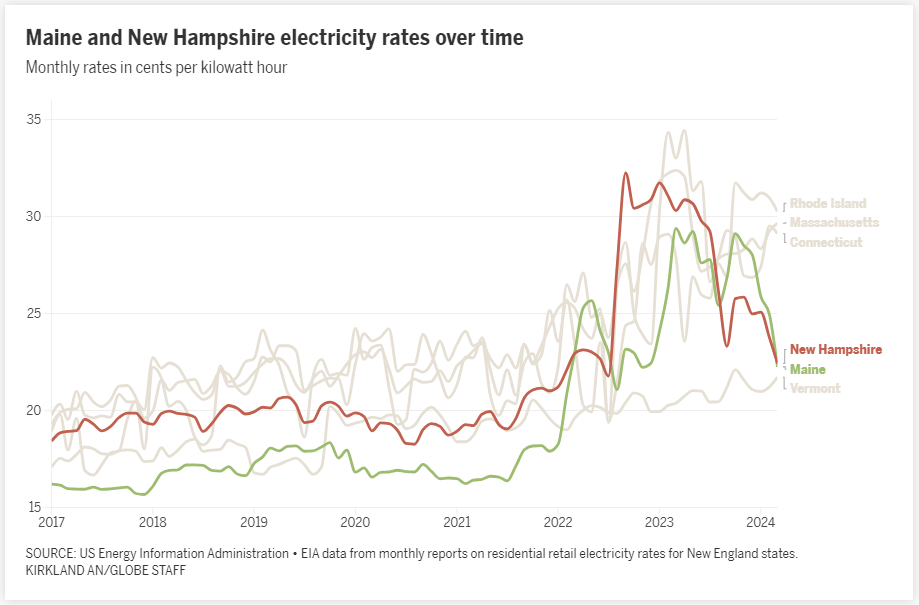
- Supply Charge: This covers the cost of the electricity itself, which is purchased from power generators. If you choose a competitive supplier, this is the portion of the bill that will reflect their rates. If you remain with the default service, Eversource or National Grid will charge you their default service rate for supply, which is typically adjusted every six months (January 1st and July 1st) and based on market prices.
- Delivery Charge: Also known as the transmission and distribution charge, this covers the cost of getting the electricity from the power plant to your home or accommodation. This charge is always managed by the local utility (Eversource or [National Grid]) regardless of your chosen supplier. It includes costs for maintaining the poles, wires, substations, and all the infrastructure necessary to deliver power reliably. This component also often includes charges for energy efficiency programs and other state-mandated initiatives.
Understanding these two distinct parts is crucial when comparing rates or trying to identify where your money is going. The delivery charge is relatively stable, while the supply charge is where most of the variability and potential for savings lie.
Current Electric Rates in Boston
The exact electric rate in Boston is not a fixed number but rather a dynamic figure that varies based on several factors, primarily the type of customer, the chosen supplier, and prevailing market conditions.
Residential vs. Commercial Rates
Electricity rates are typically differentiated between residential and commercial customers. Residential rates apply to homes, apartments, and other dwellings primarily used for living purposes. Commercial rates are for businesses, offices, and other non-residential establishments. Generally, commercial rates can be more complex, often involving demand charges in addition to usage charges, reflecting the larger and more consistent power demands of businesses. For anyone seeking accommodation, residential rates will be the relevant benchmark. It’s important to note that even within residential categories, there can be different rate structures based on usage tiers or time-of-use metering, though the latter is less common as a default option.
Factors Influencing Rate Fluctuations
Electric rates, especially the supply portion, are subject to fluctuations driven by a variety of factors:
- Seasonal Demand: Electricity demand typically peaks during extreme weather conditions – hot summers requiring air conditioning and cold winters needing heating. Increased demand can drive up wholesale electricity prices, which are then passed on to consumers.
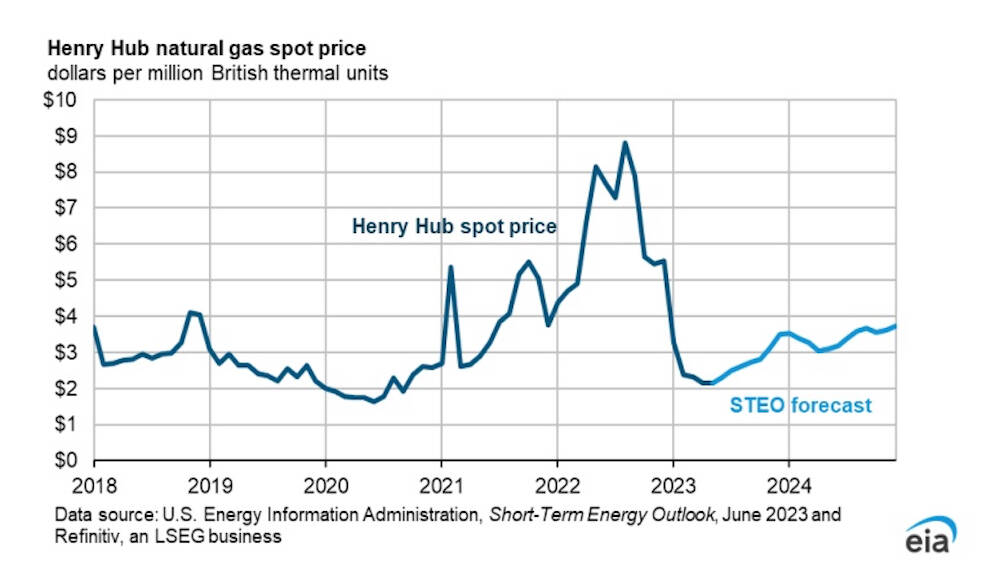
- Fuel Costs: The cost of natural gas, which is a primary fuel source for many power plants in New England, heavily influences electricity prices. Fluctuations in global energy markets or disruptions to gas supply can directly impact electric rates.
- Infrastructure Costs: Investments in upgrading and maintaining the grid, as well as costs associated with complying with environmental regulations, can also be reflected in the delivery portion of the bill.
- Government Policies: State and federal policies related to renewable energy mandates, energy efficiency programs, and carbon pricing can also influence the overall cost of electricity.
These factors combine to create a constantly evolving landscape for electric rates, necessitating regular checks on current prices, particularly before committing to a long-term accommodation.
Average Monthly Costs for Accommodation Types
Estimating average monthly electricity costs is vital for budgeting, especially for long-term stays. These averages can vary wildly based on several elements, including:
- Size of the Accommodation: A studio apartment will naturally have lower electricity consumption than a multi-bedroom house.
- Insulation and Energy Efficiency: Older buildings with poor insulation or single-pane windows will require more energy for heating and cooling.
- Appliance Usage: Extensive use of energy-intensive appliances (clothes dryers, dishwashers, multiple refrigerators) significantly contributes to higher bills.
- Occupancy and Lifestyle: The number of occupants and their energy habits (e.g., leaving lights on, extensive electronics use) play a major role.
- Heating and Cooling Systems: If electricity is the primary source for heating and cooling, bills will be substantially higher during peak seasons. Many apartments in Boston use natural gas for heating, which keeps electric bills lower in winter.
As a rough guide, a small studio or one-bedroom apartment in Boston might see electricity bills ranging from $50 to $100 per month, assuming gas heat. For larger apartments or homes where electricity is used for primary heating/cooling, this could easily jump to $150-$300 or more during peak seasons. Always inquire about past utility bills when considering a rental.
Impact on Accommodation Budgeting
For anyone considering a stay in Boston beyond a few nights in a traditional hotel, understanding how electric rates factor into your accommodation budget is paramount. This knowledge allows for more accurate financial planning and helps avoid unexpected expenses.
For Long-Term Rentals
The most common scenario where electric rates directly impact your budget is with long-term rental agreements, such as leases for apartments or houses. In nearly all unfurnished and many furnished long-term rentals, tenants are responsible for setting up and paying for their own utility accounts, including electricity. When evaluating rental properties, it’s crucial to ask prospective landlords or property managers about average utility costs for the unit, including electricity. Factor these estimated costs into your total monthly housing expenses alongside rent, internet, and other utilities. A seemingly affordable rent can quickly become expensive if electricity bills are unexpectedly high due to poor insulation, inefficient appliances, or a high-cost supplier.
For Extended-Stay Hotels and Serviced Apartments
Extended-stay hotels and serviced apartments occupy a middle ground between traditional hotels and long-term rentals. Many of these options cater to business travelers or individuals needing temporary housing for several weeks or months. Here, the treatment of electricity costs can vary:
- All-Inclusive: Some extended-stay properties offer all-inclusive rates where utilities, including electricity, are bundled into the nightly or weekly rate. This provides predictable costs and simplifies budgeting.
- Metered or Capped: Others might have a base rate that includes a certain amount of electricity, with usage beyond that cap being billed separately. This structure encourages energy conservation but requires monitoring.
- Separate Billing: Less commonly, some serviced apartments might require tenants to set up their own electricity accounts, similar to a traditional rental.
Always clarify the utility policy before booking an extended-stay accommodation to understand what’s included and what additional costs you might incur.
Comparing Accommodation Options
When comparing different accommodation options in Boston, particularly for stays lasting a month or more, it’s not enough to just compare the advertised price. A property with a higher monthly rent but all-inclusive utilities might be more cost-effective than a cheaper rental where you’re responsible for potentially high electricity bills.
Consider the total cost of occupancy:
- Monthly Rent/Rate
- Estimated Electricity Bill
- Other Utilities (gas, water, internet)
- Laundry Costs (if not in-unit)
- Transportation Costs
- Food Expenses
By factoring in electricity rates, you gain a more accurate picture of the true cost of living in various accommodation types and can make a more financially sound decision for your stay in Boston.
Strategies for Managing Electricity Costs
Once you’ve settled into your Boston accommodation, there are proactive steps you can take to manage and potentially reduce your electricity expenses, regardless of whether you’re in a rental or an extended-stay unit.
Energy Efficiency Tips for Your Stay
Simple changes in daily habits and awareness of your surroundings can lead to significant savings:
- Optimize Heating and Cooling: Set your thermostat to a comfortable but energy-efficient temperature (e.g., 68°F in winter, 78°F in summer). Use programmable thermostats if available.
- Unplug “Vampire” Electronics: Many electronics draw power even when turned off. Unplug chargers, TVs, and small appliances when not in use.
- Use Natural Light: Open curtains and blinds during the day to maximize natural light and reduce the need for artificial lighting.
- Switch to LED Lighting: If your accommodation allows, replace incandescent bulbs with energy-efficient LED bulbs.
- Seal Drafts: For longer stays, consider using temporary weatherstripping or door snakes to seal drafts around windows and doors, especially in older buildings.
- Smart Appliance Use: Run dishwashers and washing machines only when full, and use cold water cycles when possible. Air dry clothes when feasible.
These small adjustments can collectively make a noticeable difference on your monthly bill.
Choosing the Right Electricity Supplier
As discussed, Massachusetts’ deregulated market allows you to choose your electricity supplier. Regularly checking competitive supplier offers against the default service rate from Eversource or National Grid can yield savings.
- Compare Rates: Utilize the Massachusetts Department of Public Utilities’ official website to compare current default service rates with offers from competitive suppliers.
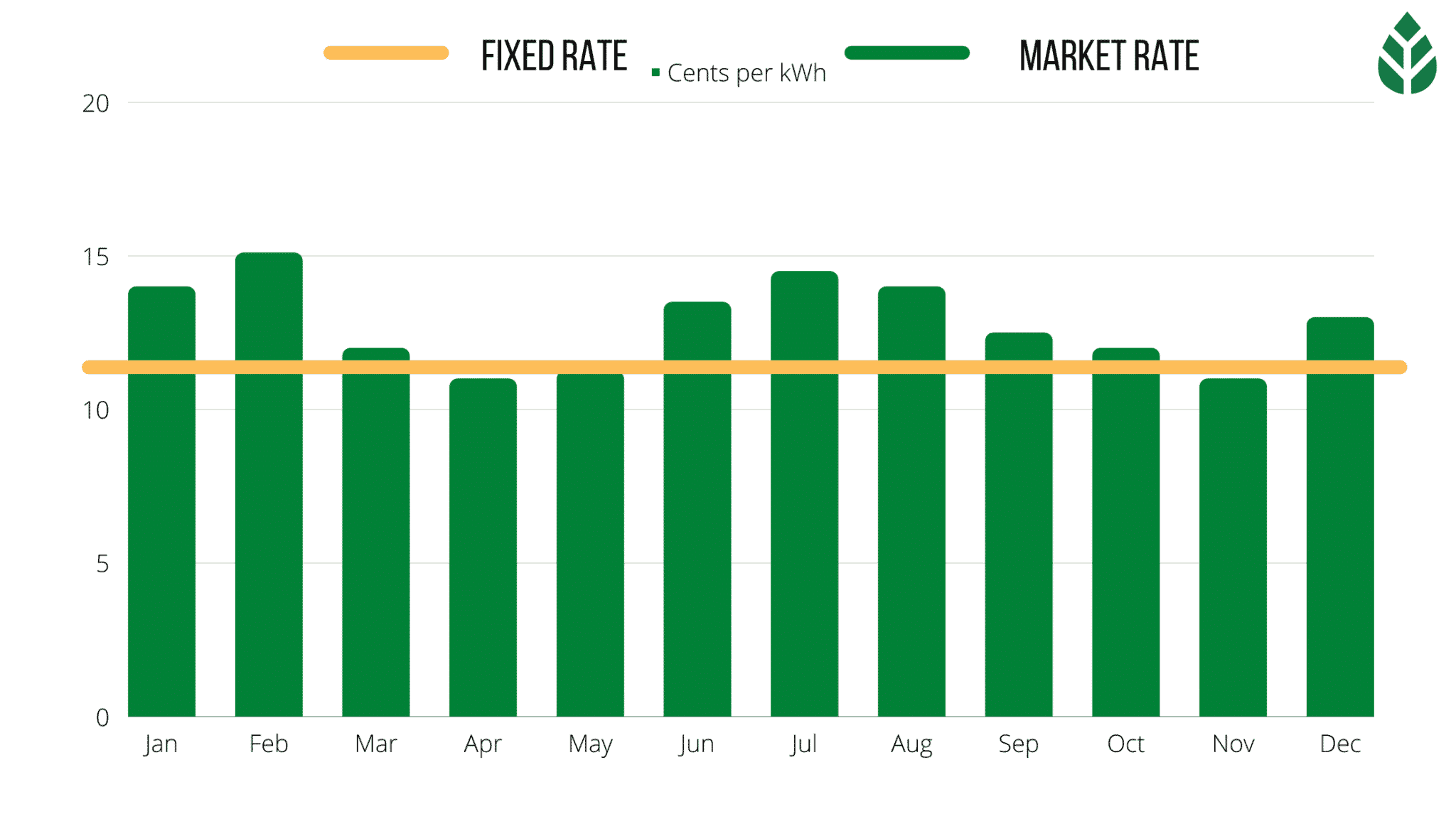
- Understand Contract Terms: Pay close attention to contract length, early termination fees, and whether the rate is fixed or variable. A fixed rate offers stability, while a variable rate can fluctuate with the market.
- Look for Green Energy Options: Many competitive suppliers offer plans sourced from renewable energy, allowing you to support sustainability while potentially managing costs.
Always read the fine print and ensure you understand the terms before switching suppliers.
Smart Home Technology Integration
While perhaps more applicable to long-term renters or homeowners, integrating smart home technology can offer significant energy savings. Devices like smart thermostats (e.g., Nest, Ecobee) learn your preferences and adjust temperatures automatically, optimizing energy use. Smart plugs allow you to control and schedule power to appliances remotely, eliminating phantom load. Even simpler devices, like smart light bulbs, can be programmed to turn off when you leave a room or at certain times of day. While there’s an initial investment, the long-term savings and convenience can be substantial, making it a worthwhile consideration for extended stays.
Looking Ahead: Future Trends and Sustainability
The landscape of electricity generation and consumption is continually evolving, with significant implications for future electric rates in Boston and beyond. An understanding of these trends can help residents and long-term visitors anticipate changes.
Renewable Energy Initiatives in Massachusetts
Massachusetts is a leader in promoting renewable energy and reducing carbon emissions. The state has ambitious goals for offshore wind, solar power, and other clean energy sources. While the transition to renewables may involve initial investments, it is expected to lead to a more stable and potentially lower-cost energy supply in the long run, less susceptible to fossil fuel price volatility. As more renewable energy projects come online, they will contribute to the energy mix, potentially influencing future supply rates. Many competitive suppliers already offer plans that source 100% renewable energy, providing consumers with a choice to support these initiatives.
Potential Rate Changes and Green Tariffs
Electric rates are subject to annual reviews and potential adjustments by regulatory bodies. Factors like the cost of grid modernization, investments in energy storage, and new state mandates for clean energy can all contribute to future rate changes. Additionally, the concept of “green tariffs” or community choice aggregation programs are gaining traction, allowing municipalities or groups of consumers to procure cleaner energy collectively, potentially at more favorable rates. Staying informed about local energy policies and utility announcements can help you anticipate shifts in electricity costs. As Boston continues its drive towards greater sustainability, these initiatives will undoubtedly shape the future of its electric rates, balancing environmental goals with economic considerations for all consumers.
Navigating the electric rate landscape in Boston is an essential part of budgeting for any accommodation, especially for long-term stays. By understanding the deregulated market, recognizing the components of your bill, and implementing energy-saving strategies, you can make informed decisions that ensure a comfortable and financially manageable experience in this vibrant city.
LifeOutOfTheBox is a participant in the Amazon Services LLC Associates Program, an affiliate advertising program designed to provide a means for sites to earn advertising fees by advertising and linking to Amazon.com. Amazon, the Amazon logo, AmazonSupply, and the AmazonSupply logo are trademarks of Amazon.com, Inc. or its affiliates. As an Amazon Associate we earn affiliate commissions from qualifying purchases.