
Reno, Nevada, often dubbed “The Biggest Little City in the World,” holds a special charm for travelers, residents, and those simply curious about geography. Beyond its vibrant entertainment scene and proximity to stunning natural landscapes, its elevation plays a significant role in its climate, outdoor activities, and overall character. Understanding the elevation of Reno, Nevada, offers a deeper appreciation for this dynamic Western city.
The Altitude of Reno: A High Desert Overview
The official elevation of Reno, Nevada, is approximately 4,390 feet (1,338 meters) above sea level. This means Reno sits at a considerable altitude, placing it squarely in the category of high desert environments. This elevated position influences a multitude of factors, from the air quality and the intensity of sunlight to the types of flora and fauna that thrive in the region, and even the way people experience physical activity.
Geographical Context: The Sierra Nevada Foothills
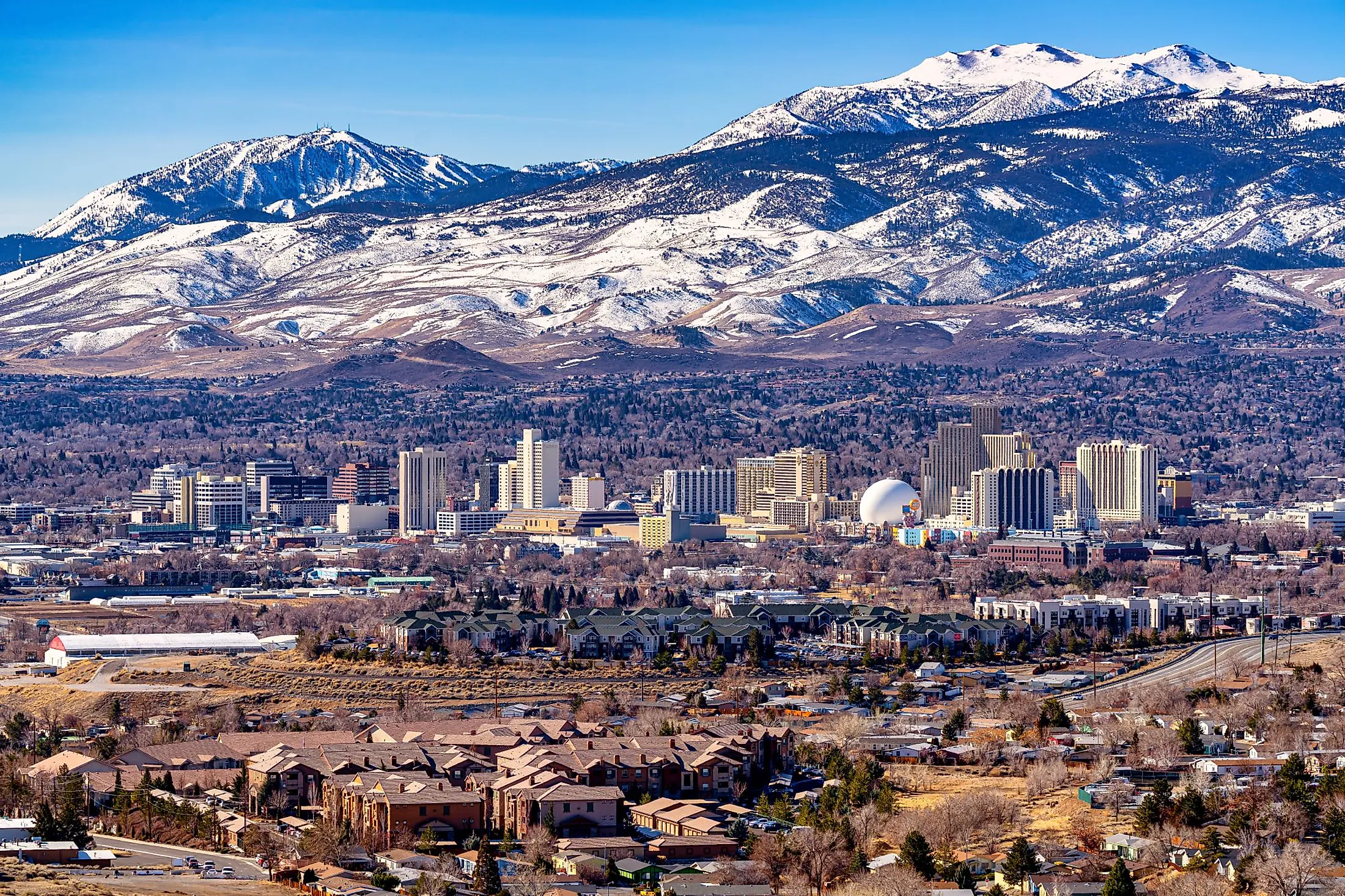
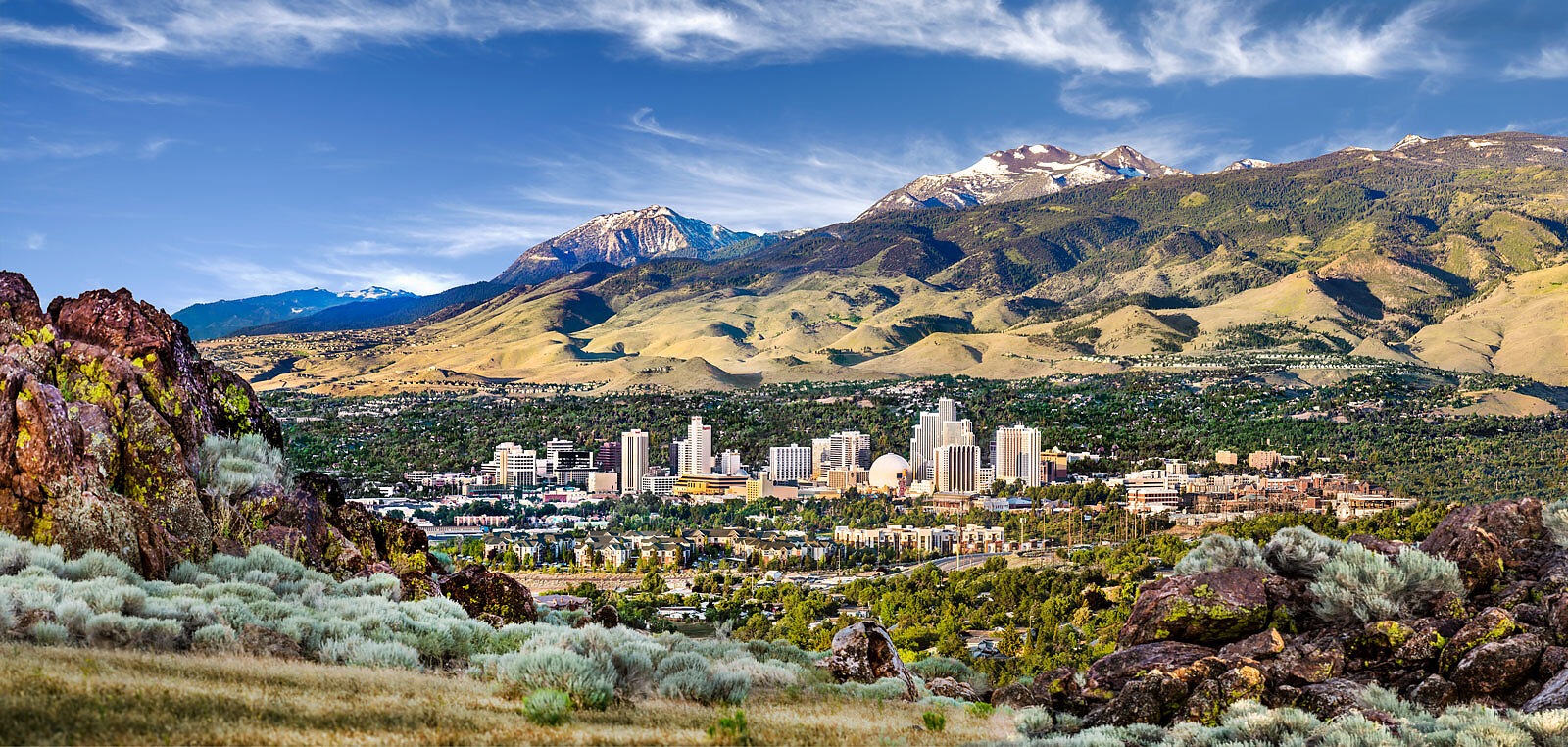
Reno’s elevation is intrinsically linked to its geographical setting. It is nestled in the eastern foothills of the majestic Sierra Nevada mountain range, a colossal natural barrier that shapes the climate of both California and Nevada. The Carson River meanders through the valley, a vital water source and a picturesque feature that has historically guided settlement in the area. The city’s location at the base of these mountains means it benefits from the snowmelt that feeds the river, while also being susceptible to weather patterns originating from the Pacific Ocean that are often modified by the imposing peaks.
The high elevation contributes to Reno’s semi-arid climate. Summers are typically hot and dry, while winters are cold and can bring significant snowfall, especially in the surrounding mountains. This elevation also means the air is thinner than at sea level, which can be a factor for visitors not accustomed to such altitudes. While not typically severe, some individuals might experience mild effects of altitude sickness, such as headaches or shortness of breath, particularly during strenuous activities. It’s always advisable for visitors to stay hydrated and allow their bodies time to acclimatize.
Experiencing Reno at Altitude: Travel and Lifestyle Implications
The elevation of Reno, Nevada, directly impacts the travel and lifestyle experiences available in and around the city. For those planning a visit, understanding this geographical characteristic can help in preparing for activities and appreciating the unique environment.
Outdoor Adventures Shaped by Elevation
Reno’s high elevation makes it an exceptional hub for outdoor enthusiasts. The proximity to the Sierra Nevada offers unparalleled opportunities for recreation, with activities directly influenced by the altitude.
Skiing and Snowboarding in the High Sierras
Just a short drive from Reno lies the Lake Tahoe basin, a world-renowned destination for winter sports. Resorts like Palisades Tahoe (formerly Squaw Valley Alpine Meadows), Heavenly Mountain Resort, and Northstar California Resort are situated at elevations significantly higher than Reno itself. For instance, the base of Palisades Tahoe is around 6,200 feet, with its summit reaching over 8,000 feet. The consistent snowfall at these higher altitudes is what makes the Lake Tahoe region a premier ski destination. Visitors flying into Reno-Tahoe International Airport often find themselves at a higher starting point than many other major cities, with the airport itself sitting at an elevation of 4,414 feet.
Hiking and Exploring at Higher Altitudes
During the warmer months, the elevation of Reno provides access to a network of hiking trails that offer breathtaking views and diverse ecosystems. Trails in the nearby Truckee River Canyon and the Toiyabe National Forest (now part of the Humboldt-Toiyabe National Forest) present opportunities for varying levels of difficulty. The higher altitude means that even during the summer, temperatures can be cooler than in lower-lying desert areas, offering a pleasant escape. However, the thinner air at these elevations can make hiking more challenging, requiring hikers to pace themselves and stay well-hydrated. The intense sunlight at higher altitudes also necessitates the use of sunscreen and protective clothing.
Water Sports on High-Altitude Lakes
While the elevation affects snow sports, it also contributes to the unique environment of Lake Tahoe. This massive alpine lake sits at an elevation of 6,225 feet, making it the highest of its size in North America. The crisp, cool water, fed by mountain streams, is a refreshing experience, even on the hottest Nevada days. Boating, swimming, and paddleboarding on Lake Tahoe are popular activities, and the clear, often frigid water is a testament to the pristine mountain environment at this altitude.
Accommodation and Lifestyle Considerations
The elevation of Reno, Nevada, subtly influences the accommodation choices and the general lifestyle of its inhabitants and visitors.
Hotels and Resorts with a View
From boutique hotels in the downtown area to luxurious resorts on the outskirts, Reno offers a range of accommodations. Many establishments capitalize on the city’s setting, with rooms and common areas offering panoramic views of the surrounding Sierra Nevada and the Truckee River. The elevated position can mean cooler evenings, even in summer, making balconies and outdoor seating areas particularly inviting. For those seeking a more immersive experience, staying in cabins or lodges closer to the mountains, at even higher elevations, provides a more direct connection with nature.
Adapting to the High Desert Lifestyle
Living or vacationing in a high desert environment like Reno means adapting to its unique characteristics. The dry air can affect skin and respiratory systems, making good hydration and moisturization essential. The intense sun at this altitude requires diligent sun protection. The slower pace of life often associated with smaller cities, combined with the rugged natural beauty, contributes to a lifestyle that many find appealing for its balance of outdoor activity and relaxed charm. The city’s growing culinary scene also reflects its heritage and environment, with many restaurants sourcing local ingredients and offering dishes that complement the hearty, outdoor-oriented lifestyle.
Reno’s Elevation in Comparison and Context
To truly appreciate the elevation of Reno, Nevada, it’s helpful to compare it with other notable cities and geographical features. This comparison provides a clearer understanding of its standing in terms of altitude.
High-Altitude Cities Around the World
Reno’s elevation of 4,390 feet places it firmly in the category of high-altitude cities. For comparison, consider:
- Denver, Colorado, often called the “Mile-High City,” sits at exactly 5,280 feet (1,609 meters) above sea level. Reno is about 900 feet lower than Denver.
- Santa Fe, New Mexico, is another high-altitude capital city, with an elevation of around 7,199 feet (2,194 meters).
- Mexico City, one of the largest metropolitan areas in the world, is situated at a significant elevation of approximately 7,350 feet (2,240 meters).
- Even some coastal cities have surprising elevations. Los Angeles, California, while sprawling, has areas that reach significant heights, though its downtown core is much lower.
Reno’s elevation is higher than most major cities in the United States, especially those on the East Coast or in the Midwest. This contributes to its cooler average temperatures, drier air, and the distinct environmental conditions that define the region.

The Impact on Tourism and Activities
The elevation of Reno, Nevada, is not just a geographical statistic; it’s a defining characteristic that shapes the visitor experience. From the moment you land at Reno-Tahoe International Airport, you are at a substantial altitude. This elevation is a constant companion whether you are trying your luck at one of the casinos on Virginia Street, exploring the National Automobile Museum, or venturing out for a day trip to Virginia City, a historic mining town that sits at an even higher elevation.
The clarity of the air at this altitude, often free from the smog of lower-lying urban centers, enhances the stunning vistas of the Sierra Nevada. The unique light quality, often described as crisp and bright, is another byproduct of the thinner atmosphere. For travelers, this means that the natural beauty of the region is presented with remarkable clarity and intensity.
When planning your Nevada adventure, remember that Reno’s elevation contributes to its charm and its opportunities. Whether you are planning a luxury getaway, a budget-friendly exploration, or a family trip filled with outdoor activities, understanding Reno’s altitude provides valuable insight into what to expect and how to best enjoy your time in this captivating high-desert city. The combination of its lively urban attractions and its access to magnificent, high-altitude natural wonders makes Reno a truly unique destination.