
The question “What is the elevation of Sedona, Arizona?” might seem straightforward, but for travelers planning a visit, understanding this seemingly simple detail unlocks a deeper appreciation for this stunning desert landscape and its unique offerings. Sedona, renowned for its breathtaking red rock formations, vibrant arts scene, and spiritual vortexes, sits at a significant altitude that influences everything from the climate and the intensity of the sunlight to the very air you breathe. This elevated position is not just a geographical fact; it’s a key element in what makes Sedona an unforgettable destination for travelers, outdoor enthusiasts, and those seeking a tranquil retreat.
Understanding Sedona’s Altitude: A Gateway to Its Wonders
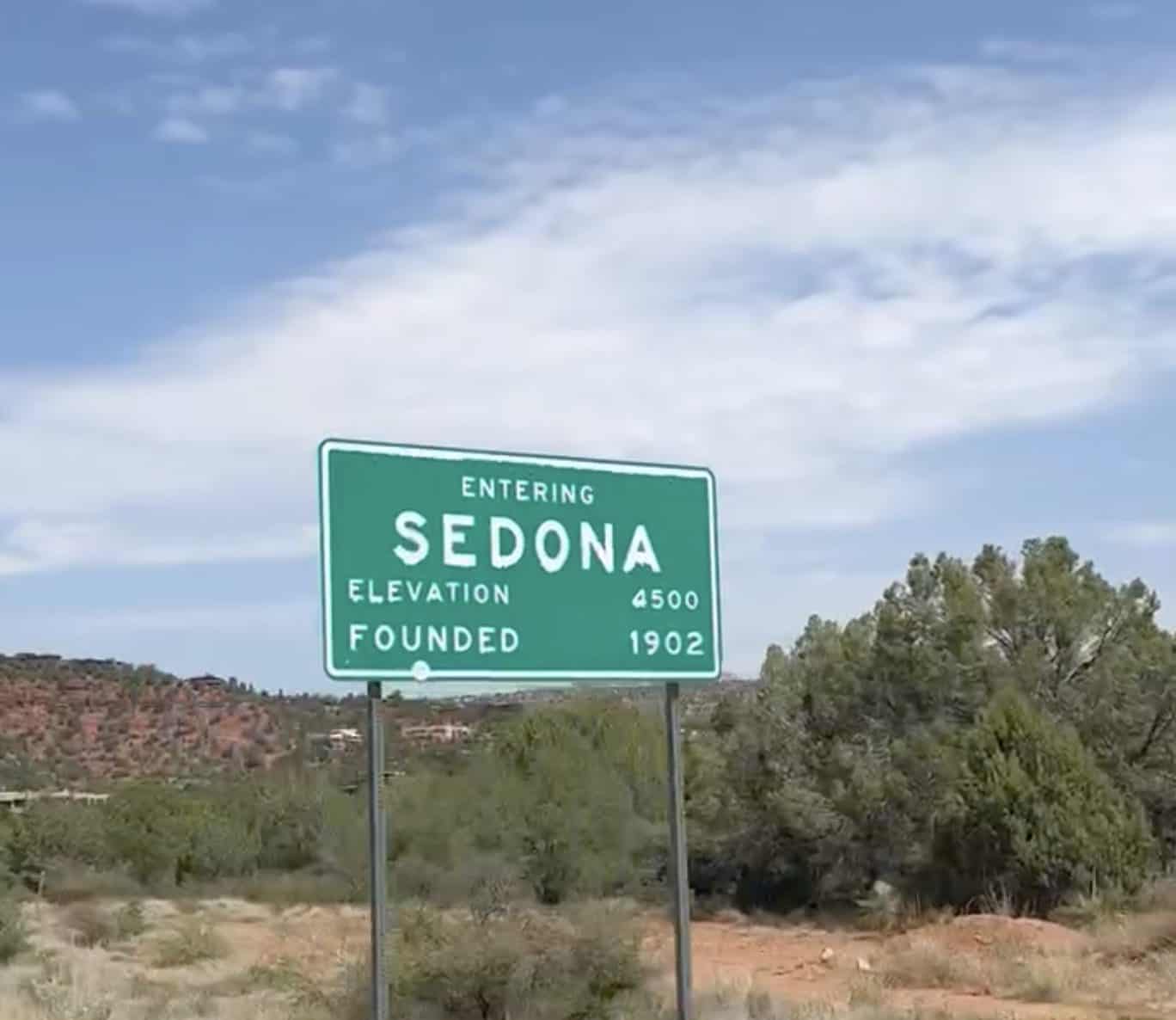
Sedona, Arizona, is nestled in the heart of Yavapai County, at the base of the picturesque Coconino National Forest. Its average elevation is approximately 4,350 feet (1,326 meters) above sea level. This altitude places it firmly in a higher desert environment, distinct from the lower desert regions of Arizona, such as Phoenix or Tucson. This difference in elevation is crucial for understanding Sedona’s climate, its natural beauty, and the experiences it offers visitors.
The Impact of Elevation on Climate and Environment
The 4,350-foot elevation of Sedona significantly shapes its climate. Unlike the scorching heat of lower desert cities, Sedona experiences more moderate temperatures year-round. Summers are warm but rarely reach the extreme highs found elsewhere in the state, with daytime temperatures typically in the 80s and 90s Fahrenheit. The higher altitude also allows for cooler evenings and nights, making it pleasant for outdoor activities.
Winters in Sedona are generally mild and sunny. While snow does fall, it is usually light and often melts quickly, dusting the red rocks with a beautiful white contrast. The elevation contributes to the crisp, dry air that is characteristic of the region. This dry air can affect some visitors, so staying hydrated is always recommended, a tip that falls under the broader category of Tourism and Lifestyle considerations for Budget Travel or Family Trips.
The higher elevation also plays a role in the vividness of Sedona’s famous red rocks. The geological formations, composed of Permian sandstone, are exposed to sunlight at an angle that, combined with the clear, dry air, enhances their vibrant hues. The higher you are, the more intense the colors can appear, especially during sunrise and sunset, times often highlighted in Travel Guides and Experiences sections on websites dedicated to destinations like Sedona.
Geographical Significance and Surrounding Landscapes
Sedona’s elevation is not an isolated statistic; it’s intrinsically linked to its dramatic landscape. The town is cradled by towering red rock formations, including iconic sites like Cathedral Rock, Bell Rock, and Chapel of the Holy Cross. These geological wonders are a direct result of millions of years of erosion and uplift, with Sedona’s current elevation being a key factor in the ongoing processes that sculpt these natural masterpieces.
The higher ground also means Sedona offers panoramic views that are simply unparalleled. From many vantage points within the town and along its numerous hiking trails, visitors can gaze out over vast expanses of desert, canyons, and the stunning rock formations that define the region. This breathtaking scenery is a primary draw for Landmarks enthusiasts, photographers, and anyone who appreciates the raw beauty of nature. The presence of the Coconino National Forest surrounding Sedona further emphasizes its elevated, wild setting, providing a protected natural playground for exploration.
Experiencing Sedona: How Elevation Enhances Your Visit
The elevation of Sedona is more than just a number; it actively contributes to the quality and variety of experiences available to visitors. From outdoor adventures to cultural immersion, understanding Sedona’s altitude helps in planning a more comfortable and enjoyable trip.
Outdoor Activities and Recreation
Sedona’s high-desert elevation makes it a prime destination for outdoor enthusiasts. The cooler temperatures at altitude are ideal for hiking, mountain biking, and Jeep tours, allowing for more strenuous activities without the debilitating heat found at lower elevations. Trails like the Devil’s Bridge Trail and the Fay Canyon Trail offer moderate challenges with rewarding views, all under the bright, high-desert sun.
The elevation also means that the air is thinner. For visitors coming from sea level, this can sometimes lead to mild altitude sickness, characterized by headaches, fatigue, or shortness of breath. It’s a common consideration for Travel and Tourism advice. Experts suggest taking it easy on your first day, staying well-hydrated, and avoiding strenuous activities immediately upon arrival. This attention to detail is part of providing comprehensive Guides and Tips for travelers.
The landscape itself, shaped by its elevation, offers diverse terrains for exploration. Canyons, mesas, and buttes are all part of the visual tapestry, inviting exploration. Activities range from gentle scenic drives to challenging climbs, catering to all fitness levels. The popularity of these outdoor pursuits is a testament to the appeal of the Nature and Landmarks that Sedona boasts.
Wellness and Spiritual Pursuits
Sedona is globally recognized as a spiritual mecca, often associated with its powerful energy vortexes. These sites, believed by many to be areas of concentrated natural energy, are often located in scenic, elevated spots that enhance the sense of peace and connection. The high desert environment, with its clear skies and quietude, is conducive to meditation, yoga, and personal reflection, experiences that are central to Sedona’s Lifestyle offerings, particularly for those seeking Luxury Travel or a spiritual journey.
The elevation contributes to the clarity and vibrancy of the light, which many believe amplifies the spiritual properties of Sedona. The unobstructed views from elevated points allow for profound stargazing opportunities, a common Experience that is enhanced by the dry, thin air.
Accommodation and Amenities

When booking Accommodation in Sedona, the elevation is a factor, though less directly than for climate or activities. Hotels, Resorts, and Apartments are designed to be comfortable at this altitude. Amenities like air conditioning are standard, but the overall temperature is more manageable than in lower desert regions. Travelers seeking Long-term Stays will find the consistent, moderate climate at Sedona’s elevation particularly appealing.
Many Villas and Suites offer patios or balconies with views, capitalizing on the elevated landscape. The proximity of these lodgings to natural Landmarks and trailheads is a significant advantage, often promoted in Reviews and Comparison guides for Accommodation providers. The choice of lodging, from a high-end Resort to a budget-friendly motel, all benefits from the beautiful backdrop that Sedona’s elevation provides.
Exploring Sedona’s Red Rock Country: A Deeper Dive
Sedona’s iconic red rocks are not just a backdrop; they are the heart of the visitor experience. Understanding their geological formation and the way they interact with the environment, particularly at Sedona’s elevation, adds another layer of appreciation.
The Geology Behind the Crimson Hues
The striking red color of Sedona’s rocks comes from iron oxide, essentially rust, within the sandstone. These formations are primarily composed of the Supai Group and Hermit Shale, laid down during the Permian Period, roughly 280-300 million years ago. Over eons, geological uplift and the relentless forces of wind and water have carved them into the dramatic shapes we see today.
Sedona sits on the Colorado Plateau, a vast, elevated region that has undergone significant geological activity. The red rocks are part of the Grand Canyon Supergroup‘s geological layers, although they are distinct from the Grand Canyon itself. The varying mineral content and the way sunlight hits these rocks at different times of day, amplified by the clarity of the high desert air, create the mesmerizing color shifts that Sedona is famous for, from deep rust to vibrant orange and even pink.
Notable Landmarks and Natural Wonders
Several Famous Places in Sedona are direct results of its unique geological setting and elevation.
- Bell Rock: This prominent, bell-shaped mesa is a popular spot for hiking and spiritual exploration. Its accessible trails offer stunning views, showcasing the scale of the rock formations.
- Courthouse Butte: Standing majestically near Bell Rock, this formation is another iconic landmark, a testament to the erosive power of nature over millions of years.
- Cathedral Rock: Perhaps one of Sedona’s most photographed landmarks, Cathedral Rock is a stunning formation of spires and soaring rock faces, offering challenging hikes and incredible vistas. Its elevated position within the landscape makes it a focal point for many viewpoints.
- Devil’s Bridge: A natural sandstone arch, Devil’s Bridge is a popular hiking destination, requiring a moderate trek to reach its impressive span. The elevated terrain leading to the bridge adds to the adventure.
These landmarks are central to any Travel Guide for Sedona, highlighting the Architecture of nature and the rich History embedded within the landscape. They are not merely beautiful sights; they are living monuments shaped by geological forces over vast periods, made even more magnificent by their elevated setting.
Planning Your Sedona Adventure
With a clear understanding of Sedona’s elevation and its impact, travelers can better plan their visit to maximize their enjoyment and comfort, whether they are seeking adventure, relaxation, or spiritual rejuvenation.
Practical Tips for High-Altitude Travel
As mentioned, the 4,350-foot elevation of Sedona can affect some individuals. Being prepared is key for a positive Travel experience.
- Hydration: Drink plenty of water, even if you don’t feel thirsty. The dry air and increased respiration at higher altitudes can lead to dehydration.
- Pacing: Take it easy on your first day. Allow your body to adjust to the thinner air before embarking on strenuous activities.
- Sun Protection: The sun’s rays are more intense at higher altitudes. Wear sunscreen, a hat, and sunglasses, especially when outdoors.
- Listen to Your Body: If you experience symptoms of altitude sickness, such as headaches or nausea, rest and drink more fluids. If symptoms persist or worsen, seek medical advice.
These Tips are invaluable for anyone planning a Family Trip, a Business Stay, or even a Luxury Travel excursion, ensuring that the focus remains on the enjoyment of the destination.

Integrating Elevation into Your Itinerary
Considering Sedona’s elevation can help in scheduling activities. Morning and late afternoon are often the most pleasant times for outdoor exploration due to milder temperatures. The stunning sunrise and sunset views over the red rocks are amplified by the altitude and clear air, making them must-see events.
For those interested in Local Culture, understanding how the indigenous peoples interacted with this elevated landscape over millennia adds a rich historical dimension. The connection between the land, its altitude, and the human experience is a profound aspect of visiting Sedona.
Whether you are looking for a luxurious Resort experience, a cozy Apartment for a longer stay, or seeking out the best Experiences Sedona has to offer, understanding its elevation is the first step in truly appreciating this magical place. The 4,350 feet of altitude are not just a geographical marker; they are a gateway to the breathtaking beauty, unique climate, and unforgettable experiences that define Sedona, Arizona.
LifeOutOfTheBox is a participant in the Amazon Services LLC Associates Program, an affiliate advertising program designed to provide a means for sites to earn advertising fees by advertising and linking to Amazon.com. Amazon, the Amazon logo, AmazonSupply, and the AmazonSupply logo are trademarks of Amazon.com, Inc. or its affiliates. As an Amazon Associate we earn affiliate commissions from qualifying purchases.