
Understanding Texas’s Unique Tax Landscape
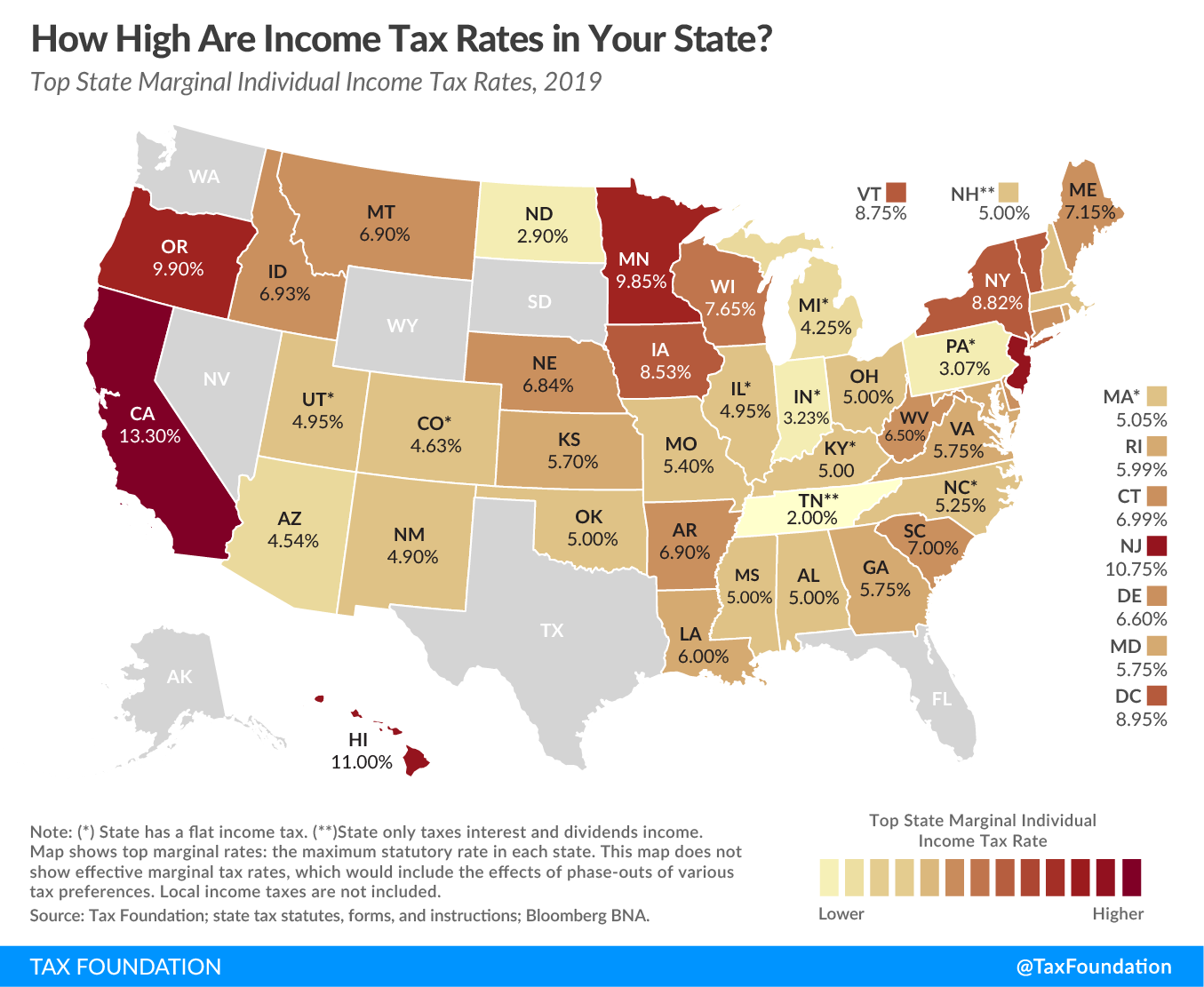
Navigating the complexities of taxation is a crucial aspect of personal and business finance, and for many, the federal income tax rate is a primary concern. However, when considering the financial landscape of a specific region, it’s essential to look beyond the national figures and understand the unique tax policies of individual states. This is particularly true for Texas, a state renowned for its robust economy and distinctive approach to taxation. Unlike many other states, Texas does not impose a state income tax. This absence of a state-level income tax fundamentally alters the tax equation for residents and businesses operating within its borders, making the federal income tax rate the primary income tax consideration.
The federal income tax is levied by the United States government and applies to individuals and corporations across all states. This progressive tax system, meaning higher earners pay a larger percentage of their income in taxes, is structured into various tax brackets. Understanding these brackets is key to estimating your overall tax liability. For instance, in 2023, single filers had marginal tax rates ranging from 10% to 37%, depending on their taxable income. Married couples filing jointly experienced similar brackets but with doubled income thresholds. These federal rates are adjusted annually for inflation, so it’s vital to stay updated on the latest figures provided by the Internal Revenue Service (IRS).
While Texas offers a significant advantage by omitting a state income tax, residents still bear the responsibility of contributing to the federal government’s revenue through these federal income tax obligations. This distinction is a cornerstone of Texas’s economic appeal, attracting individuals and corporations seeking to minimize their overall tax burden. The absence of a state income tax doesn’t mean Texans are tax-free; rather, their tax contributions are channeled through other forms of taxation, such as property taxes and sales taxes, which can be substantial.
Federal Income Tax Brackets and Rates
The federal income tax system in the United States is structured as a progressive system, meaning that as your income increases, the rate at which it is taxed also increases. This is achieved through a series of tax brackets, each associated with a specific marginal tax rate. It’s important to understand that these rates apply only to the portion of your income that falls within that specific bracket, not to your entire income.
For the 2023 tax year, the federal income tax brackets for single filers were as follows:
- 10% on income up to $11,000
- 12% on income between $11,001 and $44,725
- 22% on income between $44,726 and $95,375
- 24% on income between $95,376 and $182,100
- 32% on income between $182,101 and $231,250
- 35% on income between $231,251 and $578,125
- 37% on income over $578,125
For married couples filing jointly, the income thresholds for these brackets were generally doubled, providing a tax advantage for couples. For example, in 2023:
- 10% on income up to $22,000
- 12% on income between $22,001 and $89,450
- 22% on income between $89,451 and $190,750
- 24% on income between $190,751 and $364,200
- 32% on income between $364,201 and $462,500
- 35% on income between $462,501 and $693,750
- 37% on income over $693,750
These rates and bracket amounts are subject to annual adjustments by the IRS to account for inflation. Therefore, the specific figures for future tax years may vary. It is crucial for individuals to consult the latest IRS guidelines or consult with a tax professional to ensure accurate tax calculations based on the prevailing rates and their specific filing status.
The Impact of No State Income Tax in Texas
The absence of a state income tax in Texas has a profound impact on the financial planning and budgeting of its residents. This policy is a significant draw for individuals and businesses alike, contributing to the state’s reputation as a business-friendly environment. When comparing Texas to states with high state income tax rates, the potential savings can be substantial, influencing decisions about where to establish residency or where to locate corporate headquarters.

For instance, a high-earning individual moving from a state like California or New York, both of which have considerable state income taxes, to Texas could see a significant increase in their take-home pay. This economic advantage is a key driver of population growth in Texas, with many relocating to capitalize on this financial benefit. Major cities like Austin, Houston, Dallas, and San Antonio have experienced rapid expansion partly due to this attractive tax policy.
However, it’s crucial to recognize that Texas does rely on other forms of taxation to fund its state government and public services. The primary sources of state revenue in Texas are sales taxes and property taxes.
- Sales Tax: Texas has a state sales tax rate of 6.25%, with local governments allowed to add up to 2% for a maximum combined rate of 8.25%. This tax is applied to the sale of most tangible goods and some services. While this provides a revenue stream, it can disproportionately affect lower-income individuals who spend a larger percentage of their income on taxable goods.
- Property Tax: Property taxes are a significant source of funding for local governments, including school districts, counties, and municipalities. Texas property tax rates can vary widely depending on the location and the specific taxing entities. These taxes are levied on the value of real estate and can be a considerable annual expense for homeowners.
Therefore, while Texans do not pay a state income tax, they do contribute to state and local services through these other tax mechanisms. The overall tax burden in Texas is a complex interplay between federal income tax obligations and state/local property and sales taxes, making it imperative to consider the full picture when assessing the financial implications of living or doing business in the state.
Corporate Taxation in Texas
The federal income tax rate also applies to corporations operating in Texas. Similar to individuals, Texas does not impose a corporate income tax. This makes the state particularly attractive for businesses looking to maximize profitability by minimizing tax liabilities. However, corporations in Texas are subject to other taxes, most notably the Texas Franchise Tax.
The Texas Franchise Tax is often described as a tax on the privilege of doing business in Texas. It is not based on income in the traditional sense but rather on a business’s “business specifically, not on their net income or gross receipts.” For many businesses, particularly smaller ones, the Texas Franchise Tax can be quite low, or even zero if their revenue falls below a certain threshold. For larger corporations, the tax is calculated based on their earned surplus or total revenue, depending on the method chosen by the entity.
The federal corporate income tax rate is a flat 21% for most corporations. This rate, combined with the absence of a state corporate income tax, positions Texas as a highly competitive location for businesses. Companies considering relocation or expansion often cite Texas’s tax structure as a primary reason for choosing the state. Industries ranging from technology and energy to manufacturing and healthcare have found Texas to be a fertile ground for growth, partly due to its favorable tax environment.
When evaluating the financial landscape for corporations in Texas, it’s essential to consider both the federal income tax and the Texas Franchise Tax, alongside other state and local taxes and regulations. The absence of a state income tax simplifies the corporate tax planning process significantly, allowing businesses to focus their resources on growth and innovation rather than state-level income tax compliance. This, coupled with a skilled workforce and a growing economy, solidifies Texas’s position as a leading business destination.

Maximizing Your Tax Benefits in Texas
For residents and businesses in Texas, understanding the interplay between federal income tax and the state’s unique tax structure is key to financial optimization. While the absence of a state income tax is a significant advantage, there are still numerous strategies available to legally minimize tax liabilities at both the federal and state/local levels.
Individuals can take advantage of various federal tax deductions and credits to reduce their taxable income. These can include deductions for mortgage interest, state and local taxes (capped at $10,000 per household annually), student loan interest, and contributions to retirement accounts like 401(k)s and IRAs. Tax credits, such as the child tax credit and education credits, directly reduce the amount of tax owed, dollar for dollar. Maximizing these opportunities requires careful record-keeping and a thorough understanding of IRS regulations.
Businesses in Texas can also leverage numerous federal tax incentives and deductions designed to encourage investment and job creation. These might include deductions for research and development expenses, depreciation of assets, and employee benefits. Furthermore, consulting with tax professionals who specialize in Texas business law can reveal specific opportunities related to the Texas Franchise Tax, such as available exemptions and revenue thresholds that could significantly reduce a company’s tax burden.
It’s also worth noting that Texas is home to many economic development programs and incentives offered by state and local entities, which can further reduce the cost of doing business or living in the state. These can include tax abatements, grants, and low-interest loans, often tied to job creation or investment in specific industries or regions. For example, cities like Dallas and Houston have various initiatives aimed at supporting small businesses and startups.
Ultimately, while Texas offers a distinct advantage with its lack of a state income tax, effective tax planning is still paramount. A comprehensive approach that considers all applicable federal, state, and local taxes, coupled with an understanding of available deductions, credits, and incentives, will enable individuals and businesses to maximize their financial benefits and thrive in the Lone Star State.
LifeOutOfTheBox is a participant in the Amazon Services LLC Associates Program, an affiliate advertising program designed to provide a means for sites to earn advertising fees by advertising and linking to Amazon.com. Amazon, the Amazon logo, AmazonSupply, and the AmazonSupply logo are trademarks of Amazon.com, Inc. or its affiliates. As an Amazon Associate we earn affiliate commissions from qualifying purchases.