
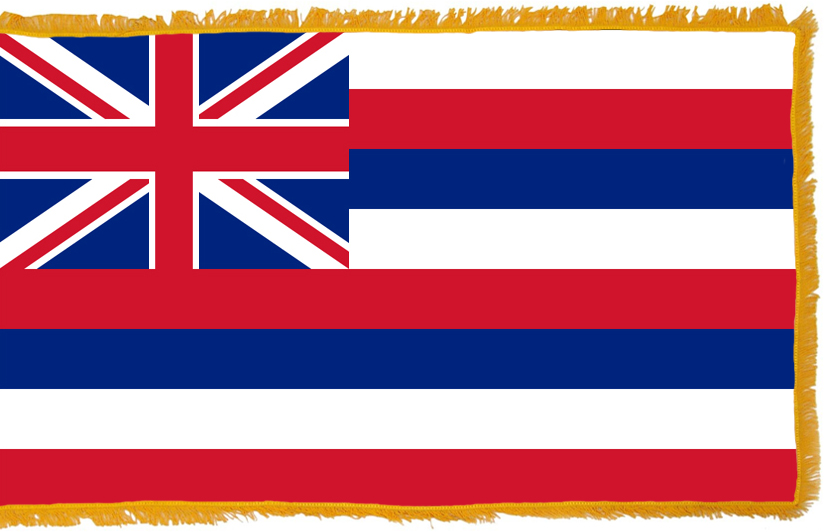
The flag of Hawaii is one of the most recognizable and historically intriguing state symbols in the United States. Known as the Ka Hae Hawaiʻi, it is a unique emblem that reflects the complex geopolitical history of the archipelago. Unlike any other state flag in the union, it incorporates a blend of colonial influence and indigenous pride, standing as a testament to the sovereign history of the Kingdom of Hawaii.
The Symbolic Design of the Hawaiian Flag
The design of the flag is as striking as the landscape of Oahu or Maui. It features eight horizontal stripes alternating in the colors white, red, and blue, which represent the eight main islands of the Hawaiian chain: Hawaii, Maui, Oahu, Kauai, Molokai, Lanai, Niihau, and Kahoolawe.

The Union Jack Influence
The most debated aspect of the flag is the canton—the upper-left corner—which displays the British Union Jack. Historians point to the era of King Kamehameha I, who sought to maintain a diplomatic balance during a time when global powers were vying for control over the Pacific Ocean. By incorporating the flag of Great Britain, the King honored a gesture of friendship from the British while maintaining the independence of his own realm. This symbolic inclusion served as a strategic deterrent against other colonial interests, such as those from the Russian Empire or the United States.
The Colors and Their Meanings
While the stripes represent the islands, the color scheme—red, white, and blue—mirrors the flags of both the United Kingdom and the United States. This chromatic synergy is deeply embedded in the local culture of the Hawaiian Islands. For the people of Honolulu and beyond, the flag serves as a reminder of a time when the monarchy successfully navigated the stormy waters of international diplomacy to preserve a distinct cultural identity.
Historical Context: From Monarchy to Territory
The evolution of the flag is intrinsically linked to the transition of the islands from a sovereign monarchy to a territory of the United States. To understand the significance of the flag today, one must look at the timeline of Hawaiian History.
The Reign of King Kamehameha
When King Kamehameha I unified the islands, he established a framework for a kingdom that was respected by international powers. The flag was created during the early 19th century, with historical records suggesting various versions were experimented with before the current iteration was standardized in 1845. It was a time when the port of Lahaina was becoming a central hub for global trade, and having an identifiable national flag was essential for the maritime commerce that linked Hawaii to the rest of the world.
The Overthrow and Transition
The Overthrow of the Hawaiian Kingdom in 1893 was a pivotal moment in the archipelago’s history. Despite the political changes that saw the dissolution of the monarchy and the eventual annexation by the United States, the flag remained a point of continuity. When Hawaii became the 50th state in 1959, the flag was officially adopted as the state flag, preserving the design that had flown over the Iolani Palace for generations.
Cultural Significance in Modern Times
Today, the flag is more than just a piece of government property; it is a profound symbol of identity for residents of Hilo, Kailua, and the entire state. It appears on everything from tourist souvenirs to state buildings and is prominently displayed during Kamehameha Day festivities.
Promoting Local Pride
For many, the flag represents the endurance of the native Hawaiian spirit. It is a visual link to the ancestors who sailed the Pacific Ocean using celestial navigation to find these volcanic peaks. When visitors arrive at Daniel K. Inouye International Airport, the flag is often the first thing they see, signaling their entry into a culture that deeply values its heritage.
Protocol and Public Display
Unlike many other state flags, the Hawaiian flag is treated with specific reverence. It is rarely modified for commercial logos or distorted in artistic representations. Public buildings across the state, from the State Capitol to smaller community centers in Waikiki, fly the flag with pride. This consistency in how the flag is presented helps maintain the dignity of the historical kingdom it represents.
The Global Perspective on the Hawaiian Flag
The inclusion of the Union Jack makes the Hawaiian flag a subject of curiosity for tourists visiting from Europe and beyond. It is one of the few flags in the world that features the symbols of a foreign colonial power without being a current dependency of that nation. This historical quirk acts as a conversation starter, allowing locals to share the story of the kingdom’s diplomatic brilliance with visitors from London, New York, or Tokyo.
Educational Value for Tourists
Travelers visiting historical sites like the Bishop Museum in Honolulu often leave with a deeper appreciation for the flag. It represents a history that is often overlooked in mainland history books—a history of a sovereign Pacific power that commanded respect on the world stage. Learning about the flag provides a more nuanced travel experience, moving beyond the beaches of Kona or the surfing spots of the North Shore to embrace the deep-rooted narrative of the islands.

A Beacon of Heritage
As Hawaii continues to be a premier global destination, the flag serves as a welcoming anchor. Whether you are staying at a luxury resort in Wailea or exploring the rugged cliffs of Kauai, the sight of the red, white, and blue stripes fluttering in the trade winds is a constant reminder of the state’s unique position. It bridges the gap between the ancient Polynesian roots of the land and its modern status as a global crossroads. The flag is not merely a government emblem; it is the living banner of a culture that honors its past while looking toward the future.
LifeOutOfTheBox is a participant in the Amazon Services LLC Associates Program, an affiliate advertising program designed to provide a means for sites to earn advertising fees by advertising and linking to Amazon.com. Amazon, the Amazon logo, AmazonSupply, and the AmazonSupply logo are trademarks of Amazon.com, Inc. or its affiliates. As an Amazon Associate we earn affiliate commissions from qualifying purchases.