
For any traveler exploring the diverse landscapes and rich history of California, understanding the state’s iconic flag is essential to truly grasp its unique local culture. More than just a piece of fabric, the California flag, famously known as the Bear Flag, is a vibrant emblem laden with historical significance, symbolizing a pivotal moment in the state’s journey and reflecting the spirit of its people. Its design elements tell a compelling story of independence, natural heritage, and the pursuit of statehood, making it a fascinating cultural artifact for any visitor to delve into.
The Bear Flag: A Symbol of Californian Identity
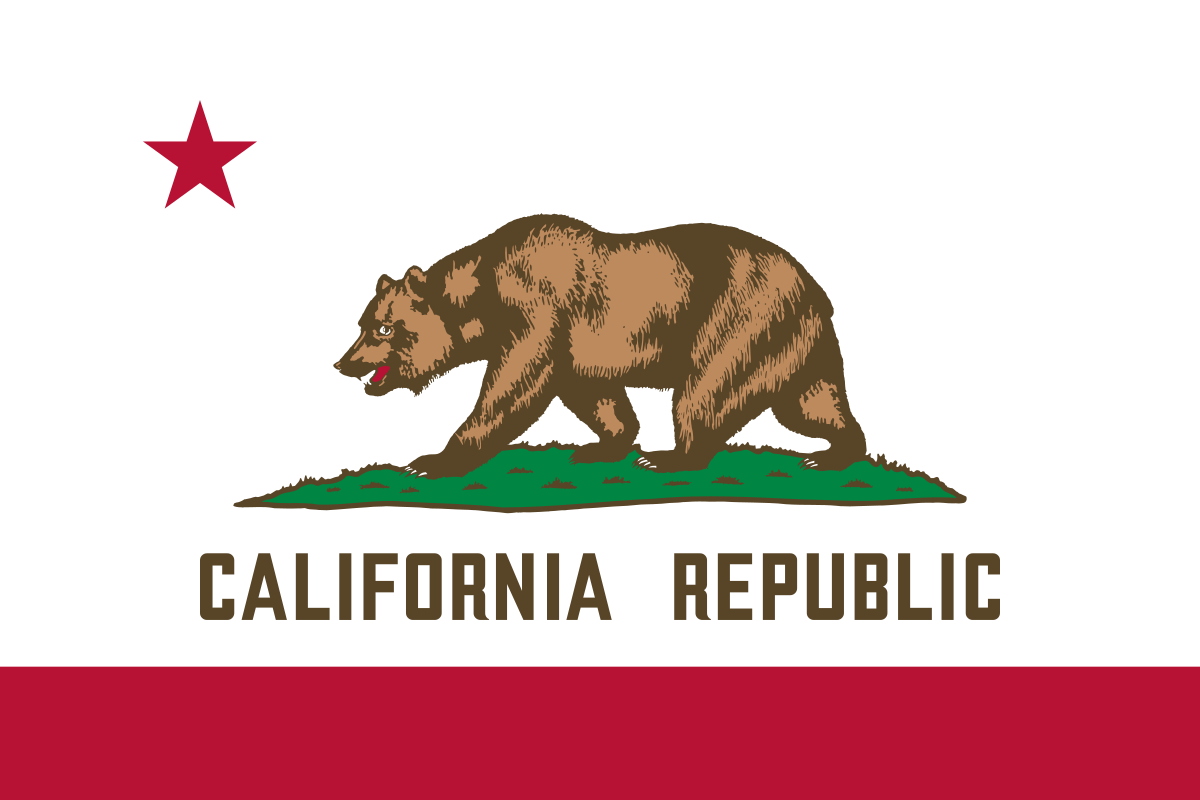
The flag of California is instantly recognizable, distinguished by its prominent California grizzly bear and lone red star against a white field, all underscored by a band of red and a strip of green grass. This striking imagery is not arbitrary; it represents a snapshot of a dramatic period in the region’s history, a testament to the pioneering spirit that shaped the Golden State.
The Iconic Design Elements
At the heart of the flag’s design is the California grizzly bear, walking purposefully on a patch of green grass. This specific species of Grizzly Bear, once abundant in California but now extinct, was chosen for its formidable strength and independence. Above the bear, a single red star shines brightly, a symbol borrowed from another revolutionary flag. Below the bear and grass, a thick red stripe stretches across the bottom, serving as a powerful visual anchor. The dominant background is a field of white, providing a stark contrast that makes the other elements pop. The words “CALIFORNIA REPUBLIC” are emblazoned beneath the bear, cementing its historical context.
Origins in the Bear Flag Revolt
The story of the Bear Flag begins not with official government decree but with a spirited act of rebellion. In June 1846, a group of American settlers, feeling threatened by Mexican rule and uncertain about the future of California amidst rising tensions with the United States, launched what became known as the Bear Flag Revolt. These American insurgents, led by figures like William B. Ide and operating with tacit support from Captain John C. Frémont‘s mapping expedition, captured the Mexican garrison at Sonoma.
Following this bold takeover on June 14, 1846, the rebels declared California’s independence from Mexico and established the short-lived California Republic. Needing a banner to represent their new entity, they hastily fashioned a flag. Historians attribute its creation primarily to William L. Todd, a nephew of Mary Todd Lincoln. This original flag, made from unbleached cotton or linen, featured a crudely drawn grizzly bear, a red star, and the words “California Republic.” Though it flew for only 25 days before California was claimed by the United States in the Mexican-American War, its imagery captured the imagination and spirit of the nascent state.
Evolution to the Official State Flag
The original Bear Flag, though temporary, left an indelible mark. When California officially achieved statehood in 1850, the sentiment to adopt a flag that honored its unique revolutionary past was strong. However, it wasn’t until 1911 that the design was formally codified and adopted as the official state flag. The modern flag is based on the original concept but with a more refined and standardized artistic rendering of the bear, ensuring consistency and clarity. The official design specifies the exact colors and proportions, standardizing the proud symbol that flies over public buildings and private homes throughout the state today. This evolution underscores a deep-seated respect for the state’s origins and its distinct historical trajectory, a narrative that resonates strongly with both locals and tourists seeking to understand California’s roots.
Deciphering the Flag’s Symbolism
Each element of the California flag is imbued with meaning, reflecting the state’s historical context, natural environment, and the aspirations of its founders. Understanding these symbols offers a deeper insight into California’s cultural identity, enhancing any visitor’s appreciation of its heritage.
The Grizzly Bear: Strength and Independence
The majestic California grizzly bear is arguably the most powerful symbol on the flag. Chosen for its legendary strength, resilience, and untamed spirit, the bear represents the fierce independence of the early settlers and the wild, untamed nature of the land itself. Although the California grizzly bear is now extinct, its image remains a potent reminder of California’s rich wildlife heritage and the strength required to forge a new future in a rugged frontier. It embodies the pioneering spirit and the enduring power of the land that continues to define the Californian ethos.
The Red Star: A Nod to Texas and Republic Aspirations
The single red star in the upper left corner of the flag is a direct homage to the Lone Star Flag of Texas. This design choice was deliberate, linking California’s brief period as a republic with the earlier struggle for independence waged by Texas against Mexico. The star symbolizes unity, sovereignty, and the aspiration for a self-governing republic. For tourists, recognizing this connection provides a fascinating glimpse into the broader geopolitical landscape of 19th-century North America and California’s place within it.
The Red Stripe and Green Grass: Prosperity and the Land
The red stripe at the bottom of the flag is often interpreted as a symbol of courage, sacrifice, and the blood shed during the struggle for independence. It provides a striking contrast to the white field, giving the flag a bold and definitive edge. The green grass upon which the Grizzly Bear stands represents the fertile lands of California, symbolizing prosperity, agriculture, and the natural beauty that has always attracted people to the region. Together, these elements paint a picture of a land worth fighting for, rich in resources, and full of promise.

The White Field: Purity and Peace
The expansive white field that dominates the flag signifies purity, peace, and the clean slate of a new beginning. It also serves as a neutral backdrop that allows the powerful imagery of the bear and star to stand out. In the context of the Bear Flag Revolt, the white field could be seen as representing the aspiration for a peaceful and prosperous republic, distinct from the conflicts and uncertainties of its past. This element subtly reinforces the idea of California as a land of opportunity and new horizons, a message that continues to attract visitors and residents alike.
The Flag in Modern Californian Culture and Tourism
Beyond its historical and symbolic significance, the Bear Flag plays a vibrant role in contemporary Californian culture, enriching the experience of tourists and deepening their connection to the state. It is a constant visual reminder of California’s unique identity and its enduring spirit.
Educational Value for Visitors
For tourists, learning about the California flag is an engaging way to access the state’s history and cultural narratives. Museums, historical parks, and even educational materials at major attractions often feature explanations of the flag’s origins and symbolism. Understanding the flag transforms it from a mere emblem into a powerful storytelling device, allowing visitors to appreciate the struggles and triumphs that forged the Golden State. It encourages a deeper historical inquiry, prompting questions about the people, events, and motivations behind its creation.
Its Presence in State Parks and Historical Sites
The Bear Flag is a ubiquitous sight throughout California. It proudly flies over government buildings, schools, and homes. More importantly for tourists, it is prominently displayed at state parks, historical monuments, and missions across the state. Visiting sites like Sonoma Plaza, where the original Bear Flag was first raised, offers a tangible connection to the flag’s revolutionary past. Seeing the flag in its historical context enriches the visitor’s understanding of the location and its importance in California’s development. It bridges the gap between past and present, making history feel immediate and relevant.
Souvenirs and Local Pride
The image of the Bear Flag is a popular motif for souvenirs, apparel, and local merchandise. From t-shirts and hats to coffee mugs and art prints, the flag’s design is embraced by residents as a symbol of local pride and identity. Tourists often gravitate towards these items, not just as mementos but as a way to carry a piece of California’s distinctive culture home with them. Purchasing a Bear Flag item isn’t just buying a souvenir; it’s buying into the enduring spirit of the Golden State.
Understanding California’s Distinctive Spirit
Ultimately, the Bear Flag helps visitors understand the independent, innovative, and pioneering spirit that continues to define California. It represents a state forged by audacious acts and a willingness to embrace new beginnings. This spirit is evident in California’s vibrant tech industry, its diverse cultural landscape, and its forward-thinking environmental policies. By recognizing the flag and its story, tourists gain a more profound appreciation for the forces that have shaped and continue to shape this dynamic state.
Where to Encounter the Bear Flag’s Legacy
To truly connect with the story of the California flag, visitors can explore several key locations that were instrumental in its birth and evolution. These sites offer immersive experiences into the historical context behind this iconic symbol.
Sonoma Plaza: Birthplace of the Bear Flag Republic
No exploration of the Bear Flag is complete without a visit to Sonoma Plaza. This historic square in the city of Sonoma is where the Bear Flag Revolt took place and where the original flag was first raised in June 1846. The plaza is surrounded by historic buildings, including Mission San Francisco Solano, the last of the California missions. Visitors can walk through the grounds, imagine the events of the revolt, and see monuments commemorating the California Republic and its flag. The Sonoma State Historic Park encompasses several buildings around the plaza, offering detailed exhibits and interpretive programs that bring the history to life.
California State Capitol Museum in Sacramento
For an official and comprehensive understanding of the flag, the California State Capitol Museum in Sacramento is an invaluable resource. Here, visitors can learn about the flag’s formal adoption in 1911 and its place within the broader history of Californian statehood. The museum often features exhibits on the state’s symbols, complete with historical documents, photographs, and detailed explanations of the flag’s design and significance. It’s a prime location to see the official flag flying proudly and understand its governmental importance.

Historical Parks and Missions Throughout California
Beyond Sonoma and Sacramento, the Bear Flag’s legacy is woven into the fabric of numerous historical parks and former missions across California. Many of these sites, especially those dating back to the Mexican-American War era or the subsequent periods of early statehood, will display the flag and provide context regarding California’s transition from Mexican territory to American state. Engaging with these sites offers a continuous narrative of California’s cultural development, with the Bear Flag serving as a constant thread connecting different historical epochs and geographic regions. Through these experiences, the flag transcends its status as a mere symbol, becoming a living testament to the Golden State’s enduring story.
LifeOutOfTheBox is a participant in the Amazon Services LLC Associates Program, an affiliate advertising program designed to provide a means for sites to earn advertising fees by advertising and linking to Amazon.com. Amazon, the Amazon logo, AmazonSupply, and the AmazonSupply logo are trademarks of Amazon.com, Inc. or its affiliates. As an Amazon Associate we earn affiliate commissions from qualifying purchases.