
Florida, often dubbed the Sunshine State, is renowned globally for its pristine beaches, vibrant cities, and a lifestyle that promises perpetual warmth and leisure. But behind the postcards and tourist brochures lies a dynamic demographic tapestry, constantly evolving and influencing every facet of life within its borders. Understanding “what is the Florida population?” goes beyond mere numbers; it’s about comprehending the diverse people who call this state home, and how their presence shapes the unique lifestyles available to residents and prospective newcomers alike.
As one of the fastest-growing states in the United States, Florida’s population is a narrative of migration, economic opportunity, and the pursuit of a particular way of life. From bustling urban centers to serene coastal towns and expansive rural landscapes, the state offers a mosaic of experiences, each molded by its inhabitants. Delving into the state’s population dynamics reveals not just current statistics but also the underlying currents that define Florida’s past, present, and future as a premier lifestyle destination.

A Snapshot of the Sunshine State’s Demographics
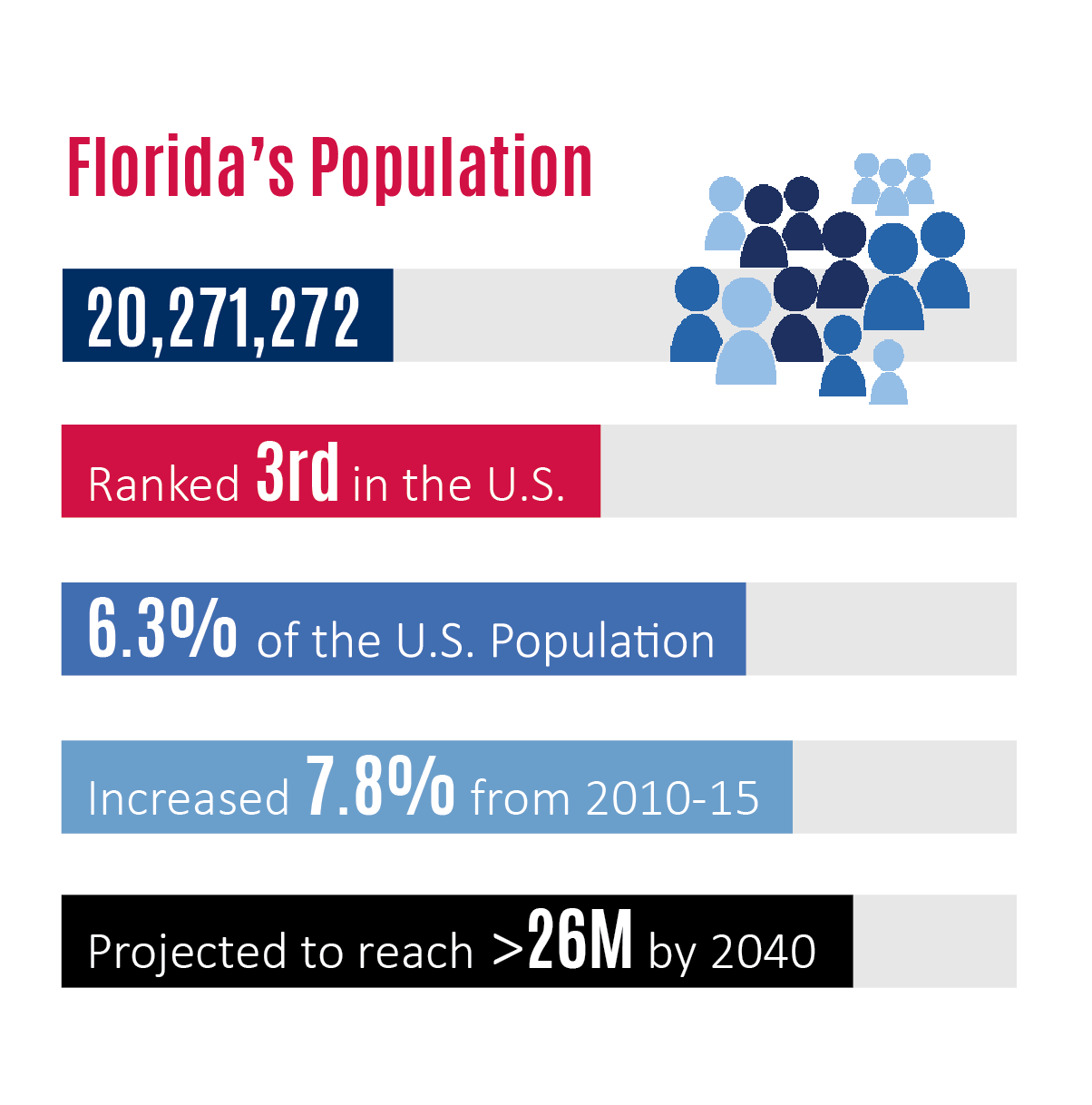
Florida’s population is a story of continuous expansion, marking it as a significant economic and cultural force in the United States. With a population consistently hovering around the 22 million mark in recent years, Florida has officially surpassed New York as the third most populous state. This dramatic growth is not accidental; it’s fueled by a potent combination of attractive lifestyle factors, economic opportunities, and a climate that beckons year-round.
Florida’s Rapid Growth and Its Allure
The allure of Florida is multifaceted. For many, it’s the promise of warm weather, an abundance of outdoor activities, and a perceived higher quality of life. The state’s lack of a state income tax is a significant draw for retirees and working professionals alike, contributing to a substantial influx of residents from other states, particularly those with higher tax burdens and colder climates. This sustained migration, coupled with natural population growth, has driven unprecedented demand for housing, infrastructure, and services, profoundly impacting the daily lives and long-term planning of communities across the state. This growth isn’t just about more people; it’s about the ever-evolving mix of aspirations and backgrounds that new residents bring, enriching the state’s cultural fabric and diverse lifestyle options.
Key Demographic Indicators
Understanding Florida’s demographic makeup provides crucial insights into its prevailing lifestyles. The state boasts a significantly older median age compared to the national average, largely due to its reputation as a retirement haven. This segment of the population brings with it a demand for specific services, healthcare facilities, and leisure activities tailored to active seniors, shaping the lifestyle offerings in many coastal and southwestern communities.
However, Florida is far from monolithic. It is also home to a burgeoning young professional population, particularly in its major urban centers like Miami, Orlando, and Tampa. These younger demographics are drawn by job opportunities, particularly in technology, finance, and tourism, and contribute to a vibrant, often fast-paced, urban lifestyle.
Ethnically, Florida is incredibly diverse. Hispanic or Latino residents constitute a large and growing percentage of the population, especially in South Florida. This rich cultural heritage profoundly influences everything from cuisine and music to festivals and community events, creating a multicultural lifestyle that is distinctively Floridian. Similarly, a significant African American population contributes to the state’s cultural mosaic, particularly in historical urban centers and northern Florida. This blend of cultures ensures a dynamic and varied lifestyle landscape, offering something for virtually everyone.
Diverse Lifestyles Across Florida’s Regions
The sheer size and geographical diversity of Florida mean that its population is not uniformly distributed, nor does it share a singular lifestyle. Instead, different regions have developed distinct identities, attracting various demographics seeking particular ways of life.
The Retirement Haven: Southwest Florida and the Gulf Coast
The southwestern and Gulf Coast regions of Florida are quintessential retirement destinations. Cities like Naples, Sarasota, and Fort Myers are characterized by a high proportion of retirees and seasonal residents, often referred to as “snowbirds.” The lifestyle here is centered around relaxation, golf, boating, pristine beaches, and community living. Healthcare facilities, adult education programs, and active lifestyle communities are abundant, catering to a demographic that values comfort, security, and a relaxed pace. This area exemplifies the quintessential “retired in paradise” Florida lifestyle.
Urban Vibrancy: Miami, Orlando, and Tampa
In stark contrast, Florida’s major metropolitan areas pulsate with youthful energy and urban dynamism. Miami, a global hub for finance, culture, and international trade, offers a fast-paced, luxurious lifestyle characterized by upscale dining, vibrant nightlife, and a strong Latin American influence. Its population is younger, more diverse, and highly career-focused, often balancing demanding professional lives with an active social scene.
Orlando, famous for its theme parks, is also a rapidly growing city attracting young families and professionals in the tourism, hospitality, and tech sectors. The lifestyle here often revolves around family-friendly entertainment, diverse job opportunities, and a more suburban feel despite its urban core. Tampa and its surrounding areas, including St. Petersburg and Clearwater, offer a blend of urban excitement, beautiful beaches, and a thriving job market, particularly in healthcare and finance. The population here enjoys a balanced lifestyle, with access to cultural attractions, sporting events, and outdoor recreation.
Family-Centric Living: Suburbs and Coastal Communities
Beyond the major cities, many suburban and coastal communities cater specifically to families. Areas like Boca Raton, Jupiter, and parts of Jacksonville offer excellent schools, safe neighborhoods, and a plethora of recreational activities for children and adults. The lifestyle is often community-oriented, with emphasis on parks, youth sports, and family-friendly events. These populations often comprise working professionals raising children, drawn by Florida’s favorable tax environment and the promise of a sunny upbringing for their families.
The Panhandle: A Different Pace of Life
The Florida Panhandle, culturally and geographically distinct from the rest of the state, offers a lifestyle more akin to the Deep South. Cities like Pensacola and Tallahassee have a slower pace, a strong sense of community, and a significant military presence. The population here often values tradition, outdoor activities like fishing and hunting, and a more conservative environment. This region appeals to those seeking a quieter, more rooted lifestyle away from the bustling tourist centers and urban sprawl of central and south Florida.
Economic Impact and Lifestyle Choices
The composition and growth of Florida’s population are intrinsically linked to its economic landscape, which in turn dictates the lifestyle choices available to its residents.
Job Market and Entrepreneurship
Florida’s robust job market, particularly in sectors like tourism, healthcare, technology, logistics, and aerospace, attracts a diverse workforce. The presence of major corporations and a burgeoning startup scene encourages an entrepreneurial spirit. For many, moving to Florida is a lifestyle choice predicated on career advancement or the ability to start a new business in a dynamic economic environment. The state’s business-friendly policies and growing population create fertile ground for innovation and professional growth, making it an attractive location for those seeking an ambitious career-oriented lifestyle.
Cost of Living and Housing Trends
The rapid population growth, while a sign of prosperity, also brings challenges, particularly concerning the cost of living. Housing prices, both for rental and ownership, have significantly increased in many desirable areas. This impacts lifestyle choices, compelling some to seek more affordable living in less populated regions or to adjust their expectations regarding housing size and location. While some areas offer luxurious, high-end living, others provide more budget-friendly options, catering to a spectrum of economic lifestyles. Understanding the population distribution helps identify where different economic strata tend to reside and thrive.
Education and Family Planning
The youthful segments of Florida’s population, particularly young families, place a high value on access to quality education. The state’s growing population has led to increased investment in public and private schools, as well as a robust system of colleges and universities. For families, the availability of good schools, coupled with the state’s outdoor lifestyle, influences decisions on where to settle and raise children, defining a specific family-centric lifestyle. This focus on education and family resources is a critical lifestyle consideration for many moving to or residing in Florida.
Florida’s Cultural Tapestry: How Population Shapes Identity
The sheer diversity of Florida’s population has woven a vibrant and complex cultural tapestry that defines the state’s identity and enriches its lifestyle offerings.
Influences of International Migration
Florida is a primary gateway for international migration, especially from Latin America and the Caribbean. This consistent inflow has profoundly shaped the state’s culture, particularly in South Florida. The culinary scene, music, art, and language are all heavily influenced by these communities, creating a truly global lifestyle experience. This cultural fusion allows residents to experience diverse traditions without leaving the state, fostering an open and cosmopolitan way of life.
Local Traditions and Community Spirit
Despite its rapid growth and diverse population, many Florida communities retain strong local traditions and a vibrant community spirit. From small-town festivals celebrating local produce to historical reenactments and regional arts events, these traditions provide a sense of belonging and continuity. These community-focused lifestyles offer a counterpoint to the fast-paced urban environments, allowing residents to choose a life that emphasizes local engagement and shared heritage.
Recreational Pursuits for Every Lifestyle
Florida’s population, with its varied demographics and interests, fuels an incredibly diverse range of recreational pursuits. The active older population supports a thriving golf and tennis scene, along with demand for cruise travel and cultural events. Younger demographics engage in water sports, theme park visits, and a dynamic nightlife. The state’s natural beauty, from the beaches of the Gulf Coast to the wilderness of the Everglades, offers opportunities for hiking, kayaking, fishing, and wildlife viewing, catering to outdoor enthusiasts across all age groups. This rich array of options ensures that every lifestyle, whether centered on adventure, relaxation, or cultural immersion, finds its niche in Florida.
Looking Ahead: Future Population Trends and Lifestyle Implications
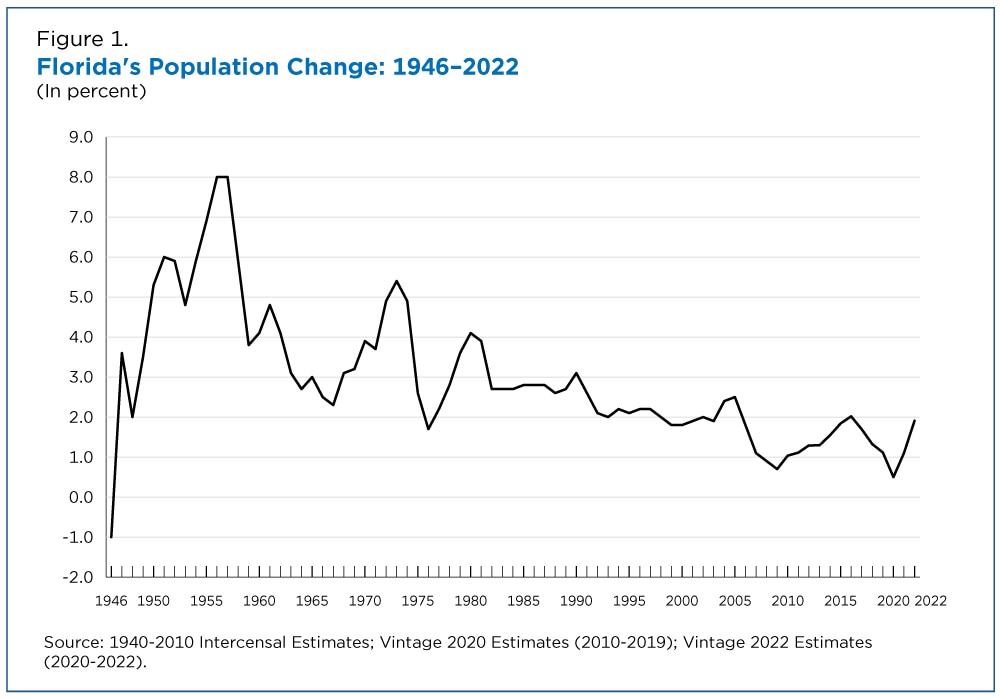
The trajectory of Florida’s population growth continues to be a topic of significant discussion, with profound implications for the state’s future lifestyle.
Sustainability and Infrastructure Challenges
Continued population growth presents substantial challenges related to sustainability and infrastructure. Managing water resources, protecting delicate ecosystems, and expanding transportation networks are critical issues. How Florida addresses these will directly impact the quality of life and the long-term viability of various lifestyles. Sustainable development and smart growth initiatives are becoming increasingly important for preserving the very natural beauty and resources that draw people to the state.
Adapting to Change: The Evolving Florida Lifestyle
As the population continues to grow and diversify, the “Floridian lifestyle” itself is constantly adapting. The influx of remote workers, the expansion of tech industries, and evolving retirement trends are all reshaping how people live, work, and play in the state. Florida is becoming more than just a vacation spot or a retirement haven; it’s a dynamic, multifaceted state offering a spectrum of lifestyles from high-octane urban living to tranquil rural retreats, all underpinned by its unique demographic composition. Understanding the nuances of “what is the Florida population?” is therefore essential for anyone seeking to appreciate the richness and complexity of life in the Sunshine State.
LifeOutOfTheBox is a participant in the Amazon Services LLC Associates Program, an affiliate advertising program designed to provide a means for sites to earn advertising fees by advertising and linking to Amazon.com. Amazon, the Amazon logo, AmazonSupply, and the AmazonSupply logo are trademarks of Amazon.com, Inc. or its affiliates. As an Amazon Associate we earn affiliate commissions from qualifying purchases.