
When planning a trip to the Sunshine State, understanding the ins and outs of its tax system is crucial for budgeting and avoiding any unwelcome surprises. Florida, renowned for its pristine beaches, thrilling theme parks, and vibrant culture, levies a sales tax on many goods and services. This tax plays a significant role in funding public services across the state, from education to infrastructure. For travelers and residents alike, a clear grasp of the Florida sales tax will ensure a smoother and more enjoyable experience, whether you’re booking a luxurious suite at the Ritz-Carlton, exploring the historic streets of St. Augustine, or enjoying a family vacation in Orlando.
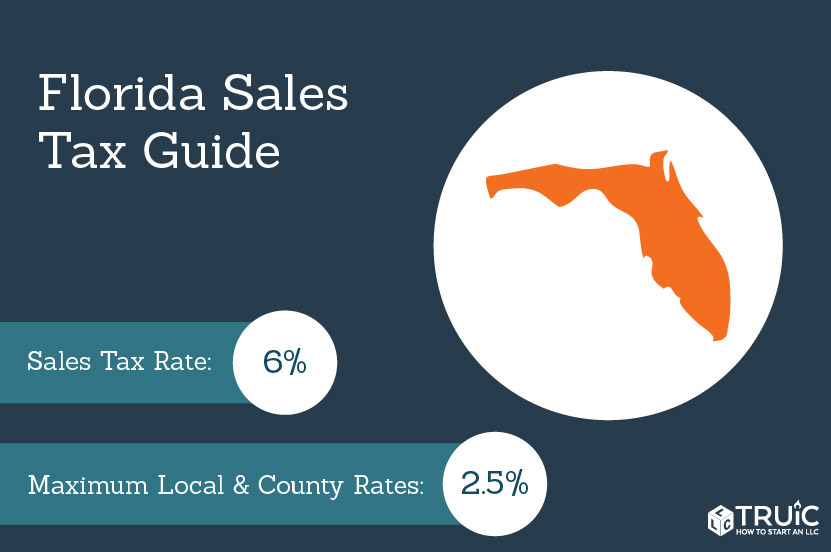
The Florida sales tax isn’t a single, flat rate applied uniformly across the board. Instead, it’s a complex system that involves a state-level tax, supplemented by local discretionary sales surtaxes in many counties. This means that the actual sales tax you pay can vary depending on where you make your purchase or consume a service within the state. For instance, a stay at a resort in Miami-Dade County might incur a slightly different total sales tax rate than a purchase made in Leon County. This guide aims to demystify the Florida sales tax, covering its rates, what it applies to, and how it might affect your travel plans.
Understanding Florida’s Sales Tax Structure
At its core, the Florida sales tax is an ad valorem tax, meaning it’s calculated based on the value of the taxable goods or services. The state government sets a base state sales tax rate, which is then combined with local surtaxes to form the total applicable rate. This dual-taxation system is common in many U.S. states, and Florida is no exception. The revenue generated from these taxes is vital for maintaining the state’s renowned attractions and services that draw millions of visitors each year.
The State Sales Tax Rate
The state of Florida imposes a general state sales tax rate. This rate is the foundation upon which all other sales tax calculations are built. While this rate has remained relatively stable over the years, it’s always a good idea to stay informed about any potential legislative changes. This base rate applies to a wide array of tangible personal property and taxable services purchased or consumed within the state. Understanding this fundamental rate is the first step to comprehending the overall tax burden.
Local Discretionary Sales Surtaxes
Beyond the state’s general sales tax, counties in Florida have the option to levy their own local discretionary sales surtaxes. These surtaxes, often referred to as “local option taxes,” are added to the state sales tax rate, increasing the total tax payable by the consumer. The rates of these local surtaxes vary from county to county, with some counties imposing no additional surtax, while others have several layers of local taxes. These funds are typically designated for specific local purposes, such as public transportation, education, or infrastructure improvements in cities like Tampa or Jacksonville. The variability of these local surtaxes is a key reason why the total sales tax rate can differ significantly from one part of Florida to another, impacting everything from a night at a charming boutique hotel to the purchase of souvenirs from local artisans.
What Is Taxable in Florida?
The scope of the Florida sales tax is broad, encompassing a wide range of transactions. Generally, tangible personal property and certain services are subject to sales tax unless specifically exempted by law. This includes everyday purchases and services that travelers often utilize. For instance, when you book an apartment or a villa for a longer stay in Florida Keys, the rental charges are typically subject to sales tax. Similarly, many of the experiences that make a trip to Florida memorable, from attending a show at a theme park to dining at a renowned restaurant, may also have sales tax applied.
Tangible Personal Property
This category broadly covers physical items that can be touched and moved. When you purchase items like clothing, electronics, furniture, souvenirs, or even groceries (with some exceptions), the sales tax is typically applied at the point of sale. This extends to items purchased at popular shopping destinations across the state, from the high-end boutiques in Bal Harbour to the sprawling outlet malls near Orlando.
Taxable Services
In addition to tangible goods, Florida also imposes sales tax on a variety of services. This is where the tax can become particularly relevant for travelers. Examples of taxable services include:
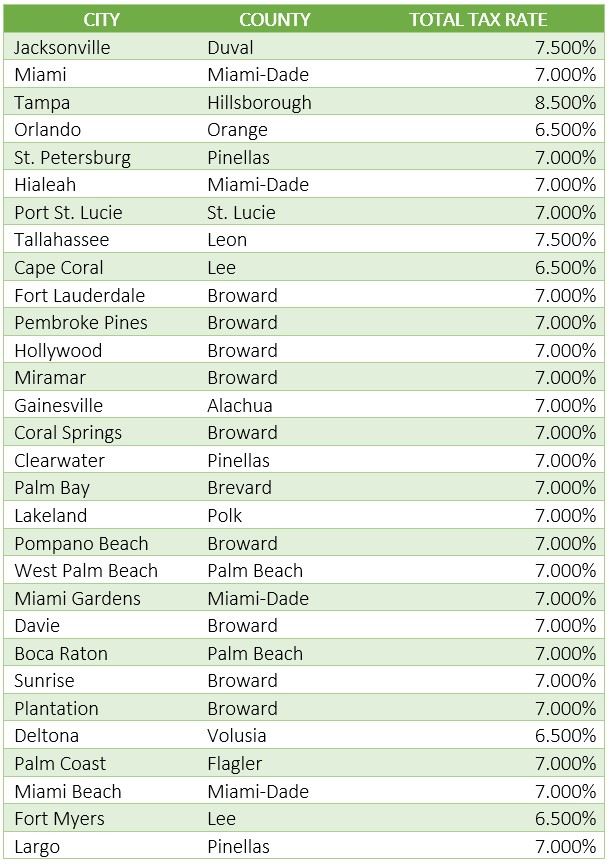
- Accommodations: Hotel rooms, resort suites, apartment rentals, and vacation home rentals are generally subject to sales tax. This applies whether you’re booking a short stay at a luxury resort like the Four Seasons Resort Orlando at Walt Disney World Resort or a more budget-friendly motel. The tax is typically calculated on the total rental charge.
- Repairs and Maintenance: Services like the repair of tangible personal property (e.g., fixing your car or electronics) are usually taxable.
- Amusement and Recreation Services: Entrance fees to theme parks, attractions like Everglades National Park, movie theaters, sporting events, and other forms of entertainment are generally subject to sales tax. This is a significant factor for families planning a trip to Florida‘s world-famous entertainment hubs.
- Contracting Services: Construction and repair services performed on real property are subject to sales tax, though the specifics can be complex and depend on whether the contractor is performing work for a business or an individual.
- Other Miscellaneous Services: Various other services, such as those provided by dry cleaners, exterminators, and even certain professional services like accounting and legal services (though exemptions exist), can be subject to sales tax.
It’s important to note that the list of taxable services is extensive, and the Department of Revenue provides detailed guidance. For travelers, especially those engaging in diverse activities and utilizing various services, keeping an eye on this can help manage expectations for overall trip costs.
Exemptions and Special Considerations
While the Florida sales tax is comprehensive, there are specific exemptions and special considerations that can impact your expenses. Understanding these can lead to significant savings, particularly for extended stays or for those who qualify for certain exemptions.
Exemptions for Certain Goods and Services
Florida law provides exemptions for specific categories of goods and services to achieve various public policy goals. Some common exemptions include:
- Groceries: Most unprepared food items intended for home consumption are exempt from sales tax. This means your weekly shop at a grocery store in cities like Clearwater will likely not include sales tax on items like milk, bread, and produce. However, prepared foods and certain other items like candy and soft drinks are often taxable.
- Prescription Medications and Medical Supplies: Medicines purchased with a prescription, as well as certain medical supplies, are generally exempt.
- Agricultural Products: Certain agricultural products are exempt to support the state’s farming industry.
- Manufacturing Machinery: Machinery and equipment used in manufacturing are often exempt to encourage industrial development.
- Services for Resale: If you are a business purchasing goods or services with the intention of reselling them, you may be able to purchase them tax-exempt by providing a resale certificate.
Sales Tax on Tourism-Related Purchases
For tourists, the application of sales tax on accommodations and attractions is a primary concern. The rates can add a noticeable percentage to the cost of your stay at a resort in Naples or your tickets to a theme park in Lake Buena Vista. However, it’s worth noting that some cities or specific districts may have their own tourism taxes or resort fees that are separate from the state and local sales tax, though these are often collected and remitted alongside the sales tax.
When booking hotels or vacation rentals, always check the total price, which should itemize any applicable sales taxes and resort fees. Many online booking platforms will provide an estimated tax amount during the booking process. For attractions, the advertised ticket price may or may not include sales tax, so it’s wise to verify this at the time of purchase. For example, a visit to SeaWorld Orlando will have sales tax applied to the ticket price.
Long-Term Rentals and Seasonal Stays
The treatment of sales tax for accommodations can differ based on the duration of the rental. While short-term hotel stays are generally subject to sales tax, longer-term rentals of residential property may be treated differently. For instance, rentals of residential apartments or houses for a period exceeding six months are typically exempt from sales tax. However, this exemption usually applies to genuine leases where the tenant occupies the premises as their residence. Vacation rentals, even for extended periods within a year but not exceeding six months continuously, might still be subject to sales tax. It’s always best to confirm the specific tax implications with the property owner or booking agency, especially when considering a long-term stay in a place like a villa in Palm Beach County.
Business Use and Sales Tax
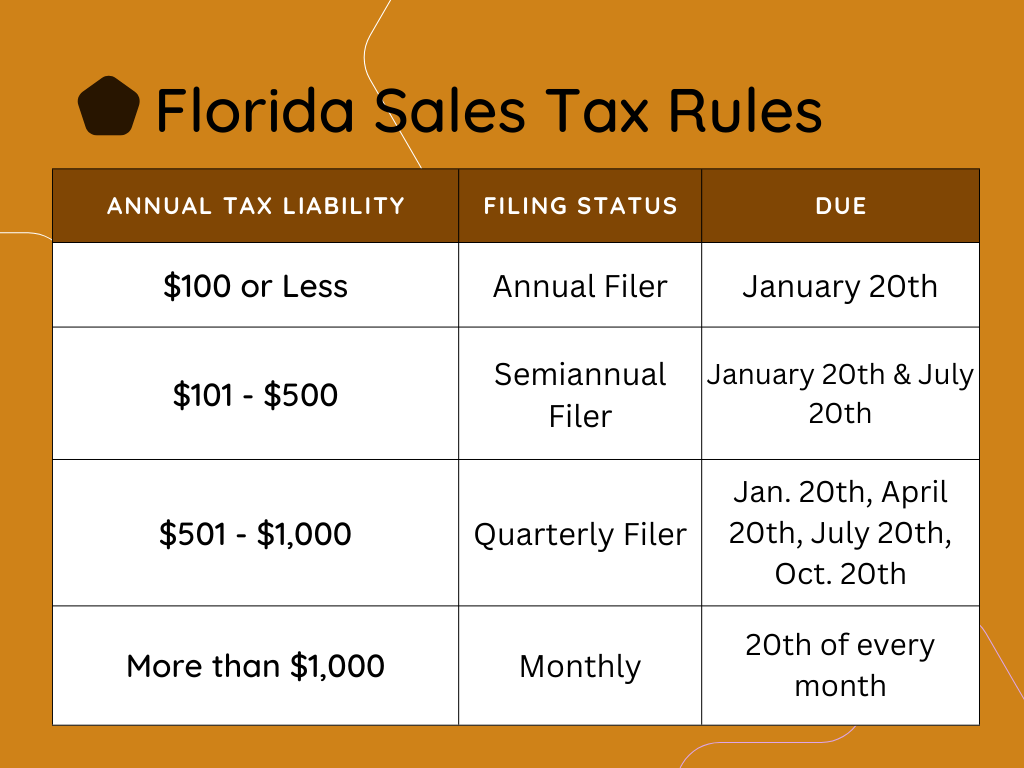
Businesses operating in Florida have additional considerations. They are responsible for collecting sales tax from their customers on taxable goods and services and remitting it to the state. They may also be eligible for certain exemptions, such as those for purchasing materials for resale or for equipment used in production. Businesses also need to be aware of the tangible personal property tax, which is a separate tax on business assets.
In conclusion, the Florida sales tax is a multifaceted system that impacts both residents and visitors. By understanding the state and local rates, the range of taxable goods and services, and the available exemptions, you can better manage your budget and make informed decisions throughout your travels or business activities in the Sunshine State. Whether you’re planning a luxurious escape to a beachfront resort, a family adventure to the theme parks, or a quiet retreat to explore the natural beauty of Florida, a little knowledge about sales tax goes a long way in ensuring a seamless and enjoyable experience.
LifeOutOfTheBox is a participant in the Amazon Services LLC Associates Program, an affiliate advertising program designed to provide a means for sites to earn advertising fees by advertising and linking to Amazon.com. Amazon, the Amazon logo, AmazonSupply, and the AmazonSupply logo are trademarks of Amazon.com, Inc. or its affiliates. As an Amazon Associate we earn affiliate commissions from qualifying purchases.