
Florida, often lauded as the Sunshine State, offers more than just pristine beaches and vibrant cities; it presents a distinctive financial landscape that significantly shapes the lifestyle of its residents, retirees, and businesses. Understanding the intricacies of Florida’s state tax structure is paramount for anyone considering making this dynamic state their home, a destination for business ventures, or even a prolonged stay. Far from a simple matter, the state’s approach to taxation is a calculated balance that provides certain advantages while necessitating careful financial planning in other areas. For those drawn to the prospect of a Florida lifestyle, from budget-conscious travelers to high-net-worth individuals, grasping these tax nuances is key to optimizing one’s financial well-being and enjoying all that the state has to offer.
The Sunshine State’s Distinctive Tax Landscape
Florida’s tax system stands out in the United States, primarily due to its omission of a significant tax burden that many other states impose. This deliberate structure is a cornerstone of the state’s economic appeal and a major driver for population and business growth. However, to maintain its robust public services and infrastructure, the state strategically leverages other forms of taxation, creating a unique financial ecosystem that requires a comprehensive understanding.
A Favorable Climate for Individuals: No State Income Tax
Perhaps the most celebrated aspect of Florida’s tax policy is the absence of a state individual income tax. This crucial distinction means that residents do not pay a percentage of their wages, salaries, or other personal income to the state government, a common levy in many other states. For individuals, this translates into a higher take-home pay, directly impacting their disposable income and overall financial lifestyle. This policy is a powerful magnet for professionals, families, and particularly retirees, who see their pensions, social security benefits, and other retirement income entirely exempt from state-level income taxation.
The absence of an income tax is not merely a small perk; it fundamentally redefines personal financial planning within the state. It allows individuals to allocate a larger portion of their earnings towards savings, investments, discretionary spending, or even contributing to the local economy through purchases and services. For those accustomed to paying state income tax elsewhere, moving to Florida can represent a substantial increase in their annual net income, fostering a more affluent and flexible lifestyle. This policy also makes Florida an attractive hub for “snowbirds” and part-time residents looking to establish domicile in a tax-friendly environment.
The Trade-Off: Sales and Property Taxes
While the lack of state income tax is a significant boon, it’s essential to understand how Florida compensates for this revenue gap. The state heavily relies on sales taxes and local property taxes to fund its public services, infrastructure projects, and educational systems. This creates a different kind of financial landscape, where consumption and real estate ownership become the primary avenues for tax collection.
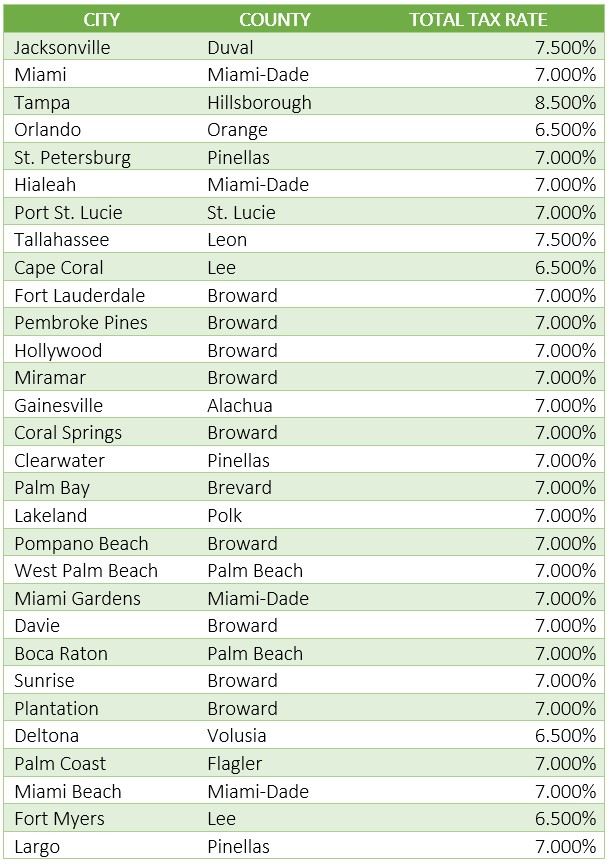
The state sales tax in Florida is applied to most goods and services, with some notable exceptions. This broad application means that nearly every purchase, from a new car to a restaurant meal, contributes to the state’s coffers. Additionally, local governments (counties) have the authority to impose their own discretionary sales surtaxes, which are added on top of the statewide rate. This results in varying combined sales tax rates across different counties, influencing the cost of living depending on where one chooses to reside or conduct business. For instance, a purchase in Miami-Dade County might carry a different combined sales tax rate than one in Orange County (home to Orlando‘s theme parks), impacting both tourists and residents alike.
Property taxes, another critical revenue source, are levied at the local level by counties, municipalities, and special districts. These taxes are based on the assessed value of real estate and are used to fund local services such as schools, police, fire departments, and roads. While property taxes can be substantial, Florida offers several exemptions, most notably the homestead exemption, which reduces the taxable value of an owner-occupied primary residence. These exemptions are vital for making homeownership more accessible and maintaining the state’s appeal, especially for long-term residents and retirees on fixed incomes. Understanding these exemptions and how property values are assessed is crucial for anyone considering purchasing real estate in Florida.
Navigating Taxes for Residents and Retirees
For individuals making Florida their permanent home or choosing it as their retirement haven, a clear understanding of the state’s tax system is fundamental to sound financial planning. The absence of an income tax simplifies many aspects but places greater emphasis on managing consumption and real estate-related expenses.
Understanding Sales Tax: From Groceries to Gastronomy
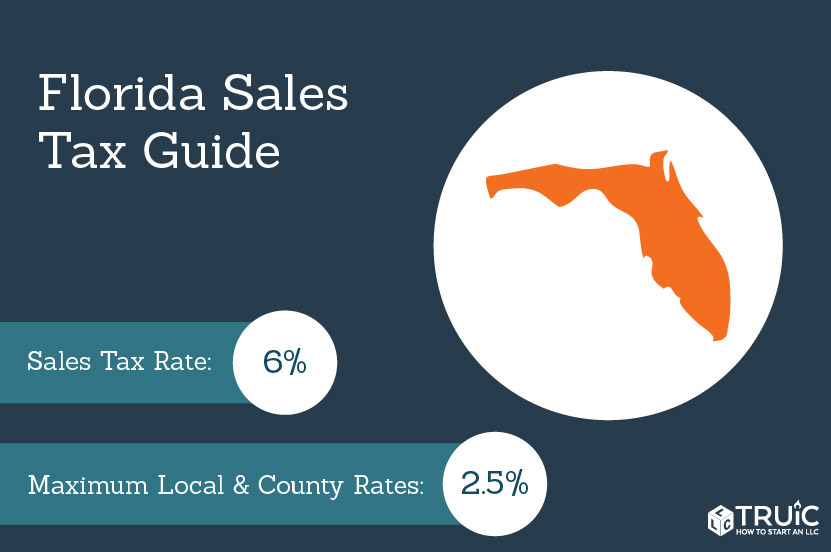
The sales tax in Florida is a ubiquitous part of daily life. The statewide general sales tax rate is 6%, but as mentioned, county surtaxes can push the combined rate higher. For example, in Hillsborough County (where Tampa is located), the combined sales tax rate might be 8.5%. This means that for every $100 spent on taxable goods or services, an additional $6 to $8.50 is added to the bill.
It’s important to distinguish what is and isn’t subject to sales tax. Most tangible personal property, such as clothing, electronics, vehicles, and furniture, is taxable. Services are generally exempt unless specifically enumerated (e.g., rental of commercial real property). Food items are a significant category to understand: groceries are typically exempt from sales tax, but prepared foods purchased at restaurants or take-out establishments are subject to the tax. This distinction can influence everyday budgeting and dining habits for residents and tourists alike. Similarly, admission tickets to attractions, rental cars, and hotel accommodations are all subject to sales tax, impacting the cost of leisure activities and travel within the state.
Property Tax: A Localized Financial Consideration
Property taxes are a significant recurring expense for homeowners in Florida. These taxes are assessed annually by the county property appraiser and collected by the county tax collector. The amount paid depends on the assessed value of the property and the cumulative millage rates set by various local taxing authorities. A “mill” represents $1 for every $1,000 of assessed value. Millage rates vary significantly from one county to another, and even within different municipalities or special districts within the same county.
To mitigate the burden, Florida offers several valuable property tax exemptions. The most prominent is the homestead exemption, which can reduce the taxable value of an owner-occupied primary residence by up to $50,000. Other exemptions are available for seniors, disabled veterans, and first responders, among others. Furthermore, Florida’s “Save Our Homes” amendment caps the annual increase in the assessed value of homesteaded properties at 3% or the percentage change in the Consumer Price Index, whichever is lower. This protection helps to shield homeowners from sharp increases in property taxes, providing long-term financial stability and making the dream of homeownership more sustainable, especially in rapidly appreciating real estate markets like Sarasota or Naples. Careful consideration of property tax implications and available exemptions is crucial when selecting a place to live.
Beyond the Big Two: Other Taxes to Note
While sales and property taxes are the most impactful for the average resident, several other taxes contribute to Florida’s revenue streams and affect specific aspects of life:
- Documentary Stamp Tax: This tax is levied on documents that transfer interest in Florida real property, such as deeds, and on promissory notes and other written obligations to pay money. It’s typically encountered during real estate transactions.
- Intangible Tax: This tax applies to obligations to pay money secured by a mortgage or deed of trust on Florida real property. It’s usually paid at the time of recording the mortgage.
- Motor Fuel Tax: A per-gallon tax on gasoline and diesel fuel, contributing to road construction and maintenance.
- Communication Services Tax: Applies to communication services like local and long-distance telephone, cellular phone, and video services.
- Tourist Development Tax (Bed Tax): Most counties levy an additional tax on the rental of transient accommodations (e.g., hotels, vacation rentals) for six months or less. This is primarily paid by visitors but can affect residents who use short-term rentals.
Understanding these additional taxes ensures a holistic view of the financial responsibilities associated with living and engaging in economic activities in Florida.
The Entrepreneurial Edge: Business and Corporate Taxes in Florida
Florida’s tax environment is not just favorable for individuals; it also offers a compelling landscape for businesses, from small startups to large corporations. The state actively promotes a pro-business climate, often citing its tax structure as a key advantage for economic development and job creation. For entrepreneurs and companies eyeing expansion, the Florida tax code can significantly impact profitability and operational costs, shaping their overall business lifestyle.
Corporate Income Tax: What Businesses Need to Know
Unlike the absence of an individual income tax, Florida does impose a corporate income tax. However, compared to many other states, Florida’s corporate income tax rate is relatively modest. As of current statutes, the rate is 5.5% on a corporation’s net income, with an exemption for the first $50,000 of taxable income. This means smaller businesses and startups can often operate without incurring any state corporate income tax liability.
This competitive rate, combined with other business-friendly policies, makes Florida an attractive location for various industries. For companies considering relocation or expansion, the lower corporate tax burden can translate into higher retained earnings, which can then be reinvested into growth, research and development, or employee compensation. This directly contributes to a more robust and dynamic business lifestyle, fostering innovation and economic vitality across the state, from the tech hubs of St. Petersburg to the logistics centers near major ports like Jacksonville.
It’s important to note that certain business structures, such as sole proprietorships, partnerships, and S-corporations, are typically considered “pass-through” entities and are generally not subject to the corporate income tax at the entity level. Instead, the income is passed through to the owners’ individual tax returns, where it benefits from Florida’s no-state-income-tax policy for individuals. This further enhances the appeal for many small and medium-sized enterprises (SMEs).
Sales Tax Collection for Businesses
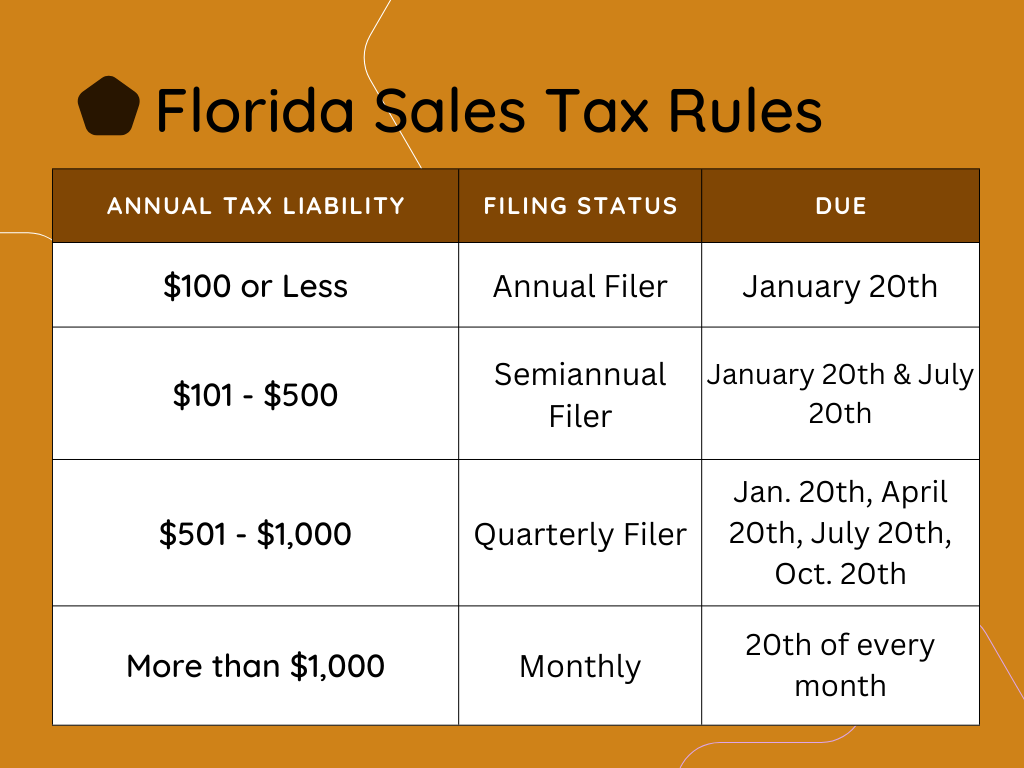
Businesses in Florida that sell taxable goods or services are generally required to register with the Florida Department of Revenue and collect sales tax from their customers. This responsibility extends to both brick-and-mortar stores and online retailers with a physical presence or significant economic nexus in the state. Businesses then remit these collected taxes to the state on a periodic basis (monthly, quarterly, or annually, depending on sales volume).
Managing sales tax collection and remittance requires careful attention to detail. Businesses must accurately apply the correct combined state and local sales tax rates, which can vary by county, to their transactions. For multi-location businesses or those selling across different counties, this necessitates robust accounting systems to ensure compliance. Failure to properly collect and remit sales tax can result in penalties and interest. However, for businesses that effectively manage this process, the system is relatively straightforward, contributing to a predictable operational environment.
The Business Lifestyle Advantage
The cumulative effect of Florida’s tax policies creates a significant business lifestyle advantage. The lower corporate income tax rate, combined with the absence of individual income tax for owners of pass-through entities, means that entrepreneurs and business owners can often retain more of their profits. This financial flexibility can be crucial for bootstrapping new ventures, weathering economic downturns, or funding aggressive expansion plans.
Moreover, the tax structure contributes to a strong labor market. The higher take-home pay for employees due to no state income tax can make it easier for Florida businesses to attract and retain talent. This talent pool, combined with a supportive regulatory environment and access to major transportation hubs, positions Florida as a dynamic place for businesses to thrive, fostering innovation and contributing to a vibrant economic lifestyle for all involved.
Maximizing Your Financial Lifestyle in Florida
Understanding Florida’s state tax system is more than just knowing rates; it’s about strategically planning to optimize your financial well-being and enhance your chosen lifestyle within the state. Whether you’re a long-time resident, a new transplant, or a business owner, effective tax planning can unlock significant advantages.
Budgeting for the Florida Lifestyle
For individuals, budgeting in Florida means shifting focus from state income tax liabilities to managing sales and property taxes. For homeowners, understanding your property’s assessed value, potential millage rates, and available homestead and other exemptions is crucial for accurately forecasting annual expenses. For all residents, factoring in the state and local sales tax rates into everyday purchases, from big-ticket items to daily expenditures, helps in creating a realistic budget.
Consideration should also be given to specific lifestyle choices. For instance, frequent dining out will incur more sales tax than cooking at home. Choosing a county with a lower local sales surtax or more favorable property tax rates can impact overall living costs. Smart budgeting involves not just tracking income but also anticipating these consumption-based and property-related tax expenses. This approach allows individuals to maximize their discretionary income, save effectively, and enjoy the many amenities and experiences Florida has to offer.
The Appeal for Relocation and Investment
Florida’s tax structure makes it exceptionally attractive for relocation, particularly for retirees and high-net-worth individuals. The absence of state income tax means that retirement income, investment earnings (like capital gains, dividends, and interest), and other forms of passive income are not subjected to an additional state levy. This can significantly preserve wealth and extend the longevity of retirement savings.
For investors, the business-friendly environment and competitive corporate tax rate can make Florida an appealing location for deploying capital. Real estate investors also benefit from transparent property tax structures and the “Save Our Homes” amendment for homesteaded properties, which can provide a degree of predictability in holding costs. The state’s consistent population growth also fuels demand for housing and services, presenting opportunities for real estate and business investment.
Expert Guidance for Tax Planning
Navigating the nuances of Florida’s tax system, especially when combined with federal tax obligations, can be complex. Seeking advice from qualified tax professionals, such as certified public accountants (CPAs) or financial advisors specializing in Florida tax law, is highly recommended. These experts can provide personalized guidance on maximizing exemptions, structuring businesses efficiently, and planning for retirement or wealth transfer in a tax-advantageous manner.
Whether you’re moving to Florida, starting a business, or simply managing your finances within the state, proactive tax planning is essential. By understanding “What Is The Florida State Tax?” and its implications for your specific financial situation, you can strategically position yourself to thrive in the Sunshine State, enjoying a richer, more secure, and fulfilling lifestyle. The unique balance of no income tax coupled with robust sales and property taxes defines the Florida financial experience, offering distinct advantages for those who understand how to navigate it effectively.
LifeOutOfTheBox is a participant in the Amazon Services LLC Associates Program, an affiliate advertising program designed to provide a means for sites to earn advertising fees by advertising and linking to Amazon.com. Amazon, the Amazon logo, AmazonSupply, and the AmazonSupply logo are trademarks of Amazon.com, Inc. or its affiliates. As an Amazon Associate we earn affiliate commissions from qualifying purchases.