
California, the Golden State, is renowned for its diverse landscapes, from the towering redwood forests of the north to the sun-drenched beaches of Southern California, and its vibrant cultural tapestry. While many associate the state with iconic imagery like the Hollywood sign or the Golden Gate Bridge, its natural beauty also holds a special place in its identity. Understanding the state symbols, including its official flower, offers a deeper appreciation for the unique character and heritage of California. This exploration delves into the origins, significance, and enduring appeal of the official flower that represents this dynamic and expansive state.

The Unveiling of California’s Floral Emblem
The journey to establishing an official state flower was a collaborative effort, reflecting a growing sense of state pride and a desire to celebrate its natural splendor. Long before it was formally recognized, a particular bloom held a special place in the hearts of Californians, its presence woven into the fabric of the state’s history and culture.
A Bloom of Distinction: The Poppy’s Rise
The California poppy, scientifically known as Eschscholzia californica, was not an immediate choice. For years, various flowers were informally considered emblematic of the state. However, the vibrant orange hue of the California poppy, often found carpeting hillsides in breathtaking displays, began to capture the public imagination. Its resilience, beauty, and widespread presence across the state made it a natural contender.
The movement to officially designate the poppy gained momentum in the early 20th century. Various individuals and organizations championed its cause, recognizing its unique connection to the state’s identity. This grassroots advocacy played a crucial role in its eventual recognition.
Legislative Approval: A State Symbol is Born
The formal recognition of the California poppy as the official state flower came through legislative action. On April 23, 1903, Governor George C. Pardee signed a bill that officially designated the California poppy as the state’s floral emblem. This date is now celebrated annually as “California Poppy Day,” further cementing the flower’s status. The choice was met with widespread approval, as the poppy was already deeply ingrained in the state’s natural scenery and cultural consciousness.
The legislative process involved public input and debate, highlighting the importance of a state symbol that truly resonated with its citizens. The poppy, with its striking visual appeal and deep roots in the California landscape, proved to be an ideal candidate.
The Symbolism and Significance of the California Poppy
The California poppy is more than just a beautiful flower; it is a potent symbol of the state’s character, history, and natural heritage. Its attributes resonate with the very essence of California, from its golden landscapes to its pioneering spirit.
A Tapestry of Golden Hues
The most striking characteristic of the California poppy is its brilliant orange-gold color, which often blankets vast expanses of the state’s rolling hills and meadows, particularly during the spring bloom. This vibrant hue is intrinsically linked to the “Golden State” moniker, evoking images of the Gold Rush era and the state’s sun-drenched environment. The sight of fields ablaze with these flowers is an iconic California experience.
Beyond the prevalent orange, the poppy also blooms in shades of yellow, red, and even pink, adding to its diversity and visual appeal. This natural variation mirrors the diverse ecosystems and vibrant communities found throughout California.
Resilience and Adaptation: A Spirit of the West
The California poppy is a testament to resilience and adaptability. It thrives in arid conditions, often flourishing in poor soil and surviving long, dry summers. This hardiness is symbolic of the pioneering spirit that characterized the settlement of California and the ability of its people to overcome challenges.
Its ability to reseed itself and spread easily across varied terrains also speaks to the state’s dynamic and ever-evolving nature. The poppy represents a connection to the land and an enduring presence that withstands the passage of time and changing circumstances.
Cultural and Historical Connections
The California poppy has a long history of appreciation by indigenous peoples of California, who utilized its seeds, oil, and sap for various medicinal and practical purposes. This deep-rooted connection to the land adds another layer of historical and cultural significance to the flower’s status.
Historically, the poppy was also a prominent feature of the landscape encountered by early European settlers and the prospectors of the Gold Rush. Its omnipresence served as a visual anchor, a constant reminder of the natural beauty that greeted them. The flower became a visual shorthand for California itself, appearing in art, literature, and promotional materials long before its official designation.
Experiencing the California Poppy: Where and When to See It
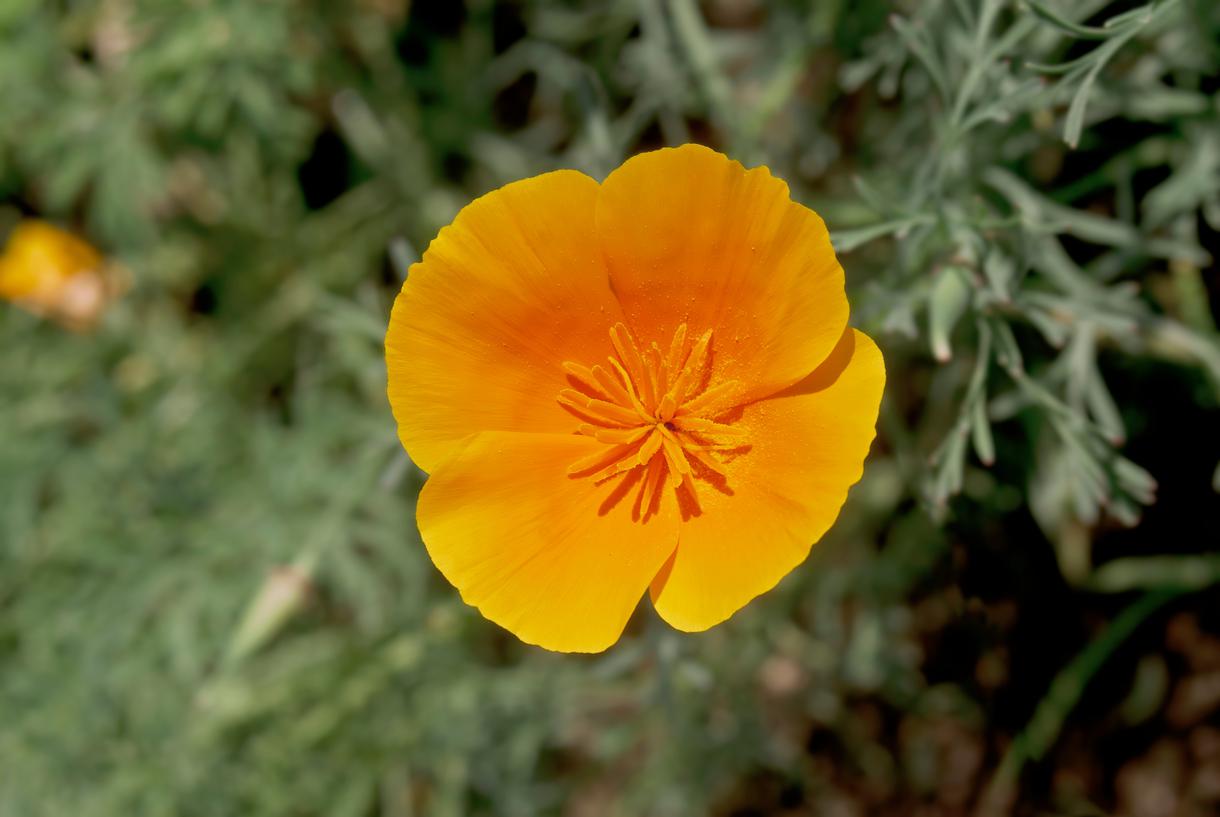
The beauty of the California poppy is best appreciated in its natural habitat. Fortunately, opportunities to witness its splendor are abundant across the state, offering a delightful experience for travelers and locals alike.
The “Super Bloom” Phenomenon
California is famous for its “super blooms,” rare events where an exceptional amount of rainfall followed by favorable conditions leads to an explosion of wildflowers. During these times, vast hillsides and desert landscapes are transformed into seas of color, with the California poppy being a dominant and spectacular presence. These events draw significant attention and are considered a major natural attraction.
While super blooms are unpredictable, they are most likely to occur in years with ample winter and early spring rainfall. Regions like the Antelope Valley California Poppy Reserve, Anza-Borrego Desert State Park, and Carrizo Plain National Monument are particularly renowned for these breathtaking displays.
Year-Round Presence and Viewing Locations
Even outside of super bloom years, California poppies can be found throughout the state, dotting roadsides, open fields, and hillsides. They are a common sight in many state parks, national forests, and open spaces.
- Antelope Valley California Poppy Reserve: Located in the western Mojave Desert, this reserve is dedicated to preserving and showcasing the California poppy. During peak season, it is a prime destination for experiencing large concentrations of the flowers.
- Golden Gate National Recreation Area: Even in the more urbanized areas around San Francisco, poppies can be found blooming in meadows and open spaces, offering a natural spectacle amidst the city.
- Coastal Ranges and Foothills: Many areas along the Coast Ranges and foothills, particularly in Southern California, feature poppies in spring and early summer.
- National Forests: Various national forests across the state, such as the Angeles National Forest and San Bernardino National Forest, offer opportunities to see poppies in their natural settings.
The best time to view California poppies is typically from late winter through spring, depending on the specific region and rainfall. Peak bloom often occurs between March and May.
Cultivating and Conserving the Golden Bloom
The enduring appeal of the California poppy has led to efforts not only to appreciate but also to cultivate and conserve this iconic flower. Understanding its needs and the challenges it faces is crucial for ensuring its continued presence in the state’s landscape.
Cultivation Tips for Home Gardeners
California poppies are relatively easy to grow in home gardens, provided they have ample sunlight and well-draining soil. They are drought-tolerant once established, making them ideal for water-wise landscaping.
- Sowing Seeds: Seeds can be sown directly into the ground in the fall or early spring. They benefit from a period of cold stratification, so fall planting is often preferred.
- Sunlight: California poppies require full sun to thrive and produce abundant blooms.
- Soil: They prefer well-draining soil and can tolerate poor soil conditions. Avoid overly rich or heavily amended soils, which can lead to leggy growth and fewer flowers.
- Watering: Once established, they are very drought-tolerant. Overwatering can lead to root rot.
- Deadheading: Removing spent blooms can encourage further flowering, though they are also prolific self-seeders.
Conservation Efforts and Challenges
While California poppies are widespread and not considered endangered, their habitats can be threatened by development, agriculture, and invasive plant species. Conservation efforts focus on preserving natural areas where they grow and promoting responsible land management practices.
The popularity of the poppy also presents challenges. During peak bloom, popular viewing sites can experience significant foot traffic, potentially damaging the delicate plants. It is crucial for visitors to stay on designated paths and avoid picking the flowers to ensure their preservation for future generations. Promoting awareness about the importance of respecting natural habitats is key to their long-term survival.
Beyond the Bloom: The California Poppy’s Enduring Legacy
The California poppy’s status as the official state flower is more than a mere designation; it is a symbol that embodies the spirit of the Golden State. Its vibrant beauty, resilience, and deep historical roots resonate with Californians and visitors alike.
A Symbol of Golden State Identity
From the rolling hills painted with its fiery hues to its tenacious spirit in diverse climates, the California poppy is an undeniable representation of California. It evokes images of open spaces, natural beauty, and a sense of freedom. Its presence is a constant reminder of the unique character that makes California such a beloved destination.
The poppy’s journey from a wild bloom to a state symbol reflects a collective appreciation for the natural world and its integral role in shaping the identity of a place. It is a symbol that transcends mere aesthetics, carrying with it the history, culture, and aspirational spirit of California.
A Natural Treasure for All
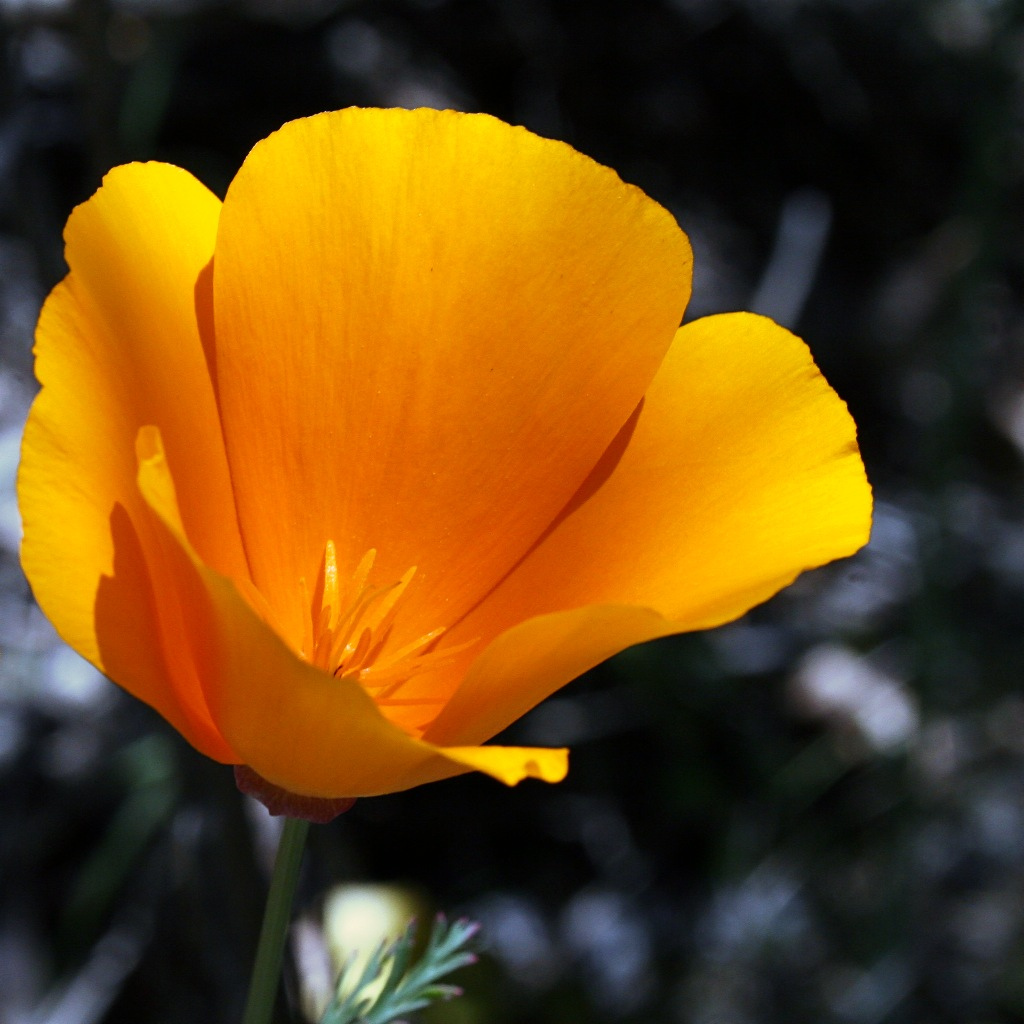
Whether admired in a vast, wild meadow or as a cherished bloom in a garden, the California poppy offers a moment of natural wonder. Its enduring legacy is a testament to the power of nature to inspire, connect, and define a place. As the Golden State continues to evolve, its official flower remains a constant, vibrant emblem of its enduring beauty and spirit.
LifeOutOfTheBox is a participant in the Amazon Services LLC Associates Program, an affiliate advertising program designed to provide a means for sites to earn advertising fees by advertising and linking to Amazon.com. Amazon, the Amazon logo, AmazonSupply, and the AmazonSupply logo are trademarks of Amazon.com, Inc. or its affiliates. As an Amazon Associate we earn affiliate commissions from qualifying purchases.