
Traveling across the globe, or even just within a vast country like the United States, often brings with it the challenge of time zone adjustments. For those planning a trip to the sunny shores and diverse landscapes of California, understanding its position on the global clock in relation to Greenwich Mean Time (GMT) is not merely a technicality but a crucial element for seamless travel planning and a truly enjoyable experience. From coordinating flights to scheduling unforgettable adventures, time is of the essence. This guide aims to demystify California’s time zone, explain its relationship to GMT, and provide practical insights for travelers.
Decoding Global Time: Understanding GMT and Its Significance
To comprehend California’s time zone, we must first establish a foundational understanding of global timekeeping, spearheaded by concepts like GMT and Coordinated Universal Time (UTC).
The Foundation of Timekeeping: What is GMT?
Greenwich Mean Time (GMT) serves as the bedrock of our modern time system. Originating from the Royal Observatory in Greenwich, London, United Kingdom, it represents the mean solar time at the prime meridian, designated as 0 degrees longitude. Historically, GMT was paramount for navigation, particularly for mariners, providing a global reference point against which local times could be measured. While GMT still holds cultural and practical significance, especially in the United Kingdom and some Commonwealth nations, the modern scientific and international standard for timekeeping is Coordinated Universal Time (UTC). For most practical purposes, particularly regarding time zone offsets, GMT and UTC are identical; they both represent the time at the 0-hour meridian. The primary difference lies in their definition: GMT is an astronomical term, while UTC is based on highly precise atomic clocks.
The Concept of Time Zones
The necessity for time zones arises from the Earth’s rotation. As our planet spins on its axis, different parts of the world experience sunrise, noon, and sunset at different moments. To avoid a chaotic system where every city had its own unique time, the world was divided into 24 primary time zones, roughly corresponding to 15 degrees of longitude each. These zones are typically expressed as offsets from GMT or UTC, such as GMT+1 (one hour ahead of Greenwich) or GMT-5 (five hours behind Greenwich). This standardized system ensures that noon is generally around the time the sun is highest in the sky in any given region, facilitating international communication, commerce, and, crucially, travel.
California’s Place on the Global Clock: PST and PDT Explained
When we talk about the GMT for California, we are referring to its offset from this global reference point, which changes depending on the time of year due to Daylight Saving Time.
The Pacific Standard Time (PST) Zone
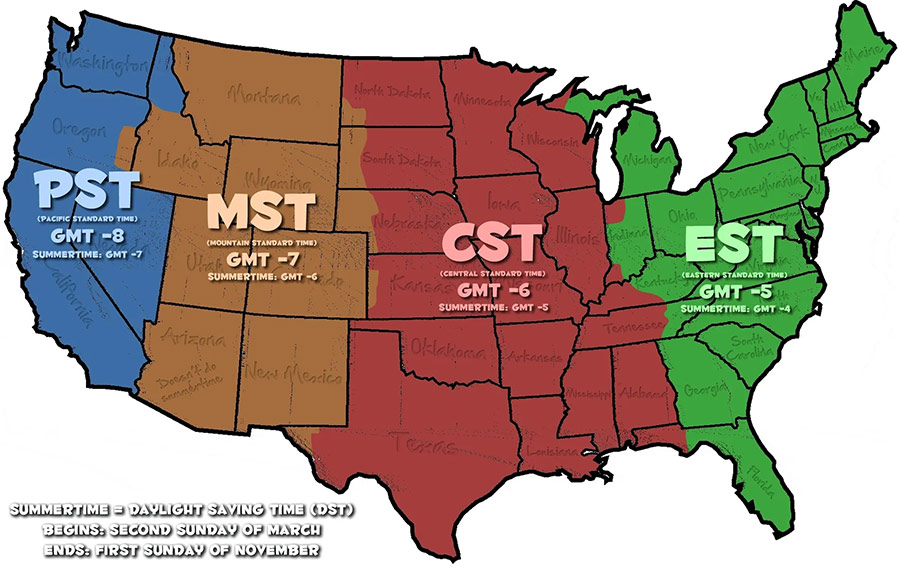
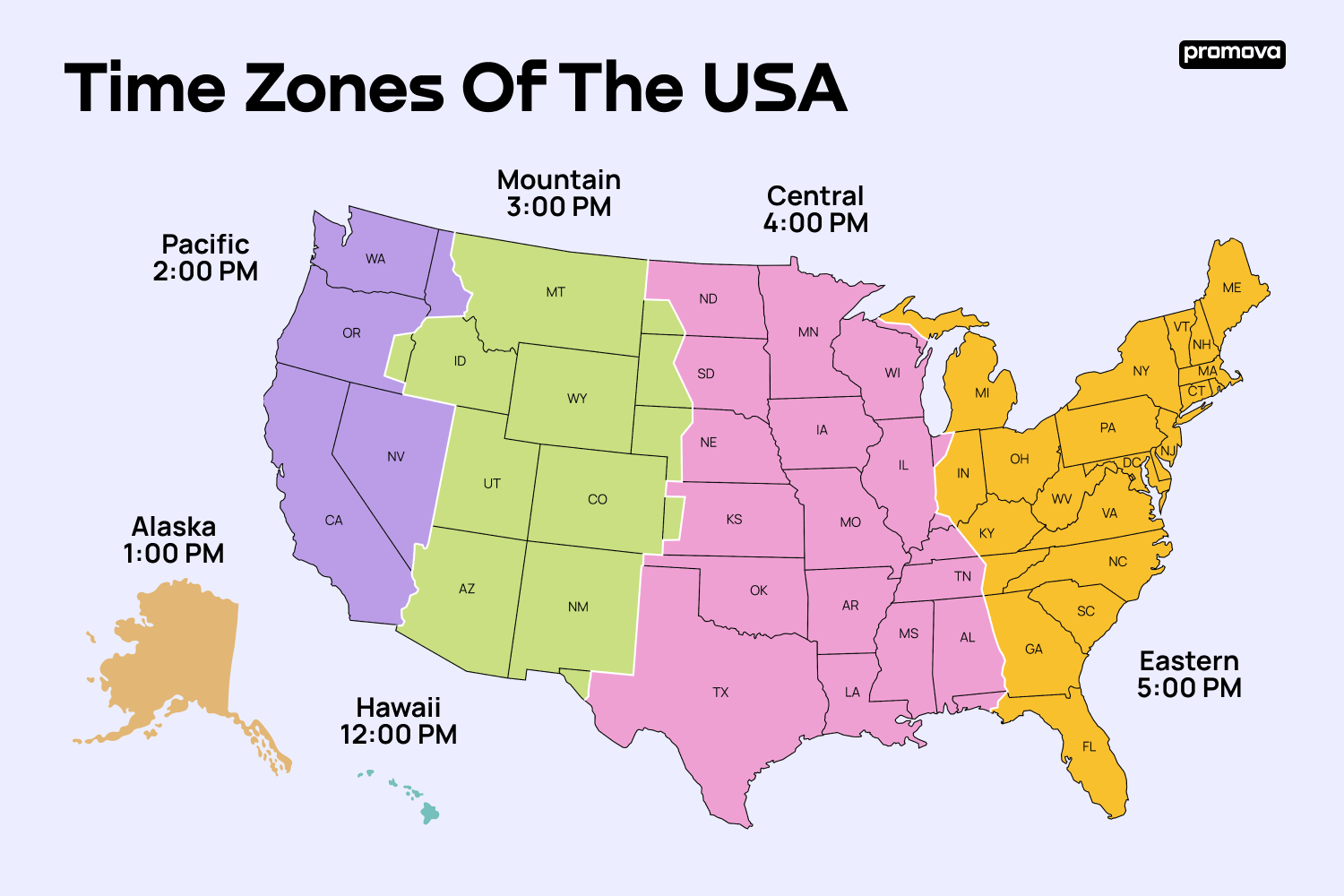
For most of the autumn and winter months, California observes Pacific Standard Time (PST). This time zone is defined as being eight hours behind Coordinated Universal Time. Therefore, when it’s midnight (GMT) in Greenwich, it’s 4 PM the previous day in California under PST (00:00 UTC = 16:00 PST on the previous day). The entire state of California falls within the PST zone, along with most of Nevada, Oregon, and Washington in the United States, and parts of Canada and Mexico. This consistent time across the state simplifies travel within California itself, eliminating the need for intra-state time adjustments.
Embracing Daylight Saving Time: Pacific Daylight Time (PDT)
Like many regions across the globe, California observes Daylight Saving Time (DST). This annual practice involves advancing clocks by one hour during warmer months so that evening daylight lasts longer. In California, this shift typically occurs on the second Sunday in March, when clocks “spring forward” from PST to Pacific Daylight Time (PDT). PDT is defined as seven hours behind Coordinated Universal Time (UTC-7). So, during the spring, summer, and early autumn, when it’s midnight (GMT), it’s 5 PM the previous day in California under PDT (00:00 UTC = 17:00 PDT on the previous day). Clocks “fall back” to PST on the first Sunday in November. This transition is vital for travelers to note, as arrival and departure times for flights, as well as opening hours for attractions, will adhere to the current local time designation, whether it’s PST or PDT.
Navigating Time Shifts: Planning Your California Adventure
The time difference between California and the GMT meridian means a significant leap for international travelers. Understanding and planning for this shift is paramount for a smooth journey.
Impact on Travel Itineraries and Flights
The substantial time difference, typically 7 or 8 hours behind GMT, has a direct impact on flight schedules and travel itineraries. When booking flights, especially those crossing multiple time zones, it is critical to pay close attention to the specified arrival and departure times in local time. A flight departing London at 10 AM GMT might arrive in Los Angeles (which could be PDT or PST depending on the season) seemingly earlier in local time than the flight duration suggests due to crossing time zones. Conversely, flying eastward can make it seem like you’ve lost an entire day. Miscalculations can lead to missed connections, late arrivals for pre-booked tours, or even misinterpreting hotel check-in times. Always double-check all confirmations against the local time of your destination.

Overcoming Jet Lag: A Traveler’s Foe
Perhaps the most notorious consequence of significant time zone changes is jet lag. Traveling to California from regions considerably east of the GMT meridian—such as Europe, Africa, or Asia—means pushing your body clock back by many hours. Symptoms can include fatigue, insomnia, digestive issues, and general disorientation. To mitigate jet lag, proactive strategies are essential:
- Gradual Adjustment: Begin shifting your sleep schedule a few days before departure, moving it closer to California time.
- Hydration: Drink plenty of water before, during, and after your flight to combat dehydration, which exacerbates jet lag.
- Light Exposure: Upon arrival, expose yourself to natural light during California’s daylight hours to help reset your circadian rhythm, and avoid bright lights at night.
- Strategic Napping: Keep naps short (20-30 minutes) if necessary, but try to stay awake until the local bedtime.
- Avoid Over-Caffeination/Alcohol: While tempting, these can disrupt sleep patterns further.
Coordination for Business and Remote Work
For business travelers or digital nomads, the GMT-7/GMT-8 offset for California presents unique challenges for scheduling. Collaborating with colleagues in Europe or on the East Coast of the United States requires careful planning to find overlapping work hours. For instance, a typical 9 AM start in Los Angeles means a 5 PM start in London or a 12 PM start in New York City. Utilizing scheduling tools that account for different time zones becomes indispensable for efficient communication and productivity.
Practical Strategies for Seamless Time Management in California
Once you’ve arrived in California, adopting local time quickly and effectively is key to enjoying your trip to the fullest.
Pre-Trip Planning and Tools
Preparation is your best friend when dealing with time zone changes. Before you even depart, familiarize yourself with time conversion tools. Many world clock apps and websites allow you to easily see the current time in California relative to your home location. Consider setting your devices (smartphone, smartwatch) to California time as soon as you board your flight, or at least upon arrival. This psychological shift helps in adapting your internal clock. Crucially, re-confirm all your reservations—hotel check-ins, car rentals, tour bookings, restaurant reservations—in California’s local time to avoid any missteps.
Everyday Life and Activities
Throughout your stay, ensure you are always operating on local time. Attractions like Disneyland, Universal Studios Hollywood, and countless museums and national parks (Yosemite, Big Sur) adhere strictly to PST or PDT for their operating hours. Scheduling meals, sunset views over the Pacific Ocean, or excursions from cities like San Francisco, San Diego, or Sacramento should always be done with the local clock in mind. When communicating with friends and family back home, be mindful of their time zones to avoid inconvenient calls.
Embracing the Californian Rhythm
Ultimately, the best way to manage California’s time zone is to embrace it fully. Once you’ve adjusted, immerse yourself in the local rhythm. Wake up with the California sun, enjoy breakfast at a local cafe, and plan your day according to the flow of life there. Whether you’re exploring the vineyards of Napa Valley, hiking in the Sierra Nevada mountains, or hitting the beaches of Southern California, letting your internal clock align with the local one will enhance your overall experience.
The Broader Context: Why California’s Time Matters for Travelers
Beyond the technicalities of time zones, understanding California’s GMT offset holds significant value for travelers.
Maximizing Your Experience
A clear understanding of the time difference enables you to craft a more realistic and enjoyable itinerary. It helps in planning activities that align with your natural energy levels post-jet lag and ensures you don’t miss out on precious opportunities. Imagine arriving in San Francisco hoping to catch the morning fog roll over the Golden Gate Bridge, only to find you’ve slept through it due to misjudging the time difference. Or wanting to witness a spectacular sunset over the San Diego coastline, but arriving too late because of confusion between PST and PDT. By mastering the time component, you can strategically schedule your days to experience California’s unique offerings at their optimal moments.
Safety and Preparedness
Being fully oriented to the local time also contributes to your safety and preparedness. A well-rested traveler is more alert, capable of making better decisions, and less prone to accidents. In case of an emergency, knowing the correct local time is crucial for communicating with emergency services or local contacts. It ensures you’re on the same page as those around you, from public transport schedules to appointment timings, fostering a sense of security and confidence throughout your journey.
In conclusion, California operates on either Pacific Standard Time (GMT-8) or Pacific Daylight Time (GMT-7), depending on the season. This significant offset from Greenwich Mean Time necessitates careful planning for international travelers. By understanding these dynamics and employing practical strategies to manage time shifts and jet lag, you can ensure your California adventure is as smooth, enjoyable, and unforgettable as the Golden State itself.
LifeOutOfTheBox is a participant in the Amazon Services LLC Associates Program, an affiliate advertising program designed to provide a means for sites to earn advertising fees by advertising and linking to Amazon.com. Amazon, the Amazon logo, AmazonSupply, and the AmazonSupply logo are trademarks of Amazon.com, Inc. or its affiliates. As an Amazon Associate we earn affiliate commissions from qualifying purchases.