
Planning a trip to the Golden State requires a keen understanding of its time zone, a fundamental aspect often overlooked until inconveniently encountered. Whether you’re coordinating a business call from New York City, booking a flight from London, or simply trying to figure out when to call family back home, knowing California’s position on the global clock is essential for seamless travel. California, a vast and vibrant state in the western USA, operates on a time schedule that shifts with the seasons, impacting everything from flight schedules to attraction opening hours.
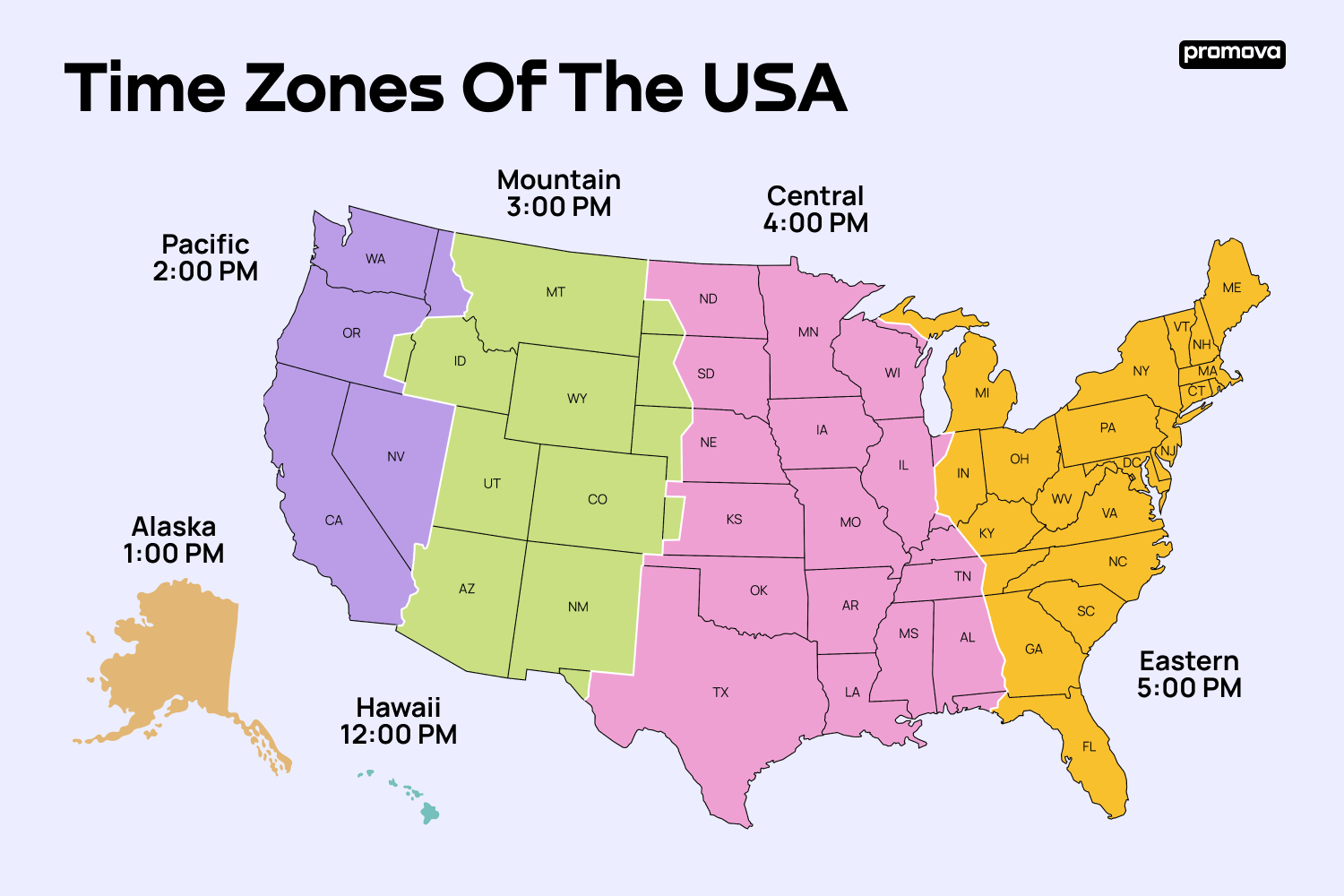
Decoding Time Zones for Seamless California Travel
Understanding time zones is more than just knowing what time it is locally; it’s about navigating the intricate global network that dictates daily life and travel. For California, this involves appreciating its relationship to international time standards.
Understanding GMT and UTC
At the heart of global timekeeping are Greenwich Mean Time (GMT) and Coordinated Universal Time (UTC). Historically, GMT, measured from the Prime Meridian passing through Greenwich, London, served as the world’s primary time reference. Today, UTC has largely replaced GMT as the international scientific standard for time, primarily because it’s based on atomic clocks and does not observe daylight saving shifts. However, for practical purposes, especially in casual conversation or when referring to time zones that align with GMT during specific periods, the terms are often used interchangeably. Essentially, UTC is the modern, more precise successor to GMT.
California’s Position on the Global Clock
California operates primarily on Pacific Standard Time (PST) during the winter months and Pacific Daylight Time (PDT) during the summer months. Relative to GMT or UTC, this means:
- During Pacific Standard Time (PST): California is UTC-8, or eight hours behind GMT. So, if it’s noon GMT, it’s 4 AM in California.
- During Pacific Daylight Time (PDT): California is UTC-7, or seven hours behind GMT. If it’s noon GMT, it’s 5 AM in California.
This one-hour shift due to Daylight Saving Time is crucial for travelers to remember.
The Importance of Time Zones for Travelers
For travelers, neglecting time zones can lead to missed flights, botched reservations, and frustrating scheduling conflicts. Imagine booking a tour to Alcatraz Island in San Francisco for 9 AM, only to realize you’re still operating on Eastern Standard Time and arrive three hours late. Or attempting to call a friend in Los Angeles at what you think is a reasonable hour, only to wake them up in the middle of the night. Understanding California’s time zone allows for precise planning, smoother transitions, and a more enjoyable, stress-free travel experience.
Pacific Standard Time (PST) and Pacific Daylight Time (PDT): California’s Rhythmic Shift
California, like much of the USA and North America, observes Daylight Saving Time, meaning its time zone designation changes throughout the year. This biennial adjustment is a critical piece of information for anyone planning to visit or conduct business in the state.
PST: The Winter Standard
Pacific Standard Time (PST) is the standard time observed during the fall and winter months. It’s identified as UTC-8, meaning it is eight hours behind Coordinated Universal Time. This period typically begins on the first Sunday of November and continues until the second Sunday of March. During these months, mornings are brighter, and evenings arrive earlier, aligning with the natural progression of the seasons and shorter daylight hours. Major cities like Los Angeles, San Francisco, San Diego, and Sacramento all adhere to PST.
PDT: Embracing Daylight Savings
As spring approaches, California switches to Pacific Daylight Time (PDT). This adjustment involves moving clocks forward by one hour, effectively making California UTC-7. PDT is observed from the second Sunday in March until the first Sunday in November. The primary purpose of Daylight Saving Time is to make better use of daylight, moving an hour of daylight from the morning to the evening. For travelers, this means longer evenings for sightseeing, dining out, and enjoying outdoor activities. While the shift provides more evening light, it also means that the difference between California and other time zones, such as those in Europe or Asia, temporarily decreases by one hour.
Key Dates for Time Zone Changes
The dates for the shift between PST and PDT are consistent each year:
- Spring Forward: The second Sunday in March at 2:00 AM local time, clocks move forward to 3:00 AM.
- Fall Back: The first Sunday in November at 2:00 AM local time, clocks move back to 1:00 AM.
These changes are synchronized across most of the USA that observes Daylight Saving Time, including the states adjacent to California that also use the Pacific Time Zone, such as Oregon and Washington, and parts of Nevada. Arizona, however, largely does not observe Daylight Saving Time, remaining on Mountain Standard Time (MST) year-round, which can lead to interesting time differences with California depending on the season.
Navigating Time Differences When Visiting California
The diverse geographic expanse of the USA and the global nature of travel mean that most visitors to California will encounter a time difference. Managing this effectively is key to a smooth journey and avoiding the discomforts of jet lag.

East Coast vs. West Coast: A Common Traveler’s Challenge
For travelers within the USA, the most common time difference encountered is between the East Coast and the West Coast. The East Coast (Eastern Standard Time or EST/Eastern Daylight Time or EDT) is typically three hours ahead of California’s Pacific Time Zone. For example, if it’s 6 PM in New York City, it’s 3 PM in Los Angeles. This three-hour difference can significantly impact communication, flight arrivals, and even your body’s internal clock. Similarly, travelers from the Central Standard Time (CST) zone will experience a two-hour difference, and those from Mountain Standard Time (MST) a one-hour difference.
International Travel Considerations
When traveling to California from international destinations, the time differences become even more pronounced.
- From Europe: Most European countries are roughly eight or nine hours ahead of California during PDT and nine or ten hours ahead during PST. For instance, Paris is typically nine hours ahead. This significant leap across time zones often results in more severe jet lag.
- From Asia: The time difference from Asia to California is even greater, often involving crossing the International Date Line. For example, Tokyo is sixteen hours ahead of California (during PDT), meaning you might arrive on the same calendar day you departed, or even the day before, effectively “gaining” a day. This necessitates careful itinerary planning to avoid confusion.
Practical Tips for Managing Jet Lag
Jet lag can significantly detract from your travel experience. Here are some tips to minimize its effects:
- Adjust Before You Fly: Gradually shift your sleep schedule a few days before departure to align closer with California’s time.
- Hydrate: Drink plenty of water before, during, and after your flight to combat dehydration, which can worsen jet lag symptoms.
- Avoid Alcohol and Caffeine: While tempting, these can disrupt your sleep cycle.
- Adjust to Local Time Immediately: Upon arrival, set your watch to California time and try to stick to the local sleep and meal schedule, even if you’re not tired.
- Embrace Sunlight: Expose yourself to natural light in the mornings to help reset your internal clock. Avoid bright light in the evenings.
- Short Naps if Necessary: If you must nap, keep it short (20-30 minutes) to avoid falling into deep sleep.
The Impact of Time Zones on Your California Itinerary
Beyond personal comfort, time zones have practical implications for every aspect of your California trip, from tourist activities to maintaining connections.
Planning Activities and Attractions
Most attractions in California operate on local time. This means checking the opening hours for Disneyland in Anaheim, museum visits in Los Angeles, or tour departures in San Francisco must be done with PST or PDT in mind. Booking reservations for popular restaurants, shows, or experiences should always factor in the local time zone. For instance, if you’re flying in on an overnight flight from the East Coast, don’t schedule a demanding activity for the morning of your arrival. Allow yourself time to adjust.
Business and Communication Across Time Zones
For business travelers, managing calls and meetings across multiple time zones is a constant challenge. A 9 AM conference call in New York City translates to 6 AM in Los Angeles, requiring an early start. Conversely, an end-of-day meeting in California might mean a late-night call for colleagues in Europe or the East Coast. Always double-check meeting invitations and use time zone converters to ensure accuracy. Clear communication about time zone differences can prevent misunderstandings and improve productivity.
Staying Connected with Home
Maintaining contact with family and friends while traveling is important, but time zone differences can complicate matters. A casual evening call for you in California might be the middle of the night for loved ones in Asia or early morning for those on the East Coast. Before calling or scheduling video chats, consult a world clock or time zone app to find a mutually convenient time. This small gesture shows consideration and avoids disturbing others during their off-hours.
Maximizing Your California Experience: Time Zone Savvy Strategies
Being prepared for California’s time zone is not just about avoiding problems; it’s about enhancing your entire travel experience. A proactive approach allows you to fully immerse yourself in the journey without the drag of temporal disorientation.
Utilizing Time Zone Converters
Modern technology offers excellent tools to simplify time zone calculations. Numerous apps and websites provide instant time zone conversions for cities worldwide. Integrating one into your travel planning routine can be incredibly beneficial. Before booking flights, scheduling calls, or making reservations, use a reliable time zone converter to confirm the correct local time. This eliminates guesswork and significantly reduces the chance of errors. Many digital calendars also have built-in features that automatically adjust event times based on your current location and the event’s designated time zone.
Adjusting Before You Arrive
The most effective way to combat the effects of a time zone change is to begin adjusting your internal clock even before your plane takes off. If you’re traveling from east to west (gaining hours), try to stay up a bit later than usual for a few nights leading up to your trip. If you’re traveling from west to east (losing hours), gradually try to go to bed and wake up earlier. Even shifting by 30 minutes to an hour each day can make a substantial difference in how quickly your body adapts upon arrival. This pre-adjustment strategy can significantly reduce the severity of jet lag, allowing you to hit the ground running once you reach California.

Embracing the Local Rhythm
Once you land in California, the best strategy is to embrace the local rhythm as quickly as possible. Reset your watch to local time immediately. If it’s daytime, resist the urge to nap (or keep naps very short). Seek out natural sunlight, which helps regulate your circadian rhythm. Try to schedule your meals and activities according to California’s local time, even if you don’t feel hungry or tired at the “right” moments. Engaging in light physical activity can also help. By aligning yourself with the local schedule, you’ll acclimate faster, shake off the effects of travel more quickly, and be ready to fully enjoy all that California has to offer, from its stunning coastlines to its bustling city centers. Understanding and planning for California’s GMT offset is a foundational step toward an unforgettable and well-managed travel experience.
LifeOutOfTheBox is a participant in the Amazon Services LLC Associates Program, an affiliate advertising program designed to provide a means for sites to earn advertising fees by advertising and linking to Amazon.com. Amazon, the Amazon logo, AmazonSupply, and the AmazonSupply logo are trademarks of Amazon.com, Inc. or its affiliates. As an Amazon Associate we earn affiliate commissions from qualifying purchases.