
California, a state celebrated for its diverse landscapes and year-round appeal, offers a unique proposition for travelers, particularly those interested in the natural beauty and agricultural bounty it harbors. Understanding the USDA Plant Hardiness Zone Map is fundamental for anyone looking to engage with California’s flora, whether for gardening at a vacation rental, appreciating local vineyards, or simply understanding the climate that shapes its iconic scenery. These zones are crucial for predicting which perennial plants are likely to thrive in a specific location, offering a scientific basis for experiencing the state’s green spaces.
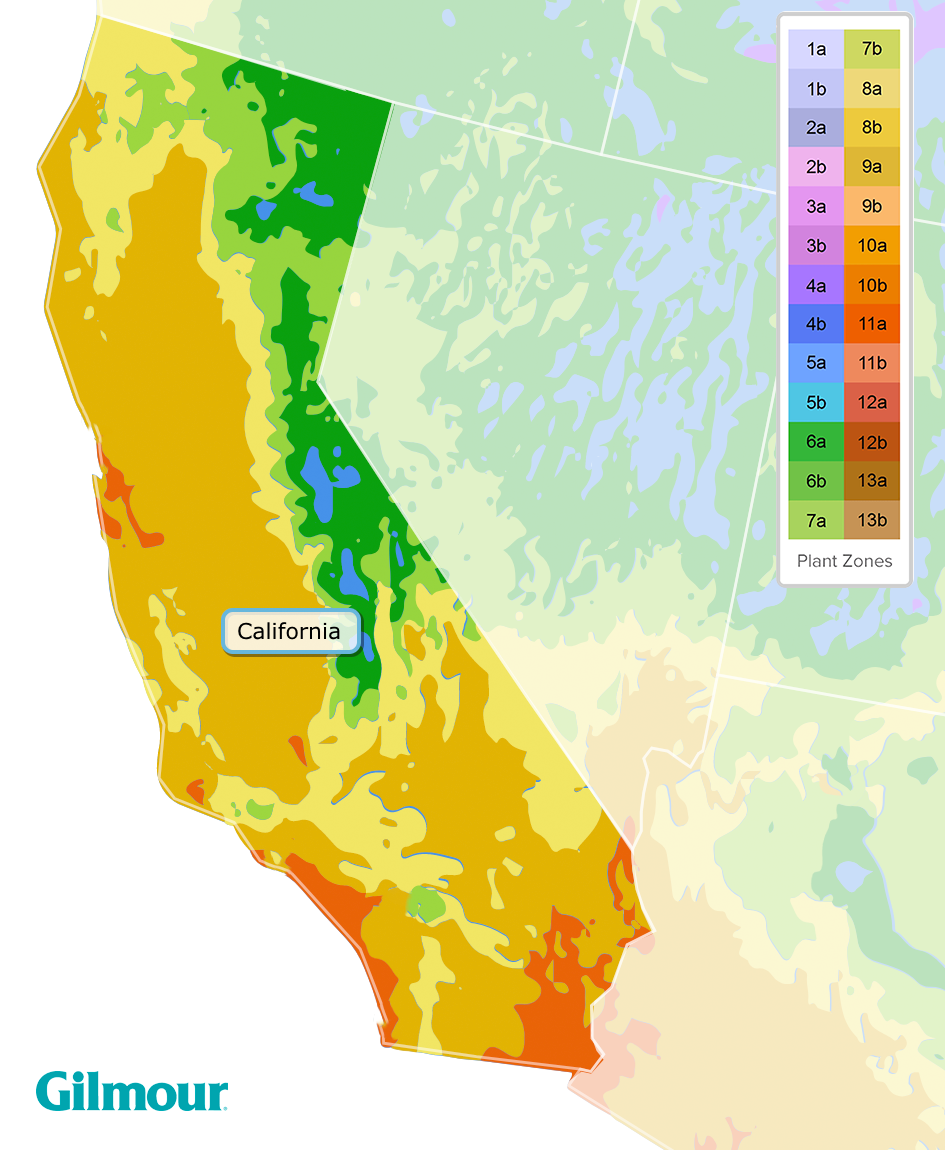
Understanding California’s Climate Diversity Through Hardiness Zones
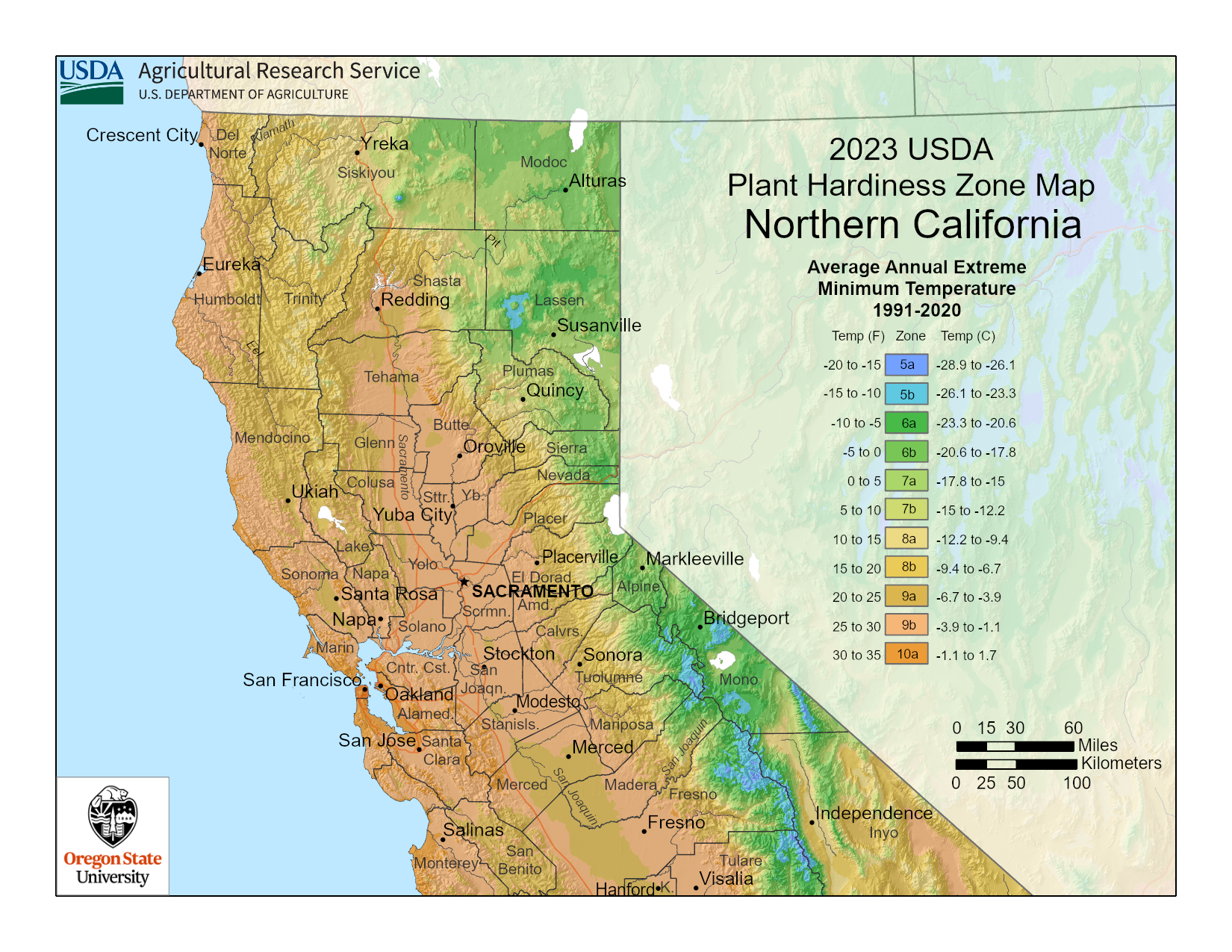
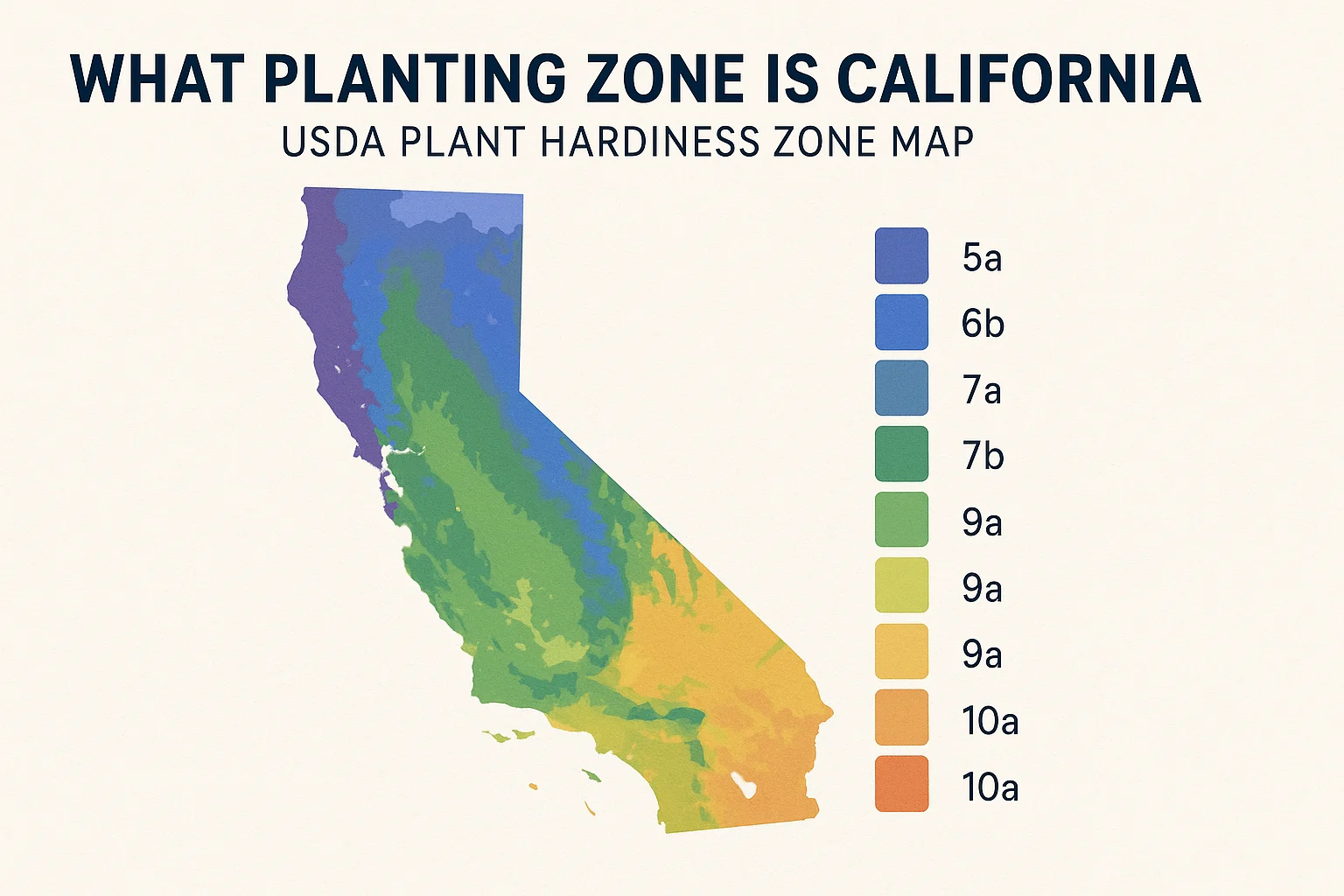
The United States Department of Agriculture (USDA) developed the Hardiness Zone Map as a standard to gauge the average annual minimum winter temperature for a given area. This map is divided into zones, each representing a 10°F range of average annual minimum temperatures. For California, this translates into a remarkable spectrum of zones, primarily ranging from Zone 5 in its highest mountain elevations to Zone 11 in its southernmost coastal regions. This vast variation is a direct consequence of the state’s dramatic elevation changes, proximity to the Pacific Ocean, and latitude.
The Influence of Geography on Hardiness Zones
California’s unique geography plays a pivotal role in its climatic diversity. The Sierra Nevada mountain range, for instance, experiences significantly colder winters compared to the coastal plains, pushing them into colder hardiness zones. Conversely, the sun-drenched southern California coastline benefits from the moderating influence of the Pacific Ocean, resulting in milder winters and warmer zones. Inland valleys, such as the Sacramento Valley and the San Joaquin Valley, often exhibit distinct microclimates influenced by their distance from the coast and surrounding topography, leading to a range of hardiness zones within relatively close proximity.
Key Hardiness Zones Across California
- Zone 6: Predominantly found in the higher elevations of the Sierra Nevada and some northern inland mountain ranges. These areas experience the coldest winters in the state, with average minimum temperatures dropping to between -10°F and 0°F. Travelers venturing into these alpine regions, perhaps for skiing in Lake Tahoe or hiking in Yosemite National Park, will encounter a climate that supports cold-hardy species.
- Zone 7: This zone is prevalent in mountainous areas and higher elevation valleys across the state, including parts of the Shasta Cascade region and higher reaches of Southern California mountains. Average minimum temperatures range from 0°F to 10°F. This zone can support a wider variety of plants than Zone 6 but still requires consideration for winter hardiness.
- Zone 8: A widespread zone, covering much of Northern California’s interior valleys, parts of the central coast, and higher elevation areas in Southern California. The average minimum temperatures are between 10°F and 20°F. Areas like Sacramento and parts of the Sonoma County wine region fall within this zone, supporting a rich agricultural landscape.
- Zone 9: This zone is characteristic of much of the coastal and inland plains of Southern California, extending up the coast into the San Francisco Bay Area. Average minimum temperatures range from 20°F to 30°F. Many of California’s iconic citrus groves and ornamental gardens thrive in Zone 9, making it a focal point for horticultural tourism. Cities like Los Angeles and San Diego are largely within this zone.
- Zone 10: Found in the warmest coastal areas of Southern California, including Orange County and parts of San Diego County, as well as some sheltered inland valleys. Average minimum temperatures are between 30°F and 40°F. This zone allows for the cultivation of subtropical plants and a year-round growing season for many species.
- Zone 11: The warmest zones, limited to the most southerly coastal regions and some protected inland microclimates, such as those found in the Palm Springs area. Average minimum temperatures are above 40°F. These areas are ideal for growing exotic and tropical plants, contributing to the lush landscapes of luxury resorts and botanical gardens.
Experiencing California’s Hardiness Zones as a Traveler
For the discerning traveler, understanding California’s hardiness zones offers a deeper appreciation of the state’s natural beauty and agricultural prowess. It allows for more informed choices when planning a visit, especially for those interested in specific horticultural experiences, from the vibrant flower fields of Carlsbad to the ancient redwood forests and the vineyards of Napa Valley.
Planning Your Horticultural Adventures
When planning a trip to California, considering the local hardiness zone can enhance your experience. If you’re visiting San Francisco (Zone 9b), you can expect a mild climate where many plants, including some that might be considered tender elsewhere, can thrive outdoors. This allows for stunning floral displays in public parks like the Golden Gate Park.
Conversely, if your travels take you to the higher elevations of Mammoth Lakes (Zone 6a), your observations of plant life will be of species adapted to colder winters and significant snowfall. This contrast highlights the incredible biodiversity within the state.
Culinary Tourism and Local Produce
The hardiness zones directly impact California’s renowned agricultural output. The warm, sunny climate of Zone 9 and 10 in Southern California is perfect for growing citrus fruits, avocados, and a wide array of vegetables. Visiting local farmers’ markets in cities like Santa Barbara offers a chance to taste produce directly influenced by these favorable conditions.
In contrast, the cooler temperatures of Zone 8 in regions like the Central Valley are ideal for growing almonds, walnuts, and stone fruits. Wine enthusiasts will find that the specific hardiness zone, along with soil type and rainfall, dictates the varietals that can be successfully cultivated in famous wine regions like Paso Robles and Mendocino. A vineyard tour in these areas is an education in microclimates and their impact on winemaking.
Exploring California’s Gardens and Parks
California boasts an extraordinary number of public gardens and parks, each reflecting its specific hardiness zone. The Huntington Library, Art Museum, and Botanical Gardens in San Marino (Zone 10b) showcases an impressive collection of desert plants, palms, and subtropical species, demonstrating what can flourish in a warm, dry climate.
In contrast, the Descanso Gardens in La Cañada Flintridge (Zone 9b) features magnificent camellias and roses, alongside native California plants. For those traveling to Northern California, the San Francisco Botanical Garden offers a diverse array of plants from around the world, thriving in its temperate, often foggy, Zone 9b climate. Even within a single park, elevation changes can create microclimates, so you might observe subtle differences in plant hardiness across different areas.
Beyond the Zones: Microclimates and Specific Planting Recommendations
While the USDA Hardiness Zone Map provides an invaluable general guide, it’s important to remember that microclimates can significantly influence plant survival. Factors such as proximity to water bodies, elevation, sun exposure, wind patterns, and even the urban heat island effect in major cities like San Jose can create pockets that are warmer or colder than the surrounding area.
The Role of Microclimates in Garden Design and Tourism
For travelers interested in residential architecture and landscaping, particularly in areas with high concentrations of vacation rentals or boutique hotels, observing local garden designs can be highly informative. A home in a coastal bluff location might experience strong sea breezes, requiring plants that are wind-tolerant, even if its hardiness zone suggests otherwise. Conversely, a property nestled in a sheltered valley might be protected from frost, allowing for slightly more tender plants.
Understanding these nuances can help travelers appreciate the specific horticultural choices made throughout California, from meticulously maintained estates in Beverly Hills to the more naturalistic landscaping found in the Big Sur region.
Considering Other Climatic Factors
While winter minimum temperatures are the primary determinant of hardiness zones, other climatic factors are crucial for plant success and, by extension, for understanding the landscape a traveler will encounter. These include:
- Summer High Temperatures: Essential for plants that need heat to thrive, like many varieties of tomatoes and peppers.
- Rainfall Patterns: California’s climate is characterized by wet winters and dry summers. This drought-prone pattern means that many plants must be adapted to survive with minimal summer water, influencing the types of gardens and natural landscapes you’ll see. Irrigation systems are common in many urban and agricultural areas.
- Frost Dates: Knowing the average last frost date in spring and the first frost date in fall is critical for gardening and for understanding seasonal plant cycles. This information is often more detailed than the general hardiness zone and is vital for predicting blooming seasons and harvest times for fruits and vegetables.
Embracing California’s Diverse Ecosystems
The hardiness zones of California are a gateway to understanding the state’s incredible ecological diversity. From the arid deserts of Joshua Tree National Park (which can experience surprisingly cold nights, placing parts of it in colder zones) to the temperate rainforests of the northern coast, each region has a unique story to tell through its plant life.
For travelers, this knowledge enriches any visit. It allows for a deeper connection with the natural environment, a greater appreciation for the local agriculture that sustains the state’s culinary scene, and a more informed understanding of the beautiful gardens and landscapes that define the Golden State. Whether you’re planning a visit to a luxury resort in Palm Springs or a rustic cabin in the Trinity Alps, knowing the hardiness zone helps paint a clearer picture of the environment awaiting you.
LifeOutOfTheBox is a participant in the Amazon Services LLC Associates Program, an affiliate advertising program designed to provide a means for sites to earn advertising fees by advertising and linking to Amazon.com. Amazon, the Amazon logo, AmazonSupply, and the AmazonSupply logo are trademarks of Amazon.com, Inc. or its affiliates. As an Amazon Associate we earn affiliate commissions from qualifying purchases.