
Navigating the nomenclature of the Pacific Ocean archipelago can occasionally be a source of confusion for first-time visitors. When people ask, “What is the Hawaii Big Island called?” they are often seeking to distinguish the specific landmass from the state that shares its name. Officially, the island is known as Hawaii Island, but to avoid the redundancy of saying “Hawaii Island, Hawaii,” residents and travelers alike almost universally refer to it as the Big Island. This name is more than just a convenient nickname; it is a testament to the island’s staggering scale, diverse ecosystems, and its central role in the history of the United States’ fiftieth state.
The Official Name: Understanding Hawaii Island
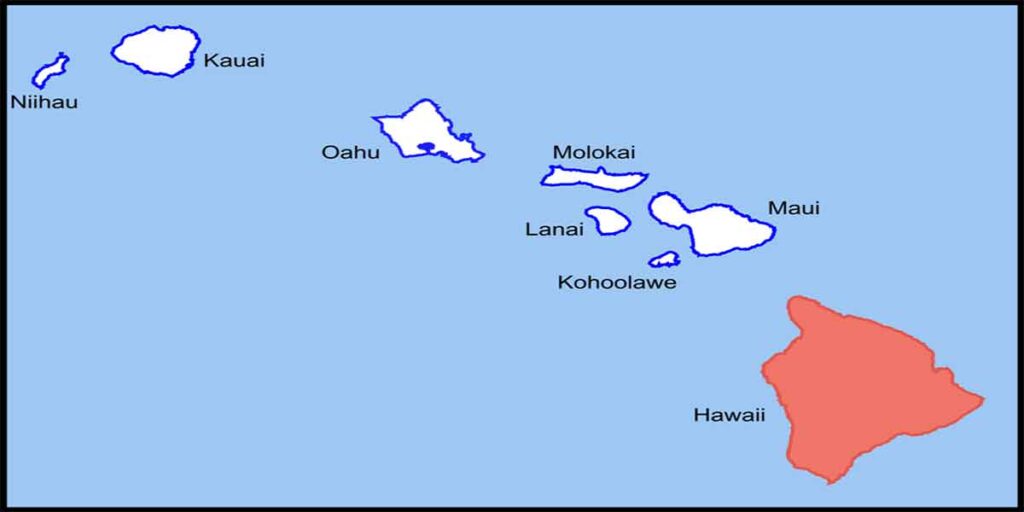
The island of Hawaii is the largest and youngest in the Hawaiian Archipelago. While the entire chain of islands is collectively known as Hawaii, the specific island at the southeastern end of the chain holds the official title of Hawaii Island. This can be confusing for logistics, such as mail or flight bookings, which is why the “Big Island” moniker became the standard descriptor in the tourism industry and local vernacular.
The Distinction from the State of Hawaii
In a political context, the State of Hawaii encompasses several major islands, including Oahu, Maui, Kauai, Molokai, Lanai, Niihau, and Kahoolawe. Because the seat of government and the famous city of Honolulu are located on Oahu, many travelers mistakenly believe they are visiting the “Island of Hawaii” when they land in the capital. To clarify this, the Big Island is used to denote the specific geographical entity that is larger than all the other islands combined.
The Legacy of King Kamehameha the Great
The name Hawaii carries deep historical weight, as it was the home of King Kamehameha the Great. Born in the Kohala district of the island, Kamehameha was the visionary leader who first unified the warring islands into a single Kingdom of Hawaii in 1810. Because he hailed from this specific island, his influence solidified the island’s name as the primary identifier for the entire kingdom. Today, visitors can explore the Puukohola Heiau National Historic Site to see the massive stone temple he built to facilitate his conquest of the islands.
Geographic and Cultural Identities: Why the “Big Island”?
The term “Big Island” is not an exaggeration. The island covers approximately 4,028 square miles and is still growing due to active volcanic activity. It is so large that the other seven main Hawaiian Islands could fit inside its landmass twice over. This sheer scale creates a variety of nicknames and cultural identities that reflect the island’s unique character.
The Orchid Isle and the Volcano Isle
Beyond the most common names, the island is sometimes referred to by its older poetic nicknames. It was once widely called the Orchid Isle due to the abundance of tropical flowers that thrive in the humid, eastern regions near Hilo. More frequently today, it is called the Volcano Isle. This is a nod to the fact that it is home to some of the most active volcanoes on Earth. The geography of the Big Island is dominated by five major shield volcanoes: Mauna Kea, Mauna Loa, Hualalai, Kohala, and Kilauea.
The Legends of Pele and Halemaumau Crater
Culturally, the island is the sacred home of Pele, the Hawaiian goddess of fire and volcanoes. Local lore suggests that Pele resides in the Halemaumau Crater within the summit of Kilauea. This cultural belief is a vital part of the island’s tourism and identity. When visiting Hawaii Volcanoes National Park, tourists are often reminded to respect the land and avoid taking lava rocks as souvenirs, as it is believed to bring the “Curse of Pele.” This intersection of geology and mythology is what makes the Big Island a unique cultural destination.
Exploring the Main Regions and Hubs
To truly understand what the Big Island is called and how it functions, one must look at its distinct regions. The island is divided into districts that offer vastly different climates and cultural experiences, often described as having “two sides”: the dry, sunny west and the lush, rainy east.

Kona: The Sunny West Side
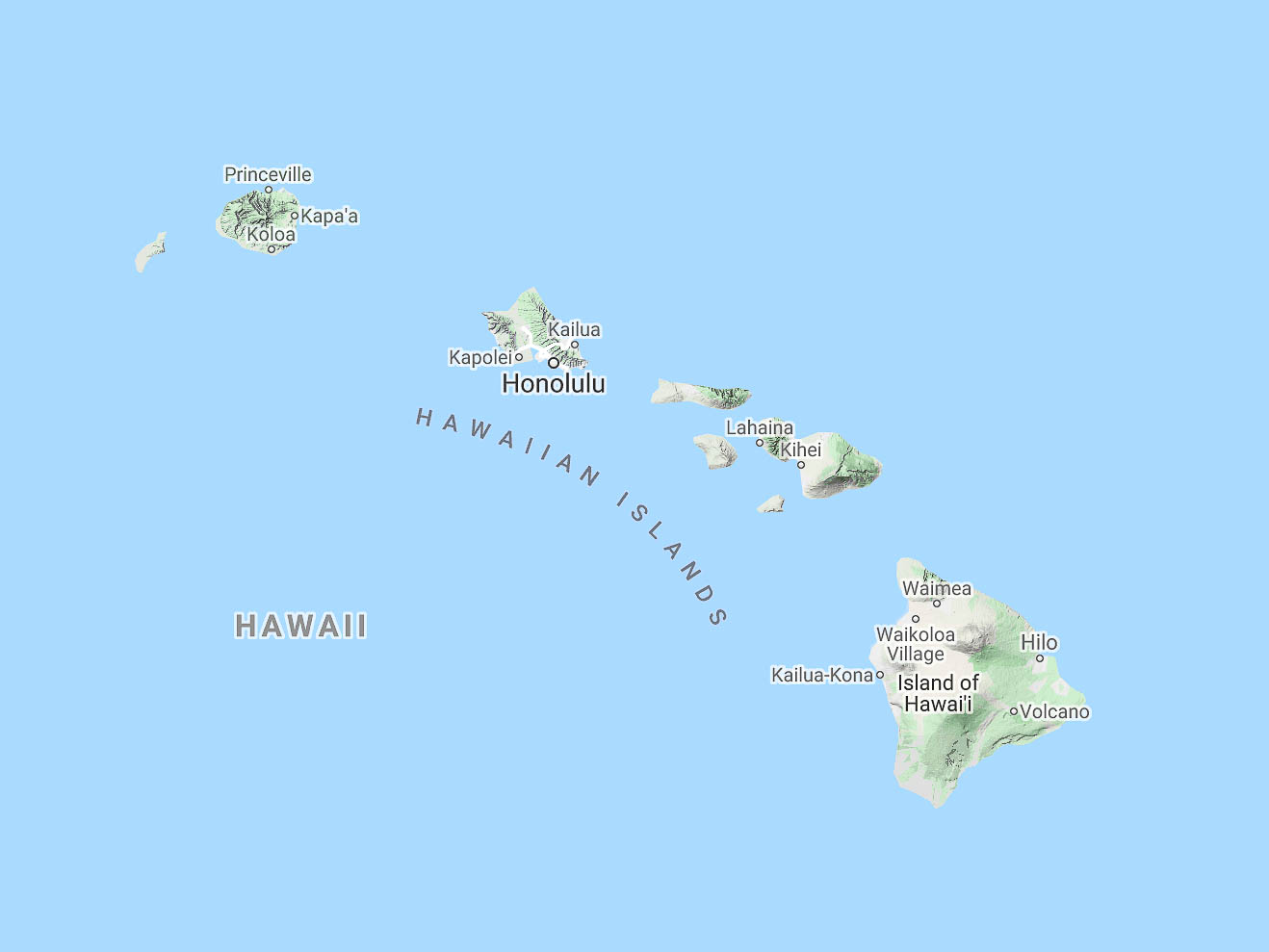
The district of Kona, specifically the town of Kailua-Kona, serves as the primary tourism hub. Known for its clear waters and sunny weather, Kona is famous for its coffee plantations situated on the slopes of Hualalai. Kona Coffee is a world-renowned product that draws foodies and enthusiasts to the region for tastings and tours. The west side is also the location of the Kona International Airport, where most international travelers arrive.
Hilo: The Lush Eastern Gateway
On the opposite side of the island lies Hilo, the oldest city in the Hawaiian Islands and the seat of the local government. Unlike the resort-heavy Kona, Hilo offers a more residential and authentic feel, characterized by its historic wooden storefronts and proximity to dramatic waterfalls like Rainbow Falls and Akaka Falls State Park. Hilo is one of the wettest cities in the United States, a climate that fuels the dense rainforests and botanical gardens that define the eastern coastline.
Waimea and Paniolo Country
Moving inland and north, the landscape shifts dramatically into the rolling green hills of Waimea. This region is the heart of Paniolo (Hawaiian cowboy) culture. The sprawling Parker Ranch, one of the largest privately owned cattle ranches in the United States, is located here. The cooler temperatures and misty pastures of Waimea offer a stark contrast to the tropical beaches found elsewhere, highlighting the island’s incredible diversity of Moku, or traditional land divisions.
Experiencing the Big Island: Tourism and Activities
The tourism industry on the Big Island is built around the island’s natural wonders. Because the island is so vast, activities are often categorized by the elemental forces that shaped them: fire, water, and earth.
The Majesty of Hawaii Volcanoes National Park
No visit to the Big Island is complete without exploring Hawaii Volcanoes National Park. This UNESCO World Heritage Site allows visitors to witness the creation of new land. From hiking across the solidified lava of the Kilauea Iki Crater to walking through the Thurston Lava Tube, the park provides an intimate look at the volcanic processes that birthed the Polynesian islands.
Stargazing on Mauna Kea
Mauna Kea is perhaps the most significant landmark on the island. Standing at 13,803 feet above sea level, it is the highest point in the state. When measured from its base on the ocean floor, it is actually the tallest mountain in the world. Due to its height and clear skies, it is home to the Mauna Kea Observatories, where astronomers from around the globe study the universe. For tourists, the stargazing programs near the visitor information station offer an unparalleled view of the heavens.
The Black Sands of Punaluu Beach
The island’s volcanic nature also creates unique coastal features, such as Punaluu Black Sand Beach. The jet-black sand is formed by basaltic lava exploding as it hits the cold ocean water. This beach is not only a visual marvel but also a frequent resting place for the Honu, or Hawaiian Green Sea Turtle. Observing these prehistoric-looking creatures basking on the dark sand is a quintessential Big Island experience.
Practical Tips for Big Island Visitors
Traveling to the Big Island requires more planning than a trip to smaller islands like Maui or Kauai. The sheer distance between attractions means that logistics are a primary concern for any tourist.
Getting Around the Island
Because the Big Island is so large, a rental car is almost an absolute necessity. Public transportation, such as the Hele-On Bus, exists but is designed more for residents than for visiting tourist sites. Driving from Kailua-Kona to Hilo takes roughly two to three hours via the Saddle Road, which cuts between Mauna Kea and Mauna Loa. Visitors should be prepared for changing weather conditions as they cross different microclimates.
Respecting the Land: The Spirit of Aloha
The concept of Aloha is central to life on the island. It is more than just a greeting; it is a way of life that emphasizes respect, harmony, and love for the land (Aina). Tourists are encouraged to practice “sustainable tourism” by staying on marked trails, using reef-safe sunscreen to protect the Coral Reefs, and respecting sacred sites like Puuhonua o Honaunau National Historical Park.
In conclusion, whether you call it Hawaii Island, the Big Island, or the Volcano Isle, this landmass is a world unto itself. From the historic shores of Kealakekua Bay—where Captain James Cook first arrived in the islands—to the jagged heights of the Hamakua Coast, the Big Island offers a depth of culture and natural beauty that is unmatched in the Pacific. Understanding its names is the first step in appreciating the grand scale of its history and its future.
LifeOutOfTheBox is a participant in the Amazon Services LLC Associates Program, an affiliate advertising program designed to provide a means for sites to earn advertising fees by advertising and linking to Amazon.com. Amazon, the Amazon logo, AmazonSupply, and the AmazonSupply logo are trademarks of Amazon.com, Inc. or its affiliates. As an Amazon Associate we earn affiliate commissions from qualifying purchases.