
When planning a journey to the middle of the Pacific Ocean, travelers often envision white sandy beaches, volcanic landscapes, and a culture steeped in ancient tradition. However, the identity of Hawaii is also deeply intertwined with its unique wildlife. If you are asking “What is the Hawaii state animal?”, the answer is more complex than a single creature. Because of its diverse ecosystems ranging from alpine barrens to coral reefs, the United States‘ 50th state has designated several official animals to represent its natural heritage.
In this guide, we delve into the world of Hawaii tourism by exploring the official state mammal, the state bird, and the state marine mammal, providing you with the cultural context and travel tips needed to appreciate these majestic creatures during your next visit.
The Hawaiian Monk Seal: The Official State Mammal
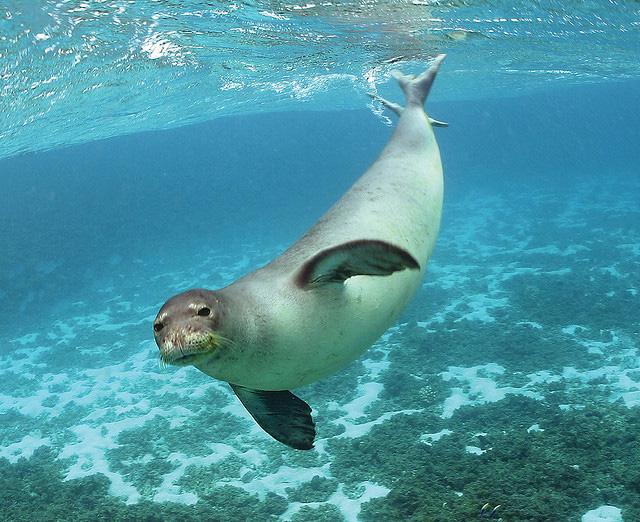
In 2008, the Hawaiian Monk Seal was officially designated as the state mammal of Hawaii. Known to the local people as “ʻIlio-holo-i-ka-uaua,” which translates to “dog that runs in rough water,” this earless seal is one of the most endangered marine mammals in the world. For tourists visiting Oahu, Kauai, or Molokai, catching a glimpse of this rare creature basking on the sand is often the highlight of their trip.
Biological Significance and Behavior
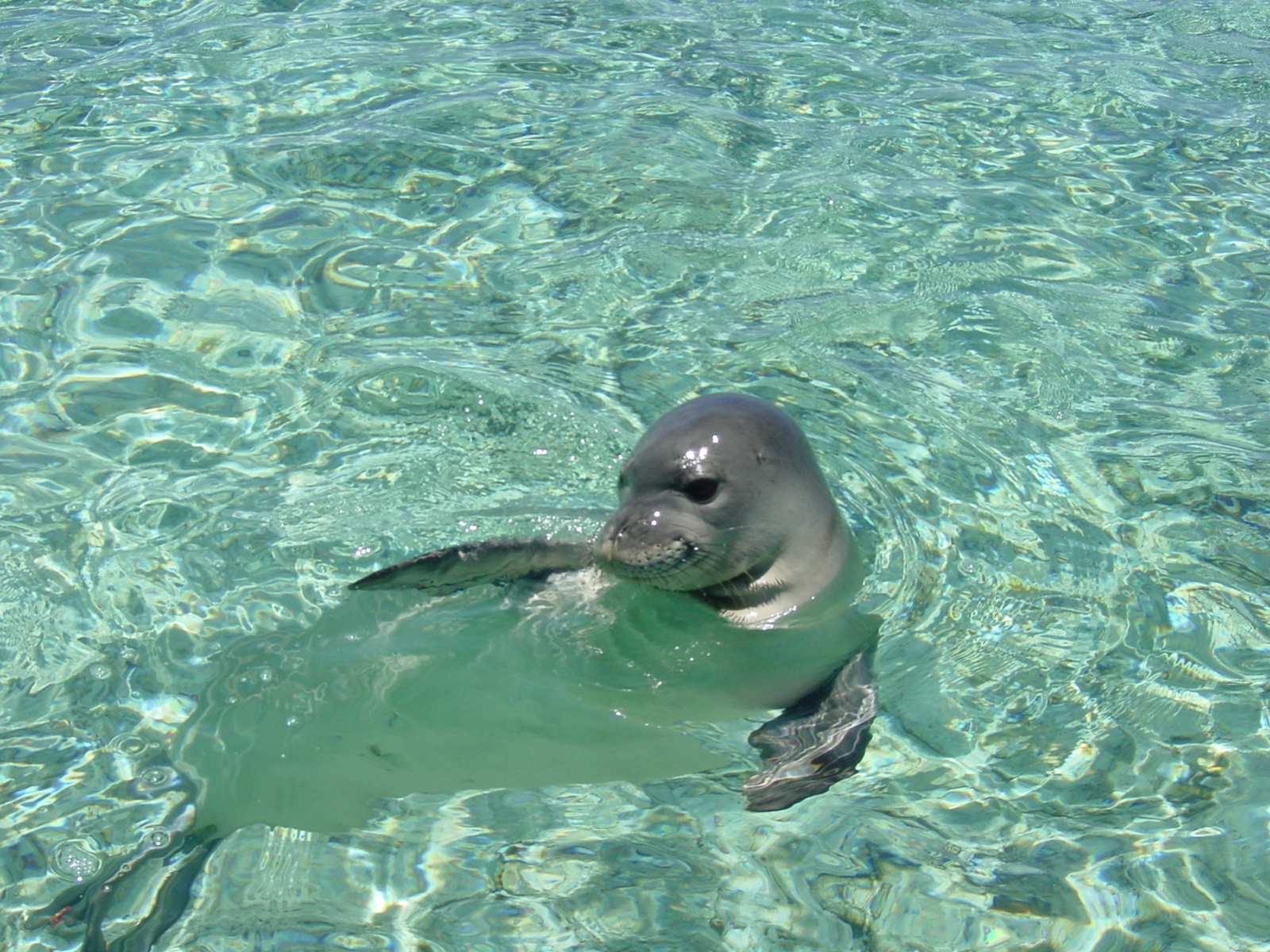
The Hawaiian Monk Seal is one of only two remaining monk seal species on Earth. Unlike many other seals that prefer colder climates, these seals are perfectly adapted to the subtropical waters of the Northwestern Hawaiian Islands. They are largely solitary animals, spending about two-thirds of their lives at sea foraging for fish, cephalopods, and crustaceans.
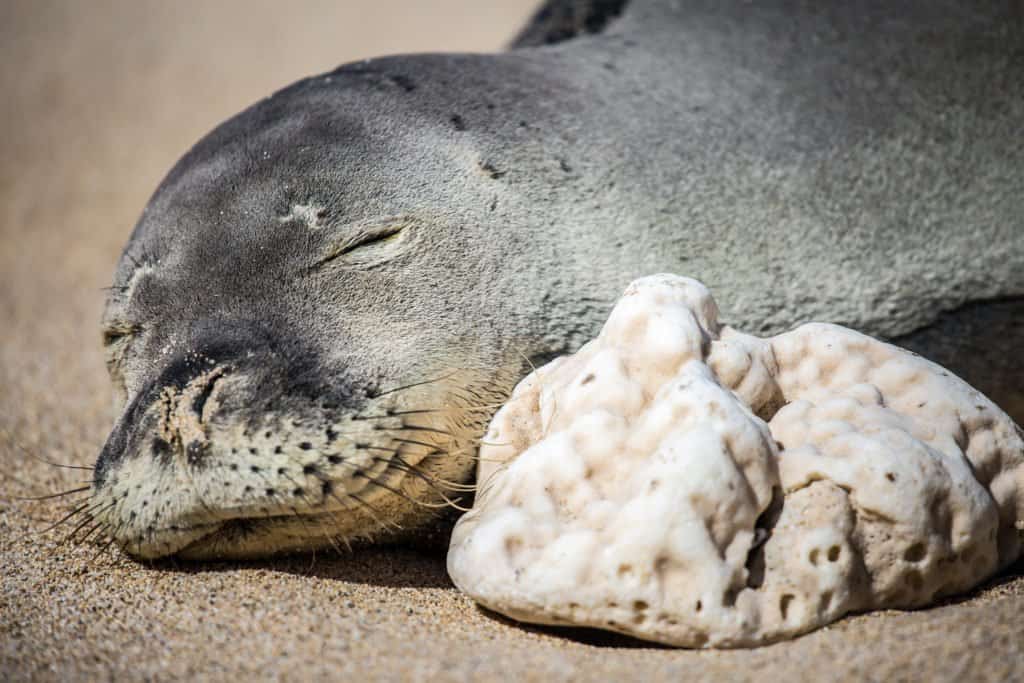
When they are not hunting, they can be found hauled out on sandy beaches or volcanic rock ledges. This “hauling out” behavior is essential for their survival, as it allows them to rest, regulate their body temperature, and give birth. For the curious traveler, seeing a seal remain motionless on a beach like Poipu Beach might be concerning, but it is a natural and necessary part of their daily cycle.
Cultural Importance to the Hawaiian People
In Hawaiian culture, all elements of nature are seen as interconnected. While the Hawaiian Monk Seal does not appear in many ancient chants as frequently as the shark or the owl, it is respected as a native inhabitant that has existed in the archipelago for millions of years. Modern conservation efforts often blend traditional ecological knowledge with scientific research, emphasizing the concept of “Malama ‘Aina”—to care for the land and sea that nourishes the people.
Conservation Status and Protecting the Species
Currently, there are only about 1,500 Hawaiian Monk Seals left in existence. Most reside in the remote Papahānaumokuākea Marine National Monument, but a growing population is being documented in the Main Hawaiian Islands.
From a tourism perspective, it is vital to know that these animals are protected under the Marine Mammal Protection Act and the Endangered Species Act. When visiting spots like Waikiki Beach or the secluded shores of Lanai, visitors must maintain a distance of at least 50 feet (150 feet for mothers with pups). Observing these animals through binoculars or a zoom lens is the best way to enjoy their presence without causing them stress.
The Nene: Hawaii’s Iconic State Bird
While the monk seal rules the coastline, the Nene, or the Hawaiian Goose, is the official state bird. Designated in 1957, the Nene is a symbol of resilience and successful conservation in the United States.
Evolution from the Canada Goose
Scientists believe that the Nene evolved from the Canada Goose, which likely arrived in the islands about 500,000 years ago. Over time, the species adapted to the harsh volcanic environment of Hawaii. Unlike its mainland ancestors, the Nene has reduced webbing between its toes and longer, stronger legs, which allow it to navigate the jagged “a’a” lava flows of the Big Island and Maui.
Habitat and Where to See Them
For travelers interested in birdwatching, the Nene is most frequently spotted in high-elevation grasslands and volcanic slopes. Haleakala National Park on the island of Maui is one of the premier locations to see these birds in their natural habitat. Another excellent viewing spot is Hawaii Volcanoes National Park on the Big Island.
Visitors often find the Nene remarkably tame, sometimes approaching cars in parking lots. However, it is strictly forbidden to feed them. Feeding these birds “people food” makes them dependent on humans and often leads to them being hit by vehicles—a leading cause of death for the species.
The Success of Conservation Efforts
In the 1950s, the Nene population had dwindled to just 30 individuals due to hunting and the introduction of invasive predators like mongooses and feral cats. Thanks to rigorous captive breeding programs and habitat restoration, the population has rebounded to over 3,000. Seeing a Nene today is a testament to the dedication of the Hawaii Department of Land and Natural Resources.
Other Official Marine Symbols: The Whale and the Fish
To fully answer “What is the Hawaii state animal?”, one must also look beneath the surface of the blue Pacific Ocean. The state has designated specific marine life to represent its aquatic riches.
The Humpback Whale: State Marine Mammal
The Humpback Whale, known locally as “Kohola,” was named the state marine mammal in 1979. These gentle giants are seasonal residents of Hawaii, migrating from the cold waters of Alaska to the warm channels between Maui, Molokai, and Lanai every winter.
Between December and April, whale watching becomes a primary activity for tourism. Towns like Lahaina (prior to recent events) and Maalaea serve as hubs for boat tours where visitors can witness breaching, tail slapping, and the haunting songs of the males. The Humpback Whale is a vital part of Hawaiian mythology, often viewed as an “aumakua” (ancestral spirit or guardian).
The Humuhumunukunukuapuaʻa: State Fish
No discussion of Hawaii wildlife is complete without mentioning the Humuhumunukunukuapuaʻa, also known as the rectangular triggerfish. Its long name, which means “triggerfish with a snout like a pig,” is famous worldwide.
Visitors can easily spot this colorful fish while snorkeling at Hanauma Bay on Oahu or Molokini Crater off the coast of Maui. It was first selected as the state fish in 1984, and after a brief expiration of its status, it was permanently reinstated in 2006 due to popular demand from locals and tourists alike.
Tourism Tips for Responsible Wildlife Viewing
As tourism continues to flourish in the Hawaiian Islands, the responsibility of protecting these state animals falls on every visitor. Engaging with Hawaii wildlife requires a “look but don’t touch” philosophy.
Best Practices in the Hawaiian Islands
Whether you are exploring the lush valleys of Kauai or the bustling streets of Honolulu, keep these tips in mind:
- Give Space: Always stay at least 50 yards away from dolphins and seals, and 100 yards away from whales.
- Use Reef-Safe Sunscreen: To protect the habitat of the Humuhumunukunukuapuaʻa, use mineral-based sunscreens that do not contain oxybenzone or octinoxate.
- Report Sightings: If you see an injured Hawaiian Monk Seal or Nene, contact the NOAA hotline or local wildlife authorities.
- Stay on Marked Trails: When visiting Haleakala National Park, staying on the trail prevents the destruction of fragile nesting grounds for the Nene.
Guided Tours and Educational Experiences
To gain a deeper insight into Hawaii’s state animals, consider booking tours with operators who are certified by programs like Dolphin SMART or the Hawaii Ecotourism Association. These guides are trained to provide educational information while ensuring that the animals are not disturbed by human presence.
In Honolulu, a visit to the Waikiki Aquarium or the Bernice Pauahi Bishop Museum can provide historical and scientific context that enriches your physical encounters with these animals in the wild.
Conclusion
Understanding “What is the Hawaii state animal?” is a gateway to understanding the soul of the islands. From the resilient Nene wandering the lava fields to the ancient Hawaiian Monk Seal resting on a sun-drenched beach, these creatures are the living symbols of Hawaii.
By choosing to visit these islands with a mindset of respect and curiosity, travelers contribute to the ongoing story of conservation and cultural preservation. Whether you are snorkeling in the crystal waters of Hanauma Bay or hiking the heights of Maui, the state animals of Hawaii offer a profound connection to the natural world that you will carry with you long after you leave the shores of the United States.
LifeOutOfTheBox is a participant in the Amazon Services LLC Associates Program, an affiliate advertising program designed to provide a means for sites to earn advertising fees by advertising and linking to Amazon.com. Amazon, the Amazon logo, AmazonSupply, and the AmazonSupply logo are trademarks of Amazon.com, Inc. or its affiliates. As an Amazon Associate we earn affiliate commissions from qualifying purchases.