
The allure of Hawaii is undeniable, drawing millions to its pristine beaches, volcanic landscapes, and vibrant culture. As you plan your escape to this Pacific paradise, a crucial element often overlooked until the last minute is understanding its unique time zone. Navigating time differences is more than just setting your watch back; it’s about adjusting your body, optimizing your itinerary, and truly immersing yourself in the rhythm of island life. Forget the hassle of constantly converting times in your head; knowing the ins and outs of the Hawaii Standard Time (HST) can significantly enhance your travel experience, ensuring a smoother transition and a more enjoyable stay.
HST stands as a distinct marker on the global clock, operating at UTC-10 (Coordinated Universal Time minus ten hours). This fixed designation sets Hawaii apart from much of the continental United States and the world, largely due to its geographical isolation in the central Pacific Ocean. Unlike most states, Hawaii does not observe Daylight Saving Time, a characteristic that further simplifies but also distinguishes its temporal relationship with other regions. This constant, year-round adherence to HST means you don’t have to worry about the bi-annual clock changes that can often complicate travel plans elsewhere. From the moment you begin planning your trip, understanding HST becomes a fundamental aspect of preparing for your Hawaiian adventure, influencing everything from flight arrival times to scheduling your first luau and managing communications with home.

Understanding Hawaii Standard Time (HST)
At the heart of any well-planned trip to Hawaii is a solid grasp of its time zone. Hawaii Standard Time (HST) isn’t just a label; it’s a reflection of the islands’ unique position in the world and plays a significant role in the daily life and rhythm experienced by both residents and visitors. Delving into the specifics of HST provides a foundational understanding that empowers travelers to make informed decisions about their schedules and expectations.
The Basics of HST: UTC-10 and No Daylight Saving Time
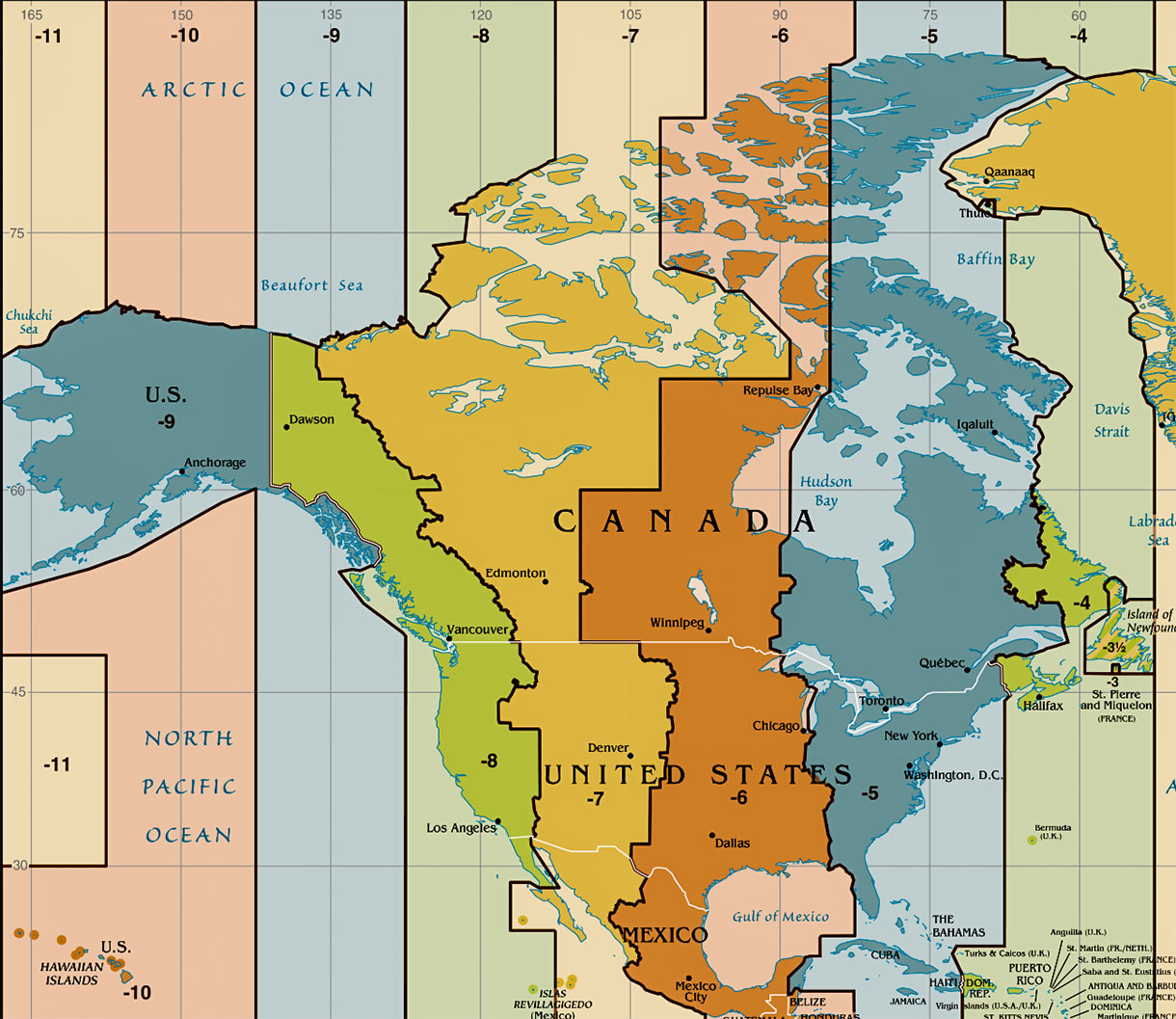
Hawaii Standard Time is precisely defined as UTC-10. This means it is ten hours behind Coordinated Universal Time, the primary time standard by which the world regulates clocks and time. For travelers arriving from the continental United States, this translates into a significant difference:
- Two hours behind Pacific Standard Time (PST): When it’s 12:00 PM in Los Angeles (PST), it’s 10:00 AM in Honolulu (HST).
- Three hours behind Mountain Standard Time (MST).
- Four hours behind Central Standard Time (CST).
- Five hours behind Eastern Standard Time (EST): When it’s 12:00 PM in New York City (EST), it’s 7:00 AM in Honolulu (HST).
What truly sets HST apart and simplifies planning for many is its steadfast refusal to observe Daylight Saving Time (DST). While much of North America springs forward in March and falls back in November, Hawaii’s clocks remain constant. This means that for roughly half the year, when mainland regions are on Daylight Saving Time (e.g., PDT, MDT, CDT, EDT), the time difference with Hawaii expands by an additional hour. For instance, when it’s 12:00 PM in Los Angeles during Pacific Daylight Time (PDT), it’s still 9:00 AM in Honolulu (HST), making the difference three hours instead of two. This consistency in Hawaii eliminates the need for any seasonal adjustments, providing a stable temporal framework for visitors and residents alike.
Geographical and Astronomical Context
Hawaii’s position as the westernmost state in the United States and its solitary location in the central Pacific Ocean are the primary reasons for its unique time zone. Situated far from the major landmasses of North America and Asia, the Hawaiian Islands fall naturally into this distinct longitude-based time zone. This geographical isolation not only dictates the time but also profoundly influences the daily experience of sunlight.
Because of Hawaii’s proximity to the equator, the length of day and night remains relatively consistent throughout the year, with less dramatic seasonal variation compared to higher latitudes. Sunrises typically occur between 6:00 AM and 7:15 AM, and sunsets between 5:45 PM and 7:15 PM, depending on the time of year. This consistent solar rhythm means that early mornings are often bright and vibrant, ideal for catching a sunrise over Diamond Head or an early surfing lesson at Waikiki Beach. Evenings, conversely, arrive earlier than many visitors from the mainland might be accustomed to, ushering in breathtaking sunsets and a relaxed atmosphere perfect for an early dinner or a leisurely stroll along the beach. Understanding this natural light cycle, shaped by HST and Hawaii’s equatorial latitude, allows travelers to better synchronize their activities with the local environment, optimizing their enjoyment of every sun-drenched day and starlit night.

Navigating Time Differences for Travelers
For many visitors, the time difference can be one of the most significant initial challenges of a Hawaii vacation. While the thought of adjusting your internal clock might seem daunting, especially after a long flight, understanding the nuances of HST and implementing strategic planning can transform this potential hurdle into a seamless part of your travel adventure. From managing jet lag to coordinating with loved ones back home, navigating the time zones effectively is key to a stress-free and enjoyable experience.
Jet Lag Management and Arrival Adjustments
The substantial time shift to Hawaii Standard Time (HST) means most travelers, particularly those from the United States, Canada, or Europe, will experience some degree of jet lag. The key to minimizing its impact is proactive management, starting even before your flight takes off.
- Pre-Flight Adjustment: A few days before departure, try to gradually shift your sleep schedule towards Hawaii time. Go to bed a little later and wake up a little later if coming from the west, or earlier if coming from the east.
- Hydration: Stay well-hydrated before, during, and after your flight. Dehydration can exacerbate jet lag symptoms.
- On Arrival: The most crucial advice is to embrace the local time immediately. If you arrive in the morning, resist the urge to nap for long periods. Instead, seek out natural sunlight; a walk on Waikiki Beach or exploring the shops in Honolulu can help reset your body’s internal clock. Evenings should be spent winding down, aiming for an earlier bedtime to align with HST.
- Pace Yourself: The first couple of days are not the time for an overly ambitious itinerary. Schedule lighter activities, allow for flexibility, and listen to your body. Early mornings are often a natural byproduct of jet lag, offering a perfect opportunity to witness spectacular sunrises or enjoy peaceful moments before the crowds arrive at attractions like Diamond Head.
Planning Your Hawaiian Itinerary
Effective itinerary planning goes hand-in-hand with understanding HST. The time difference impacts everything from booking excursions to dining reservations and connecting with people outside the islands.
- Activities and Tours: Most organized tours and activities, such as snorkeling trips in Hanauma Bay, sunrise viewing at Haleakala National Park on Maui, or visiting Pearl Harbor on Oahu, tend to start early in the day. This aligns perfectly with the body clock of many jet-lagged travelers who find themselves naturally waking up early. Always double-check booking times to ensure you arrive promptly in Hawaii time.
- Dining: While many restaurants cater to visitors, understanding that the dinner rush might occur earlier than you’re used to can help with reservations, especially in popular spots in Lahaina or Kona.
- Communication with Home: Whether it’s a quick call to family, checking in with work, or sharing your incredible Hawaii experiences on social media, be mindful of the time difference. A 9:00 AM call from Maui would be 2:00 PM on the East Coast and 11:00 AM on the West Coast of the United States (during Standard Time). Factor this into your daily schedule to avoid inconvenient interruptions or missed connections.
- Flight Arrivals and Departures: Pay close attention to the time zone conversion for your flights. An evening arrival in Honolulu from Los Angeles might feel like the middle of the night to your body, influencing your first night’s rest and potentially impacting check-in at your hotel.
Digital Connection and Time Zone Apps
In our increasingly connected world, managing time zones on the go is easier than ever, thanks to technology.
- Smartphone Settings: Ensure your smartphone automatically updates its time zone. Most modern phones do this by default when connected to cellular or Wi-Fi networks, which is invaluable for seamless time adjustment.
- World Clock Apps: Utilize the world clock feature on your phone or dedicated time zone apps. These tools allow you to quickly see the current time in your home city alongside Hawaii time, simplifying communication planning.
- Offline Access: Before venturing into remote areas like the Napali Coast on Kauai or parts of the Big Island, where cellular service may be spotty, confirm your device’s time settings.
Leveraging these digital tools can help minimize confusion and ensure you’re always operating on the correct schedule, allowing you to fully relax and enjoy your Hawaiian getaway without unnecessary temporal worries.
The Hawaii Time Zone and Your Lifestyle Experience
Beyond the practicalities of scheduling and jet lag, Hawaii Standard Time (HST) profoundly influences the entire lifestyle experience of a Hawaiian vacation. It shapes the rhythm of daily life, the nuances of local culture, and the subtle ways you’ll interact with your surroundings. Embracing this unique temporal beat is not just about setting your watch, but about allowing yourself to adapt to the “island time” philosophy, which is central to the magic of Hawaii.
Embrace the Local Rhythm
Hawaii’s time zone inherently fosters a distinct pace of life. The early sunrises and relatively early sunsets, combined with the islands’ natural beauty, encourage a lifestyle that starts early and winds down earlier.
- Early Mornings: You’ll find that many locals and seasoned visitors are up with the sun, capitalizing on the cool, crisp air of the morning. This is the perfect time for a jog along the beach, a peaceful walk, or simply enjoying a cup of coffee on your lanai as the sky awakens. Activities like snorkeling at Hanauma Bay or exploring the lush trails of Waimea Canyon on Kauai often start early, allowing you to beat both the heat and the crowds.
- Early Evenings: With sunsets occurring relatively early, especially in winter, evenings in Hawaii often transition into a relaxed mode sooner than you might be used to. This provides ample opportunity to savor stunning sunsets over the Pacific, enjoy leisurely dinners, and participate in evening activities such as a traditional luau. This inherent “island time” encourages a slower, more deliberate approach to your day, fostering relaxation and a deeper connection to your surroundings. It’s a key ingredient in the relaxed, unhurried atmosphere that defines a Hawaiian getaway, whether you’re staying in a luxurious resort in Maui or a cozy villa on the Big Island.
Impact on Dining and Entertainment
The Hawaii Standard Time (HST) also subtly influences the dining and entertainment scene across the islands. Knowing this can help you better plan your evenings and understand local customs.
- Restaurant Hours: While tourist hubs like Waikiki and Lahaina offer later options, many local establishments and even some fine dining restaurants may have earlier closing times than in major mainland cities. Dinner reservations around 6:00 PM or 7:00 PM are quite common, allowing diners to enjoy the sunset before their meal.
- Luau Timing: The quintessential Hawaiian luau is a perfect example of an event timed to HST. These festive gatherings typically begin in the late afternoon, often around 4:30 PM to 5:30 PM, allowing guests to enjoy the food, entertainment, and cultural presentations while the sun sets, culminating in a spectacular evening under the stars. The Polynesian Cultural Center on Oahu, for instance, structures its evening programs around this natural transition from day to night.
- Nightlife: While Honolulu boasts a lively nightlife, especially in Waikiki, other islands and towns tend to be quieter after 9:00 PM or 10:00 PM. If late-night entertainment is a priority, research options specific to your island and location. Otherwise, embrace the opportunity for peaceful evenings, perhaps with a drink at a hotel bar or a stroll by the ocean.
Maximizing Your Stay with HST in Mind
Strategic planning around HST can significantly enhance your overall accommodation and travel experience, whether you’re on a luxury trip or a budget-friendly adventure.
- Booking Accommodations: Be mindful of check-in and check-out times. Arriving on an early morning flight can mean several hours before you can access your room, especially if you’re coming from the East Coast. Many hotels, resorts, and apartments offer luggage storage, and some provide early check-in options or day-use amenities like pool access. It’s always wise to confirm these possibilities beforehand. Similarly, plan your departure to align with check-out, or arrange for a late check-out if your flight leaves late in the evening.
- Excursions and Tours: Confirm all start times in Hawaii time. Whether it’s a sunrise hike up Mauna Kea on the Big Island, a drive along the Hana Highway on Maui, or a guided tour of the USS Arizona Memorial, being punctual ensures you don’t miss out on precious moments.
- Business Stays: For those traveling to Hawaii for business, the time difference can be a major factor in scheduling calls and meetings with mainland or international contacts. Plan your communication windows carefully to align with business hours across different time zones.
By consciously considering HST in your daily planning, you’re not just avoiding missed appointments; you’re actively embracing the lifestyle that makes Hawaii so special. It’s about letting go of mainland pressures and slipping into the relaxed cadence of “island time,” which is ultimately what a vacation to this tropical paradise is all about.
Understanding “What Is The Hawaii Time Zone?” is more than a simple geographical fact; it’s a foundational piece of knowledge for any traveler heading to the Aloha State. Hawaii Standard Time (HST), fixed at UTC-10 and unburdened by Daylight Saving, offers a consistent yet distinct temporal rhythm that shapes every aspect of a Hawaiian adventure. From managing the initial impact of jet lag to strategically planning your days, navigating this time zone effectively is paramount to a seamless and enriching experience.
Embracing HST means adjusting to earlier sunrises and sunsets, allowing you to maximize the vibrant mornings for exploration and savor the peaceful evenings for relaxation. It influences everything from the timing of a traditional luau to when you’ll schedule calls back home. By proactively understanding and adapting to Hawaii’s unique clock, you not only ensure punctuality for your tours and reservations but also immerse yourself more fully in the unhurried, natural flow of island life. So, as you prepare for your journey to this tropical haven, remember that synchronizing with HST is your first step towards truly living the “Aloha spirit.” It’s an invitation to slow down, breathe deeply, and allow the timeless beauty of Hawaii to wash over you.
LifeOutOfTheBox is a participant in the Amazon Services LLC Associates Program, an affiliate advertising program designed to provide a means for sites to earn advertising fees by advertising and linking to Amazon.com. Amazon, the Amazon logo, AmazonSupply, and the AmazonSupply logo are trademarks of Amazon.com, Inc. or its affiliates. As an Amazon Associate we earn affiliate commissions from qualifying purchases.