
The Lone Star State, a vast expanse of diverse landscapes and vibrant cities, is renowned for its clear skies and breathtaking vistas. However, on certain days, a peculiar phenomenon can obscure these views: haze. This atmospheric condition can range from a subtle veil that softens the horizon to a dense fog that significantly reduces visibility, impacting everything from daily life to the enjoyment of iconic landmarks. Understanding the causes and implications of this haze is crucial for residents and visitors alike who wish to fully appreciate the natural beauty and outdoor activities Texas has to offer. This exploration delves into the meteorological, environmental, and even human-induced factors that contribute to the haze, and how it influences the tourism experience across the state.

Understanding Atmospheric Haze
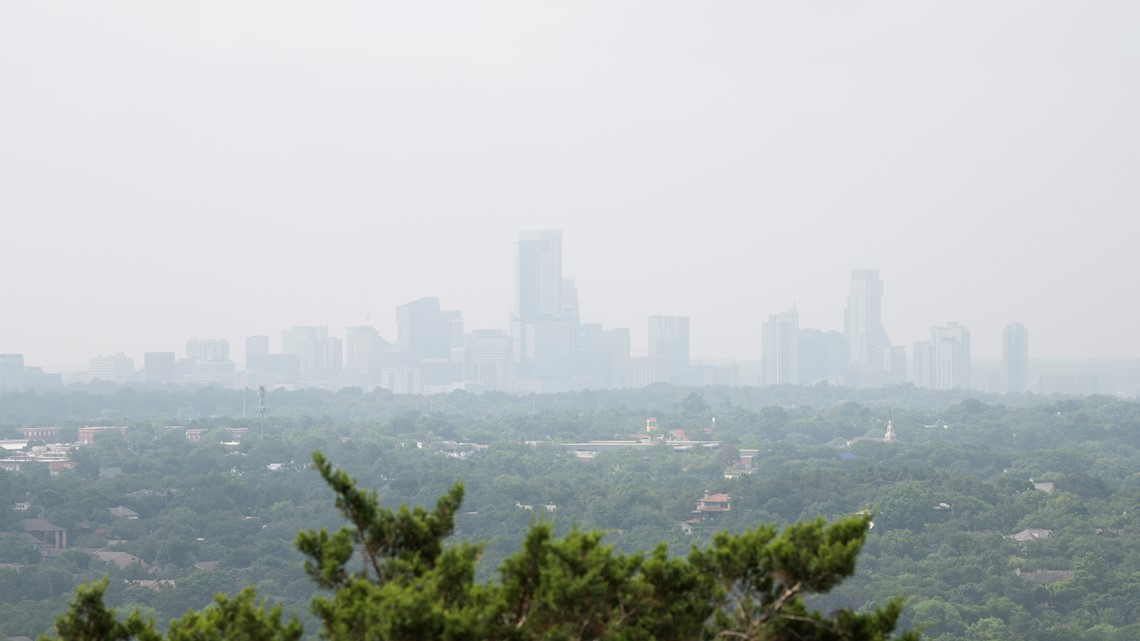
Haze, in its most fundamental definition, is the suspension of fine solid particles or liquid droplets in the air that reduces visibility. Unlike fog, which is composed of water droplets and typically forms at ground level, haze can be composed of a variety of substances. These particles are often microscopic, making them invisible to the naked eye individually, but collectively they scatter light, making distant objects appear indistinct and lending a milky or grayish appearance to the sky. The intensity of the haze is directly related to the concentration of these particles.
The Science Behind the Veil
The formation of haze is a complex interplay of atmospheric conditions and the presence of particulate matter. Several key factors contribute:
- Particulate Matter (PM): This is the primary culprit. PM2.5 (particles less than 2.5 micrometers in diameter) and PM10 (particles less than 10 micrometers in diameter) are common components of haze. These can originate from both natural and anthropogenic sources.
- Natural Sources: Dust storms, particularly common in West Texas, can loft significant amounts of soil particles into the atmosphere. Wildfires, while less frequent in some parts of Texas, can release smoke and ash. Volcanic eruptions, though rare in the immediate vicinity, can contribute to regional atmospheric particles.
- Anthropogenic Sources: Human activities are significant contributors. Vehicle exhaust, industrial emissions, power generation, and agricultural activities (such as tilling and fertilizer use) release various pollutants like sulfur dioxide, nitrogen oxides, and volatile organic compounds. These can then react in the atmosphere to form secondary particulate matter.
- Meteorological Conditions: Certain weather patterns exacerbate haze formation.
- Temperature Inversions: This occurs when a layer of warm air traps cooler air near the ground. Pollutants released near the surface become concentrated in the trapped cooler layer, leading to increased haze.
- Low Wind Speeds: Calm conditions prevent the dispersal of pollutants, allowing them to accumulate and form thicker haze.
- High Humidity: Moisture in the air can cause some dry particulate matter to absorb water, increasing their size and their ability to scatter light. This can also facilitate chemical reactions that create secondary aerosols.
Types of Haze and Their Characteristics
While often used interchangeably, different types of haze have distinct compositions and visual effects:
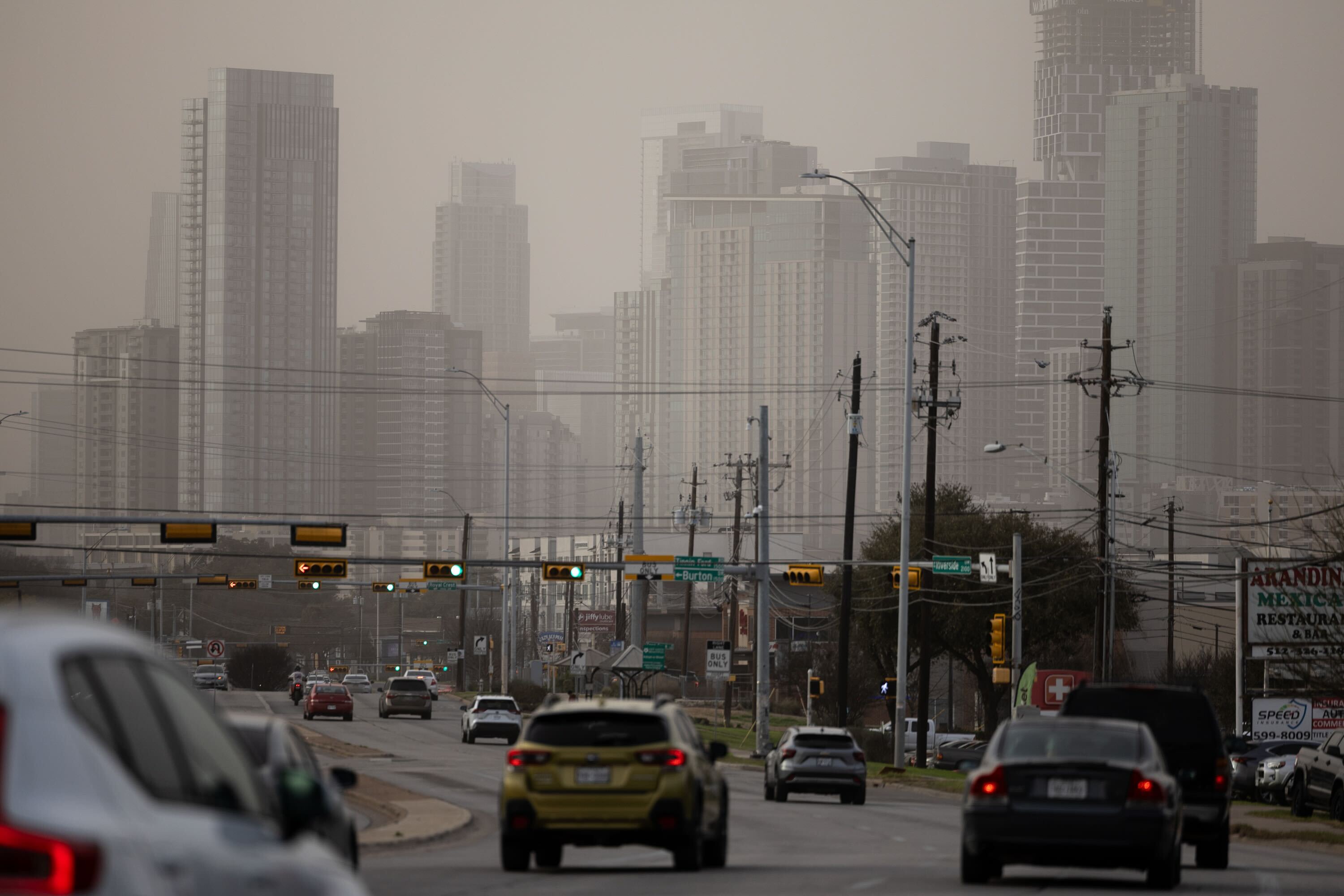
- Dust Haze: Primarily composed of mineral dust, this type is common in arid and semi-arid regions of Texas. It often imparts a brownish or reddish hue to the sky. Visibility can be significantly reduced, and respiratory irritants can be a concern.
- Smoke Haze: Resulting from wildfires or prescribed burns, smoke haze consists of fine soot particles, ash, and gases. It can range from a light gray to a deep, ominous brown, often carrying a distinct smoky odor.
- Pollution Haze (Smog): This is often a byproduct of industrial and vehicular emissions. It can appear grayish or yellowish and is a complex mixture of particulate matter and gases like ozone. While ozone itself is a gas, it can contribute to the overall atmospheric conditions that create a hazy effect.
Haze’s Impact on Texas Tourism and Activities
The presence of haze, regardless of its origin, can significantly alter the visitor experience in Texas. From the sprawling plains of the Panhandle to the coastal bend of the Gulf of Mexico, and the vibrant urban centers like Austin and Dallas, the visual clarity of the landscape is a key component of many tourist attractions.
Affecting Natural Wonders and Outdoor Pursuits
Texas boasts an incredible array of natural attractions, many of which are best enjoyed with unobstructed views.
- Big Bend National Park: The vast, rugged beauty of the Chisos Mountains and the distant desert landscapes are a major draw. When haze is present, the dramatic vistas that stretch for miles can be reduced to a muted, indistinct panorama. Hiking trails may lose their scenic appeal, and photography opportunities diminish significantly. The clear night skies, famous for stargazing, can also be compromised, as haze scatters artificial light and obscures fainter celestial objects.
- Palo Duro Canyon State Park: Known as the “Grand Canyon of Texas,” the vibrant geological formations and sweeping views are central to its appeal. Haze can mute the striking colors of the canyon walls and reduce the sense of depth and scale, impacting the overall awe-inspiring experience.
- Gulf Coast and Beaches: While the Texas Coast offers miles of sandy shores and ocean views, haze can create a murky, less inviting atmosphere. Visibility offshore can be reduced, affecting activities like boating and fishing. The visual appeal of a clear blue horizon is lost, potentially dampening the quintessential beach vacation experience.
- Hill Country Landscapes: The rolling hills, vineyards, and charming small towns of the Texas Hill Country are popular for scenic drives and outdoor recreation. Haze can obscure the picturesque scenery, making drives less enjoyable and diminishing the appeal of activities like bird watching and wildflower viewing, which rely on clear sightlines.
Impact on Urban Tourism and Cityscapes
Major cities across Texas also feel the effects of atmospheric haze.
- City Skylines: Iconic cityscapes, such as the skyline of Houston or San Antonio, are often viewed from vantage points that offer panoramic vistas. Haze can transform these impressive displays of architecture into a dull, out-of-focus silhouette, reducing their visual impact.
- Outdoor Dining and Festivals: Many of Texas’s renowned culinary scenes thrive on outdoor dining experiences and vibrant festivals. Haze can make these events feel less pleasant, particularly if the haze is associated with unpleasant odors or reduced air quality. The ambiance of al fresco dining can be significantly diminished.
- Sporting Events: Outdoor sporting events, from baseball games at Globe Life Field to football games at AT&T Stadium, can be affected by reduced visibility, though usually to a lesser extent than natural landscapes. More significantly, extreme haze can lead to concerns about air quality for athletes and spectators.
Mitigating Haze and Ensuring Clearer Skies for Tourism
While some natural phenomena like dust storms are difficult to control, many sources of haze are linked to human activity, offering avenues for mitigation. As Texas continues to grow and develop, balancing economic progress with environmental stewardship is crucial for preserving its natural beauty and ensuring a positive tourism experience.
Air Quality Monitoring and Public Information
- State Agencies: Organizations like the Texas Commission on Environmental Quality (TCEQ) play a vital role in monitoring air quality across the state. They provide real-time data and forecasts that can help the public and tourism operators plan accordingly.
- Visitor Information: Tourism boards and individual attractions can integrate air quality information into their visitor advisories. This can include suggestions for alternative indoor activities when haze is severe, or simply managing expectations about visibility. Providing this information allows travelers to make informed decisions about their itineraries.
Environmental Regulations and Initiatives
- Emission Standards: Stricter regulations on industrial emissions and vehicle exhaust can lead to a long-term reduction in particulate matter and the pollutants that form haze.
- Renewable Energy: A greater reliance on renewable energy sources like solar and wind power can decrease the emissions associated with fossil fuel combustion, a significant contributor to air pollution.
- Wildfire Management: Improved forest management practices and rapid response to wildfires can minimize the amount of smoke released into the atmosphere.
- Sustainable Tourism Practices: Encouraging eco-friendly transportation options, waste reduction, and responsible land use within tourist areas can contribute to cleaner air.
Personal Responsibility and Awareness
While large-scale initiatives are essential, individual actions also play a part.
- Transportation Choices: Opting for public transport, carpooling, or electric vehicles within cities can reduce localized pollution.
- Energy Conservation: Conserving energy at home and in accommodations reduces the demand on power plants, which are often a source of emissions.
- Awareness: Being mindful of local air quality advisories and understanding the potential causes of haze can foster a greater appreciation for the efforts needed to maintain Texas’s beautiful, clear skies.
The haze in Texas, though sometimes a temporary inconvenience, is a reminder of the delicate balance between human activity and environmental health. For the tourism industry, it underscores the importance of not only showcasing the state’s attractions but also actively contributing to their preservation. By understanding the science, recognizing the impacts, and embracing mitigation strategies, Texas can continue to offer its visitors the breathtaking experiences they travel so far to enjoy, under skies that are as vast and clear as the spirit of the state itself.
LifeOutOfTheBox is a participant in the Amazon Services LLC Associates Program, an affiliate advertising program designed to provide a means for sites to earn advertising fees by advertising and linking to Amazon.com. Amazon, the Amazon logo, AmazonSupply, and the AmazonSupply logo are trademarks of Amazon.com, Inc. or its affiliates. As an Amazon Associate we earn affiliate commissions from qualifying purchases.