
The High Line in New York City is more than just a park; it’s a testament to urban revitalization, a vibrant green artery weaving through the heart of Manhattan, and a beloved attraction that offers a unique perspective on the city. This elevated linear park, built on a historic freight rail line, transforms a once-forgotten industrial relic into a dynamic public space celebrated for its innovative design, artistic installations, and stunning city views.
A History of Revival: From Industrial Relic to Urban Oasis
The story of the High Line is a compelling narrative of decline, vision, and rebirth. Its origins lie in the early 20th century, a time when New York’s infrastructure was rapidly expanding.
The Rise of the West Side Elevated Railroad
In the 1930s, the West Side Elevated Railroad, affectionately known as the High Line, was constructed to lift freight traffic off the bustling streets of the West Side of Manhattan. This elevated track aimed to reduce accidents and improve the flow of goods, particularly along the waterfront. For decades, it served as a vital artery for industries, carrying everything from meat and produce to manufactured goods. Trains rumbled along this elevated structure, a constant hum of commerce against the city’s backdrop.
The Decline and Abandonment
However, with the advent of trucking and the decline of rail freight, the High Line gradually fell into disuse. By the 1980s, the last train had traversed its tracks, leaving the once-proud structure to face the slow creep of decay. Overgrown with weeds and largely forgotten, it became an eyesore for some, a poignant symbol of a bygone industrial era. Sections of the structure were even slated for demolition.
The Birth of a Vision: Friends of the High Line
Amidst the calls for demolition, a spark of preservation ignited. In 1999, Joshua David and Robert Hammond founded Friends of the High Line, a non-profit organization dedicated to transforming the derelict elevated railway into a public park. Their vision was audacious: to create a linear park that would not only preserve a piece of New York’s industrial history but also inject new life into the surrounding neighborhoods of Chelsea and the Meatpacking District.
The Transformation into a Public Park
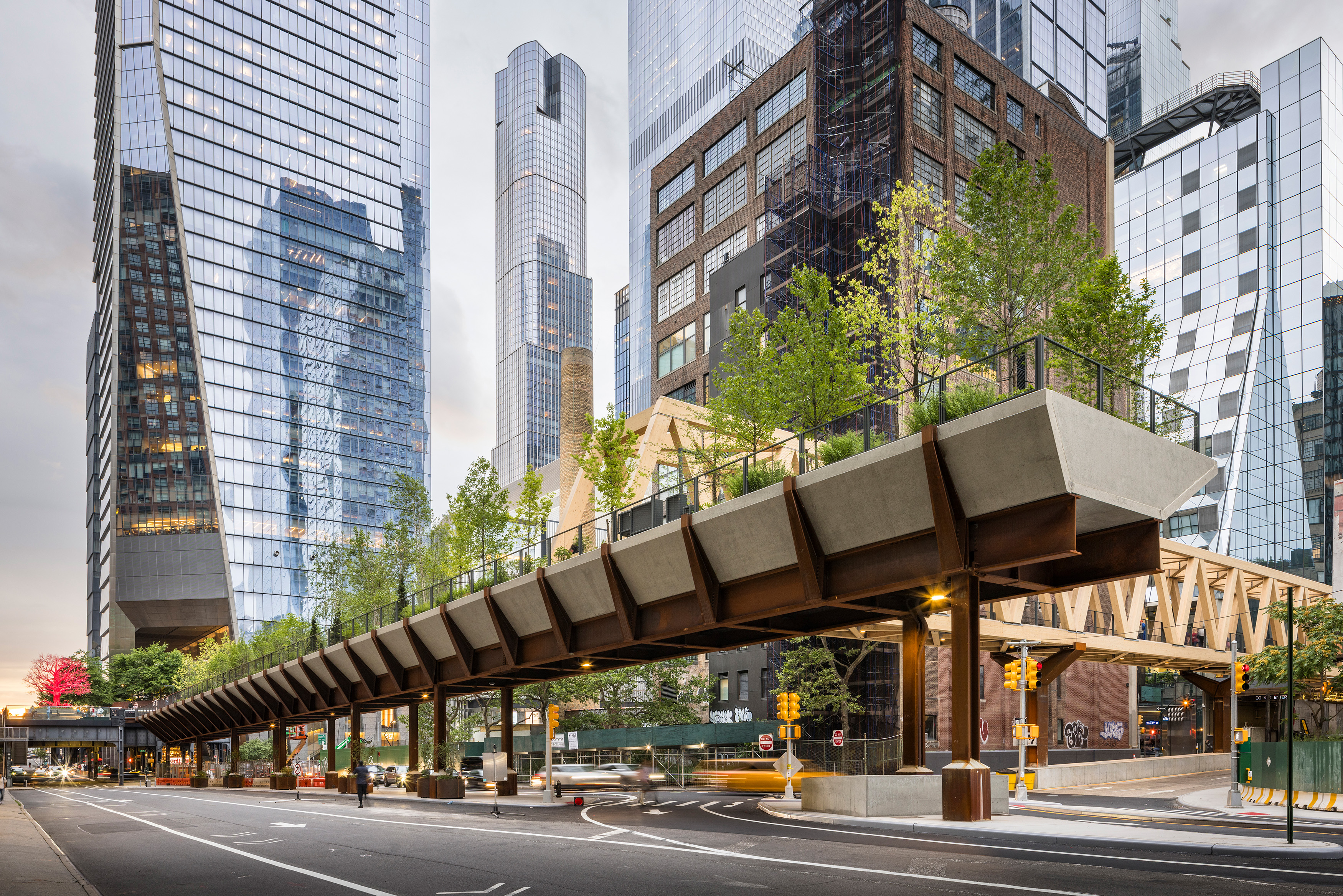
After years of advocacy, fundraising, and meticulous planning, the first section of the High Line opened to the public in 2009. Subsequent sections were completed in 2011 and 2014, culminating in the full 1.45-mile (2.3-kilometer) park that exists today. The transformation was remarkable, turning a rusty, abandoned structure into a lush, innovative landscape. Landscape architects James Corner Field Operations and Diller Scofidio + Renfro, along with planting designer Piet Oudolf, were instrumental in shaping the park’s unique aesthetic, which honors the wild, self-seeded vegetation that had taken root during its period of abandonment.
A Unique Urban Experience: Exploring the High Line
Walking the High Line is an immersive experience that offers a distinct vantage point of New York City. It’s a place where nature, art, and urban life converge, creating a dynamic and ever-evolving attraction.
Design and Landscape: Nature Reclaims the Steel
One of the most striking aspects of the High Line is its innovative design. Rather than impose a formal garden aesthetic, the designers embraced the railway’s wild past. The landscaping features a diverse array of perennials, grasses, and shrubs that evoke the self-seeding plants that grew on the tracks during their abandonment. The pathways are made of permeable concrete, allowing water to drain and nourish the plantings.
- The Pershing Square Overlook: This section offers expansive views of the Hudson River and beyond, with seating designed to resemble the original railway ties.
- The Diller-von Furstenberg Sundeck & Water Feature: A popular spot for relaxation, featuring lounge chairs and a shallow water channel that can be transformed into a misting area during warmer months.
- The Rail Beds: Portions of the original rail beds have been preserved, complete with tracks and ballast, serving as a tangible reminder of the structure’s industrial heritage.
- Art Installations: Throughout the park, rotating installations of public art are displayed, ranging from sculptures and murals to performance art. These pieces are curated by the High Line Art program, adding a layer of cultural richness to the visitor experience.
Views and Perspectives: Seeing the City Anew
The elevated nature of the High Line provides unparalleled perspectives of the surrounding cityscape. As you stroll along the 30-foot-high pathway, you’ll witness the juxtaposition of historic architecture with modern skyscrapers, bustling street life below, and glimpses into the windows of buildings you might otherwise never see.

- Hudson Yards: The northern end of the High Line terminates at Hudson Yards, a massive new development that showcases contemporary architecture and urban planning. Here, visitors can explore the iconic The Vessel and the Shed, a performing arts center.
- Chelsea Gallery District: The park winds through the heart of the Chelsea gallery district, offering unique opportunities to peer into art galleries and studios, often at eye level.
- The Meatpacking District: The southern section of the High Line meanders through the trendy Meatpacking District, known for its cobblestone streets, boutique shops, and vibrant nightlife.
Practical Information for Visiting the High Line
To make the most of your visit to this iconic New York attraction, understanding its accessibility, amenities, and visitor guidelines is essential.
Access Points and Hours
The High Line is accessible at multiple points along its length, making it easy to hop on and off as needed. Entrances are located between Gansevoort Street and 34th Street, with elevators available at many of these access points, ensuring it is accessible for individuals with mobility challenges. The park is open year-round, typically from early morning until evening, though specific hours vary by season. It is advisable to check the official Friends of the High Line website for the most up-to-date operating hours.
Amenities and Services
Along the High Line, visitors will find a range of amenities designed to enhance their experience. Benches and seating areas are plentiful, offering opportunities to rest and soak in the surroundings. Food vendors and cafes are also available, providing refreshments and light snacks. Public restrooms are located at various points along the park.
- The High Line Shop: Located near the Gansevoort Street entrance, this shop offers unique souvenirs and gifts, with proceeds supporting the park’s maintenance and programming.
- Public Art Program: The High Line is a living gallery, featuring a diverse and ever-changing array of public art. Information about current exhibitions is available on-site and online.
- Guided Tours: Friends of the High Line offers various guided tours, providing deeper insights into the park’s history, design, and art. These tours are highly recommended for a comprehensive understanding of the site.
Visitor Guidelines
To preserve the beauty and tranquility of the High Line for all visitors, certain guidelines are in place. These typically include rules against climbing on railings, feeding wildlife, and playing amplified music. Visitors are encouraged to stay on designated pathways and to dispose of trash properly to help maintain the park’s cleanliness. Cycling and skating are generally not permitted on the park’s pathways to ensure the safety of pedestrians.
The High Line’s Impact on New York City
Beyond its appeal as a tourist attraction, the High Line has had a profound and lasting impact on New York City, serving as a model for urban regeneration worldwide.
Economic and Social Revitalization
The development of the High Line has been credited with catalyzing significant economic and social revitalization in the neighborhoods it traverses. Areas that were once industrial and somewhat neglected, like the Meatpacking District and parts of Chelsea, have experienced a surge in new businesses, residential development, and increased foot traffic. This has led to a notable increase in property values and has transformed the character of these districts into vibrant, desirable urban centers. The park has also fostered a stronger sense of community, providing a shared public space for residents and visitors alike.
A Model for Urban Regeneration
The success of the High Line has inspired similar urban renewal projects in cities around the globe. Its ability to transform an obsolete piece of infrastructure into a valuable public amenity has become a blueprint for rethinking urban spaces. Cities are increasingly looking to reclaim and repurpose underutilized or abandoned infrastructure, turning potential liabilities into assets that enhance quality of life, promote sustainability, and boost local economies. The High Line stands as a powerful symbol of what can be achieved through creative vision, community engagement, and a commitment to preserving and reimagining urban heritage.

Environmental Benefits
As a green space, the High Line contributes to New York’s urban ecosystem. The extensive plantings help to improve air quality, reduce the urban heat island effect, and provide habitat for various urban wildlife, including birds and insects. The permeable surfaces also aid in stormwater management. Its existence encourages more walking and less reliance on cars, contributing to a reduction in carbon emissions.
In conclusion, the High Line is far more than just a park; it is a dynamic, living landmark that embodies the spirit of New York City – a place of constant reinvention, where history and modernity coexist, and where innovative design can transform the urban landscape for the betterment of all. It offers a unique and memorable experience for anyone seeking to explore the city from a different perspective.
LifeOutOfTheBox is a participant in the Amazon Services LLC Associates Program, an affiliate advertising program designed to provide a means for sites to earn advertising fees by advertising and linking to Amazon.com. Amazon, the Amazon logo, AmazonSupply, and the AmazonSupply logo are trademarks of Amazon.com, Inc. or its affiliates. As an Amazon Associate we earn affiliate commissions from qualifying purchases.