
The Florida homestead exemption is a cornerstone of property ownership in the Sunshine State, offering significant financial relief and protection to residents. While it might sound like a purely financial or legal matter, understanding it can profoundly impact your lifestyle, especially if you’re considering a long-term stay, a second home, or even a permanent move to Florida. This exemption is more than just a tax break; it’s a vital component of the Florida real estate landscape that influences everything from property values to the cost of living for homeowners. For those planning a dream vacation, investing in a vacation rental, or even looking to establish a permanent residence, grasping the nuances of the homestead exemption can lead to substantial savings and greater financial security.
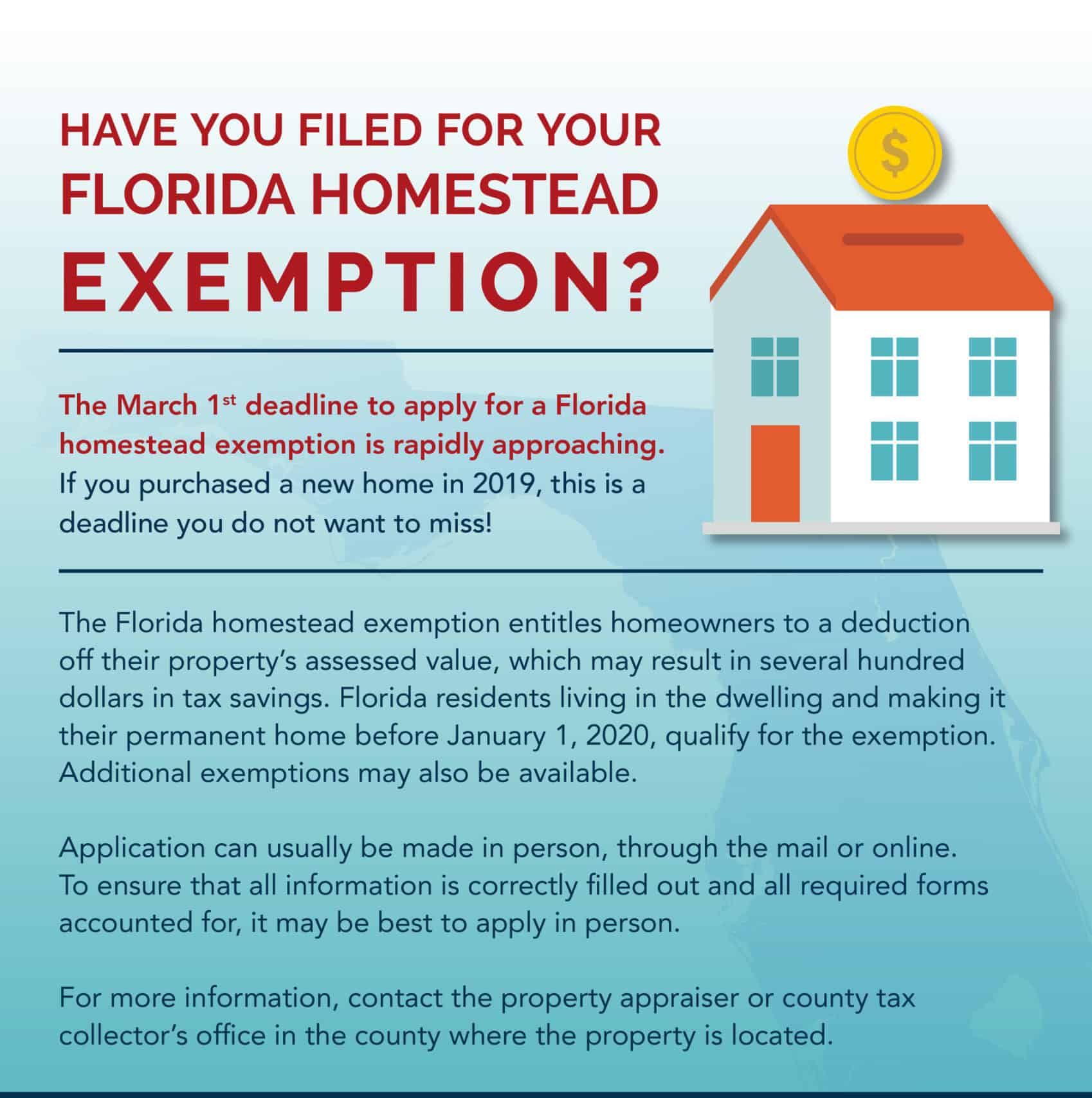
At its core, the homestead exemption is designed to alleviate the property tax burden on primary residences. This makes homeownership more accessible and sustainable for individuals and families. It’s a benefit that can significantly reduce your annual tax bill, freeing up funds that can be used for other aspects of your lifestyle, whether that’s enjoying more travel experiences, upgrading your accommodation, or exploring the vibrant tourism scene. For visitors who dream of one day owning a piece of Florida paradise, from a cozy condo in Miami to a sprawling villa in the Florida Keys, understanding this exemption is a crucial step in their planning process.
Understanding the Florida Homestead Exemption: More Than Just a Tax Break
The homestead exemption in Florida provides two primary benefits: a reduction in the assessed value of your property for tax purposes and protection of your home from creditors. This dual advantage makes it a powerful tool for homeowners. For Florida residents, it means lower property taxes, which can be particularly beneficial in areas with high property values like Orlando or along the coasts. For those considering a move, it’s an important factor in calculating the overall cost of homeownership and can make the decision to relocate more attractive.
Property Tax Relief: Lowering Your Annual Tax Bill
The most immediate and tangible benefit of the homestead exemption is the reduction it offers on your property tax bill. Florida law allows homeowners to exempt a portion of their home’s assessed value from taxation. This exemption is applied annually, directly reducing the amount of property tax you owe.
How Property Tax Relief Works
The basic homestead exemption allows you to exempt $25,000 of your home’s assessed value from all taxing authorities. This is applied to the first $50,000 of your property’s value. For example, if your home is assessed at $100,000, the first $25,000 of that value would be exempt from property taxes, effectively meaning you’d only pay taxes on $75,000.
Furthermore, for taxing districts other than the school board, an additional exemption of up to $25,000 is available on the assessed value between $50,000 and $75,000. This means that on a $100,000 assessed property, $50,000 would be exempt in total ($25,000 basic + $25,000 additional). For a property assessed at $75,000 or more, the full $50,000 exemption would apply. This significant reduction can make a substantial difference in your annual expenses, allowing for more discretionary income for other pursuits.
Additional Homestead Exemptions
Beyond the basic and additional exemptions, Florida offers several other homestead exemptions designed to provide further relief to specific groups of homeowners. These can include:
- $500 Exemption for Specified Veterans: Veterans who are at least 65 years old and have served during times of war may be eligible for an additional $500 exemption.
- $5,000 Exemption for Surviving Spouses: Surviving spouses of qualifying disabled veterans or those who died in the line of duty are entitled to a $5,000 exemption.
- Totally and Permanently Disabled Persons Exemption: Individuals who are totally and permanently disabled may qualify for a full exemption of their property’s assessed value. This is a significant benefit for those facing such challenges.
- $5,000 Exemption for Widows and Widowers: Unremarried widows and widowers are eligible for a $5,000 exemption.
- Solar Energy Devices: Property owners who have installed solar energy devices are exempt from property taxes on the value of these devices.
These additional exemptions can stack with the basic homestead exemption, providing even greater tax savings. For instance, a disabled veteran who also qualifies for the basic homestead exemption could see their tax burden significantly reduced. This tiered approach ensures that those who have served the country, are facing disabilities, or have specific life circumstances receive additional support.
Portability of Property Tax Savings
A crucial aspect for homeowners looking to relocate within Florida is the portability of their homestead tax savings. Florida law allows homeowners to “port” their homestead tax savings when they move to a new property within the state. This means that if you’ve benefited from significant tax savings on your previous homesteaded property, you can transfer a portion of that saving to your new home, up to a certain limit. This feature makes upgrading or downsizing within Florida more financially feasible, as you don’t necessarily lose all the accumulated tax benefits you’ve enjoyed. This is particularly relevant for individuals who might be upgrading from a starter home to a larger family residence or downsizing into a smaller, more manageable property as their lifestyle changes.
Protection from Creditors: Safeguarding Your Home
The homestead exemption in Florida is not only about saving money on taxes; it also offers robust protection for your primary residence against certain creditors. This protection is a vital aspect of homeownership security, ensuring that your home remains a sanctuary even in the face of financial difficulties.
The Extent of Creditor Protection
Florida’s constitutional homestead exemption provides that a person’s or family’s home is protected from forced sale by creditors up to one-half acre of land within a municipality and up to 160 contiguous acres of land outside of a municipality. This protection applies to the equity in your home. Essentially, if your home is protected by the homestead exemption, creditors generally cannot force the sale of your property to satisfy most types of debts.
This protection is incredibly valuable, offering peace of mind to homeowners. Whether you’ve experienced unexpected medical bills, a business failure, or other financial setbacks, your primary residence is generally safe from seizure. This allows homeowners to focus on recovering financially without the immediate threat of losing their home.
Limitations of the Homestead Exemption
It is important to understand that the homestead exemption does not protect your home from all types of liens and judgments. There are specific exceptions to this creditor protection, which include:
- Purchase Money Mortgages: Debts incurred to purchase the property itself are not protected. If you take out a mortgage to buy your home, that mortgage can be foreclosed upon if you fail to make payments.
- Taxes and Assessments: Property taxes, special assessments, and federal tax liens are exceptions to the homestead protection.
- Home Repair Liens: Liens placed by contractors for improvements or repairs made to the property are also exceptions.
- Alimony and Child Support Obligations: Arrears in alimony or child support payments can lead to a forced sale of the homestead property.
- Fraudulent Conveyance: If a property was transferred to the owner with the intent to defraud creditors, the homestead exemption may not apply.
Understanding these limitations is crucial for homeowners to ensure they are fully aware of their rights and responsibilities. While the exemption is broad, it’s not absolute, and certain financial obligations will still take precedence.
Eligibility Requirements for the Florida Homestead Exemption
To qualify for the Florida homestead exemption, you must meet several criteria. These requirements ensure that the exemption is granted to those who genuinely reside in Florida and consider it their primary home.
Primary Residence Requirement
The most critical requirement is that the property must be your permanent, primary residence. This means you must live in the home for at least half of the year (180 days or more). You cannot claim homestead exemption on multiple properties. If you own more than one property, you must designate which one is your primary residence for the exemption. This is a key distinction for those who might own a vacation home in Florida but reside elsewhere for most of the year.
Proof of Ownership and Residency
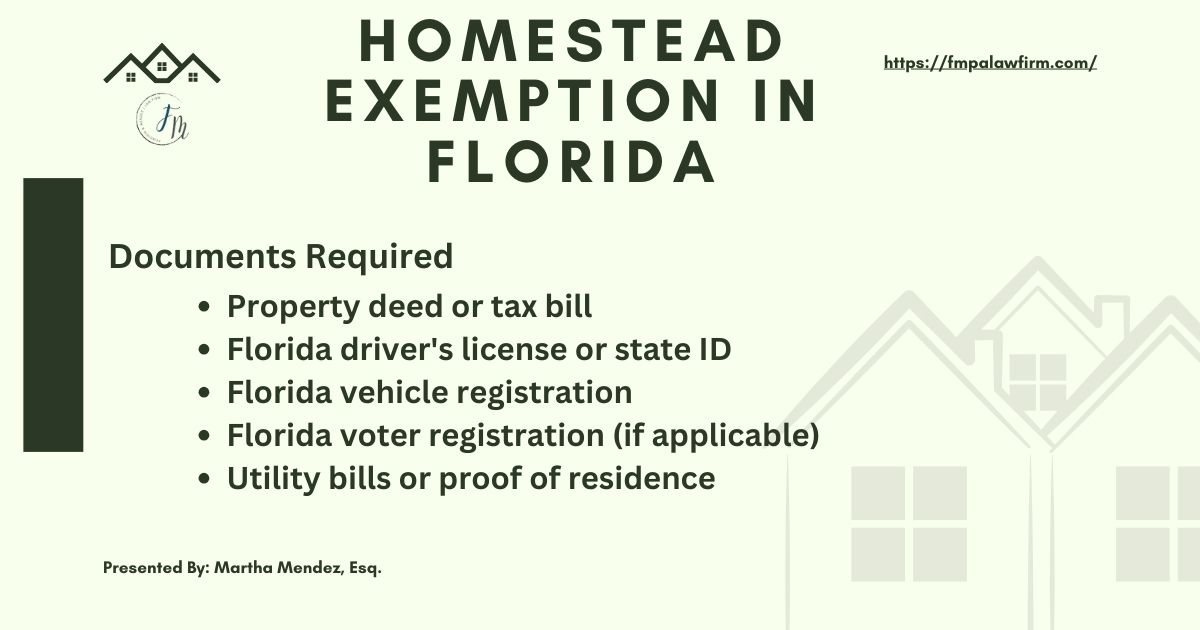
You will need to provide proof of ownership, typically through a deed. Additionally, you’ll need to demonstrate residency. Common forms of proof include:
- Florida Driver’s License or ID Card: Showing your Florida driver’s license or state ID with the property address listed is strong evidence of residency.
- Vehicle Registration: Registering your vehicle in Florida at the property address also helps.
- Voter Registration: Registering to vote in Florida at the property address is another key indicator.
- Utility Bills: Utility bills in your name at the property address can also be used as supporting documentation.
The specific documents required may vary slightly by county, so it’s always advisable to check with your local property appraiser’s office.
Filing Deadline
The application for the homestead exemption must be filed with the county property appraiser’s office by March 1st of the tax year for which you are claiming the exemption. For example, to receive the exemption for the 2024 tax year, you must file your application by March 1, 2024. If you purchase a home and establish it as your primary residence after March 1st but before January 1st of the following year, you can apply for the exemption that will take effect the following year. It’s important to note that once granted, the homestead exemption typically renews automatically each year, unless there is a change in ownership or use of the property.
Applying for the Homestead Exemption and Maximizing Benefits
The process of applying for the homestead exemption is generally straightforward, but it requires attention to detail to ensure you receive the benefits you are entitled to. For anyone planning a long-term stay or a permanent relocation to Florida, this is a critical step.
The Application Process
- Obtain the Application Form: The application form is usually available on the website of your county’s property appraiser. You can also visit their office in person to pick up a form.
- Complete the Form: Fill out the application accurately and completely, providing all requested information about yourself and the property.
- Gather Supporting Documents: Collect the necessary proof of ownership and residency as mentioned earlier.
- Submit the Application: Submit the completed application and supporting documents to your county property appraiser’s office before the March 1st deadline.
Seeking Professional Advice
While the homestead exemption process is designed to be accessible, there are situations where seeking professional advice can be beneficial. For instance, if you are involved in a complex real estate transaction, have questions about eligibility due to specific circumstances, or want to understand how the exemption interacts with other financial planning strategies, consulting with a real estate attorney or a financial advisor familiar with Florida property law is recommended. They can help ensure you are maximizing all available benefits and avoiding potential pitfalls.

Homestead Exemption and Your Lifestyle Choices in Florida
The homestead exemption plays a significant role in shaping Florida living. For those seeking to retire in Florida, establish a second home, or invest in vacation properties that they might one day occupy full-time, understanding this exemption is crucial for financial planning. It influences the affordability of homeownership, making Florida a more attractive destination for a diverse range of residents and visitors. Whether you’re dreaming of a beachfront condo in Clearwater, a family-friendly resort apartment near Walt Disney World, or a peaceful villa in the rolling hills of North Florida, the homestead exemption is a factor that can make that dream more attainable and financially sustainable. For many, it’s the key that unlocks a more comfortable and secure lifestyle in the Sunshine State.
LifeOutOfTheBox is a participant in the Amazon Services LLC Associates Program, an affiliate advertising program designed to provide a means for sites to earn advertising fees by advertising and linking to Amazon.com. Amazon, the Amazon logo, AmazonSupply, and the AmazonSupply logo are trademarks of Amazon.com, Inc. or its affiliates. As an Amazon Associate we earn affiliate commissions from qualifying purchases.