
Stanley Kubrick’s cinematic masterpiece, The Shining, is a psychological horror film that has captivated audiences for decades, leaving an indelible mark on popular culture. At its chilling heart lies the imposing and isolated Overlook Hotel, a fictional establishment that has become as infamous as its tormented characters. While the film’s narrative is a work of pure fiction, the inspiration behind the Overlook Hotel draws from very real and iconic locations, blending cinematic imagination with the allure of grand, historic mountain resorts. For fans of the film and lovers of unique travel experiences, discovering the real-world counterparts to the Overlook Hotel offers a fascinating glimpse into the inspiration behind the terror.

The Real-World Inspirations Behind the Overlook Hotel
Kubrick, known for his meticulous attention to detail, didn’t invent the Overlook Hotel from scratch. Instead, he drew inspiration from two prominent hotels that embodied the grandeur and isolation he sought for his terrifying narrative. The most significant influence is the Stanley Hotel in Estes Park, Colorado, a place steeped in history and known for its own alleged paranormal activity. The second, though less direct, is the Timberline Lodge on Mount Hood in Oregon, which served as the exterior stand-in for the Overlook Hotel in the film.
The Stanley Hotel: A Foundation of Fear
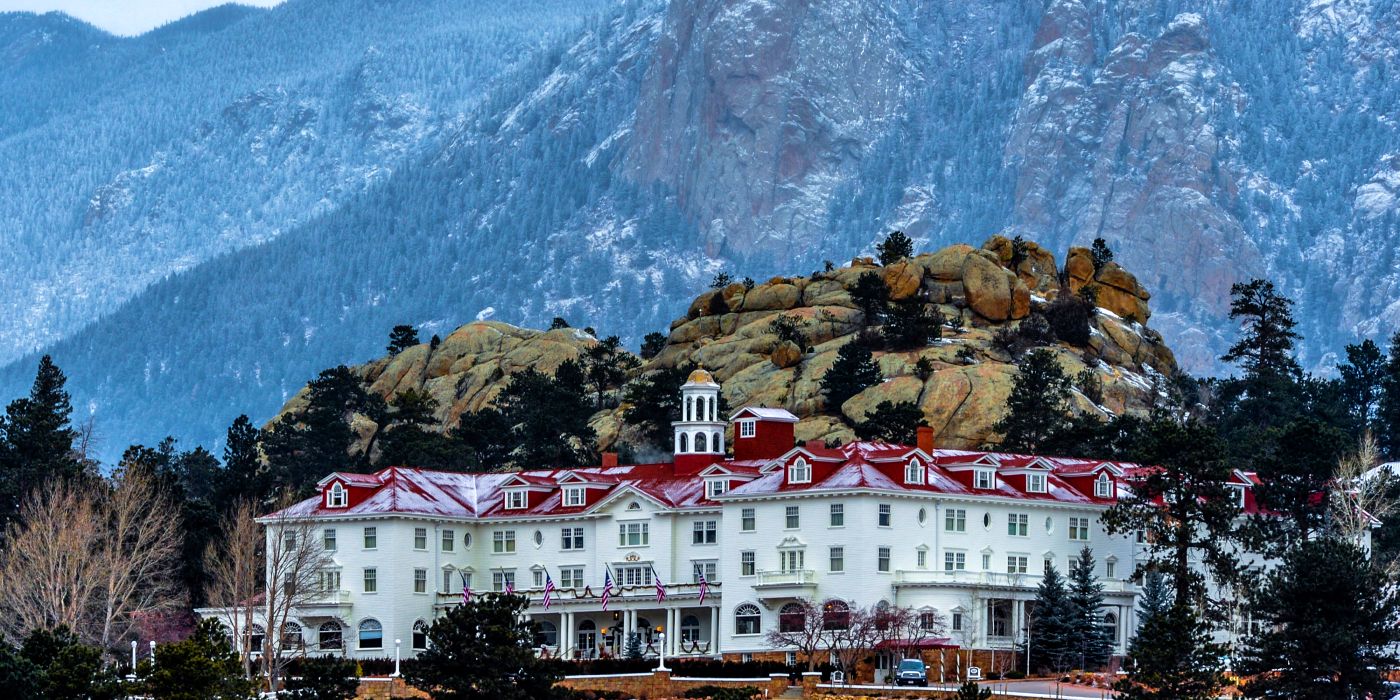
The Stanley Hotel, located in the picturesque town of Estes Park, Colorado, is widely considered the primary muse for Stephen King’s novel and subsequently Kubrick’s film. King, while staying at the Stanley Hotel in 1974 with his wife Tabitha, experienced a night of unsettling dreams and growing unease that would later form the basis of The Shining. The hotel’s reputation for being haunted, with numerous reported supernatural encounters by staff and guests, undoubtedly played a significant role in King’s creative process.
The Stanley Hotel itself is a magnificent example of early 20th-century grand hotel architecture. Opened in 1909 by Freelan Oscar Stanley, the inventor of the Stanley steam car, the hotel was designed to be a luxurious mountain retreat. Its stunning location, nestled against the backdrop of Rocky Mountain National Park, offers breathtaking views and a sense of serene isolation that perfectly mirrors the setting of the film.
During the filming of the movie, Kubrick did visit the Stanley Hotel to scout locations. However, he ultimately chose to film the interior scenes on sound stages in England to have complete control over the environment. Despite this, the Stanley Hotel‘s cavernous halls, sweeping staircases, and grand ballroom provided the blueprint for the interior design of the Overlook Hotel. Many of the iconic scenes, such as Jack Torrance’s descent into madness in the labyrinthine corridors and his chilling interactions with the hotel’s spectral residents, were envisioned within the atmospheric confines of the Stanley Hotel.
Today, the Stanley Hotel embraces its connection to The Shining, offering “Ghost Tours” and themed packages for fans of the film. Visitors can explore the hotel’s history, learn about its reported hauntings, and even stay in rooms that are said to be particularly active. While the hotel has a rich history independent of the film, its association with The Shining has undoubtedly cemented its place as a destination for horror enthusiasts and curious travelers alike. It’s a place where the line between reality and fiction blurs, offering an experience that is both historically rich and thrillingly spooky.
Timberline Lodge: The Iconic Exterior
While the Stanley Hotel provided the foundational atmosphere and narrative inspiration, it was the Timberline Lodge on Mount Hood in Oregon that lent its imposing facade to the Overlook Hotel in Kubrick’s film. The Timberline Lodge, a National Historic Landmark, was constructed between 1936 and 1938 as part of President Franklin D. Roosevelt‘s Works Progress Administration (WPA) initiative. It was designed to be a winter resort and a testament to the craftsmanship and resilience of American workers during the Great Depression.
The Timberline Lodge is a masterpiece of WPA architecture, characterized by its rustic yet elegant design, utilizing local materials such as stone and timber. Its grand entrance, expansive windows offering panoramic views of the surrounding Cascades, and its sturdy, snow-laden silhouette immediately evoke the isolated grandeur of the Overlook Hotel.
Kubrick utilized the Timberline Lodge as the primary exterior shot for the Overlook Hotel. Drone shots and exterior sequences prominently feature the lodge, establishing the film’s remote and imposing setting. The iconic image of the Overlook Hotel perched atop a snowy mountain, seemingly cut off from the rest of the world, is indelibly linked to the visual of the Timberline Lodge.
It is important to note that while the Timberline Lodge served as the visual stand-in, the interior scenes of the Overlook Hotel were not filmed there. The specific layout and iconic rooms, such as the Gold Room and Room 237, were recreated on a soundstage in England. However, the Timberline Lodge‘s contribution to the film’s visual identity is undeniable. Its majestic presence on Mount Hood helped create the sense of scale and isolation that is crucial to the film’s terrifying ambiance.
The Timberline Lodge itself is a destination that offers much more than just its cinematic fame. It is a fully operational ski resort and lodge, attracting visitors for skiing, snowboarding, hiking, and simply to experience its remarkable architecture and the stunning natural beauty of Mount Hood. Like the Stanley Hotel, it embraces its connection to The Shining, and visitors can often find subtle nods to the film throughout the lodge. Standing on its grounds, one can easily imagine the snowplows battling the blizzard and the eerie quiet that precedes Jack Torrance’s infamous line, “Here’s Johnny!”
Visiting the Real-Life “Overlook” Hotels: Travel and Accommodation
For fans of The Shining and those seeking a unique travel experience, visiting the real-life inspirations for the Overlook Hotel offers a compelling journey into the heart of cinematic horror. Both the Stanley Hotel and the Timberline Lodge provide distinct yet equally evocative experiences, catering to different preferences in travel and accommodation.
Staying at the Stanley Hotel: A Hauntingly Good Time
The Stanley Hotel in Estes Park, Colorado, is arguably the more direct and immersive experience for those wanting to “sleep where the terror began.” The hotel actively promotes its connection to Stephen King and the paranormal, making it a prime destination for ghost hunters and horror aficionados.
Accommodation Options: The Stanley Hotel offers a range of rooms, from standard accommodations to themed suites. For those seeking the most authentic Shining experience, booking a room on the fourth floor, which is rumored to be particularly haunted, is highly recommended. Many guests report strange occurrences, from unexplained noises and apparitions to the feeling of being watched. The hotel also offers guided “Ghost Tours” that delve into the history of its alleged paranormal activity, providing chilling anecdotes and historical context.
Things to Do: Beyond the ghost tours, Estes Park itself is a charming mountain town offering a variety of activities. Visitors can explore Rocky Mountain National Park, indulge in local dining, or simply soak in the stunning mountain scenery. The Stanley Hotel also hosts events, including film screenings and literary festivals, further enriching the visitor experience.
Travel Tips: It’s advisable to book accommodations well in advance, especially if you wish to stay in a specific room or during peak seasons. Be prepared for the possibility of encountering unexplained phenomena; a sense of humor and an open mind can enhance the experience. The weather in Estes Park can be unpredictable, so pack accordingly.

Experiencing Timberline Lodge: Grandeur and Natural Beauty
The Timberline Lodge on Mount Hood, Oregon, offers a different, yet equally captivating, connection to The Shining. While not the primary source of the film’s narrative, its iconic exterior is forever etched in the minds of film viewers. This destination appeals to those who appreciate grand architecture, outdoor activities, and the stunning natural beauty of the Pacific Northwest.
Accommodation Options: The Timberline Lodge is a historic hotel that provides a luxurious and comfortable stay. Rooms are designed with rustic elegance, reflecting the lodge’s WPA heritage. While the lodge does not actively market itself as a “haunted” hotel in the same way as the Stanley Hotel, its imposing presence and the dramatic mountain setting can evoke a sense of awe and introspection, reminiscent of the film’s atmosphere.
Things to Do: Mount Hood is a year-round destination. In winter, the Timberline Lodge serves as a premier ski resort, offering access to extensive slopes and terrain parks. During the warmer months, hiking and mountaineering become popular activities, with numerous trails winding through the surrounding forests and alpine meadows. The lodge itself is a destination for its architecture, with guided tours available to learn about its history and construction.
Travel Tips: Due to its popularity as a ski resort, booking accommodations during the winter months is essential. Even outside of ski season, the lodge attracts visitors for its scenic beauty and recreational opportunities. Consider visiting during the shoulder seasons for potentially fewer crowds and a more tranquil experience. The journey to Mount Hood itself is a scenic drive, offering breathtaking vistas along the way.
Both the Stanley Hotel and the Timberline Lodge offer unique opportunities for travelers to connect with the legacy of The Shining. Whether seeking a directly spooky experience or appreciating the grand architecture and natural beauty that inspired the film, these locations provide an unforgettable travel adventure. They stand as testaments to the power of setting in storytelling and the enduring appeal of a truly iconic cinematic landscape.
LifeOutOfTheBox is a participant in the Amazon Services LLC Associates Program, an affiliate advertising program designed to provide a means for sites to earn advertising fees by advertising and linking to Amazon.com. Amazon, the Amazon logo, AmazonSupply, and the AmazonSupply logo are trademarks of Amazon.com, Inc. or its affiliates. As an Amazon Associate we earn affiliate commissions from qualifying purchases.