
Florida, often lauded as the “Sunshine State,” is a premier travel destination, attracting millions of visitors annually to its pristine beaches, vibrant theme parks, and diverse natural landscapes. However, its idyllic reputation is tempered by the annual reality of hurricane season. Understanding the timing and implications of this meteorological phenomenon is crucial for any traveler planning a visit to the state, ensuring a safe and enjoyable experience. This guide delves into the specifics of Florida’s hurricane season, offering insights and tips for prospective tourists and seasoned adventurers alike.
Understanding Florida’s Hurricane Season
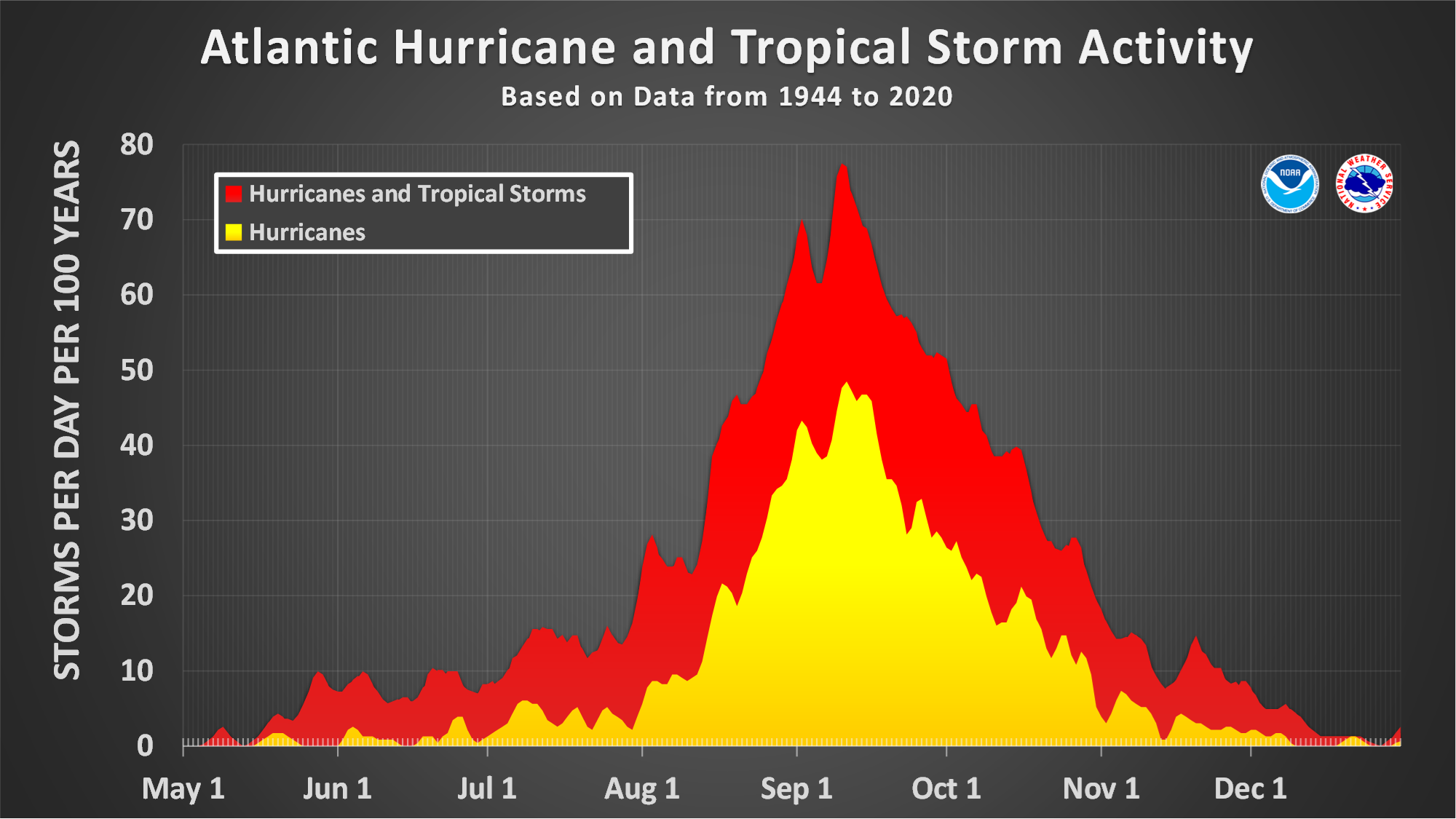
The Atlantic hurricane season officially runs from June 1 to November 30 each year. Within this broad timeframe, certain periods are statistically more active, and understanding these nuances can significantly inform travel planning. While hurricanes can and sometimes do form outside these dates, the concentrated period of risk demands careful consideration.
The Official Timeline
The National Hurricane Center (NHC) designates June 1st as the start and November 30th as the end of the Atlantic hurricane season. This six-month window encompasses the vast majority of tropical cyclone activity in the Atlantic basin, including the waters off the coast of Florida.
Peak Activity Periods
While the entire season warrants attention, several months stand out for their heightened activity:
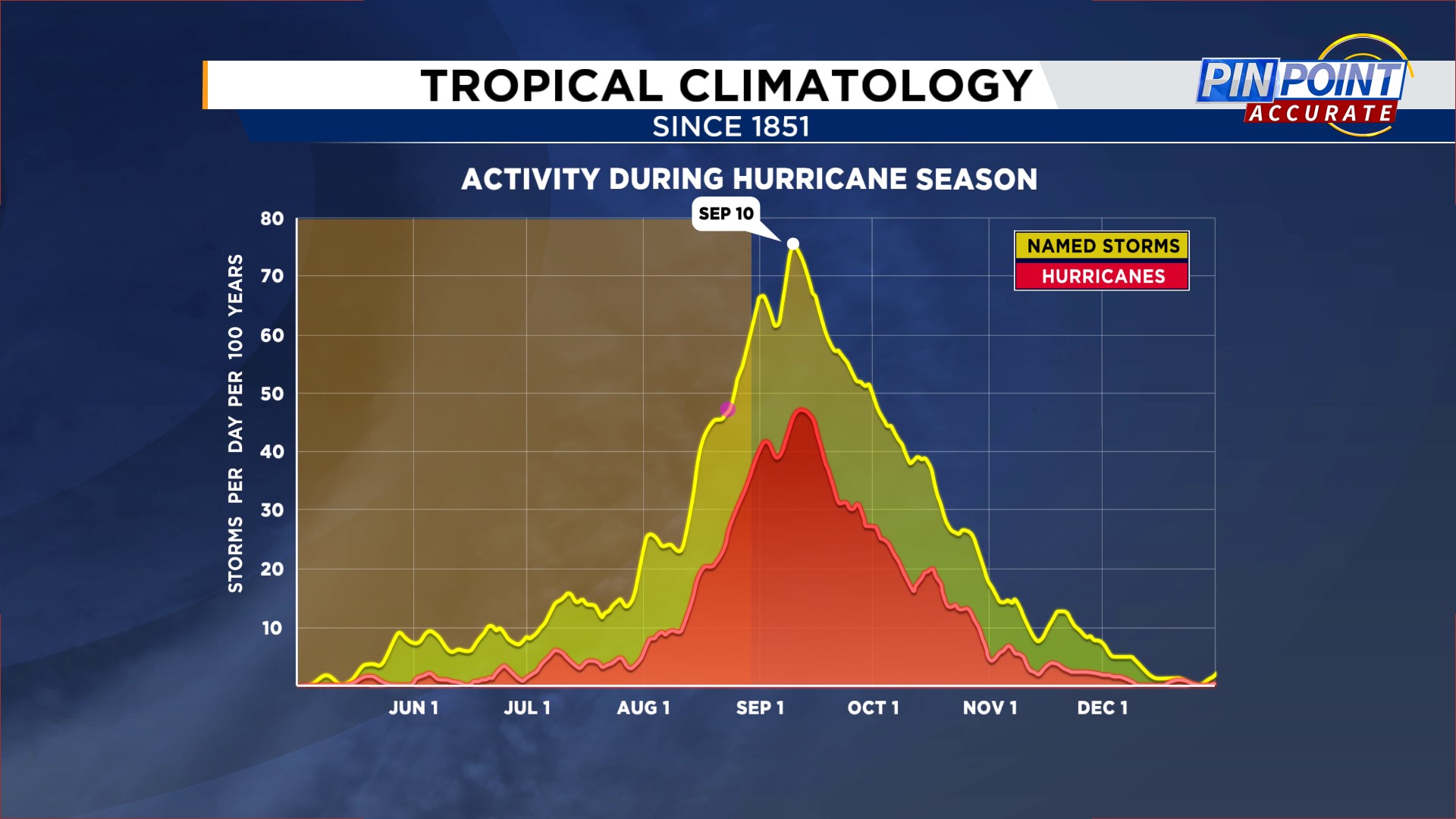
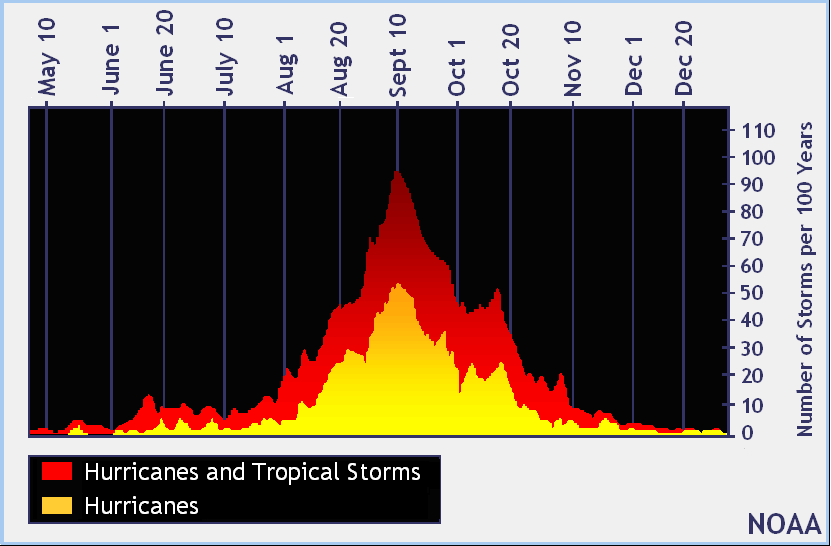
- August, September, and October are historically the most active months. September, in particular, often sees the highest frequency and intensity of storms. During this peak, the warmer ocean temperatures provide ample fuel for developing tropical systems, and atmospheric conditions are often more conducive to storm formation and strengthening.
- The early part of the season (June and July) typically sees fewer storms, though these can still occur and pose a threat. Storms forming early in the season may be less intense, but this is not a guarantee.
- As the season winds down in late October and November, activity generally diminishes, though late-season storms can still be powerful and impact the state.
Factors Influencing Storm Activity
The intensity and frequency of hurricanes in any given year can vary. Several factors influence this variability:
- Sea Surface Temperatures: Warmer ocean waters provide more energy for hurricanes to form and intensify. El Niño and La Niña patterns in the Pacific Ocean can also influence Atlantic hurricane activity. La Niña years are often associated with more active hurricane seasons in the Atlantic.
- Atmospheric Conditions: Wind shear (changes in wind speed and direction with height) can disrupt developing storms. Lower wind shear generally favors storm development.
- African Dust Plumes: Large plumes of Saharan dust can suppress hurricane formation by increasing wind shear and drying out the atmosphere.
Planning Your Florida Trip Amidst Hurricane Season
Navigating travel plans during hurricane season requires a proactive approach. While the risk is present, millions of tourists still enjoy Florida’s attractions with proper preparation. The key is informed decision-making and flexibility.
Choosing the Right Travel Dates
For travelers prioritizing lower risk, consider visiting Florida outside the peak months of August, September, and October.
- Early June: The season is just beginning, and activity is typically lower. The weather is generally warm and sunny, perfect for beach activities.
- Late November: The season is nearing its end, and the likelihood of significant storm activity decreases. This can be a pleasant time to visit, with cooler temperatures and fewer crowds.
- Spring (March-May): While technically outside the hurricane season, this period offers consistently excellent weather and is ideal for exploring attractions like Walt Disney World or the beaches of Clearwater Beach.
Travel Insurance and Flexible Bookings
Investing in comprehensive travel insurance is highly recommended for any trip planned during hurricane season.
- Cancellation and Interruption Coverage: Ensure your policy covers trip cancellations or interruptions due to hurricanes or severe weather events. This can reimburse non-refundable expenses like flights and accommodation.
- Understanding Policy Details: Carefully read the terms and conditions of your travel insurance to understand what specific events and circumstances are covered.
- Flexible Accommodation and Flights: When booking flights and hotels, look for options that offer flexibility in terms of rescheduling or cancellation without significant penalties. Many airlines and hotel chains have hurricane policies in place to assist travelers during severe weather events. Consider resorts that offer strong hurricane guarantees.
Staying Informed and Monitoring Weather
Proactive monitoring of weather forecasts is essential when traveling to Florida during hurricane season.
- National Hurricane Center (NHC): The NHC is the primary source for official hurricane advisories, warnings, and forecasts. Regularly check their website for the latest updates.
- Local News and Emergency Management: Familiarize yourself with local news outlets and the emergency management agencies for the specific region you are visiting. They provide localized information and evacuation orders.
- Weather Apps: Utilize reputable weather apps that provide real-time updates and alerts for tropical activity.
Preparing for the Unexpected: Safety and Preparedness
While every traveler hopes for clear skies, it’s prudent to be prepared for the possibility of a hurricane impacting your travel plans.
Understanding Evacuation Orders
If a hurricane threatens the area where you are staying, evacuation orders will be issued by local authorities.
- Heed Official Instructions: It is crucial to take evacuation orders seriously. These orders are issued for your safety and are based on comprehensive risk assessments.
- Know Your Evacuation Zone: If you are staying in a coastal area or a mobile home, familiarize yourself with designated evacuation zones.
- Pre-Planned Routes: Have a pre-determined evacuation route and destination in mind before your trip.
Hurricane Preparedness Kit
Even if you are not evacuating, having a basic preparedness kit can be beneficial in the event of power outages or disruptions to essential services.
- Water and Non-Perishable Food: Stock up on bottled water and non-perishable food items to last for several days.
- First-Aid Supplies: Include a well-stocked first-aid kit.
- Flashlights and Batteries: Essential for navigating during power outages.
- Medications: Ensure you have an adequate supply of any prescription medications.
- Important Documents: Keep copies of identification, insurance policies, and travel documents in a waterproof bag.
Communication Plan
Establish a communication plan with your travel companions and family members back home.
- Emergency Contact Information: Ensure everyone has access to essential contact information.
- Check-in Schedule: Agree on a schedule for checking in to let loved ones know you are safe.
- Alternative Communication Methods: Have a plan for communication if cellular service is disrupted, such as using text messages or social media when possible.
Exploring Florida’s Attractions Safely
Florida offers an abundance of attractions, from the magical kingdom of Walt Disney World in Orlando to the historic charm of St. Augustine and the stunning natural beauty of the Everglades National Park. Understanding hurricane season allows for better planning to enjoy these experiences without undue risk.
Theme Parks and Entertainment Districts
Major theme park destinations like Orlando and the Tampa Bay area are accustomed to hurricane season and have robust contingency plans.
- Park Closures: Parks may close temporarily if a hurricane is projected to make landfall. Announcements are usually made well in advance.
- Resort Accommodations: On-site resorts often provide safe shelter and amenities for guests during weather events. Many offer hurricane guarantees or flexible rebooking options.
- Indoor Attractions: If you’re visiting during a period of potential inclement weather, consider prioritizing indoor attractions like museums, aquariums, or indoor entertainment venues.
Coastal Destinations and Beaches
Florida’s extensive coastline, including popular spots like Miami Beach and the Florida Keys, is particularly vulnerable to tropical cyclones.
- Beach Advisories: During periods of tropical activity, beaches may be closed due to dangerous surf conditions, rip currents, and high winds. Always adhere to posted advisories.
- Water Sports: Activities like boating, swimming, and fishing should be postponed or canceled during storm threats.
- Coastal Evacuations: Coastal communities are often the first to receive evacuation orders. Ensure you understand the local evacuation procedures for areas like the Florida Keys.
Natural Wonders and National Parks
Florida’s natural beauty, from the unique ecosystems of the Everglades to the springs of Central Florida, can also be affected by hurricanes.
- Park Status Updates: National and state parks issue advisories and may close roads or facilities due to storm threats or post-storm damage. Check the official park websites for the most current information.
- Wildlife and Ecosystem Impacts: Hurricanes can have significant impacts on Florida’s delicate ecosystems and wildlife. Respect any restrictions put in place to protect these areas.
Making the Most of Your Florida Vacation
By understanding Florida’s hurricane season, travelers can make informed decisions to ensure a safe and memorable vacation. While the period from June 1st to November 30th requires heightened awareness, especially during the peak months of August, September, and October, it does not mean that a trip to the Sunshine State is impossible or inadvisable. With diligent planning, flexible booking strategies, a commitment to staying informed, and a readiness to adapt to changing conditions, visitors can confidently explore all that Florida has to offer, from the theme parks of Orlando to the historic streets of St. Augustine and the sun-drenched beaches of the Gulf Coast. Embracing preparedness allows for a more relaxed and enjoyable experience, ensuring that the focus remains on the extraordinary adventures awaiting in Florida.
LifeOutOfTheBox is a participant in the Amazon Services LLC Associates Program, an affiliate advertising program designed to provide a means for sites to earn advertising fees by advertising and linking to Amazon.com. Amazon, the Amazon logo, AmazonSupply, and the AmazonSupply logo are trademarks of Amazon.com, Inc. or its affiliates. As an Amazon Associate we earn affiliate commissions from qualifying purchases.