
Unveiling the Inland Empire: California’s Dynamic Heartland
When discussions turn to the Golden State, familiar names like Los Angeles, San Francisco, and San Diego often dominate the conversation. Yet, nestled just east of the bustling coastal metropolises lies a vast, vibrant, and increasingly significant region known simply as the I.E. – short for the Inland Empire. Far from merely a commuter bedroom community, the Inland Empire represents a diverse economic powerhouse, a cultural melting pot, and a burgeoning destination offering a unique blend of natural beauty, historical depth, and modern amenities that cater to a wide array of travelers and residents.

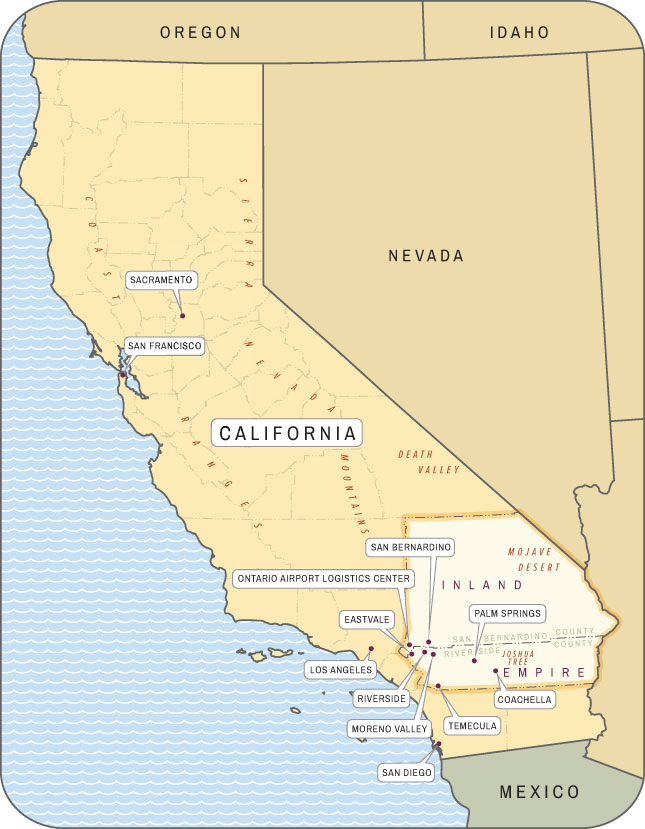
For those planning a Southern California adventure, understanding the I.E. is crucial for discovering a broader range of destinations and experiences. This expansive region spans across Riverside County and San Bernardino County, making it one of the largest metropolitan areas in the United States by land area. Its character is defined by a captivating interplay of arid desert landscapes, majestic mountain ranges, fertile valleys, and rapidly growing urban centers. From serene natural retreats perfect for outdoor enthusiasts to bustling cities offering contemporary lifestyle amenities, the Inland Empire offers a compelling narrative of growth, resilience, and untapped potential. Whether you’re seeking a tranquil escape, an adventurous expedition, or a glimpse into California’s evolving economic landscape, the I.E. invites exploration and promises discoveries beyond the typical tourist trails.
A Vast and Varied Landscape: Geography and Key Cities
The geographical scope of the Inland Empire is nothing short of spectacular, encompassing an impressive array of environments that contribute to its distinctive allure. To the north, the towering peaks of the San Bernardino Mountains and the San Jacinto Mountains provide a dramatic backdrop, offering opportunities for alpine adventures, from winter sports like skiing and snowboarding to summer hiking and camping. Beyond these ranges lies the expansive and awe-inspiring Mojave Desert, a landscape of stark beauty and unique ecosystems. To the west, the region transitions into rolling hills and verdant plains, including the picturesque Chino Hills, while the south is home to the scenic Temecula Valley, renowned for its burgeoning wine industry. The lifeblood of the region, the Santa Ana River, weaves its way through several communities, shaping the local topography and supporting diverse flora and fauna.
This sprawling region is anchored by two principal cities: Riverside and San Bernardino. Riverside, the county seat of Riverside County, boasts a rich history evident in its stunning architecture, including the iconic Mission Inn Hotel & Spa, a National Historic Landmark and a testament to the region’s early development. San Bernardino, the heart of San Bernardino County, serves as a crucial transportation hub with a vibrant history tied to the railroad. Beyond these two giants, numerous other cities contribute to the I.E.’s diverse tapestry. Ontario is home to a major international airport, making it a key gateway for both business and leisure travelers. Rancho Cucamonga offers a blend of suburban charm and commercial vitality. Corona is known for its strong community and growing industries. Further south, Murrieta and Temecula captivate visitors with their idyllic settings, access to vineyards, and resort-style amenities, making them popular choices for weekend getaways and family trips. This geographic diversity, combined with a rapidly expanding and multicultural population, creates an intriguing backdrop for both residents and visitors exploring California’s often-overlooked interior.
A Journey Through Time and Economy
The Inland Empire’s identity is deeply rooted in its past, a story of successive waves of inhabitants and economic shifts that have shaped its present landscape. From the ancient traditions of indigenous peoples to the modern innovations of the 21st century, the region offers a fascinating glimpse into California’s enduring spirit.
Echoes of the Past: Historical Roots and Development
Before European settlement, the lands of the Inland Empire were home to several Native American tribes, including the Cahuilla, Serrano, and Luiseño. These indigenous communities thrived for centuries, developing sophisticated cultures and sustainable practices in harmony with the diverse environment. Their legacy is still felt today through place names, cultural traditions, and ongoing efforts to preserve their heritage.
The arrival of Spanish explorers marked a new chapter. In 1774, Juan Bautista de Anza led an expedition through the region, charting a path that would eventually link Mexico with California. The subsequent establishment of the Spanish mission system, though primarily concentrated closer to the coast, influenced the interior through land grants and the introduction of new agricultural practices. Following Mexican independence, large ranchos were established, setting the stage for the region’s agrarian future.
The mid-19th century brought transformative change with the California Gold Rush. While gold was not found in abundance in the I.E. itself, the influx of people created new demands and opportunities. Farmers and ranchers began to capitalize on the fertile land and accessible water sources, most notably leading to the boom of the citrus industry. Vast orange groves became the defining feature of the landscape, and the sweet scent of citrus blossoms filled the air, attracting new settlers and establishing the region’s reputation as a agricultural heartland. The arrival of the transcontinental railroad further solidified the I.E.’s position, facilitating the transport of produce to markets across the nation and creating new towns and communities around rail lines. The 20th century saw continued industrialization, particularly during World War II, with military bases and manufacturing plants contributing to economic diversification and population growth. This rich history, from indigenous roots to agricultural prowess and industrial expansion, forms the bedrock of the modern Inland Empire.
The Economic Engine: Driving Growth in the Golden State
Today, the Inland Empire stands as a pivotal economic force within California and beyond, its economy rapidly evolving from its agricultural past. One of its most defining characteristics is its role as a global logistics and warehousing hub. Its strategic location, at the crossroads of major interstate highways and rail lines, and its proximity to the bustling ports of Los Angeles and Long Beach, make it an ideal distribution center for goods moving across the country and around the world. Massive fulfillment centers and distribution warehouses dot the landscape, employing hundreds of thousands of people and driving significant economic activity. This sector has positioned the I.E. as an indispensable link in global supply chains.
Beyond logistics, the economy is remarkably diverse. Manufacturing, particularly in areas like advanced materials and aerospace components, continues to be a strong presence. The healthcare sector is experiencing robust growth, with new hospitals and medical facilities opening to serve the expanding population. Education also plays a vital role, anchored by prestigious institutions such as UC Riverside and Cal State San Bernardino, which not only provide educational opportunities but also act as significant employers and centers for research and innovation. The I.E. is also seeing an emergence of technology and innovation companies, drawn by a growing talent pool and a more affordable operating environment compared to coastal tech hubs.
A key factor fueling the Inland Empire’s continued growth is its relative affordability. While housing costs in Southern California remain high, the I.E. offers more attainable options, attracting residents and businesses seeking better value without sacrificing access to metropolitan amenities. This affordability, combined with a steady influx of new residents, ensures a vibrant labor market and a continuous demand for goods and services, solidifying the Inland Empire’s position as an economic powerhouse and a significant contributor to the state’s prosperity.
Discovering the Inland Empire Lifestyle and Attractions
The allure of the Inland Empire extends far beyond its economic metrics, offering a rich tapestry of lifestyle experiences and attractions that appeal to a wide range of interests. Whether you’re an adventurer, a connoisseur of culture, a foodie, or simply seeking a relaxing getaway, the I.E. has something unique to offer, making it a compelling travel destination for both short visits and long-term stays.
Embracing the Outdoors: Adventure and Natural Beauty
One of the defining characteristics of the Inland Empire is its unparalleled access to natural wonders and outdoor activities. For those who love the mountains, the San Bernardino Mountains are a year-round playground. In winter, resorts around Big Bear Lake and Lake Arrowhead transform into popular skiing and snowboarding destinations, offering picturesque slopes and charming alpine villages. These lakes also serve as magnets for summer recreation, providing opportunities for boating, fishing, paddleboarding, and scenic lakeside relaxation. Hiking and mountain biking trails crisscross the entire region, ranging from easy strolls through regional parks to challenging climbs offering panoramic views of the valleys below. The diversity of the landscape means you can hike among pine forests in the morning and explore desert flora in the afternoon.
The Temecula Valley in the southern I.E. offers a different kind of natural beauty, with rolling vineyards creating a serene and picturesque setting. Here, visitors can indulge in hot air balloon rides over the vineyards at sunrise, providing an unforgettable perspective of the region’s splendor. Golf enthusiasts will also find numerous world-class courses scattered throughout the Inland Empire, leveraging the varied terrain for challenging and scenic rounds.
Cultural Riches and Culinary Delights
The I.E. is a region rich in cultural diversity, which is beautifully reflected in its arts, entertainment, and culinary scenes. Cities like Riverside boast historic landmarks such as the Mission Inn Hotel & Spa, a stunning example of Spanish Colonial Revival architecture, which also hosts elaborate holiday festivals. Museums and galleries across the region showcase local and international art, history, and science, offering enriching experiences for visitors of all ages. Live music venues, theaters, and performing arts centers provide a steady stream of entertainment, from local productions to touring acts.
For food lovers, the Inland Empire’s diverse population translates into an incredible array of dining options. You can savor authentic Mexican cuisine, explore vibrant Asian eateries, enjoy classic American comfort food, or discover innovative farm-to-table restaurants that highlight local produce. The Temecula Valley Wine Country stands out as a premier destination for wine tourism, with dozens of wineries offering tastings, tours, and picturesque settings for special events. This area has grown to become a formidable competitor to Napa Valley for those seeking high-quality California wines in a more relaxed atmosphere. Additionally, for family trips, major theme parks like Disneyland and Knott’s Berry Farm are often just a short drive away, making the I.E. a convenient base for exploring Southern California’s most famous attractions. Shopping experiences range from expansive outdoor malls to charming downtown boutiques, catering to every taste and budget.
Beyond the Day Trip: Accommodation and Travel Experiences
Given its size and variety, the Inland Empire is much more than a day-trip destination; it encourages deeper exploration and multi-day stays. The region offers a comprehensive range of accommodation options to suit every type of traveler and budget. From luxurious resorts and boutique hotels that promise opulent amenities and unparalleled service, such as those found in Temecula or near the San Bernardino Mountains, to comfortable and affordable suites and extended-stay apartments ideal for business travelers or long-term stays in cities like Ontario and Riverside.
For those seeking a more unique or private experience, charming villas and vacation rentals are available, especially in the wine country or mountain communities, offering a home-away-from-home atmosphere. Many hotels and resorts throughout the I.E. boast excellent amenities such as swimming pools, spas, fitness centers, and on-site dining, ensuring a comfortable and enjoyable stay. Platforms for booking and comparison make it easy to find the perfect lodging, complete with transparent reviews to guide your choice. Whether you’re planning a romantic luxury travel escape to a vineyard estate, an adventurous ski trip with friends, or a relaxing family vacation exploring Southern California’s interior, the Inland Empire provides a diverse array of comfortable and convenient accommodation options, ensuring your journey through this dynamic region is as relaxing as it is enriching.
Navigating Challenges and Embracing the Future
Like any rapidly growing metropolitan area, the Inland Empire faces its share of contemporary challenges, but it is also a region actively planning for a sustainable and prosperous future. Addressing these issues is central to maintaining the quality of lifestyle and ensuring continued growth for its communities.
Addressing Modern Challenges
One of the most persistent challenges in the Inland Empire is traffic congestion. With a large population and significant commuting patterns, particularly for those working in Los Angeles or Orange County, the region’s roadways can become heavily trafficked during peak hours. Related to this is the concern for air quality, which, while having improved over the decades, remains a critical focus due to emissions from vehicles and the extensive logistics industry. Local and regional agencies are continuously working on infrastructure improvements, promoting public transportation, and implementing strict environmental regulations to mitigate these impacts.
Water scarcity is another crucial issue in this semi-arid region of California. As the population grows, so does the demand for water resources. The I.E. relies on a combination of local groundwater, imported water from Northern California and the Colorado River, and increasingly, advanced water conservation and recycling programs. Housing affordability, while better than coastal areas, also remains a concern as demand continues to push prices upward. Local governments are exploring solutions to increase housing supply and promote diverse housing options to accommodate the influx of new residents.

A Vision for Tomorrow: Sustainable Growth and Innovation
Despite these challenges, the outlook for the Inland Empire is overwhelmingly positive, marked by proactive planning and a clear vision for sustainable growth. Significant investments in infrastructure development are underway, including expansions of transportation networks, to improve connectivity and ease congestion. There’s a strong emphasis on green initiatives, from encouraging renewable energy projects to developing more green spaces and parks, enhancing the region’s environmental health and lifestyle amenities.
Economically, the I.E. is committed to continued diversification, fostering growth in high-tech industries, advanced manufacturing, and healthcare, to create a more resilient and knowledge-based economy. The region’s universities are key players in this, driving innovation and providing a skilled workforce. Furthermore, the commitment to enhancing tourism and recreation continues, with ongoing efforts to develop new attractions, preserve natural landmarks, and support local businesses that cater to visitors. The Inland Empire is actively shaping its future to be a region that balances economic prosperity with environmental stewardship and an exceptional quality of life, cementing its status as an integral and dynamic part of Southern California.
LifeOutOfTheBox is a participant in the Amazon Services LLC Associates Program, an affiliate advertising program designed to provide a means for sites to earn advertising fees by advertising and linking to Amazon.com. Amazon, the Amazon logo, AmazonSupply, and the AmazonSupply logo are trademarks of Amazon.com, Inc. or its affiliates. As an Amazon Associate we earn affiliate commissions from qualifying purchases.