
When planning your adventures across the diverse landscapes of Idaho, from the majestic peaks of the Sawtooth Mountains to the vibrant streets of Boise, understanding local taxation is an essential part of a well-rounded travel experience. While the allure of Idaho’s natural beauty, rich history, and burgeoning culinary scene is undeniable, responsible travel also involves grasping the financial aspects, including sales tax. This guide aims to demystify the Idaho sales tax, providing clarity for both temporary visitors and those considering a longer stay in the “Gem State.”
The concept of sales tax can be somewhat nuanced, varying significantly from state to state. For travelers, this means that the cost of goods and services purchased in Idaho might be higher than anticipated if sales tax is not factored into the budget. This tax plays a crucial role in funding public services within the state, contributing to everything from infrastructure development and education to parks and recreational facilities. Therefore, understanding its mechanics is not just about saving a few dollars; it’s about appreciating how your spending contributes to the places you visit.
Understanding Idaho’s Sales Tax Structure
At its core, Idaho’s sales tax is a consumption tax levied on the sale of tangible personal property and certain services within the state. It’s a crucial revenue stream for the state government, supporting a wide array of public programs and services that enhance the quality of life for its residents and visitors alike. For tourists, this means that when you book a stay at a charming lodge in Sun Valley, enjoy a meal at a renowned restaurant in Coeur d’Alene, or purchase souvenirs from a local artisan in Twin Falls, a portion of your expenditure will go towards Idaho’s public purse.
The Standard Tax Rate
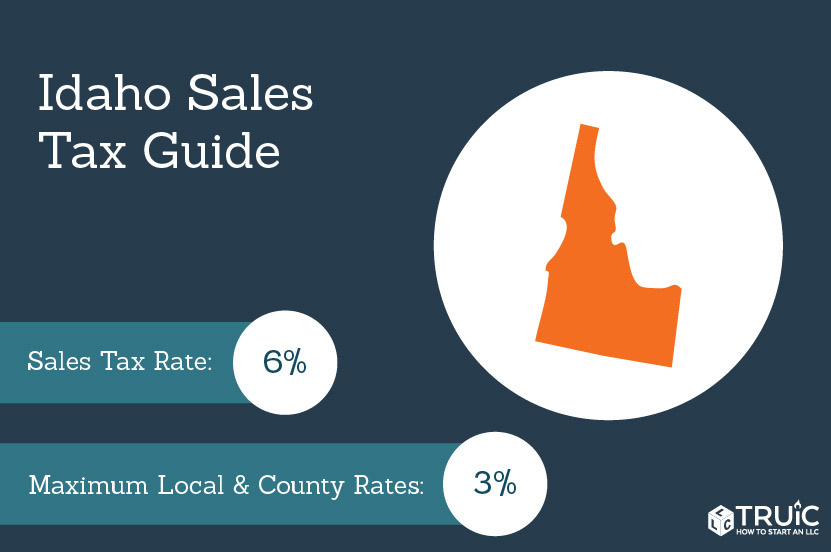
The standard state sales tax rate in Idaho is 6%. This rate applies to a broad spectrum of goods and services. When you purchase items like clothing, electronics, sporting goods, or even fuel for your journey through Idaho’s scenic byways, this 6% will be added to the base price. Similarly, many services are also subject to this tax. For example, if you opt for a guided tour of the Craters of the Moon National Monument, the fee for that service will likely include the state sales tax.
It’s important to note that while 6% is the standard rate, there are specific exceptions and inclusions that can affect the final price you pay. The Idaho State Tax Commission is the governing body responsible for administering and enforcing these tax laws. Understanding the nuances of what is taxed and what is exempt can help you make informed purchasing decisions, whether you’re looking for luxury accommodations or budget-friendly dining options.
What is Taxed and What is Exempt?
The scope of what constitutes a taxable transaction in Idaho is generally broad, encompassing most tangible goods. This includes everything from groceries (though some essential food items might be exempt, which is a detail worth verifying for longer stays) to furniture, vehicles, and recreational equipment. When you’re exploring the outdoor opportunities that Idaho offers, from hiking in the Frank Church River of No Return Wilderness to skiing at Brundage Mountain Resort, the gear you purchase will be subject to sales tax.
When it comes to services, the landscape can be a little more complex. Many services are taxable, including:
- Accommodations: Hotel stays, resort fees, and short-term rentals typically fall under taxable services. If you’re staying at a well-appointed hotel like the Riverside Hotel in Boise or a secluded cabin near Pocatello, expect to see sales tax added to your bill. This also extends to apartment rentals for longer durations, contributing to the state’s revenue from tourism and resident stays.
- Repair and Maintenance Services: Services performed on tangible personal property are generally taxable.
- Certain Professional Services: While not as comprehensive as the taxation of goods, some professional services can also be subject to sales tax.
- Admissions and Entertainment: Tickets to events, movie theaters, and amusement parks are usually taxed. If you’re catching a show at the Morrison Center or visiting an attraction in Boise, factor in the sales tax.
However, Idaho also provides exemptions for certain goods and services to support specific sectors or provide relief to consumers. For instance:
- Prescription Drugs: These are typically exempt from sales tax.
- Some Food Items: As mentioned earlier, while many groceries are taxed, certain essential food items may be exempt. This is a detail that often impacts long-term residents more than short-term tourists, but it’s good to be aware of.
- Services for Agriculture: Certain services directly related to agricultural production are often exempt.
- Resale Items: Goods purchased for the purpose of resale are generally exempt from sales tax at the point of purchase by the reseller.
For travelers, the most significant taxable services are usually accommodations, dining out, and retail purchases. When planning your itinerary, whether it’s a romantic getaway to Sun Valley or a family adventure exploring Yellowstone National Park‘s Idaho entrance, understanding these general rules will help you estimate your expenses accurately.
Local Taxes: An Added Layer
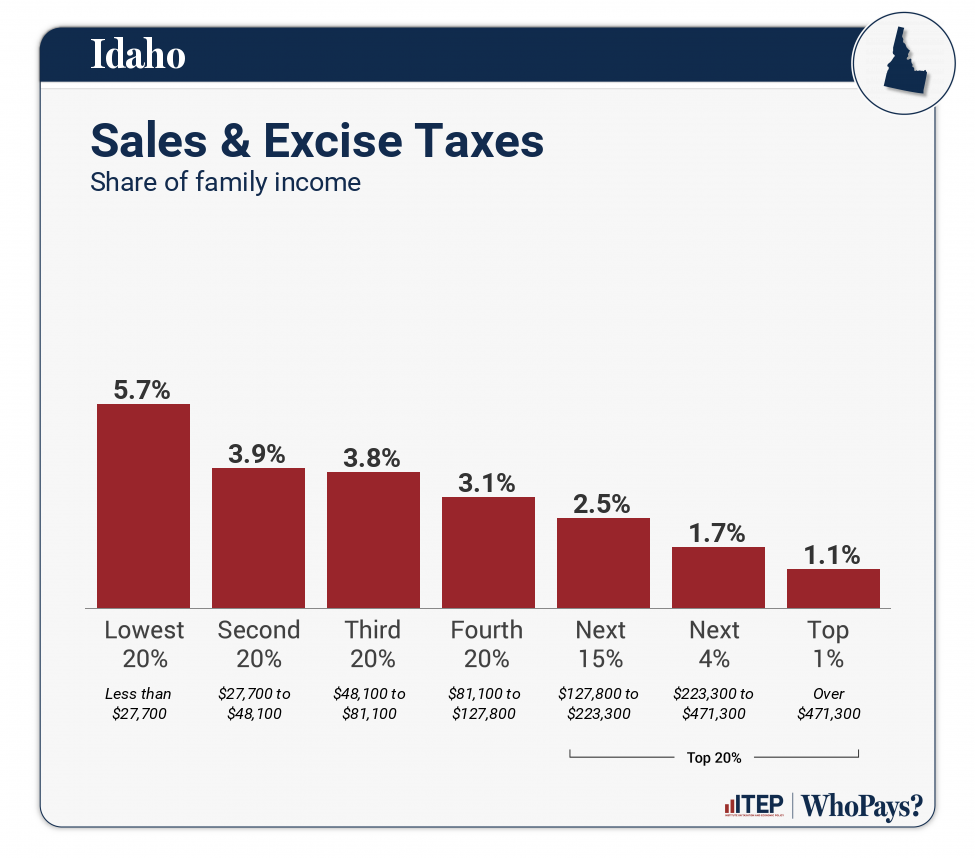
Beyond the statewide sales tax, some localities in Idaho may impose additional taxes, most commonly in the form of lodging taxes or resort taxes. These local taxes are designed to fund local services, tourism promotion, and infrastructure improvements within specific cities or counties. This means that the total tax you pay on a hotel room or other services can vary depending on where you are in Idaho.
Lodging Taxes
Cities and counties in Idaho have the authority to levy lodging taxes, which are specifically applied to the rental of transient accommodations, such as hotel rooms, motels, and vacation rentals. These taxes are typically a percentage of the room rate and can range from a fraction of a percent to several percent, depending on the specific jurisdiction. For instance, a stay in a popular tourist destination like Sun Valley or Coeur d’Alene might incur a higher lodging tax than a less-trafficked area.
These local lodging taxes are crucial for many Idaho communities. They often provide essential funding for local tourism bureaus, which in turn promote the attractions, landmarks, and experiences that draw visitors to the state. They can also contribute to the maintenance and improvement of local parks, event venues, and other amenities that enhance the visitor experience. When booking accommodation, it’s always advisable to check the breakdown of charges to understand the total tax burden.
Resort Taxes
In certain designated resort areas within Idaho, a resort tax may be applicable. These taxes are often broader than lodging taxes and can apply to a wider range of goods and services sold within the resort district, including restaurant meals, retail purchases, and recreational activities. The purpose of a resort tax is similar to that of a lodging tax: to generate revenue that can be used to support and enhance the resort community, often by funding infrastructure, public services, and tourism-related projects that benefit both residents and visitors.
The imposition of resort taxes is usually subject to voter approval and is specific to the designated resort areas. This means that if your travel plans take you to a town like Ketchum or a specific resort area, you might encounter a resort tax in addition to the state sales tax. Again, being aware of these potential local taxes allows for more accurate budgeting for your trip, whether you are planning a luxury ski vacation or exploring Idaho’s natural wonders.
Tips for Travelers Regarding Idaho Sales Tax
Navigating sales tax in any new destination can sometimes feel like a puzzle. For travelers exploring the diverse offerings of Idaho, from the historic Old Idaho Penitentiary State Historic Site to the natural beauty of Shoshone Falls, a few practical tips can ensure a smoother and more budget-conscious experience. Understanding how taxes apply to your purchases and stays can prevent unexpected costs and allow you to fully immerse yourself in the Idaho lifestyle.
Budgeting for Your Trip
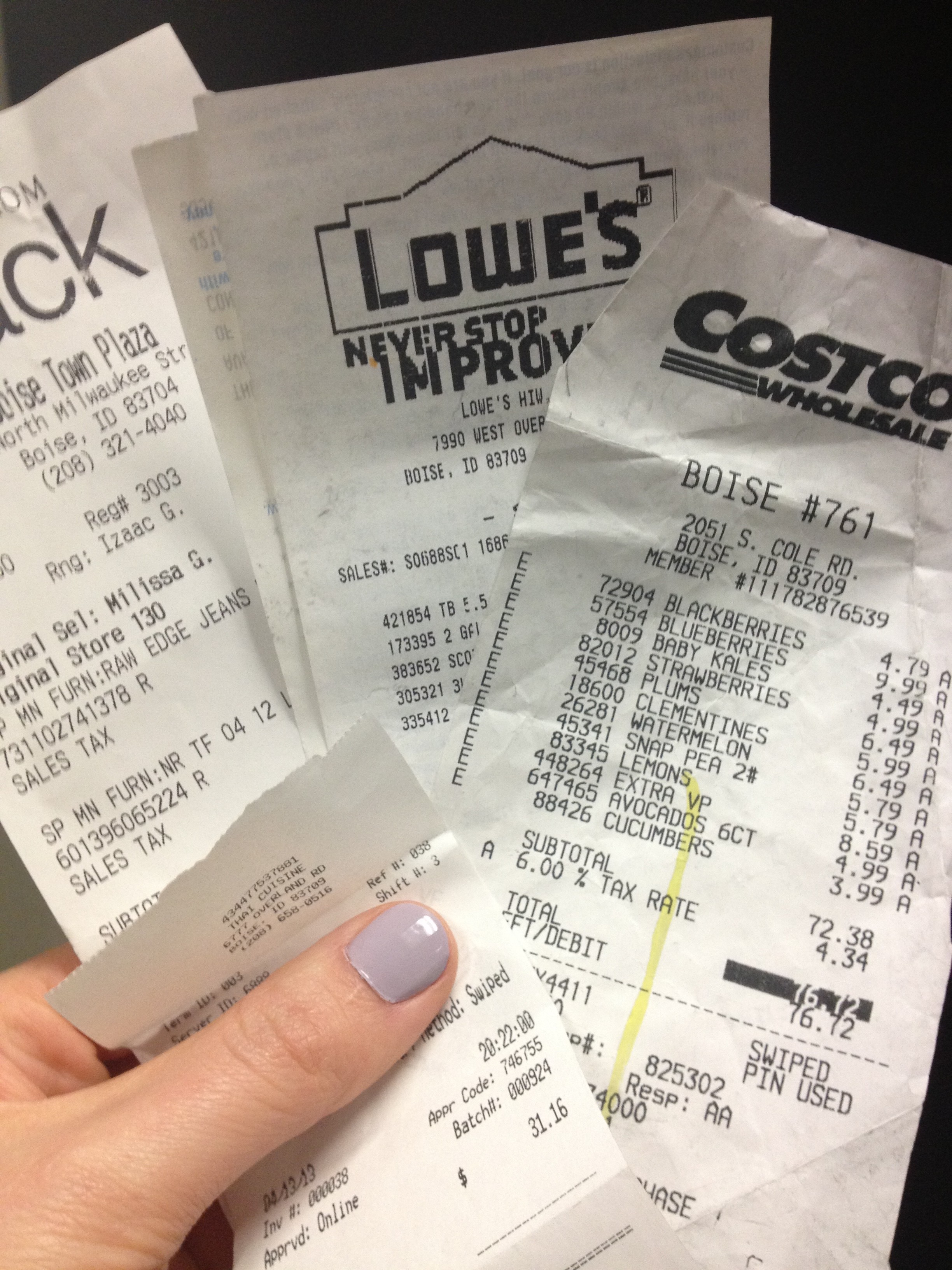
The most effective way to manage sales tax is to incorporate it into your overall travel budget from the outset. Since the standard state sales tax is 6%, it’s wise to mentally add this percentage to the sticker price of goods and services. For example, if you find a beautiful piece of local art in a gallery in Boise for $100, anticipate paying approximately $106. When booking accommodations, factor in the state sales tax and any potential local lodging or resort taxes. Many online booking platforms and hotel websites will provide a breakdown of estimated taxes and fees, which can be incredibly helpful.
Staying Informed About Exemptions and Special Rates
While the general rules are straightforward, it’s always beneficial to be aware of specific exemptions or special rates that might apply. For instance, if you plan on purchasing a significant amount of groceries for a longer stay, understanding which food items are exempt can lead to savings. Similarly, if you’re visiting a community that imposes a resort tax, familiarizing yourself with which goods and services are subject to this additional tax can help you make informed choices. The Idaho State Tax Commission website is a valuable resource for the most up-to-date and detailed information regarding tax laws and exemptions.
Business Stays and Long-Term Accommodation
For those considering extended stays in Idaho, whether for business or personal reasons, understanding the tax implications of long-term accommodation is crucial. While short-term hotel stays are generally subject to sales and lodging taxes, the tax treatment of longer-term rentals, such as apartments or extended-stay suites, can sometimes differ. Some states offer exemptions or reduced rates for rentals exceeding a certain duration. It is advisable to clarify this with your accommodation provider or consult the Idaho State Tax Commission for specific guidelines on long-term stays. This could significantly impact the overall cost of your stay, especially if you are considering a more immersive experience in Idaho beyond a typical vacation.
Supporting Local Businesses
Ultimately, the sales tax collected in Idaho goes towards supporting the very communities and attractions that make the state so appealing. From maintaining the pristine trails in the Sawtooth National Recreation Area to funding the cultural events in Boise, your tax contributions play a role in preserving and enhancing the Idaho experience. By understanding the sales tax, you not only budget more effectively but also gain a deeper appreciation for how your spending contributes to the vibrant tapestry of Idaho‘s tourism, lifestyle, and local culture. Whether you’re seeking adventure in the great outdoors, a relaxing resort experience, or a taste of local cuisine, a little knowledge about sales tax can enhance your journey through the “Gem State.”
LifeOutOfTheBox is a participant in the Amazon Services LLC Associates Program, an affiliate advertising program designed to provide a means for sites to earn advertising fees by advertising and linking to Amazon.com. Amazon, the Amazon logo, AmazonSupply, and the AmazonSupply logo are trademarks of Amazon.com, Inc. or its affiliates. As an Amazon Associate we earn affiliate commissions from qualifying purchases.