
Medicaid in Colorado: A Foundation for Lifestyle Stability
Understanding the nuances of healthcare access is a critical component of financial planning and maintaining a stable lifestyle, particularly in a state like Colorado. For many residents, Medicaid serves as an essential safety net, providing comprehensive health coverage that supports well-being and mitigates significant financial burdens from medical expenses. Knowing the income limits for Medicaid in Colorado is not merely a matter of bureaucratic compliance; it is fundamental to managing your household budget, ensuring access to necessary care, and securing a baseline for a healthy and stable life. Without this understanding, individuals and families might miss out on vital support, impacting their overall quality of life and financial resilience. This guide aims to demystify these limits, offering clarity for Colorado residents seeking to understand their eligibility and plan their financial future with confidence.
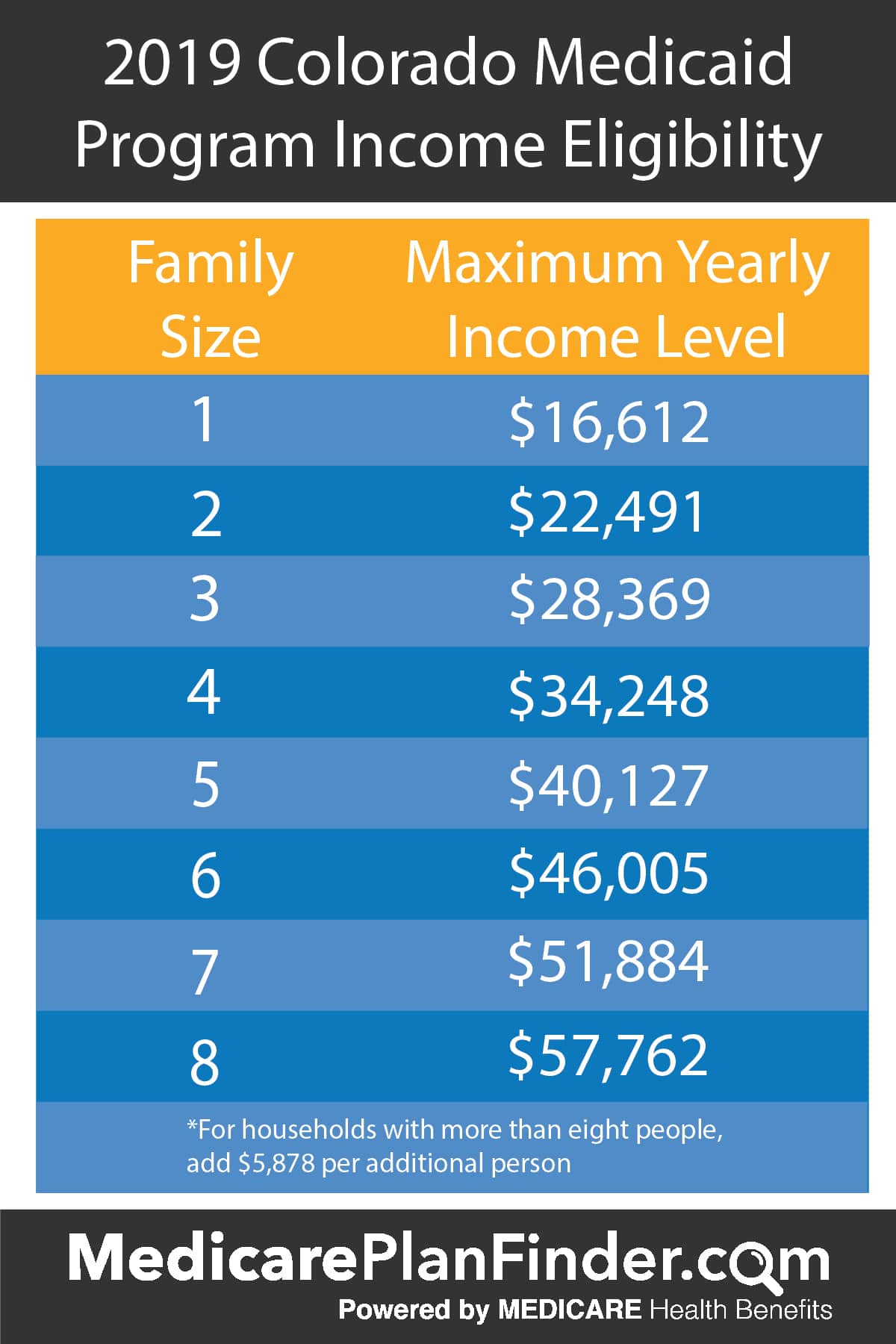
Understanding the Federal Poverty Level and Colorado’s Eligibility Framework
Colorado’s Medicaid eligibility is primarily determined by an individual’s or household’s income relative to the Federal Poverty Level (FPL). The FPL is a set of income thresholds issued annually by the U.S. Department of Health and Human Services that vary by family size. States then use these percentages to establish their own income limits for various health programs. Thanks to the expansion of Medicaid under the Accountable Care Act (ACA), Colorado has broader eligibility criteria, especially for adults, making health coverage accessible to a wider segment of its population.
The Role of Modified Adjusted Gross Income (MAGI)
For most Medicaid eligibility determinations in Colorado, the income considered is the Modified Adjusted Gross Income (MAGI). This method simplifies the calculation by using rules similar to those used for federal income tax returns. MAGI includes most taxable income, such as wages, salaries, self-employment income, and some investment income. Crucially, it generally does not count non-taxable income like veteran’s benefits or workers’ compensation. A key aspect of MAGI calculation for Medicaid is the application of a “5% FPL disregard,” meaning that if your income is slightly above the threshold, you may still qualify because 5% of the FPL is disregarded in the calculation. This streamlined approach helps ensure that eligibility is determined consistently and fairly, offering a clear path for residents to assess their potential for coverage.
Key Income Thresholds for Diverse Colorado Lifestyles
The income limits for Medicaid in Colorado vary significantly based on household composition and specific circumstances. Understanding these different tiers is essential for anyone evaluating their eligibility.
Families, Children, and Pregnant Individuals
Colorado prioritizes coverage for its most vulnerable populations. Pregnant women and children have some of the most generous income limits, reflecting a commitment to early childhood health and maternal well-being.
- Pregnant Women: Typically, pregnant women in Colorado can qualify for Medicaid with incomes up to 195% of the Federal Poverty Level. This higher threshold supports healthy pregnancies and births, which are foundational for family stability and future lifestyle choices.
- Infants (under 1 year): Infants often have similar, if not slightly higher, thresholds, commonly around 195% FPL, ensuring continuous care during a critical developmental period.
- Children (ages 1-18): Children usually qualify with incomes up to 142% of the FPL, providing access to pediatric care, immunizations, and essential health services that are vital for their growth and development.
- Parents and Caretaker Relatives: These individuals, residing with dependent children, generally qualify with incomes up to 60% of the FPL. This support is crucial for families, as the health of the parents directly impacts the stability and well-being of the entire household.
These generous limits for children and pregnant individuals underscore Colorado’s investment in the future, providing a healthier start in life and reducing the financial strain on families.
Adults Without Dependent Children
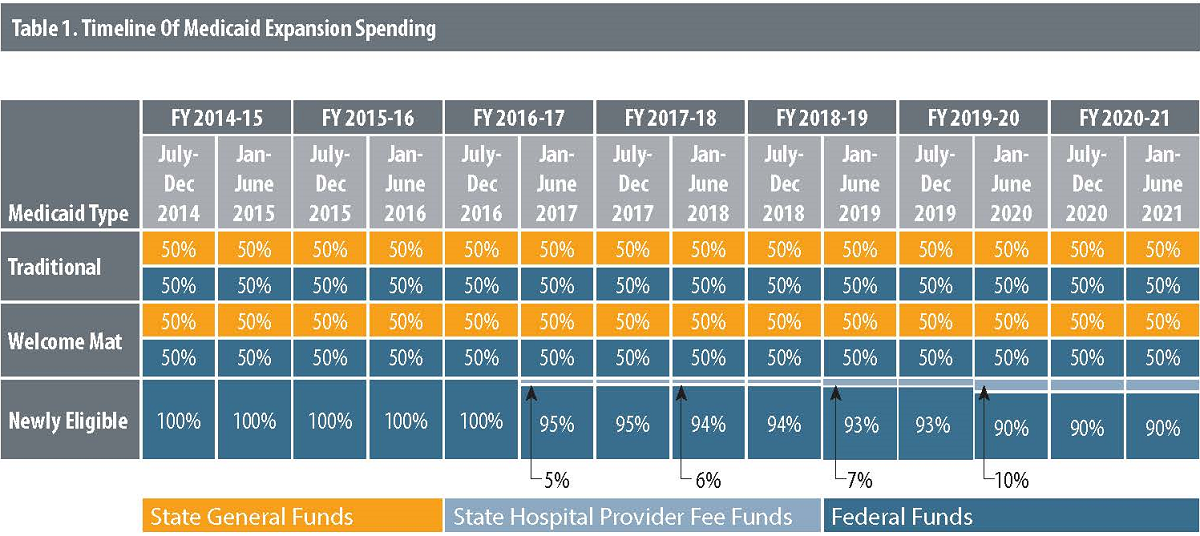
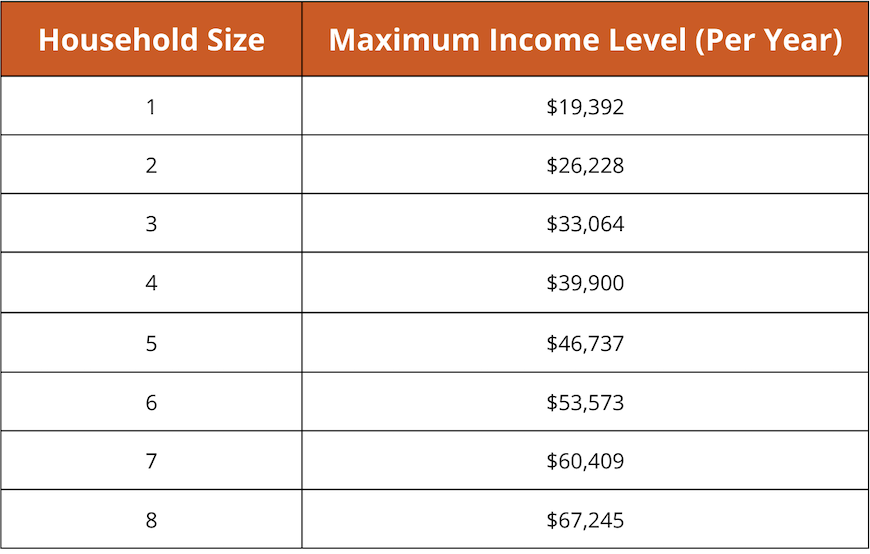
As an ACA expansion state, Colorado offers Medicaid to nearly all non-elderly adults, regardless of parental status, with incomes up to 133% of the Federal Poverty Level. When the 5% FPL income disregard is applied, this effectively means an income limit of 138% FPL. This expansion has dramatically changed the landscape of healthcare access, allowing more single adults and childless couples to receive comprehensive coverage. For individuals managing their own health and financial independence, this eligibility offers significant peace of mind and the ability to maintain a healthy and productive lifestyle without the constant worry of insurmountable medical debt.
Elderly and Individuals with Disabilities
For individuals who are elderly (65 and older), blind, or disabled, the Medicaid eligibility rules can be more complex and are not solely based on MAGI. These individuals may qualify through various pathways, including those tied to Supplemental Security Income (SSI) or specific Medicaid Buy-In programs for workers with disabilities.
- SSI-Related Medicaid: Those who receive Supplemental Security Income (SSI) are automatically eligible for Medicaid in Colorado, as Colorado is an “SSI State.” This provides a crucial link for individuals with severe disabilities and limited income.
- Medicaid for the Aged, Blind, and Disabled (MA-ABD): For those not receiving SSI, eligibility for MA-ABD often involves income limits closer to 80% of the FPL, but importantly, also considers resource limits (assets). This category is crucial for seniors and individuals with long-term disabilities, as it helps cover nursing home care, home health services, and other specialized support vital for their quality of life. The specific thresholds can vary, and it is imperative for individuals in this category to review the most current guidelines from the Colorado Department of Health Care Policy and Financing (HCPF).
These specialized programs ensure that some of Colorado’s most vulnerable citizens have access to the care they need to live with dignity and maintain the best possible lifestyle given their circumstances.
Beyond Income: Resources, Deductions, and Applying for Colorado Medicaid
While income is the primary factor, certain other considerations can influence Medicaid eligibility for some groups. Understanding these aspects is key to a successful application and sustained coverage.
Counting Income and Permissible Deductions
When calculating MAGI, certain deductions are allowed, which can reduce your countable income and potentially bring you below the eligibility threshold. These generally align with federal tax deductions, such as pre-tax contributions to retirement accounts or certain student loan interest. It is crucial to accurately report all income and applicable deductions when applying to ensure a correct determination. For those whose income fluctuates, understanding how annual income is projected is also important. The state generally looks at current monthly income and projects it annually to determine eligibility.
Resource Limits for Certain Programs
For the Medicaid programs based on MAGI (e.g., for pregnant women, children, and most adults), there are no asset or resource limits. This means savings accounts, property (other than your primary residence, which is typically exempt for SSI-related Medicaid), or other possessions generally do not count against your eligibility. However, for the Aged, Blind, and Disabled (MA-ABD) Medicaid pathways, resource limits do apply. These limits are typically set at $2,000 for an individual and $3,000 for a couple (though exceptions apply for certain assets like a primary home or one vehicle). Understanding these distinctions is paramount for seniors and individuals with disabilities managing their assets and planning for long-term care needs.
The Application Process Through Colorado Peak
Applying for Medicaid in Colorado is primarily done online through Colorado Peak (colorado.gov/peak), the state’s online portal for public assistance programs. Applicants can also apply in person at their local county department of human services or by mail. The application process requires detailed information about household income, family size, and other relevant factors. It’s advisable to gather all necessary documentation—pay stubs, tax returns, proof of residency, and identification—before starting the application to streamline the process. A successful application to Colorado Medicaid can unlock access to vital healthcare services, which in turn contributes significantly to an individual’s ability to lead a stable and secure lifestyle.
Maintaining Eligibility: Ensuring Continued Lifestyle Security in Colorado
Once approved for Medicaid, it’s crucial to understand how to maintain eligibility. Life circumstances can change rapidly, and these changes can impact your Medicaid status.
- Reporting Changes: You are generally required to report any changes in your income, household size, or residency to the Colorado Department of Health Care Policy and Financing (HCPF) within a specific timeframe (usually 10-30 days). This includes getting a new job, a change in hours, a raise, marriage, divorce, or a new baby. Failure to report changes could lead to an overpayment of benefits that you might have to repay, or a lapse in coverage.
- Annual Renewals: Medicaid eligibility is redetermined annually. You will receive a renewal notice in the mail or electronically through Colorado Peak before your eligibility period ends. It’s imperative to complete and return this renewal information promptly to avoid any interruption in coverage.
- Understanding Transitions: If your income increases above the Medicaid limits, you won’t be left without options. You may become eligible for subsidies through Connect for Health Colorado, the state’s health insurance marketplace, to help you afford a private health plan. Understanding these transition pathways is critical for maintaining continuous healthcare coverage, which is a cornerstone of responsible financial planning and a resilient lifestyle.
By staying informed and proactive, Colorado residents can confidently navigate the complexities of Medicaid eligibility, ensuring that they and their families have access to the essential healthcare services that support a stable, healthy, and thriving lifestyle.
LifeOutOfTheBox is a participant in the Amazon Services LLC Associates Program, an affiliate advertising program designed to provide a means for sites to earn advertising fees by advertising and linking to Amazon.com. Amazon, the Amazon logo, AmazonSupply, and the AmazonSupply logo are trademarks of Amazon.com, Inc. or its affiliates. As an Amazon Associate we earn affiliate commissions from qualifying purchases.