
Navigating the complexities of taxation can often feel like deciphering an ancient map, especially when it pertains to a vibrant and dynamic financial hub like New York. For individuals and businesses alike, understanding the nuances of income tax in the Empire State is not merely a matter of compliance, but a crucial element of financial planning and decision-making. This comprehensive guide aims to demystify the New York income tax system, providing a clear and insightful overview of its structure, key components, and implications for residents and those with income-generating activities within the state.
Understanding the Core Structure of New York Income Tax
The New York State income tax system is progressive, meaning that higher earners are taxed at a higher rate. This is a common feature in many jurisdictions, designed to ensure that those with greater financial capacity contribute a larger proportion to public services. The state levies tax on various forms of income, including wages, salaries, tips, interest, dividends, capital gains, and business profits. The system is administered by the New York State Department of Taxation and Finance, which provides detailed guidance and forms for taxpayers.
Key Components of New York State Income Tax
At its heart, the New York income tax is determined by your Adjusted Gross Income (AGI), which is your gross income minus certain deductions. From your AGI, you then subtract exemptions and any applicable itemized or standard deductions to arrive at your taxable income. The tax rates are then applied to this taxable income.
- Gross Income: This encompasses all income you receive from all sources, both within and outside of New York State, unless specifically exempted by law. This includes employment wages, self-employment income, rental income, pension payments, and more.
- Adjusted Gross Income (AGI): To arrive at your AGI, certain “above-the-line” deductions are subtracted from your gross income. These can include contributions to traditional IRAs, student loan interest, and health savings account deductions.
- Deductions: New York offers both a standard deduction and the option to itemize deductions. The standard deduction is a fixed amount that varies based on your filing status (single, married filing jointly, etc.). Itemizing allows you to deduct specific expenses, such as mortgage interest, state and local taxes (SALT), medical expenses exceeding a certain threshold, and charitable contributions. For many New Yorkers, especially those living in high-cost areas like New York City, the SALT deduction can be particularly significant, though it is capped at $10,000 per household for federal purposes.
- Exemptions: New York allows personal exemptions for yourself, your spouse, and your dependents. These exemptions reduce your taxable income dollar for dollar.
- Taxable Income: This is the final figure after all deductions and exemptions have been applied to your AGI. Your tax liability is calculated by applying the state’s progressive tax rates to this taxable income.
New York State Tax Brackets and Rates
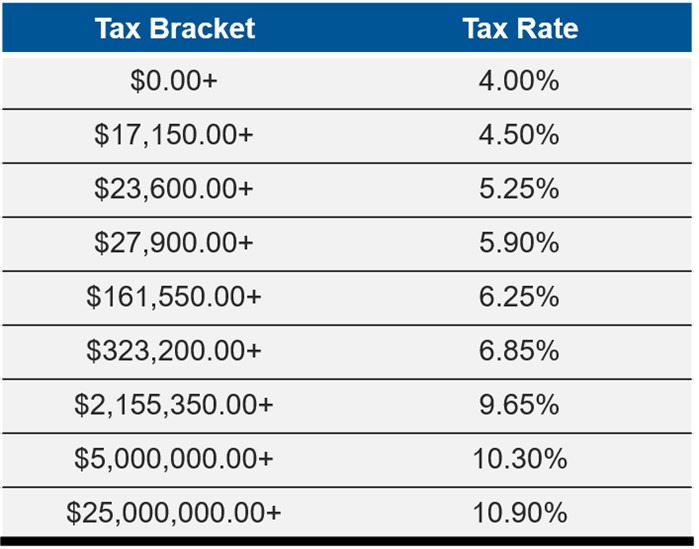
New York’s progressive tax system means that the percentage of tax you pay increases as your income rises. The tax brackets and rates are subject to change, so it’s essential to consult the most current information from the New York State Department of Taxation and Finance for the relevant tax year.
Understanding the Progressive Nature
The progressive tax structure is designed to create a fairer distribution of the tax burden. For example, for a given tax year, the first portion of your income might be taxed at a lower rate (e.g., 4%), while subsequent portions of your income are taxed at progressively higher rates (e.g., 5%, 6.25%, 6.85%, 8.82%, 9.3%, 10.3%, and 10.9%). This means that if your income falls into a higher tax bracket, only the income within that bracket is taxed at the higher rate; your entire income is not taxed at that highest rate.
Impact of Filing Status
Your filing status significantly impacts your tax liability. The primary filing statuses in New York include:
- Single: For individuals who are unmarried.
- Married Filing Separately: For married couples who choose to file individual tax returns.
- Married Filing Jointly: For married couples who combine their income and deductions on a single return.
- Head of Household: For unmarried individuals who pay more than half the cost of keeping up a home for a qualifying child.
Each filing status has its own set of tax brackets, standard deduction amounts, and exemption credits, which can lead to different tax outcomes even with the same total income.
Beyond State Income Tax: Local and City Taxes
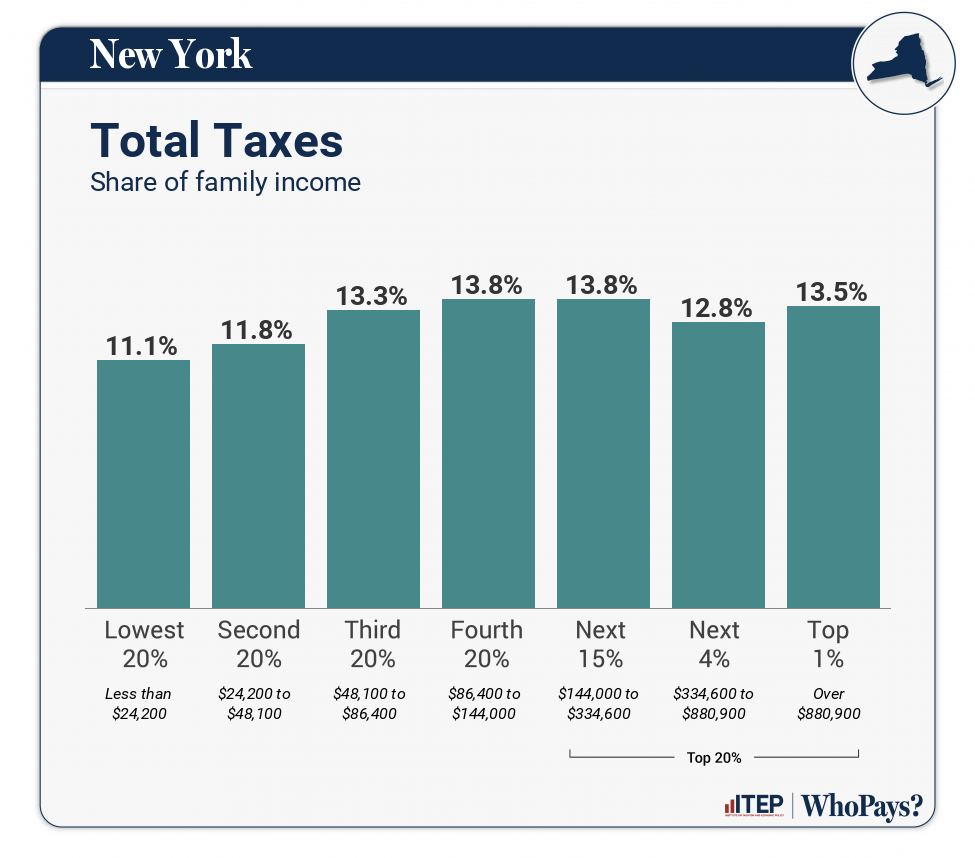
It’s crucial to understand that New York State income tax is not the only tax burden for many residents and individuals earning income within the state. Notably, New York City imposes its own income tax on residents and those who work within its boundaries.
The New York City Income Tax
New York City residents are subject to both New York State income tax and the city’s own income tax. The city income tax also operates on a progressive system, with rates that differ from the state’s. This means that your total income tax liability will be the sum of your state tax and your city tax. This dual taxation can be a significant financial consideration for those living and working in the five boroughs: Manhattan, Brooklyn, Queens, The Bronx, and Staten Island.
Other Local Income Taxes
While New York City is the most prominent example, other localities within New York State may also impose local income taxes. These are less common than the city tax but can still affect individuals working in specific areas. It is vital to determine if your place of employment or residence falls under any such local tax jurisdiction.
Special Considerations for Non-Residents and Businesses
The New York income tax landscape extends beyond individual residents. Non-residents who earn income from New York sources and businesses operating within the state face their own set of tax obligations.
Non-Resident Taxation
If you are not a resident of New York but earn income from sources within the state, you are generally required to file a New York State income tax return and pay taxes on that New York-sourced income. This can include income from employment performed in New York, business activities conducted in New York, or rental properties located in New York. The determination of what constitutes “New York-sourced income” can be complex and often depends on the nature of the income and the location where it is earned or generated. For example, a significant portion of your work performed at a Manhattan office will likely be considered New York-sourced income.
Business Income Tax
Businesses operating in New York are subject to corporate franchise tax, which is based on the business’s net income. The tax rates and rules for businesses are distinct from individual income tax and can be quite intricate, involving factors such as apportionment of income among different states if the business operates nationally or internationally. Businesses also need to consider sales tax, withholding tax for employees, and other state and local taxes. For many international corporations with a presence in cities like New York City, navigating these various tax layers is a significant operational challenge.
Planning and Compliance Strategies
Understanding the intricacies of New York’s income tax system is the first step; effective planning and meticulous compliance are essential for managing your tax obligations efficiently.
Utilizing Tax Credits and Deductions
Maximizing available tax credits and deductions is a cornerstone of tax planning. Regularly review your financial activities to identify eligible deductions, whether they are standard or itemized. For instance, if you are a homeowner in a desirable area like the Hudson Valley, keeping track of mortgage interest and property tax payments is crucial for itemizing. Staying informed about new credits or changes to existing ones can also lead to significant tax savings.
Seeking Professional Advice
The complexity of tax laws, especially in a jurisdiction like New York with its state and city income taxes, often warrants professional guidance. A qualified tax advisor or accountant can provide personalized advice, ensure accurate filing, and help identify strategies to minimize your tax liability legally. This is particularly true for individuals with complex financial situations, such as those with significant investments, business ownership, or non-resident income. For expatriates considering a move to New York City, consulting with tax professionals experienced in international taxation is highly recommended.

Staying Updated on Tax Law Changes
Tax laws are not static; they evolve with legislative changes and administrative updates. It is imperative to stay informed about any modifications to New York State and New York City tax laws, rates, brackets, and regulations. The New York State Department of Taxation and Finance website is an invaluable resource for official publications, tax forms, and announcements regarding tax law changes. Proactive awareness ensures that your tax planning remains relevant and compliant.
LifeOutOfTheBox is a participant in the Amazon Services LLC Associates Program, an affiliate advertising program designed to provide a means for sites to earn advertising fees by advertising and linking to Amazon.com. Amazon, the Amazon logo, AmazonSupply, and the AmazonSupply logo are trademarks of Amazon.com, Inc. or its affiliates. As an Amazon Associate we earn affiliate commissions from qualifying purchases.