
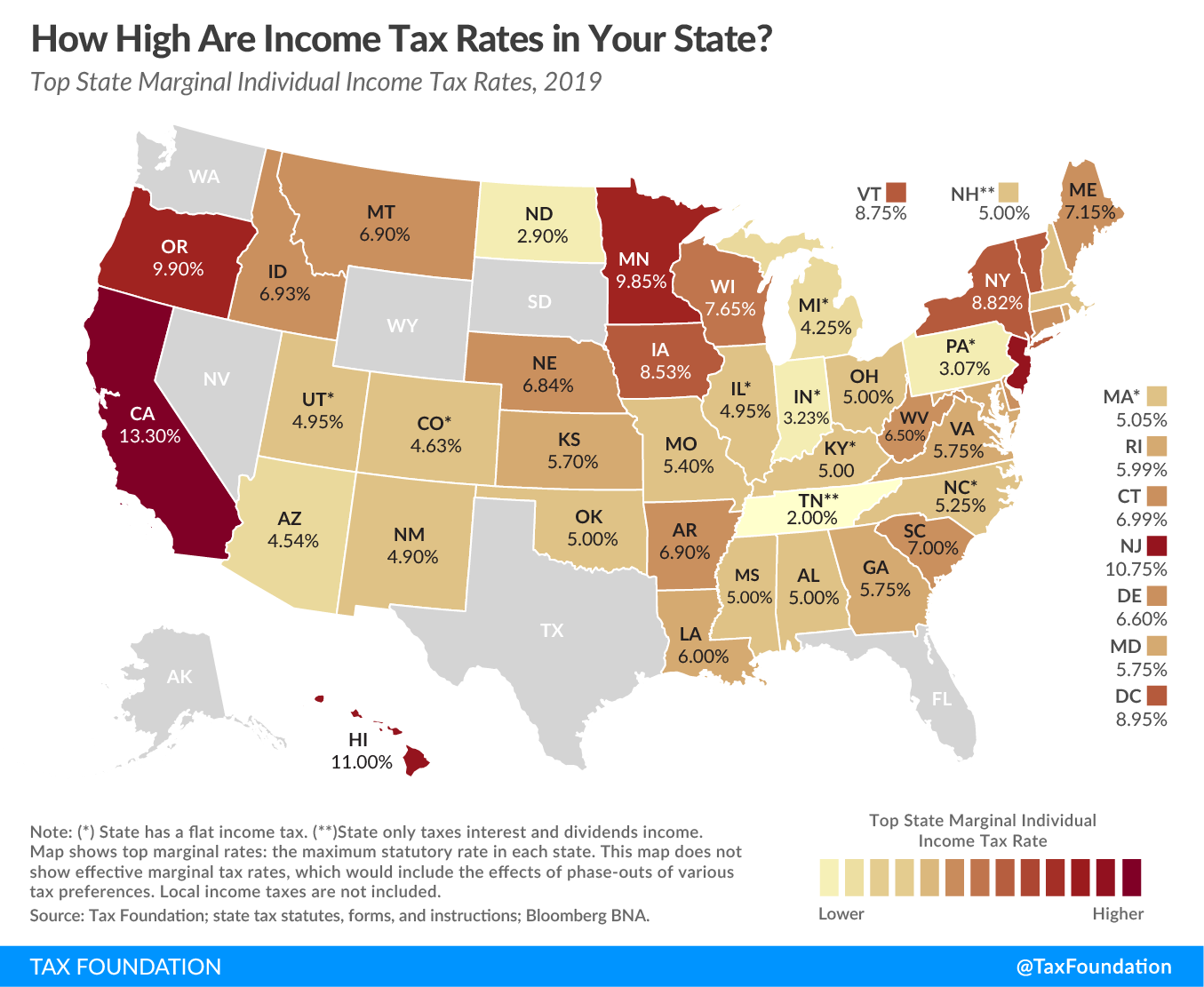
Texas, a state synonymous with vast landscapes, a booming economy, and a distinctive cultural identity, holds a unique position among its peers when it comes to taxation. For many considering a move, a business venture, or even an extended visit, understanding the financial landscape is paramount. Among the key fiscal considerations, the presence or absence of a state income tax often stands out as a significant factor. This inquiry into the income tax rate in Texas is not merely an academic exercise; it directly impacts personal finances, business investment decisions, and the overall economic attractiveness of the Lone Star State.
For travelers planning extended stays in Texas, understanding the tax implications is part of prudent financial planning. While the primary focus of a visit might be exploring the vibrant culture of Austin, enjoying the culinary delights of San Antonio, or experiencing the energy of Houston, financial considerations are an underlying component of any responsible trip. This includes comprehending how state taxes might affect budgets, particularly for those who might be working remotely or have income-generating activities during their stay.
The absence of a state income tax in Texas is a cornerstone of its economic policy and a significant draw for individuals and businesses alike. This deliberate choice shapes the state’s financial ecosystem and contributes to its reputation as a business-friendly environment. For residents, this translates to a larger portion of their earned income remaining in their pockets, a stark contrast to states with progressive or flat income tax systems. This essay will delve into the specifics of Texas’s tax structure, exploring the implications of its income tax policy and how it impacts various aspects of life and commerce within the state.
The Absence of a State Income Tax
The most striking characteristic of Texas’s tax system is its complete lack of a state-level income tax. This means that individuals residing or earning income in Texas are not subject to a tax on their wages, salaries, capital gains, or any other form of personal income at the state level. This policy has been a deliberate and consistent feature of Texas’s fiscal strategy for decades, serving as a powerful incentive for economic growth and population migration.
Historical Context and Policy Rationale
The decision to forgo a state income tax in Texas is rooted in a long-standing political and economic philosophy that favors lower taxes and less government intervention. Proponents of this policy argue that an income tax can stifle economic activity by reducing disposable income, discouraging investment, and creating a disincentive for high earners to relocate or remain in the state. Instead, Texas relies on other revenue streams to fund public services, such as sales taxes, property taxes, and business taxes.
This approach has been credited with attracting a significant number of businesses and individuals to Texas, contributing to its robust economic expansion. Companies seeking to minimize operational costs often find Texas an attractive location due to the absence of this major tax burden. Similarly, individuals looking to maximize their take-home pay are drawn to the state’s tax-friendly environment. This influx of capital and talent has, in turn, fueled further economic development and job creation, creating a virtuous cycle.
Impact on Personal Finances
For residents of Texas, the absence of a state income tax has a direct and substantial impact on their personal finances. Every dollar earned is retained by the individual, rather than a portion being remitted to the state government. This can significantly increase disposable income, allowing individuals to spend, save, or invest more freely. For families, this can mean more resources for education, housing, or leisure activities. For individuals planning retirement, this tax advantage can be particularly beneficial in maximizing their savings.
This fiscal advantage is often cited as a primary reason for people moving to Texas from states with higher income tax burdens. The savings can be substantial, especially for individuals with higher incomes. While other taxes, such as property and sales taxes, do exist, the elimination of the income tax is a significant relief for many households. This economic freedom is a core component of the lifestyle appeal that Texas offers.
Economic Development and Business Climate
The zero state income tax policy is a cornerstone of Texas’s reputation as a business-friendly state. Businesses relocating or expanding in Texas benefit from lower operating costs, as they do not have to account for state income tax on their corporate profits or on the wages of their employees. This competitive advantage has been instrumental in attracting major corporations, startups, and entrepreneurs to the state.
The economic growth spurred by this policy is evident in Texas’s consistent ranking as one of the fastest-growing economies in the United States. Cities like Dallas, Houston, and Austin have become hubs for various industries, from technology and energy to healthcare and finance. The availability of a large and skilled workforce, coupled with a favorable tax environment, makes Texas a prime destination for investment and innovation.
Revenue Generation: How Texas Funds Public Services
While Texas foregoes state income tax revenue, it is not a tax-free haven. The state relies on a diversified revenue model to fund essential public services, including education, infrastructure, public safety, and healthcare. Understanding these alternative revenue streams is crucial to appreciating the overall fiscal picture of the state and how it provides services without a direct income tax.
Sales Tax: A Primary Revenue Driver
The most significant source of state revenue in Texas is the sales tax. This tax is levied on the retail sale of tangible personal property and certain services. The state sales tax rate is 6.25%, and local governments can impose an additional sales tax, bringing the maximum combined rate to 8.25% in many areas. This broad-based tax affects almost all consumer spending within the state.
For travelers and residents alike, sales tax is a tangible part of everyday transactions, whether purchasing goods in a Houston boutique or dining at a restaurant in San Antonio. While it contributes significantly to state coffers, it can also represent a higher cost of living for consumers compared to states with lower sales taxes or more robust income tax systems that may allow for lower sales tax rates. This reliance on sales tax means that economic downturns that reduce consumer spending can have a more pronounced impact on state revenue.
Property Tax: A Local Burden
Property taxes form another critical component of Texas’s revenue system, though they are primarily collected at the local level by counties, cities, school districts, and other special districts. These taxes are based on the assessed value of real estate and, in some cases, tangible personal property. While the state does not set property tax rates, it does set limitations and provide oversight.
For homeowners and businesses in Texas, property taxes can represent a substantial ongoing expense. Unlike income tax, which is based on earnings, property tax is based on the value of assets. This means that while individuals may keep more of their income, they must be prepared for significant property tax bills, especially in high-value real estate markets like Austin. The reliance on property taxes can lead to significant variations in the cost of living and doing business across different regions of Texas.
Business Taxes: The Margin Tax
In addition to sales taxes, Texas levies a Margin Tax on business entities operating within the state. This tax, enacted in 2006, replaced several other business taxes, including the franchise tax. The Margin Tax is calculated based on a business’s gross receipts, with deductions available for the cost of goods sold and certain compensation expenses. The rate varies depending on the industry and revenue size of the business, with a default rate of 0.75% for most businesses.
This tax is designed to be a broad-based tax on businesses, intended to capture revenue from entities that may not have significant property tax obligations or that benefit from the state’s infrastructure and workforce. While it is often presented as an alternative to an income tax, it is still a cost of doing business in Texas that can influence business decisions and investment strategies. Understanding the nuances of the Margin Tax is essential for any entrepreneur or business considering establishing or expanding operations in the state.
Implications for Travelers and Visitors
The absence of a state income tax in Texas presents a unique proposition for visitors and potential long-term residents. While the immediate appeal is obvious—more of your money stays in your pocket—it’s important to consider the broader implications and how they might affect the visitor experience.
Financial Planning for Extended Stays
For individuals planning extended stays in Texas, whether for work, leisure, or a temporary relocation, the lack of state income tax simplifies financial planning. This is particularly relevant for remote workers who earn income from outside the state, as they generally do not have to worry about Texas imposing an income tax on that income. This can make destinations like the scenic Hill Country or the bustling urban centers of Dallas or Houston even more appealing for extended visits or digital nomad lifestyles.
However, visitors should still be mindful of other costs. The sales tax can add up, especially on larger purchases. Accommodation costs, while not directly related to income tax, can also vary significantly across the state, from luxury resorts in San Antonio to budget-friendly hotels in smaller towns. Understanding these combined costs is crucial for accurate budgeting during an extended visit.
The Allure of Texas for Relocation and Investment
The zero income tax policy is a significant factor contributing to Texas’s sustained growth in population and business investment. For individuals considering a permanent move, the prospect of keeping their entire salary or investment gains is a powerful incentive. This has led to a steady influx of people from states with higher tax burdens, contributing to the dynamic and diverse culture found throughout Texas.
Businesses, too, are drawn by the lower cost of operation. The absence of corporate income tax, coupled with a relatively business-friendly regulatory environment, has made Texas a magnet for companies across various sectors. From tech giants establishing new campuses in Austin to energy companies headquartered in Houston, the economic landscape is shaped by this tax advantage. This, in turn, creates more job opportunities and economic dynamism, further enhancing the state’s appeal.
Potential Downsides and Considerations
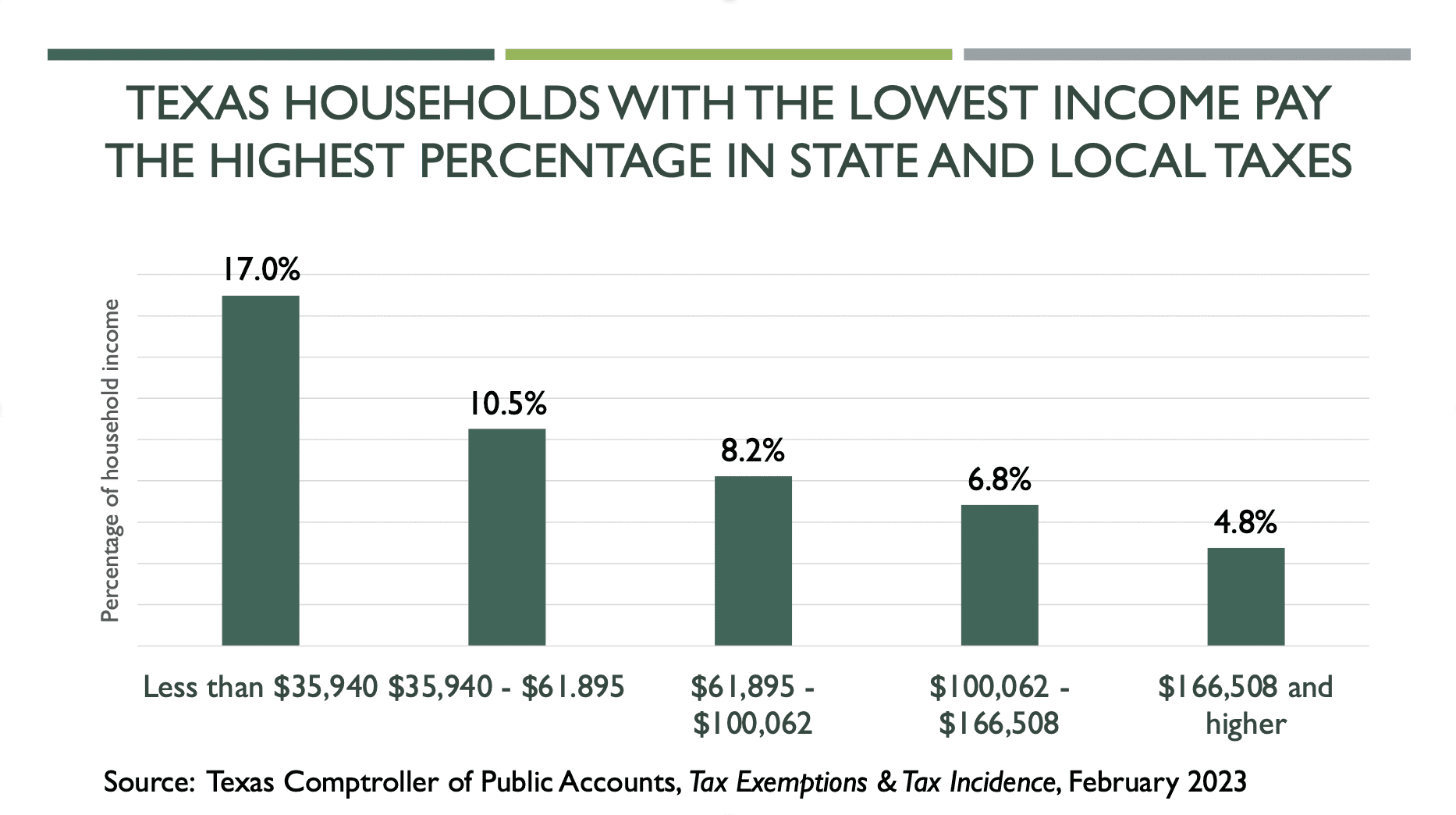
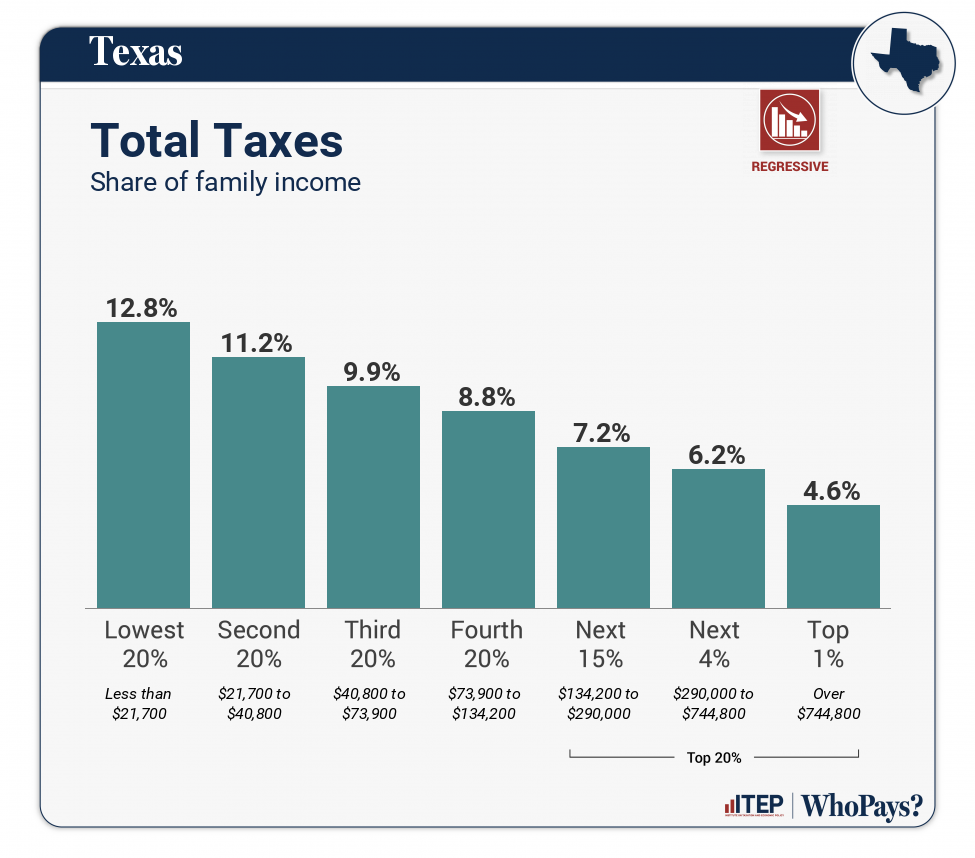
While the absence of state income tax is a significant benefit, it’s important to acknowledge potential trade-offs. The heavy reliance on sales and property taxes means that these taxes can be relatively high. For lower-income individuals, a higher sales tax burden can be more impactful as a larger proportion of their income is spent on essential goods. Similarly, property taxes can be a significant expense for homeowners, particularly in rapidly appreciating real estate markets.
Furthermore, the funding of public services through these alternative methods can sometimes lead to debates about the adequacy of funding for certain sectors, such as education or infrastructure, compared to states that leverage income tax revenue. While Texas has a robust economy, the funding mechanisms can influence the availability and quality of public amenities. Therefore, a comprehensive understanding of Texas’s tax structure reveals a nuanced picture, where the absence of income tax is a significant advantage but is balanced by other fiscal considerations that affect both residents and visitors.
LifeOutOfTheBox is a participant in the Amazon Services LLC Associates Program, an affiliate advertising program designed to provide a means for sites to earn advertising fees by advertising and linking to Amazon.com. Amazon, the Amazon logo, AmazonSupply, and the AmazonSupply logo are trademarks of Amazon.com, Inc. or its affiliates. As an Amazon Associate we earn affiliate commissions from qualifying purchases.