
The Inland Empire, often affectionately referred to as the IE, stands as a sprawling and dynamic region in Southern California, a distinctive counterpoint to the more famous coastal cities. Far from being a mere suburb, it is a vibrant metropolitan area in its own right, boasting a unique identity shaped by its geography, history, and diverse communities. Primarily encompassing Riverside County and San Bernardino County, the Inland Empire sprawls eastward from the San Gabriel Mountains, stretching towards the deserts and high plains. This vast expanse offers a kaleidoscope of experiences, from sun-drenched desert landscapes and snow-capped mountain peaks to fertile valleys and bustling urban centers.
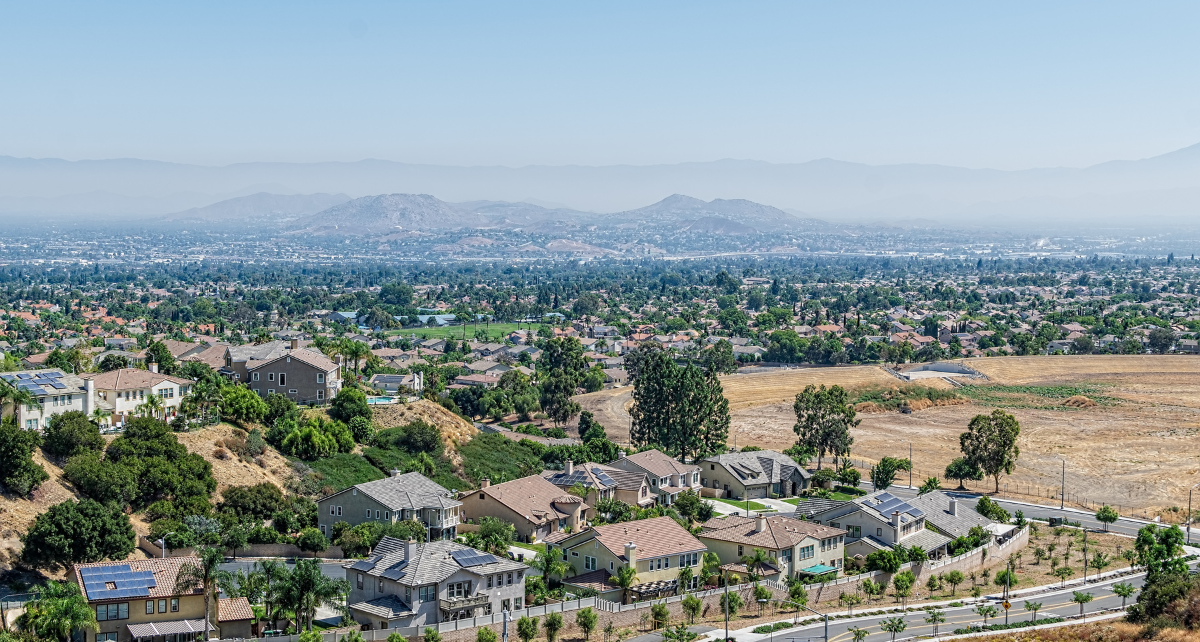
For travelers seeking a taste of California beyond the beaches, the Inland Empire presents an intriguing destination filled with natural beauty, rich history, cultural attractions, and a wide array of leisure activities. Its strategic location makes it an ideal base for exploring a broader slice of Southern California, offering access to everything from world-class golf courses and serene vineyards to thrilling outdoor adventures and distinctive shopping experiences, all typically at a more accessible price point than its Coastal California counterparts. This article delves into what defines the Inland Empire, highlighting its diverse landscapes, vibrant cities, must-see attractions, and practical tips for planning an unforgettable visit.
Unveiling the Diverse Landscapes and Cities of the Inland Empire
The Inland Empire’s vastness is one of its most defining characteristics, offering an incredible variety of environments within a relatively short distance. This geographic diversity directly influences the region’s climate, culture, and the types of experiences available to visitors.
Geographic Extent and Major Cities
The IE spans an enormous area, making it one of the largest metropolitan regions by land area in the United States. Its topography is a mosaic of contrasts: the rugged San Gabriel and San Bernardino Mountains to the north provide alpine forests and winter sports opportunities, while the central valleys are characterized by a Mediterranean climate ideal for agriculture and residential development. Further east, the landscape transitions dramatically into arid deserts, including portions of the Mojave and Colorado Deserts, home to unique ecosystems and the world-renowned Coachella Valley.
Several major cities form the backbone of the Inland Empire, each contributing its own flavor to the region. Riverside, the largest city in the IE and the county seat of Riverside County, is celebrated for its historic architecture, including the iconic Mission Inn Hotel & Spa. San Bernardino, the county seat of San Bernardino County, holds a significant place in California history, notably as the birthplace of McDonald’s. Other prominent cities include Rancho Cucamonga, known for its family-friendly atmosphere and thriving retail centers; Ontario, a major transportation hub with Ontario International Airport (ONT); and Corona, a rapidly growing community with strong ties to motorsports.
Further south, Temecula has gained international recognition for its picturesque Temecula Valley Wine Country, offering a charming escape reminiscent of European vineyards. To the east, in the heart of the Coachella Valley, lies Palm Springs, a global destination famous for its mid-century modern architecture, vibrant arts scene, and luxurious desert resorts. These cities, along with countless smaller towns, collectively paint a comprehensive picture of the Inland Empire’s multifaceted identity.
A Rich Tapestry of History and Culture
The history of the Inland Empire is deeply rooted in its agricultural past and strategic location. Originally inhabited by various Native American tribes, the region saw significant development with the arrival of Spanish missionaries and later, American settlers. The late 19th and early 20th centuries witnessed the boom of the citrus industry, transforming vast tracts of land into fragrant orange groves. The railroads also played a crucial role in the IE’s growth, connecting it to the rest of the nation and facilitating the transport of its abundant produce. Post-World War II, the region evolved further, becoming a hub for aerospace, logistics, and manufacturing.
Culturally, the Inland Empire is a melting pot. Its proximity to the U.S.-Mexico border and historical ties to Mexico have fostered a strong Mexican American influence, evident in the cuisine, traditions, and vibrant community events throughout the region. Beyond this, diverse immigrant communities from across the globe have contributed to a rich cultural tapestry, reflected in the numerous ethnic restaurants, cultural festivals, and community centers. The blend of pioneer spirit, agricultural heritage, and modern dynamism creates a unique cultural experience that is distinctly Inland Empire.
Exploring the Inland Empire: Attractions and Experiences for Every Traveler
The sheer size and varied landscape of the Inland Empire mean there’s an astonishing array of attractions and activities to suit every interest, from adrenaline-pumping outdoor adventures to serene cultural explorations.
Outdoor Adventures and Natural Wonders
For nature enthusiasts and adventure seekers, the IE is a playground. The San Bernardino National Forest offers year-round recreation, transforming from a hiking and mountain biking paradise in the warmer months to a winter wonderland with skiing and snowboarding at popular resorts like those surrounding Big Bear Lake and Lake Arrowhead. These mountain communities provide a refreshing escape from the heat of the valleys, complete with charming lakeside villages and scenic vistas.
Just a short drive east, the iconic Joshua Tree National Park beckons with its otherworldly landscapes, unique Joshua trees, and incredible rock formations, perfect for hiking, rock climbing, and stargazing. In Palm Springs, the Palm Springs Aerial Tramway offers a breathtaking journey up to Mount San Jacinto State Park, where visitors can enjoy cooler temperatures, panoramic views, and miles of hiking trails.
Closer to the urban centers, opportunities for outdoor enjoyment abound. The Santa Ana River Trail provides extensive paths for biking and walking, while Lake Perris State Recreation Area is a popular spot for boating, fishing, swimming, and camping. Golf enthusiasts will find no shortage of championship courses, particularly around Palm Springs and Temecula, making the IE a prime destination for a golf getaway.
Cultural Hotspots and Urban Explorations
Beyond its natural beauty, the Inland Empire is rich in cultural and historical landmarks. In Riverside, the aforementioned Mission Inn Hotel & Spa is not just a hotel but a designated National Historic Landmark, a stunning example of Mission Revival architecture, offering tours and a glimpse into California’s past. Nearby, the California Citrus State Historic Park preserves a piece of the region’s agricultural heritage, allowing visitors to walk through historic orange groves and learn about the industry that shaped the IE. The Fox Performing Arts Center in Riverside hosts a variety of live performances, from concerts to Broadway shows.

Ontario offers a unique historical experience at Graber Olive House, a working olive oil producer since 1894, where visitors can tour the facilities and sample artisanal products. For wine lovers, Temecula Valley Wine Country is a must-visit, boasting over 40 wineries where guests can indulge in tastings, vineyard tours, and often enjoy hot air balloon rides over the picturesque landscape at sunrise.
Palm Springs is a cultural hub in itself, renowned for its vibrant arts scene and preserved mid-century modern architecture. The Palm Springs Art Museum houses impressive collections of modern and contemporary art, as well as Native American and Western art. Throughout the city, guided tours allow visitors to explore iconic examples of mid-century design. For a whimsical roadside attraction, the Cabazon Dinosaurs stand as a quirky landmark visible from Interstate 10, delighting visitors of all ages.
Accommodation and Lifestyle: Making the Most of Your Inland Empire Stay
Whether you’re planning a luxurious escape, a family adventure, a business trip, or a budget-friendly getaway, the Inland Empire provides a spectrum of accommodation options and caters to various travel lifestyles.
Diverse Accommodation Options
The Inland Empire offers extensive choices for lodging. In areas like Palm Springs and the Coachella Valley, luxury resorts are plentiful, featuring world-class amenities such as golf courses, spas, and multiple swimming pools. Examples include the Hyatt Regency Indian Wells Resort & Spa and the JW Marriott Desert Springs Resort & Spa. Boutique hotels are also popular, particularly in downtown Palm Springs, offering unique charm and personalized service.
For those traveling with families or planning longer stays, vacation rentals through platforms like Airbnb and VRBO are an excellent option, providing more space, privacy, and often fully equipped kitchens. These are particularly popular in Temecula for wine country visitors and in the desert cities for festival-goers. Major hotel chains are widely available in cities like Riverside, San Bernardino, and Ontario, catering to both business and leisure travelers with a range of price points. Additionally, campgrounds are located near national forests and parks, providing an immersive nature experience for campers and RV enthusiasts.
Lifestyle and Travel Styles
The Inland Empire accommodates a multitude of travel styles:
- Family Trips: The IE is packed with family-friendly attractions. Beyond the outdoor adventures, there are water parks, amusement centers like Scandia Fun Center, and interactive museums that cater to children of all ages. Many resorts offer kid-friendly pools and activities.
- Luxury Travel: The desert cities, particularly Palm Springs, are synonymous with luxury, offering high-end resorts, designer shopping, gourmet dining, and exclusive spa treatments. Temecula Valley Wine Country also provides luxurious vineyard stays and fine dining experiences.
- Budget Travel: With its many state parks, national forests, and free public attractions, the Inland Empire can be explored on a budget. Affordable dining options, chain hotels, and numerous free hiking trails make it an accessible destination for cost-conscious travelers.
- Business Stays: Proximity to Ontario International Airport and several convention centers makes cities like Ontario and Riverside convenient for business travelers. Many hotels offer business amenities, meeting rooms, and executive suites.
The region also offers a vibrant local culture and diverse cuisine. From farm-to-table restaurants leveraging the local agricultural bounty to authentic Mexican, Asian, and other international eateries, foodies will find plenty to savor. The craft brewery scene is also flourishing, with numerous microbreweries in cities like Riverside and Temecula offering local brews and lively atmospheres.
Planning Your Trip to the Inland Empire
Thoughtful planning can significantly enhance your experience in the Inland Empire, ensuring you make the most of its diverse offerings.
Getting There and Around
The primary gateway to the Inland Empire is Ontario International Airport (ONT), which offers numerous domestic and some international flights. While larger airports like Los Angeles International Airport (LAX) and John Wayne Airport (SNA) in Orange County are within a reasonable driving distance, ONT provides a far more convenient and less congested entry point directly into the heart of the IE.
Given the sprawling nature of the region, a car is virtually essential for exploring the Inland Empire. Public transportation exists within individual cities but is not comprehensive enough for inter-city travel or reaching many of the natural attractions. Rental car services are readily available at ONT and other major transportation hubs.

Best Time to Visit and Essential Tips
The best time to visit the Inland Empire largely depends on your desired activities.
- Spring (March to May) and Fall (September to November) generally offer the most pleasant weather, with mild temperatures perfect for hiking, wine tasting, and exploring urban centers. Wildflowers bloom vibrantly in the deserts during spring.
- Summer (June to August) can be extremely hot, especially in the desert regions where temperatures frequently exceed 100°F (38°C). However, it’s ideal for escaping to the cooler mountain communities or enjoying water-based activities at lakes and water parks.
- Winter (December to February) brings cooler temperatures to the valleys and snow to the mountains, making it prime time for skiing and snowboarding at resorts like Big Bear. Palm Springs remains pleasant and popular during the winter months, offering a warm escape.
Essential tips for travelers:
- Pack layers: Temperatures can vary significantly between day and night, and between different elevations (e.g., desert vs. mountains).
- Hydrate: Especially during warmer months or when engaging in outdoor activities, always carry plenty of water.
- Book ahead: Accommodations, particularly in popular areas like Palm Springs during peak season or major events like the Coachella and Stagecoach festivals, should be booked well in advance.
- Sun protection: Sunscreen, hats, and sunglasses are recommended year-round due to California’s abundant sunshine.
In conclusion, the Inland Empire California is a captivating region that offers a rich tapestry of experiences for every type of traveler. From its majestic mountains and serene deserts to its historic cities and thriving cultural scene, the IE provides a multifaceted glimpse into Southern California life. With diverse accommodation options and activities ranging from adventurous outdoor pursuits to luxurious leisure, it stands as a compelling destination waiting to be explored, promising memorable journeys filled with discovery and enjoyment.
LifeOutOfTheBox is a participant in the Amazon Services LLC Associates Program, an affiliate advertising program designed to provide a means for sites to earn advertising fees by advertising and linking to Amazon.com. Amazon, the Amazon logo, AmazonSupply, and the AmazonSupply logo are trademarks of Amazon.com, Inc. or its affiliates. As an Amazon Associate we earn affiliate commissions from qualifying purchases.