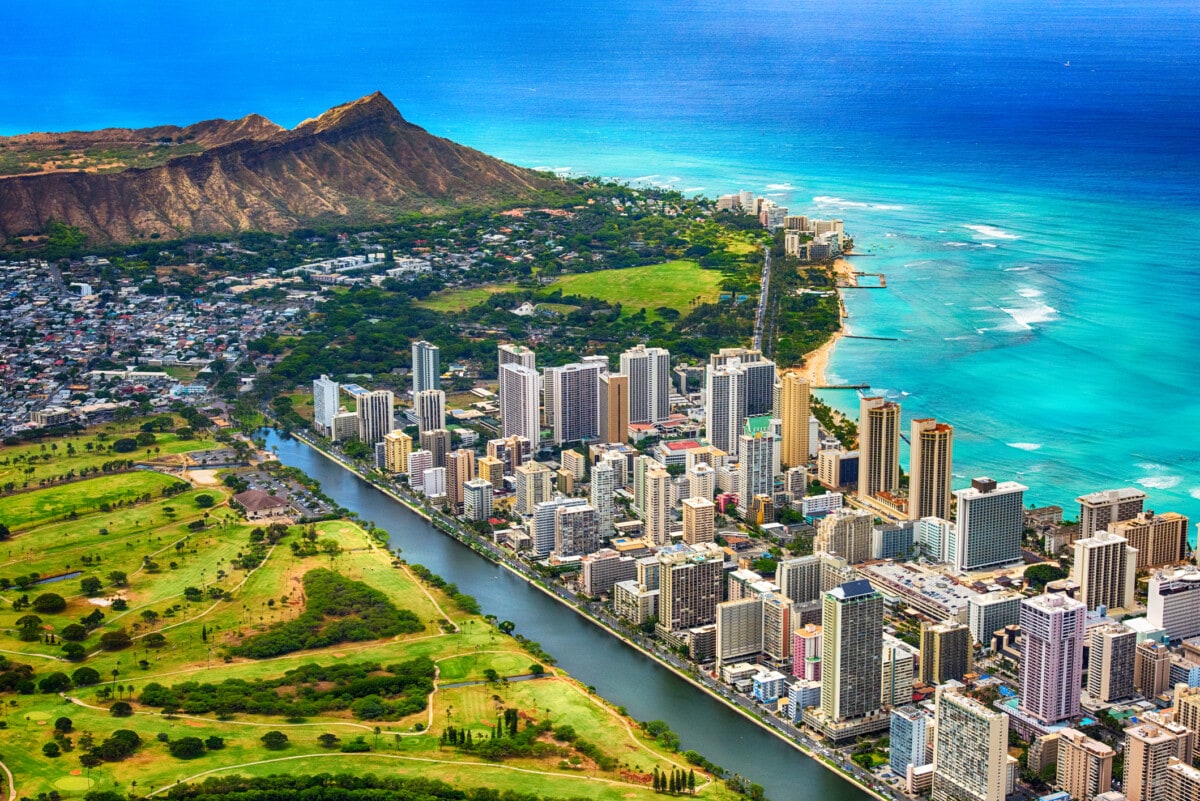
When travelers dream of the Hawaiian Islands, they often envision pristine beaches, emerald mountains, and a sense of serenity that seems to define the Pacific paradise. While many visitors flock to the state for its natural wonders, understanding the urban landscape is essential for planning an itinerary that balances adventure with civilization. If you are wondering what the largest city in Hawaii is, the answer is Honolulu. Situated on the southern shore of Oahu, this vibrant metropolis serves as the political, economic, and cultural heart of the archipelago.
Understanding Honolulu: More Than Just a Capital
To define the “largest city” in the context of the Aloha State, one must look at both population density and administrative boundaries. Unlike many mainland states where cities are defined by municipal borders, Honolulu County encompasses the entire island of Oahu. This unique political structure means that, for administrative purposes, the city and the county are one and the same.
The Urban Core
The heart of the city lies in the high-density urban district known as the Honolulu Census County Division. This area contains the majority of the state’s high-rise architecture, its primary business districts, and the iconic skyline that greets travelers arriving at Daniel K. Inouye International Airport. Walking through downtown, visitors will find a blend of historic architecture and modern glass towers, reflecting the city’s role as the primary gateway between the United States and the Asia-Pacific region.
A Hub of Pacific Culture
As the largest city, Honolulu is the central repository for Hawaiian history and heritage. It is home to the Iolani Palace, the only royal palace on American soil, which stands as a poignant reminder of the Kingdom of Hawaii. Nearby, the Bishop Museum preserves the artifacts and traditions of Polynesian navigators, providing a profound educational experience that informs every visitor’s perception of the islands.
Exploring the Districts of the Largest City
While the city is a singular entity, it is composed of distinct neighborhoods, each offering a vastly different atmosphere. Understanding these districts helps travelers navigate the urban expanse effectively.
Waikiki: The Tourism Engine
Perhaps the most famous district in Hawaii is Waikiki. Located just a few miles from the downtown core, this neighborhood is the primary engine of the state’s tourism industry. It is a dense collection of resorts, high-end shopping centers, and world-famous surf breaks. For the average traveler, Waikiki is what they imagine when they think of Honolulu. It is where you find the golden sands of Waikiki Beach and the bustling energy of Kalakaua Avenue, where the pulse of the city is most palpable.
Kaka’ako: The Modern Transformation
If downtown represents the history of Honolulu, Kaka’ako represents its future. Once an industrial district, it has blossomed into a trendy, art-filled urban center. The area is famous for its massive street art murals created during the Pow Wow Hawaii festivals, as well as its upscale dining scene and boutique markets. Visitors looking for a contemporary, local experience often skip the traditional tourist paths in favor of spending their afternoons in this vibrant neighborhood.
Landmarks Within the Largest City
Being the largest city in the state, Honolulu houses some of the most significant historical and natural landmarks in the entire nation. These sites are not only central to the city’s identity but also hold deep national importance.
Pearl Harbor National Memorial
No visit to Honolulu is complete without paying respects at the Pearl Harbor National Memorial. This site marks the location of the 1941 attack that changed the trajectory of the 20th century. The USS Arizona Memorial remains a solemn and moving site, drawing millions of visitors each year to honor those who lost their lives. As a city landmark, it defines the gravity of Honolulu’s historical weight.

Diamond Head State Monument
Looming over the city is the iconic silhouette of Diamond Head. This volcanic tuff cone is one of the most recognizable landmarks in the Pacific. A hike to the summit offers an unparalleled panoramic view of the coastline, stretching from the urban sprawl of downtown all the way to the southern shores of the island. It acts as the visual anchor for the city, a natural fortress that protects the metropolitan area from the vast blue expanse of the Pacific Ocean.
Comparing Honolulu to Other Hawaiian Regions
To appreciate why Honolulu is categorized as the largest city, one must consider the demographic and geographic distribution of the rest of the archipelago. Hawaii consists of several major islands, including Maui, Kauai, and Hawaii Island, also known as the Big Island.
The Big Island Contrast
While the Big Island is geographically larger than all other islands combined, it does not possess a city that matches the urban scale of Honolulu. Hilo and Kona are significant population centers, yet they maintain a small-town charm and a slower pace of life. They are characterized by vast landscapes, volcanic activity at Hawaii Volcanoes National Park, and rural agriculture. Honolulu stands apart as the only true metropolitan area in the state.
The Dynamics of Island Life
The distinction of Honolulu being the “largest city” essentially comes down to the concentration of infrastructure. Because the city houses the state capitol, the major universities—such as the University of Hawaii at Manoa—and the primary medical facilities, it functions as the central nervous system for the entire island chain. Residents from smaller islands often travel to Honolulu for specialized services, reinforcing its status as the singular major urban hub.
Planning Your Visit to the Largest City
When visiting Honolulu, it is helpful to categorize your trip based on what you hope to experience. Because the city is so large and diverse, it can accommodate everything from budget backpacking to luxury retreats.
Navigating the Urban Landscape
Public transportation in Honolulu, primarily the TheBus network, is surprisingly efficient, allowing visitors to travel from the urban center to the remote coastal cliffs with relative ease. For those who prefer a more curated experience, renting a car allows for the exploration of the North Shore, though navigating the heavy traffic of the metro area requires patience.
Choosing Your Base
Whether you choose to stay in a boutique hotel in Downtown Honolulu, a sprawling resort along the coast, or a quiet rental in the suburbs near Hawaii Kai, you are always within reach of the city’s major amenities. The size of Honolulu ensures that you never have to sacrifice the comforts of modern life while enjoying the tropical beauty that defines the destination.
In summary, Honolulu is more than just a destination; it is the heartbeat of Hawaii. As the largest city, it provides the perfect intersection between the historical legacy of the Pacific and the forward-looking energy of a modern American metropolis. Whether you are seeking cultural immersion, world-class dining, or the convenience of a major city surrounded by some of the most beautiful nature on Earth, Honolulu stands as the definitive starting point for any journey to the islands.