
When considering the vibrant tapestry of the American South, Louisiana stands out for its unique cultural heritage, rich history, and distinctive culinary traditions. Within this captivating state, a question often arises for those planning a visit or simply curious about its geography: what is the largest city in Louisiana? The answer, definitively, is New Orleans. While population figures can fluctuate and other cities boast significant growth, New Orleans consistently holds the title as the most populous municipality in the Pelican State. This designation, however, is just the starting point for understanding the profound significance of this historic metropolis. Its size is not merely a matter of numbers but a reflection of its enduring influence on culture, commerce, and tourism, making it a quintessential Louisiana destination.
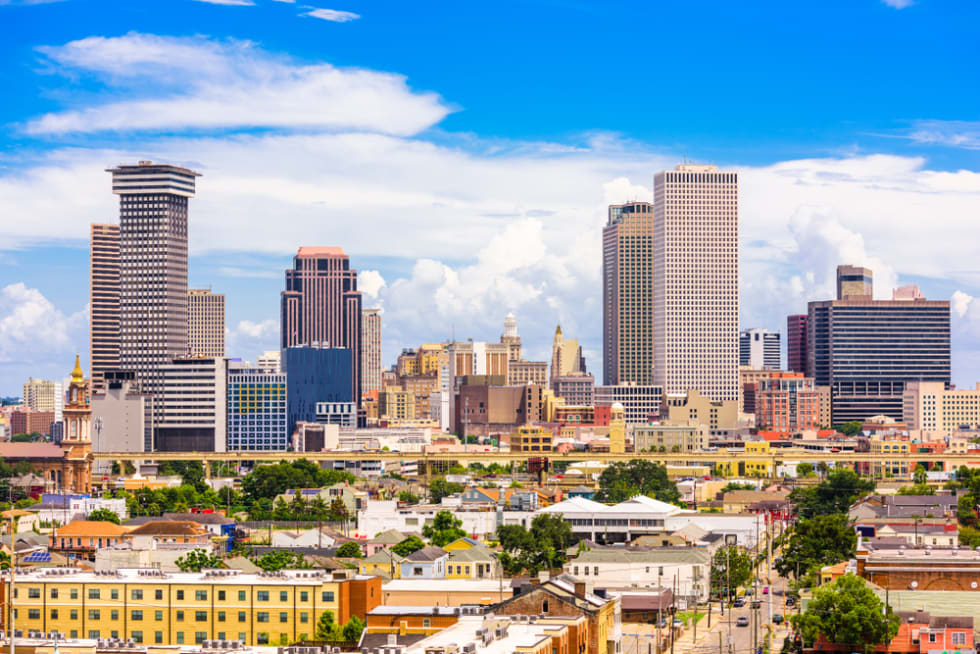
New Orleans: A Hub of Culture and Commerce
New Orleans, often referred to as the “Big Easy,” is far more than just the largest city in Louisiana; it is a global icon. Its sprawling metropolitan area encompasses a diverse range of neighborhoods, each with its own unique character and charm. From the historic streets of the French Quarter to the stately mansions of the Garden District, the city offers a visual feast for any visitor.
The Heartbeat of Louisiana
The cultural significance of New Orleans cannot be overstated. It is the birthplace of jazz music, a genre that has profoundly shaped American music and continues to draw musicians and enthusiasts from around the world. The city’s vibrant music scene is alive and well, with legendary venues like Preservation Hall and countless street performers filling the air with infectious rhythms. Beyond music, New Orleans is renowned for its unique Creole and Cajun culinary traditions. The city’s gastronomic landscape is a testament to its multicultural history, with influences from French, Spanish, African, and Caribbean cuisines. From succulent gumbo and jambalaya to fresh Gulf seafood and beignets, dining in New Orleans is an essential part of the travel experience.
Beyond its artistic and culinary contributions, New Orleans serves as a vital economic engine for Louisiana. Its port is one of the busiest in the nation, facilitating trade and commerce. The city’s thriving tourism industry also plays a crucial role in its economy, drawing millions of visitors each year who come to experience its unparalleled charm and vibrancy. The presence of major businesses, cultural institutions, and a robust service sector further solidifies its position as the state’s largest and most influential urban center.
Beyond the Numbers: Exploring the Largest City
While New Orleans is indeed the largest city in Louisiana by population, its true magnitude is best understood through an exploration of its diverse offerings. A visit to this iconic city promises an immersive journey into a world unlike any other.
Iconic Landmarks and Districts
The French Quarter, a designated National Historic Landmark, is perhaps the most recognizable district in New Orleans. Its intricate ironwork balconies, colorful buildings, and bustling streets are a photographer’s dream. Here, one can wander down Bourbon Street with its lively nightlife, explore the unique shops and art galleries, or visit historic sites like Jackson Square and the St. Louis Cathedral.
Just outside the French Quarter lies the elegant Garden District, characterized by its magnificent antebellum mansions and lush gardens. A guided walking tour is highly recommended to appreciate the architectural grandeur and historical narratives of this affluent neighborhood. For a glimpse into the city’s unique burial customs, a tour of one of its historic above-ground cemeteries, such as St. Louis Cemetery No. 1, is a must. These cemeteries are not only resting places but also intricate sculptures and testaments to the city’s past.
Experiencing the Local Flavor
The allure of New Orleans extends deeply into its local experiences. From lively festivals to intimate jazz clubs, there are endless ways to immerse oneself in the city’s unique spirit.
Culinary Delights
No exploration of New Orleans would be complete without indulging in its world-renowned cuisine. Beyond the famous gumbo and jambalaya, be sure to sample dishes like crawfish étouffée, po’boys, and bananas Foster. For an authentic taste, visit local institutions like Commander’s Palace or Antoine’s Restaurant, or explore the vibrant culinary scene in neighborhoods like the Marigny. The historic French Market is another essential stop for sampling local produce, spices, and prepared foods.
Musical Rhythms
The sound of New Orleans is as vital as its sights and tastes. Take a stroll down Frenchmen Street for a more local and authentic jazz experience, or catch a performance at a renowned venue. Many bars and restaurants throughout the city feature live music, providing a constant soundtrack to your adventures. Don’t miss the opportunity to experience a traditional second-line parade, a celebratory procession that is a hallmark of New Orleans culture, especially during festivals.
Unique Activities
Beyond the well-trodden paths, New Orleans offers a wealth of unique activities. Take a steamboat ride on the Mississippi River for a scenic perspective of the city. Explore the nearby bayous on an airboat tour for a chance to see local wildlife. Visit the New Orleans Museum of Art or the Audubon Aquarium of the Americas. For those interested in the city’s rich history and folklore, ghost tours and voodoo tours offer intriguing insights into its mystical side.
Other Notable Cities in Louisiana
While New Orleans reigns supreme as the largest city in Louisiana, it is important to acknowledge other significant urban centers that contribute to the state’s diverse landscape and economy. These cities offer their own unique attractions and appeal to different types of travelers.
Baton Rouge: The State Capital
Baton Rouge, the capital of Louisiana, is the state’s second-largest city. Situated on the eastern bank of the Mississippi River, Baton Rouge is a hub of government, industry, and education. Visitors can explore the impressive Louisiana State Capitol, the tallest state capitol building in the United States, and learn about the state’s history at the Old State Capitol. The city also boasts a lively downtown area, numerous museums, and a vibrant performing arts scene, all contributing to its status as a significant cultural and economic center.
Shreveport and the Ark-La-Tex Region
Further north, Shreveport serves as the principal city of the Ark-La-Tex region, an area where Louisiana, Arkansas, and Texas converge. Shreveport is known for its casino gaming, live music venues, and cultural attractions, including the R.W. Norton Art Gallery and the Louisiana Boardwalk Outlets. The city’s proximity to the natural beauty of the surrounding bayous and forests also makes it an attractive destination for outdoor enthusiasts.
Lafayette: The Heart of Cajun Country
In the heart of Cajun Country, Lafayette stands as the fourth-largest city in Louisiana. This vibrant city is a celebration of Cajun culture, evident in its music, food, and festivals. Visitors can experience authentic Cajun cuisine at local restaurants, enjoy live Zydeco music at dance halls, and immerse themselves in the rich history at the Acadian Village and the Vermilionville Historic Village. Lafayette’s friendly atmosphere and deep-rooted traditions make it a beloved destination for those seeking a genuine taste of Louisiana.
Planning Your Visit to the Largest City
As the largest city in Louisiana, New Orleans offers an unparalleled travel experience. Understanding its size and scope is key to planning a memorable trip, whether you’re interested in its historical depths, its vibrant cultural scene, or its world-class culinary offerings.
Navigating New Orleans
New Orleans is a city that rewards exploration. While the French Quarter is easily walkable, its considerable size means that venturing to other neighborhoods will likely require transportation. The city offers a streetcar system, a charming and economical way to traverse many areas, including the St. Charles Avenue line, which passes by many beautiful historic homes. Ride-sharing services and taxis are also readily available. For those who enjoy cycling, bike rentals are a popular option for exploring certain districts.
Accommodation Options
From luxurious boutique hotels to charming bed and breakfasts and well-appointed vacation rentals, New Orleans provides a wide array of accommodation options to suit every taste and budget. Staying within or near the French Quarter offers proximity to many major attractions, while neighborhoods like the Garden District or the Warehouse District provide a different, yet equally captivating, ambiance. The city also boasts a range of modern hotels and resorts, particularly in the downtown and convention center areas, catering to both leisure and business travelers. Regardless of where you choose to stay, the warm hospitality of New Orleans is sure to enhance your visit.
Best Times to Visit
The best time to visit New Orleans depends largely on your preferences. Spring, particularly from March to May, offers pleasant weather and a plethora of festivals, including the renowned New Orleans Jazz & Heritage Festival. Autumn, from September to November, also provides mild temperatures and fewer crowds. The summer months can be hot and humid, but also offer lower prices and a different, more relaxed pace. Winter, while cooler, is still enjoyable and is marked by the festive season leading up to Mardi Gras, a world-famous celebration that typically falls in February or early March.
In conclusion, while New Orleans undeniably holds the title of the largest city in Louisiana, its true significance lies in its immeasurable cultural richness, historical depth, and vibrant spirit. It is a city that captivates the senses and leaves an indelible mark on all who have the pleasure of experiencing its magic.
LifeOutOfTheBox is a participant in the Amazon Services LLC Associates Program, an affiliate advertising program designed to provide a means for sites to earn advertising fees by advertising and linking to Amazon.com. Amazon, the Amazon logo, AmazonSupply, and the AmazonSupply logo are trademarks of Amazon.com, Inc. or its affiliates. As an Amazon Associate we earn affiliate commissions from qualifying purchases.