
When travelers and geography enthusiasts contemplate the geography of the United States, the State of New York often occupies a central position in the discussion. It is a region defined by stark contrasts: the bustling, high-density urban canyons of the coast versus the serene, rolling landscapes of the north and west. At the heart of this discussion is the question of the largest city, a title held definitively by New York City. Understanding the sheer scale, influence, and composition of this metropolis is essential for anyone looking to navigate the complexities of this iconic American territory.
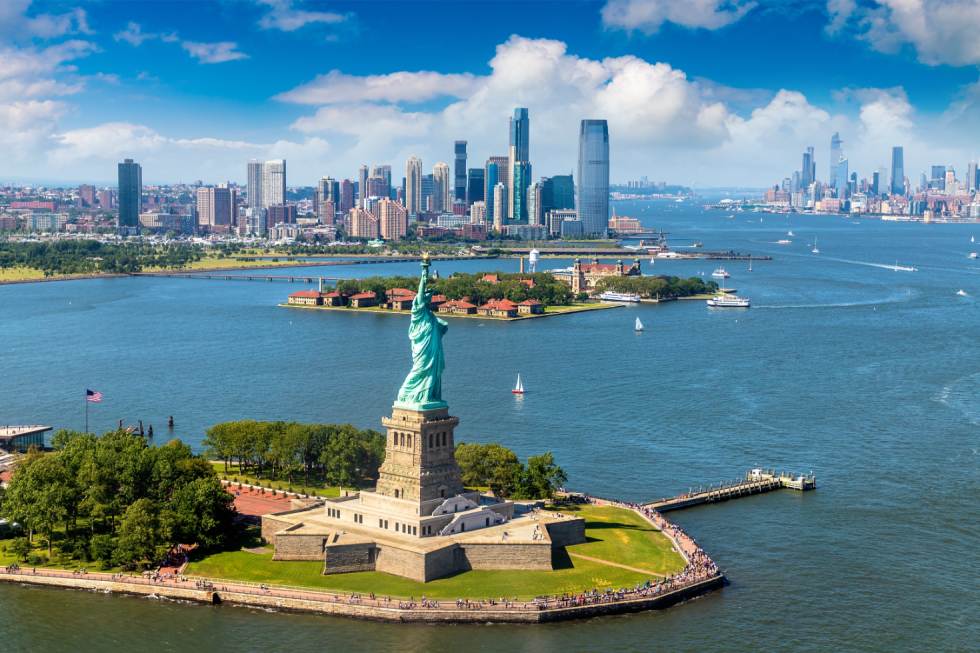
The Colossal Scale of New York City
New York City is not merely the largest city in the State of New York; it is the most populous city in the entire United States. With a population that consistently exceeds eight million residents, it operates as a global hub for finance, culture, media, and technology. Its footprint is composed of five distinct boroughs, each functioning with the scale and diversity of an independent city.
The Five Boroughs
The city is organized into five unique administrative divisions, each contributing to the overall magnitude of the urban area:
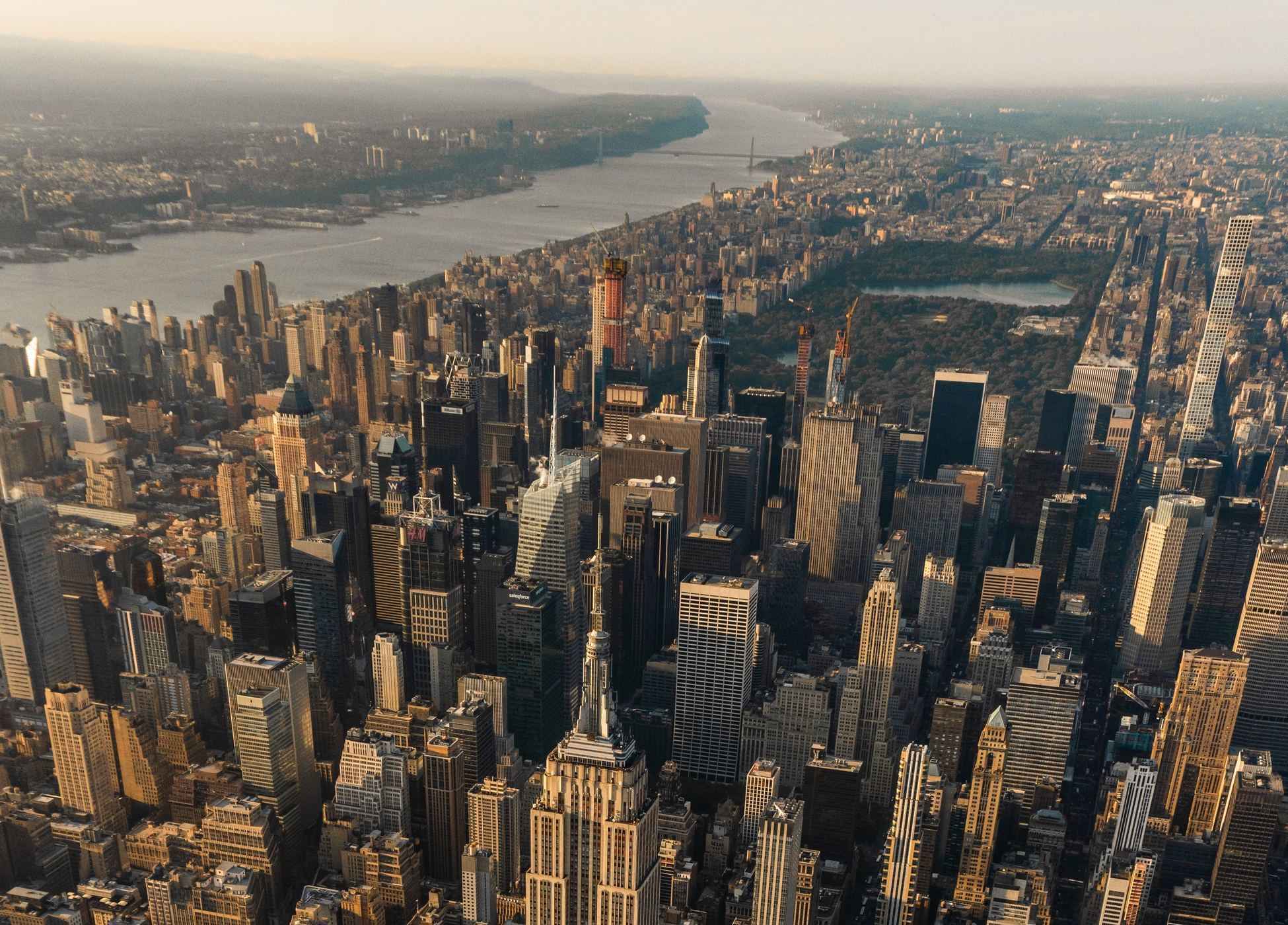
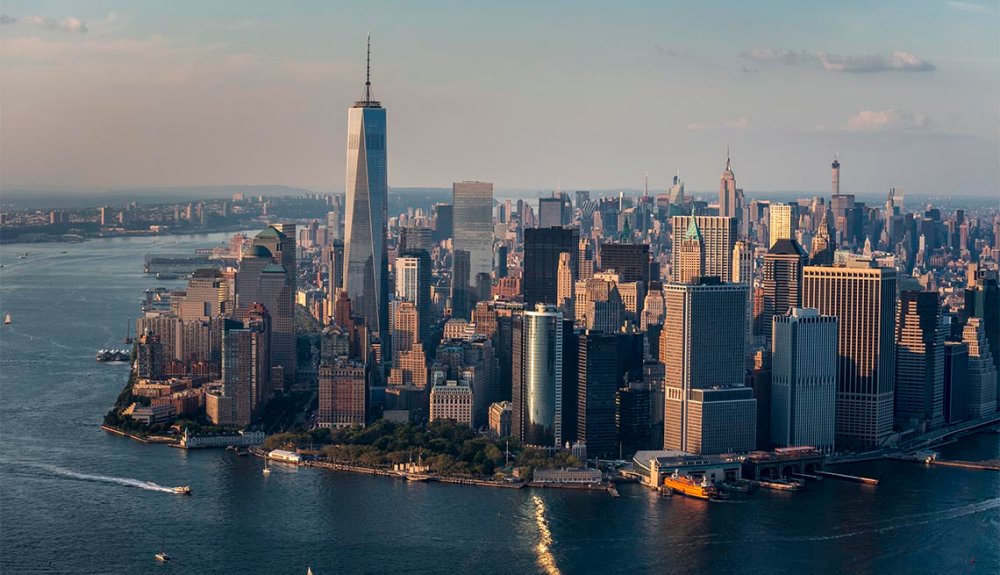
- Manhattan: The dense, vertical heart of the city, home to Wall Street, Central Park, and Times Square.
- Brooklyn: Known for its diverse neighborhoods, Coney Island, and the historic Brooklyn Bridge.
- Queens: The largest borough by land area, famous for its cultural diversity and the John F Kennedy International Airport.
- The Bronx: Home to the Bronx Zoo and Yankee Stadium, representing the northernmost part of the city.
- Staten Island: The most suburban in character, connected to the mainland via the Staten Island Ferry.
Geographical Dominance
Spanning over 300 square miles of land, the city serves as the engine of the regional economy. Its geography is defined by its strategic harbor, where the Hudson River meets the Atlantic Ocean. This natural advantage allowed it to grow into an international gateway, attracting millions of immigrants and professionals from across the globe.
Comparison with Other Major Urban Centers in the State
While New York City is the primary urban center, the State of New York features several other significant cities. However, in terms of sheer population, economic output, and density, no other municipality in the state approaches the scale of the “Big Apple.”
Upstate Metropolitan Areas
Moving north from the coast, one encounters cities that serve as vital regional hubs. These cities maintain a different pace of life compared to the frenetic energy of the Five Boroughs:
- Buffalo: Located near the iconic Niagara Falls, this city is the second-largest in the state. It is a center for industry and culture in Western New York.
- Rochester: Known for its history in optics and photography, Rochester sits on the shores of Lake Ontario.
- Albany: As the state capital, Albany is the center of government. It holds immense historical significance but possesses a significantly smaller population base than the coastal metropolis.
- Syracuse: Situated in the heart of the state, Syracuse is a major educational and research hub, anchored by institutions like Syracuse University.
Why the Disparity Exists
The concentration of population in New York City is largely a result of historical trade patterns and infrastructure. The development of the Erie Canal originally connected the Atlantic coast to the interior, cementing the city’s status as a commercial powerhouse. While cities like Buffalo and Albany played pivotal roles in this network, the sheer density of the port city outpaced the growth of the inland centers during the rapid industrialization of the 19th and 20th centuries.
The Cultural and Economic Influence of the Largest City
The status of New York City as the largest city in the state creates a magnetic effect that draws talent, investment, and tourism from all corners of the United States and the world. This concentration of resources defines much of what the world identifies as “New York.”
A Global Financial Epicenter
The influence of Manhattan extends far beyond the state borders. With the New York Stock Exchange at its core, the city dictates global financial trends. This status attracts international corporations, luxury hospitality brands, and high-end retail, which in turn fuels the city’s tax base and infrastructure development.
Cultural and Artistic Hegemony
Beyond finance, the city is a premier destination for the arts. From the Broadway theater district to world-class museums like the Metropolitan Museum of Art and the Museum of Modern Art, the city offers experiences that are simply unavailable elsewhere in the State of New York. These institutions rely on the population density of the city to maintain their operations and prestige.
The Melting Pot Effect
The diversity of the city’s population is unparalleled. Immigrant communities from every continent have established distinct enclaves throughout the five boroughs. This creates a cultural landscape where one can experience authentic international cuisine in Queens, observe architectural history in Brooklyn, and witness avant-garde artistic expression in Manhattan. This demographic weight ensures that the largest city acts as a cultural laboratory for the entire nation.
Navigation and Exploration Considerations
For those traveling to explore the scale of the state, it is important to recognize that the logistical reality of visiting New York City is vastly different from visiting the rest of the State of New York.
Transport and Logistics
The public transit system in the city, centered on the New York City Subway, is one of the most comprehensive in the world. It allows millions to move across the city without the need for a private vehicle. In contrast, the rest of the state relies heavily on automotive travel, rail systems like Amtrak, and regional air hubs such as the Buffalo Niagara International Airport.
Balancing the Urban Experience
A trip to the state is often best enjoyed by balancing the urban intensity of the largest city with the regional beauty of the Finger Lakes or the Adirondack Mountains. While New York City claims the title of the largest city, the identity of the state is found in the interplay between this massive, gleaming metropolis and the vast, storied landscapes that surround it. Understanding this distinction is the key to appreciating why New York remains one of the most compelling destinations in the North America.
LifeOutOfTheBox is a participant in the Amazon Services LLC Associates Program, an affiliate advertising program designed to provide a means for sites to earn advertising fees by advertising and linking to Amazon.com. Amazon, the Amazon logo, AmazonSupply, and the AmazonSupply logo are trademarks of Amazon.com, Inc. or its affiliates. As an Amazon Associate we earn affiliate commissions from qualifying purchases.