
New York City, a concrete jungle renowned for its towering skyscrapers and bustling streets, harbors a surprising abundance of green spaces. While Central Park often captures the imagination as the quintessential urban oasis, the title of the largest park in New York City belongs to a different, expansive domain: Pelham Bay Park. Nestled in the northeastern corner of the Bronx, this vast nature preserve offers a breathtaking counterpoint to the city’s dense urban fabric, providing an essential escape for both New Yorkers and visitors seeking a more untamed experience.
Spanning an impressive 2,772 acres, Pelham Bay Park is a colossal testament to nature’s resilience within a major metropolis. Its sheer size is staggering, dwarfing even the celebrated Central Park by a significant margin. This expansive parkland is not just a collection of trees and grass; it’s a diverse ecosystem encompassing forests, salt marshes, meadows, and over eight miles of saltwater shoreline along the Long Island Sound. Its strategic location protects a vital natural habitat and offers a unique recreational landscape that sets it apart from other urban parks.

A Natural Wonderland in the Bronx
The allure of Pelham Bay Park lies in its remarkable natural diversity. It’s a place where one can truly disconnect from the urban clamor and immerse oneself in the sights and sounds of the natural world. The park’s vast acreage allows for a wide range of geographical features, each contributing to its unique character and appeal.
Forests and Meadows
Dominating much of the park’s interior are its extensive woodlands, offering shaded trails perfect for hiking and exploration. These forests are home to a variety of tree species, providing a rich canopy that changes with the seasons, from the vibrant greens of summer to the fiery hues of autumn. Interspersed within these wooded areas are open meadows, which bloom with wildflowers in the spring and summer, attracting a host of pollinators. These open spaces are ideal for picnicking, birdwatching, or simply finding a quiet spot to relax and enjoy the panoramic views. The sense of scale within these natural expanses is profound, allowing visitors to feel a true sense of escape, even within the confines of a major city.
Coastal Beauty and Salt Marsh Ecosystems
Perhaps the most distinctive feature of Pelham Bay Park is its extensive coastline along the Long Island Sound. This waterfront provides opportunities for a variety of water-based activities and offers stunning views of the waterway. The park’s shoreline is characterized by rocky outcrops, sandy beaches, and, crucially, expansive salt marshes. These salt marshes are ecologically vital, serving as nurseries for marine life, natural filters for water, and important habitats for migratory birds. Exploring these marshlands, whether on foot via designated boardwalks or from a kayak, offers a unique glimpse into a sensitive and dynamic environment. The ebb and flow of the tides dictate the landscape, creating a constantly changing tableau of natural beauty. Birdwatchers, in particular, find Pelham Bay Park to be a prime destination, with numerous species relying on its diverse habitats for nesting and feeding.
Recreational Opportunities Abound
Beyond its natural splendor, Pelham Bay Park offers a wealth of recreational activities that cater to a wide range of interests. Its size and varied terrain make it a hub for active pursuits, ensuring that visitors can find something engaging to do, whether they are seeking adventure or a leisurely pastime.
Hiking and Biking Trails
The park boasts an extensive network of marked trails, perfect for hikers and cyclists of all levels. From gentle, paved paths suitable for a leisurely stroll to more rugged, unpaved routes that challenge seasoned adventurers, there is a trail for everyone. The scenic beauty of the park enhances the experience, with trails winding through forests, alongside waterways, and offering picturesque vistas. These trails provide excellent opportunities for exercise while immersing oneself in the natural environment, offering a refreshing alternative to urban exploration. Many of these routes connect different sections of the park, allowing for longer excursions and the discovery of hidden gems.
Water Activities and Golf
The park’s proximity to the Long Island Sound opens up a world of water-based recreation. Kayaking and canoeing are popular activities, allowing visitors to explore the coastline and salt marshes at their own pace. For those looking for more structured activities, the Orchard Beach Lagoon offers opportunities for swimming and sunbathing during the warmer months, although it’s important to note that the park’s primary coastline is part of the Sound itself. For golf enthusiasts, the Pelham Bay Golf Course provides a challenging and scenic eighteen-hole experience. Playing a round of golf surrounded by the park’s natural beauty adds a unique dimension to the game.

Equestrian Facilities and Nature Centers
Pelham Bay Park is also home to the Riding Stables, offering horseback riding opportunities. This allows visitors to experience the park’s trails from a different perspective,trotting through the wooded areas or along the waterfront. For those interested in learning more about the park’s natural resources, the Nature Centers provide educational programs and exhibits. These centers offer valuable insights into the local flora and fauna, the park’s geological history, and the importance of conservation. They are excellent resources for families and individuals looking to deepen their understanding and appreciation of the natural world.
Historical and Cultural Significance
While primarily celebrated for its natural attributes, Pelham Bay Park also holds significant historical and cultural value. Within its expansive grounds lie remnants of the area’s past, contributing to its layered appeal.
Colonial Era and Native American History
The land that now constitutes Pelham Bay Park has a long human history. Indigenous peoples, including the Lenape tribe, inhabited this region for centuries before European settlement. Evidence of their presence can be found in archaeological sites scattered throughout the park. Following colonization, the area played a role in the development of New York City, with various estates and farms once occupying parts of the land. Understanding this history adds a deeper context to the park’s landscape, reminding visitors of the generations who have lived and interacted with this place.
Historic Structures and Landmarks
Within the park’s vastness, several historic structures stand as testaments to its past. The Bartow-Pell Mansion Museum, a beautifully preserved 19th-century Greek Revival home, offers a glimpse into the lives of affluent families who once resided in the area. Situated on a picturesque bluff overlooking the Long Island Sound, the mansion and its surrounding gardens are a popular attraction for those interested in history and architecture. The presence of such landmarks within the park’s natural setting creates a unique juxtaposition, blending human history with the enduring power of nature. These sites serve as important educational resources, offering guided tours and exhibitions that bring the area’s past to life.
Planning Your Visit to the Largest Park
Visiting Pelham Bay Park is an opportunity to experience a different side of New York City. Its sheer size and diverse offerings mean that a little planning can go a long way in ensuring a rewarding visit.
Accessibility and Transportation
Located in the Bronx, Pelham Bay Park is accessible via public transportation. The New York City Department of Parks & Recreation operates various bus routes that serve the park, and several subway lines provide access to nearby stations. For those driving, there are parking areas available throughout the park, though they can fill up quickly, especially on weekends and holidays. It’s advisable to check the park’s official website for the most up-to-date information on transportation options and potential parking restrictions.
Best Times to Visit and What to Bring
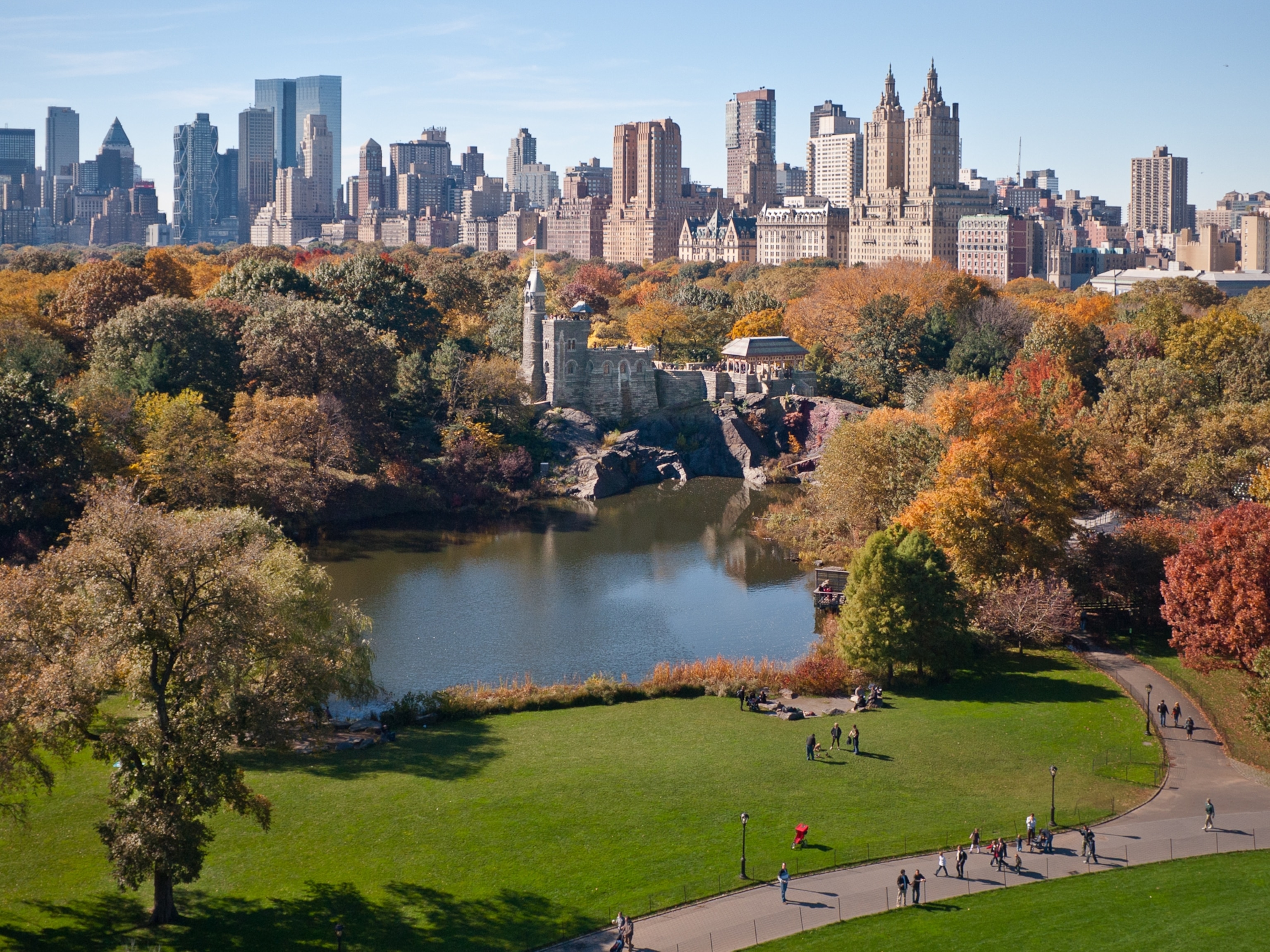
The park is a year-round destination, with each season offering its unique charm. Spring brings blooming flowers and migratory birds, while summer is ideal for water activities and hiking. Autumn provides a stunning display of fall foliage, and winter offers a serene, snow-covered landscape for quiet contemplation. Regardless of the season, it’s essential to wear comfortable walking shoes, as you’ll likely be doing a lot of exploring. Sunscreen, insect repellent, and plenty of water are also recommended, especially during warmer months. For those planning longer excursions or picnics, packing a meal and snacks is advisable, as dining options within the park are limited. Bringing a field guide for local flora and fauna can also enhance the experience for nature enthusiasts.
In conclusion, Pelham Bay Park stands as a monumental green lung for New York City. Its vast expanse of diverse natural landscapes, coupled with its rich history and abundant recreational opportunities, makes it a truly remarkable destination. While the iconic skyline and bustling streets of Manhattan often define the image of New York City, the sprawling wilderness of Pelham Bay Park offers a profound and unforgettable escape into nature, proving that even in one of the world’s most urbanized environments, expansive natural beauty can thrive.
LifeOutOfTheBox is a participant in the Amazon Services LLC Associates Program, an affiliate advertising program designed to provide a means for sites to earn advertising fees by advertising and linking to Amazon.com. Amazon, the Amazon logo, AmazonSupply, and the AmazonSupply logo are trademarks of Amazon.com, Inc. or its affiliates. As an Amazon Associate we earn affiliate commissions from qualifying purchases.