
When one thinks of Las Vegas, the immediate image that often springs to mind is a glittering oasis in the Nevada desert, bustling with tourists, flashing lights, and the promise of endless entertainment. Indeed, this iconic city, often dubbed the “Entertainment Capital of the World,” is synonymous with vibrant nightlife, world-class resorts, and unforgettable experiences. However, to truly understand the essence of Las Vegas and its profound impact on travel and tourism, it’s crucial to look beyond the fleeting visitors and delve into the numbers that define its unique demographic landscape: its permanent population.
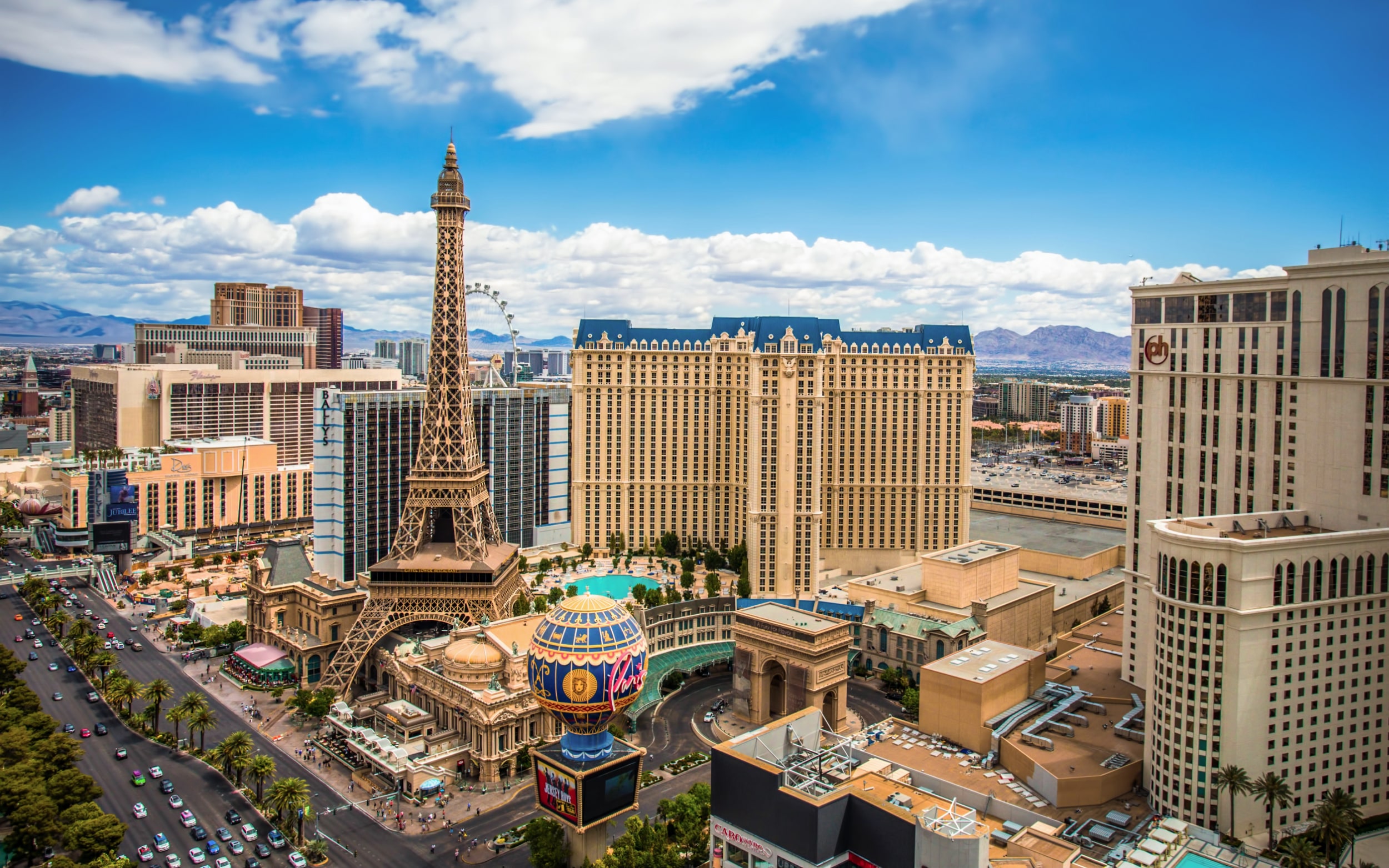
The question “What is the Las Vegas population?” is more complex than it first appears. It’s a tale of two cities: one teeming with millions of annual tourists, and another home to a rapidly growing, diverse resident base that keeps the entire ecosystem running. This article will unravel these dual population narratives, exploring the dynamics of both permanent residents and transient visitors, the factors driving the city’s remarkable growth, its evolving demographics, and the significant implications these numbers have for infrastructure, lifestyle, accommodation, and the future of this desert metropolis.
Unpacking the Numbers: Residents vs. Visitors
To grasp the full scope of Las Vegas’s population, we must differentiate between its established residents and the colossal influx of tourists who pass through its vibrant corridors each year. Both groups contribute significantly to the city’s identity and economy, but their numbers and impacts are distinctly different.
The Permanent Residents of the Las Vegas Valley
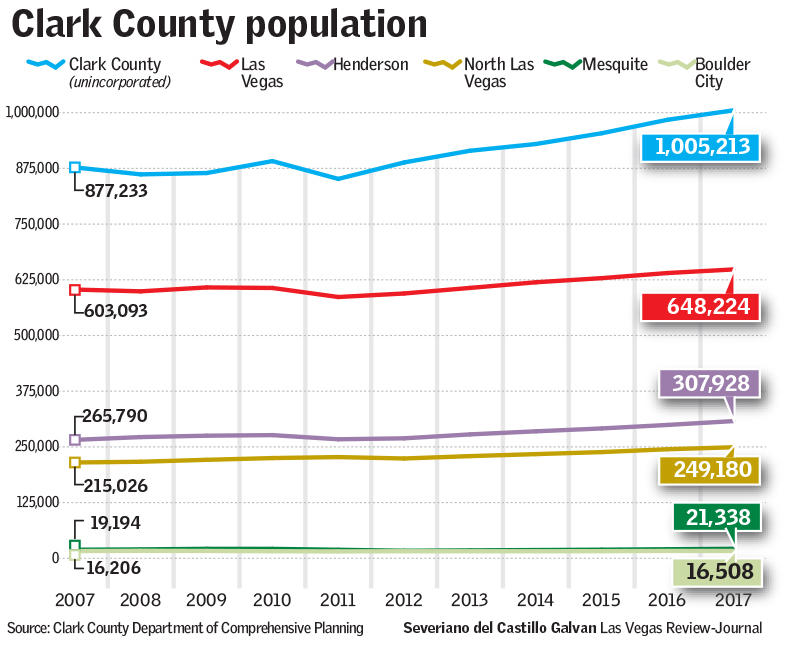
The official population figures for Las Vegas refer specifically to the incorporated city limits. According to recent estimates from the U.S. Census Bureau, the city of Las Vegas itself generally hovers around 650,000 to 700,000 residents, making it the largest city in Nevada. However, this figure alone doesn’t paint a complete picture. The true scale of the residential population is best understood by looking at the broader metropolitan area.
The Las Vegas-Henderson-Paradise Metropolitan Statistical Area (MSA), often referred to as the Las Vegas Valley, encompasses the city of Las Vegas along with surrounding incorporated cities like Henderson and North Las Vegas, as well as unincorporated areas like Paradise and Spring Valley, all within Clark County. This metropolitan area boasts a population well over 2.3 million people, establishing it as one of the fastest-growing urban centers in the United States. This substantial and continually expanding resident base requires a diverse range of accommodation options, from sprawling suburban homes in communities like Summerlin and Green Valley Ranch to urban apartments and condos, supporting a vibrant local economy distinct from the tourist-centric Strip.
The Ever-Changing Tourist Footprint
While the resident population forms the stable core of Las Vegas, it’s the transient tourist population that gives the city its international fame and drives its primary industry. Each year, tens of millions of visitors flock to Las Vegas, transforming its population dynamics daily, even hourly. Pre-pandemic, annual visitor numbers consistently exceeded 40 million, with recent recovery trends bringing those figures back close to historical highs.
This immense influx of tourists creates a unique set of demands on hotels and resorts, from the luxurious suites of the Bellagio and The Venetian Resort to the family-friendly amenities of the MGM Grand and Excalibur. The average stay for these visitors is typically a few days, but their collective presence dramatically inflates the city’s daytime population, especially along the iconic Las Vegas Strip and the revitalized Fremont Street Experience downtown. This transient population is the lifeblood of the city’s tourism sector, fueling demand for attractions, entertainment, food, and numerous activities, making travel to Las Vegas an unparalleled experience.
The Growth Story of Las Vegas: A Demographic Phenomenon
The rapid expansion of Las Vegas’s resident population is one of the most compelling demographic stories in the United States. From its humble beginnings as a railroad stop and later a gaming haven, the city has evolved into a sprawling metropolitan area, attracting people from across the globe.
Factors Driving Population Influx
Several key factors contribute to Las Vegas’s sustained population growth, making it a magnet for new residents:
- Economic Opportunity: While historically dominated by the gaming and hospitality industries, Las Vegas has actively diversified its economy. Beyond the hotels and resorts that employ a significant portion of the workforce, the city has seen growth in healthcare, technology, logistics, and professional services. This diversification provides more stable, long-term job prospects, drawing professionals and families seeking new beginnings.
- No State Income Tax: Nevada is one of a handful of states with no individual state income tax, making it an attractive destination for individuals and businesses looking to maximize their earnings. This financial incentive is a powerful draw for those relocating from high-tax states like California.
- Affordability (Relative to Other Major Cities): While housing costs have risen, Las Vegas historically offered a more affordable lifestyle compared to major coastal cities. This value proposition, combined with a lower cost of living in many aspects, attracts individuals and families seeking a better quality of life without the exorbitant price tags found elsewhere.
- Proximity to Natural Wonders: Beyond the man-made landmarks of the Strip, Las Vegas offers unparalleled access to breathtaking natural beauty. Residents enjoy easy day trips to iconic sites like the Hoover Dam, the stunning landscapes of Red Rock Canyon National Conservation Area, the vast expanse of Lake Mead, and even the majestic Grand Canyon. This blend of urban amenities and outdoor adventure significantly enhances the lifestyle appeal.
- Climate and Culture: The abundant sunshine and warm desert climate appeal to many, particularly those escaping colder regions. The city’s unique cultural blend, fueled by diverse populations moving in from neighboring states like California, Arizona, and Utah, creates a dynamic and evolving community.
Economic Diversification and Urban Sprawl
The growth of Las Vegas’s population has spurred significant economic diversification. The city is consciously moving away from a sole reliance on gaming, investing in new industries and developing a more robust, resilient economy. This shift is reflected in the urban landscape, where planned communities and commercial centers have emerged far from the traditional tourist core.
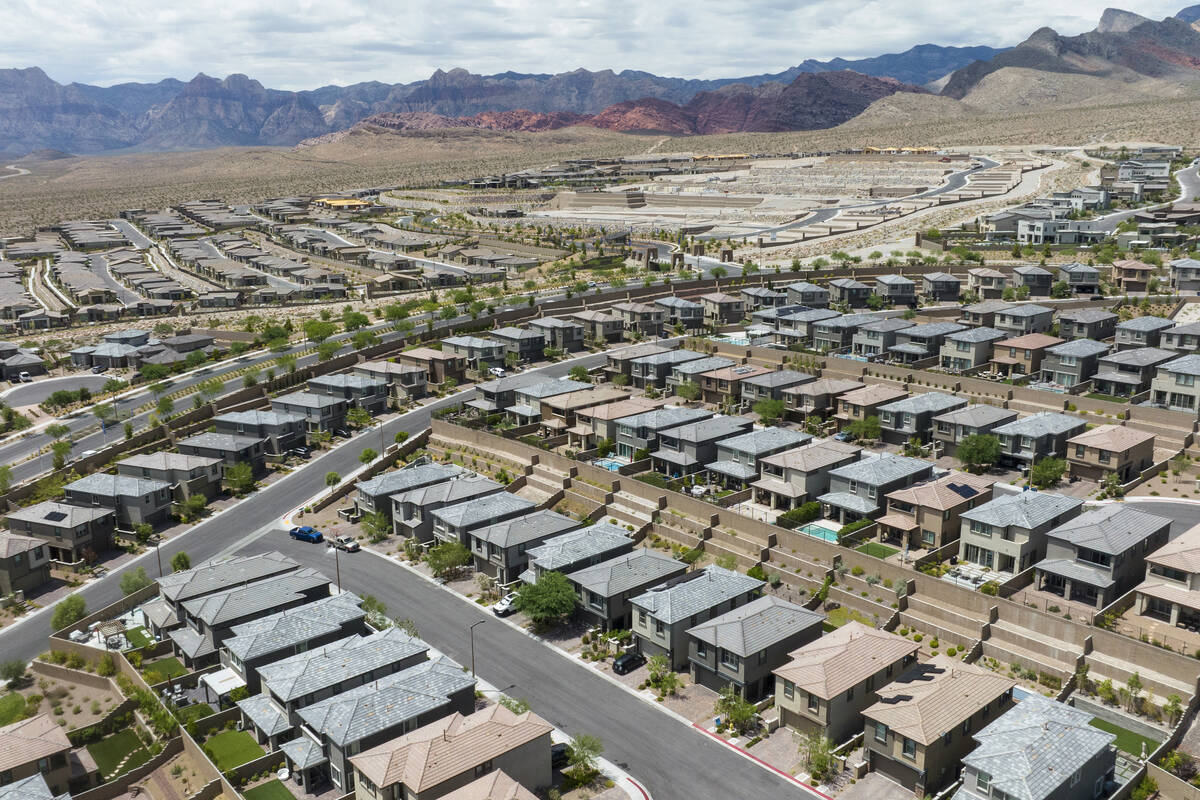
The suburban areas, particularly in Henderson and North Las Vegas, have seen explosive growth, offering a different kind of lifestyle with family-friendly parks, shopping centers, and schools. This outward expansion, while presenting challenges for infrastructure and transportation, also signifies a maturing city that caters to a broader range of residents, not just those employed directly by resorts. The city’s commitment to attracting major sports franchises, hosting large-scale conventions, and fostering a startup culture further solidifies its status as a multifaceted economic hub.
Demographics of the Entertainment Capital
The demographic profile of Las Vegas is as vibrant and diverse as its entertainment options. Far from a monolithic “tourist town,” the resident population is a rich tapestry of cultures, ages, and socio-economic backgrounds, shaping the unique local culture and lifestyle of the valley.
A Diverse Tapestry of Cultures and Lifestyles
Las Vegas’s population is notably diverse, reflecting its status as a melting pot for individuals from across the United States and the world. Hispanic/Latino residents make up a significant portion of the population, alongside growing Asian, Black, and other ethnic communities. This diversity enriches the city’s food scene, arts, and community events, offering residents a truly global experience beyond the tourist facade.
The lifestyle within Las Vegas is equally varied. While the city offers unparalleled luxury travel experiences and high-end dining, there’s also a thriving culture for budget travel within its residential areas. Families flock to communities with excellent schools and amenities, retirees find comfort in active adult communities, and young professionals are drawn to the dynamic job market and vibrant social scene. The presence of major universities like the University of Nevada, Las Vegas (UNLV) also adds a significant student population, contributing to the city’s intellectual and cultural vibrancy.
Age, Income, and Housing Trends
The age distribution in Las Vegas is broad, challenging the misconception that it’s solely a city for young party-goers. While the tourism sector naturally attracts a younger workforce, the metropolitan area also has a substantial population of middle-aged families and a growing number of retirees drawn by the climate, amenities, and relatively lower cost of living.
Income levels vary significantly, with many residents employed in the service industry, alongside a growing segment of professionals in higher-paying sectors. This mix creates a diverse economic landscape, influencing housing trends. The market for accommodation ranges from affordable apartments to luxury single-family homes and high-rise condos overlooking the Strip. The demand for diverse housing options, including long-term stay solutions, continues to grow, posing challenges for maintaining affordability amid rapid population increases. Understanding these income and housing dynamics is crucial for grasping the daily realities of life in this bustling city, far from the transient glitz of the resorts.
Population’s Impact on Tourism, Infrastructure, and Lifestyle
The interplay between Las Vegas’s resident and visitor populations is a delicate balance, profoundly influencing everything from its bustling tourism industry to its complex infrastructure and the everyday lifestyle of its inhabitants.
The Symbiotic Relationship Between Locals and Tourists
The relationship between locals and tourists in Las Vegas is inherently symbiotic. The millions of visitors annually are the primary drivers of the city’s economy, generating substantial tax revenues that fund public services, schools, and infrastructure improvements that benefit all residents. Without the constant influx of tourists seeking travel experiences, hotels, attractions, and world-class entertainment, the economic engine of Las Vegas would falter.
Conversely, the vibrant resident population is essential for supporting the vast tourism ecosystem. Locals comprise the dedicated workforce that staffs the resorts like Caesars Palace, Wynn Las Vegas, and Mandalay Bay, serves guests in its myriad restaurants, maintains its iconic landmarks such as the Stratosphere, and provides the essential services that keep the city running. Moreover, the presence of a diverse local community enriches the overall experience, contributing to a more authentic and varied local culture beyond the Strip. Residents enjoy the benefits of having unparalleled access to world-class entertainment, diverse food options, and a wide array of activities that would not exist without the tourism industry.
However, this unique relationship also presents challenges. Increased traffic congestion, strain on public resources, and the fluctuating nature of a tourism-dependent economy can impact residents’ daily lifestyle. Yet, the city actively works to balance these dynamics, fostering a sense of community for its permanent inhabitants while continuing to refine its offerings for the global traveler.
Challenges and Opportunities for Sustainable Growth
The rapid population growth, both resident and visitor, presents both significant challenges and exciting opportunities for Las Vegas.
Challenges:
- Water Resources: Situated in a desert environment, water conservation is paramount. The city’s reliance on the Colorado River and Lake Mead necessitates stringent conservation efforts and innovative water management strategies to support a growing population.
- Infrastructure Strain: Rapid expansion puts pressure on existing infrastructure, including roads, public transportation, and utilities. Managing traffic congestion and ensuring efficient public services are ongoing priorities.
- Housing Affordability: As demand increases, housing costs can rise, posing challenges for residents, particularly those in lower-wage service industries. Ensuring diverse and affordable accommodation options remains a crucial planning goal.
- Public Services: Expanding schools, healthcare facilities, and public safety services to keep pace with population growth is a constant undertaking.
Opportunities:
- Continued Economic Diversification: The push to attract more tech companies, healthcare facilities, and manufacturing industries helps create a more stable job market less susceptible to the cyclical nature of tourism.
- Smart Urban Planning: Investment in sustainable development, mixed-use communities, and enhanced public transit systems can mitigate the challenges of urban sprawl and improve the quality of life for residents.
- Sustainable Tourism: Implementing eco-friendly practices in hotels and resorts, promoting responsible travel, and investing in green initiatives can ensure Las Vegas remains a leading tourism destination for generations to come.
- Cultural Enrichment: A diverse and growing resident population fosters a rich local culture, expanding beyond the Strip to offer a wider array of arts, food, and community experiences for both locals and discerning travelers.
In conclusion, the population of Las Vegas is a multifaceted narrative. It is defined not just by its hundreds of thousands of permanent residents but also by the tens of millions of visitors who flock to its vibrant streets each year. This unique duality shapes its economy, its infrastructure, and its distinctive lifestyle. As Las Vegas continues to evolve, understanding these demographic currents will be key to its sustainable growth as a global hub for travel, tourism, and a thriving community.
LifeOutOfTheBox is a participant in the Amazon Services LLC Associates Program, an affiliate advertising program designed to provide a means for sites to earn advertising fees by advertising and linking to Amazon.com. Amazon, the Amazon logo, AmazonSupply, and the AmazonSupply logo are trademarks of Amazon.com, Inc. or its affiliates. As an Amazon Associate we earn affiliate commissions from qualifying purchases.