
Embarking on a journey to the Lone Star State promises an unforgettable array of experiences, from the vibrant urban landscapes of Houston and Dallas to the historic charm of San Antonio and the live music capital of Austin. Texas is a land of vast open spaces, rich cultural heritage, and a culinary scene that could rival any global destination. Whether you’re here for a luxury travel escape, a budget-friendly adventure, a family trip exploring landmarks, or a business stay, understanding local laws is paramount to ensuring your trip remains smooth and enjoyable. Among the most crucial regulations for anyone planning to drive, whether in their own vehicle or a rental, are those pertaining to alcohol consumption and driving.
As a premier resource for travel, tourism, and accommodation insights, we understand that responsible travel encompasses not just booking the best hotels or finding top attractions, but also respecting and abiding by the laws of your host location. This guide delves into the legal alcohol limits in Texas, exploring the nuances of Driving While Intoxicated (DWI) laws and providing essential tips to keep your lifestyle of exploration free from legal entanglements. Knowing these limits is not just a matter of compliance; it’s about safeguarding your freedom, your finances, and your ability to fully immerse yourself in the incredible experiences Texas has to offer.
Understanding Texas DWI Laws for Travelers
Navigating the legal landscape of a new state or country can be daunting, but understanding the core principles of Texas’s DWI laws is straightforward and incredibly important for every traveler. These laws are designed to protect everyone on the road, from local residents enjoying a night out to tourists exploring the state’s iconic routes. For visitors, a lack of awareness is rarely an excuse, and the consequences of a DWI can swiftly turn a dream vacation into a nightmare.
The Standard BAC Limit: 0.08% for Most Drivers
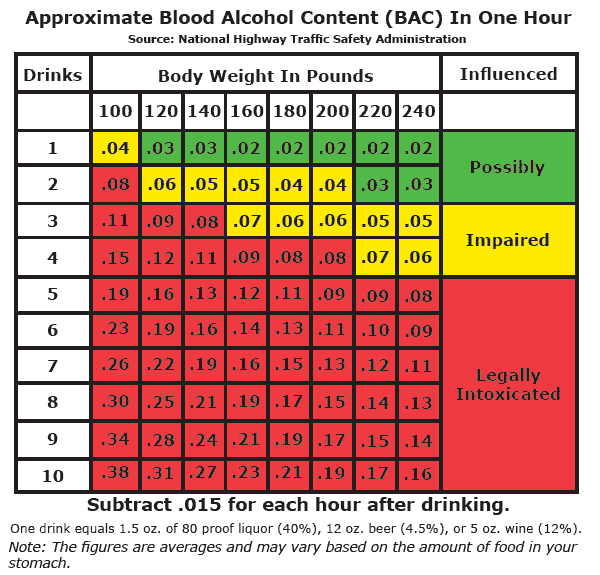
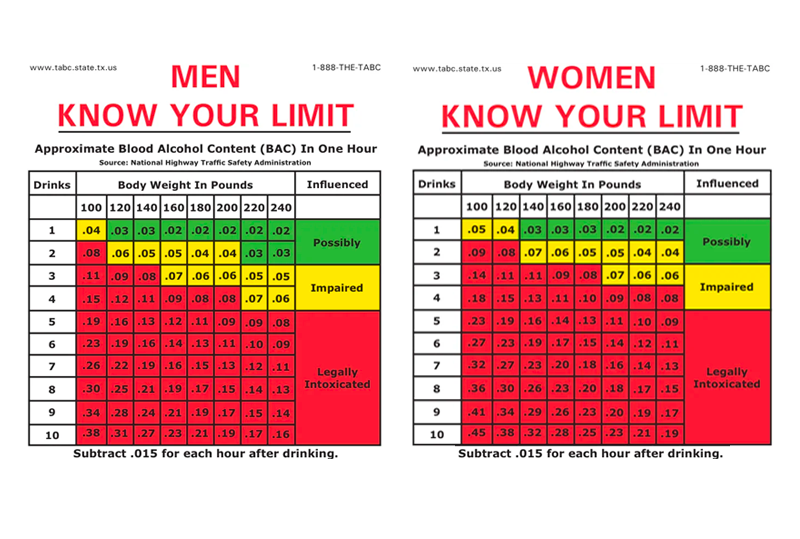
The cornerstone of DWI enforcement in Texas, consistent with most states in the United States, is the Blood Alcohol Content (BAC) limit. For most drivers aged 21 and over, the legal limit is 0.08% BAC. This means that if you are pulled over and a chemical test (breath, blood, or urine) indicates your BAC is at or above 0.08%, you can be arrested and charged with DWI, regardless of whether you feel impaired or not.
It’s critical to understand what 0.08% BAC truly means. It’s not a fixed number of drinks, as individual tolerance varies widely based on factors like weight, gender, metabolism, the type of alcohol consumed, and even recent food intake. What might be two drinks for one person could push another over the limit. Many travelers arrive in Texas ready to savor its renowned BBQ, Tex-Mex, and local craft beers or spirits. While enjoying these culinary delights, it’s easy to misjudge your own BAC. The key takeaway is: if you plan to drink alcohol, it’s always safest to not drive at all.
This standard limit applies to casual drivers, whether they are tourists renting a car to explore the Big Bend National Park or business travelers commuting between meetings in Dallas and Fort Worth. The enforcement is strict, and law enforcement agencies across Texas are well-equipped and trained to identify and apprehend impaired drivers. Whether you’re cruising through the Hill Country or navigating the bustling streets of Houston, the 0.08% rule is consistently applied.
Special Considerations: Commercial Drivers and Minors
While the 0.08% BAC limit is the most widely known, Texas law includes stricter thresholds for certain groups, reflecting a higher standard of responsibility.
- Commercial Drivers (CDL Holders): For individuals operating commercial vehicles, such as long-haul truckers, bus drivers, or those transporting hazardous materials, the legal BAC limit is significantly lower at 0.04%. This stricter limit acknowledges the increased danger posed by large vehicles and the professional responsibility these drivers carry. If you are visiting Texas for business and hold a Commercial Driver’s License (CDL), even if driving a personal vehicle, you must be acutely aware of this lower limit. A DWI conviction could jeopardize your professional license and livelihood far beyond the borders of Texas.
- Drivers Under 21 (Minors): Texas operates under a Zero Tolerance Policy for drivers under the age of 21. This means that if you are under 21, it is illegal to operate a motor vehicle with any detectable amount of alcohol in your system. A BAC of 0.00% is the de facto standard. Even a very small amount of alcohol, which wouldn’t register as impaired for an adult, can lead to charges for a minor. This law is strictly enforced to deter underage drinking and driving. For young travelers or students visiting for spring break in places like South Padre Island, understanding this zero-tolerance rule is absolutely vital to avoid serious legal trouble.
These special provisions highlight Texas’s commitment to road safety for all demographics and vehicle types. Regardless of your age or license type, the overarching message is clear: if you drink, do not drive.
Implied Consent Law: What Every Driver Should Know
An essential component of Texas’s DWI laws, and one that often surprises out-of-state visitors, is the Implied Consent Law. By simply operating a motor vehicle on a public road in Texas, you are considered to have given your implied consent to a chemical test (breath or blood) if you are lawfully arrested for DWI.
What does this mean in practice? If a law enforcement officer has probable cause to believe you are driving while intoxicated and subsequently arrests you, they will request a breath or blood test to determine your BAC. If you refuse to take this test, your driver’s license (or your driving privileges in Texas, if you’re from out of state) will be automatically suspended. This suspension is administrative and separate from any criminal proceedings for the DWI charge itself. The period of suspension for refusal can be longer than for a DWI conviction where a test was taken.
While you can refuse a roadside sobriety test, refusing a chemical test after arrest carries immediate and significant consequences. It’s a critical piece of information for any driver, whether resident or tourist, because it affects your ability to legally drive in Texas even if you are ultimately found not guilty of DWI. Always be polite and cooperative with law enforcement, but also be aware of your rights and the implications of the Implied Consent Law.
The Ramifications: Why It Matters for Your Texas Experience
A DWI conviction in Texas is far more than just a minor inconvenience; it can derail your travel plans, impose severe financial burdens, and have lasting impacts on your personal and professional life. For a website dedicated to enabling seamless travel and enjoyable lifestyle choices, highlighting these ramifications is crucial. A single mistake can overshadow all the wonderful experiences Texas has to offer.
Legal Consequences: Fines, Jail Time, License Suspension
The legal penalties for a DWI in Texas are steep, even for a first offense. These are designed to be deterrents and reflect the seriousness with which the state views impaired driving.
-
First Offense (Class B Misdemeanor):
- Fines: Up to $2,000. This is just the base fine; court costs, surcharges, and other fees can push this much higher.
- Jail Time: 3 to 180 days in county jail. While judges often offer probation for first offenders, incarceration is a possibility.
- License Suspension: Up to 1 year. This means you could be unable to drive for the remainder of your trip and for an extended period upon returning home.
- Annual Surcharge: An additional $3,000 to $6,000 over three years to retain your license.
- DWI Education Programs: Mandatory attendance at state-approved courses.
- Ignition Interlock Device (IID): A judge may require an IID to be installed on your vehicle, at your expense, for a specified period.
-
Second Offense (Class A Misdemeanor):
- Fines: Up to $4,000.
- Jail Time: 30 days to 1 year.
- License Suspension: 180 days to 2 years.
- Increased surcharges and stricter conditions.
-
Third or Subsequent Offense (Third-Degree Felony):
- Fines: Up to $10,000.
- Prison Time: 2 to 10 years in a state prison.
- License Suspension: 180 days to 2 years.
These consequences escalate further if there are aggravating factors, such as having an open container, having a BAC of 0.15% or higher, or if a child passenger (under 15) was in the vehicle, which can elevate the charge to a felony even on a first offense. Imagine planning a dream resort stay on the Gulf Coast only to find yourself facing jail time and crippling fines, effectively ending your vacation prematurely and costing thousands.
Financial Impact: Beyond the Fines
The listed fines are just the tip of the iceberg when it comes to the financial fallout of a DWI. The total cost can quickly spiral into the tens of thousands of dollars, profoundly impacting your travel budget and overall financial stability.
- Attorney Fees: Hiring a qualified DWI attorney in Texas is almost always necessary to navigate the complex legal system. These fees can range from several thousands to well over $10,000, depending on the complexity of the case.
- Court Costs and Administrative Fees: Beyond the base fine, there are numerous court-related fees, probation fees, and administrative charges levied by the Department of Public Safety (DPS) for license reinstatement.
- Increased Insurance Premiums: A DWI conviction will cause your car insurance rates to skyrocket, often doubling or tripling for several years. Some insurance companies may even refuse to cover you.
- Vehicle Impoundment and Towing: Your vehicle will likely be towed and impounded, incurring additional towing and storage fees that must be paid before you can retrieve it.
- Ignition Interlock Device (IID) Costs: If mandated, you are responsible for the installation, monthly rental, and calibration fees of an IID, which can easily add up to $100-$200 per month.
- Lost Wages: Time spent in court, jail, or attending mandatory classes means time away from work, resulting in lost income.
For travelers, these financial burdens can mean cancelling future trips, dipping into savings meant for other lifestyle pursuits, or even delaying major life goals.
Personal and Travel Impact: Long-Term Consequences
Beyond the immediate legal and financial repercussions, a DWI conviction can cast a long shadow over your personal life and future travel aspirations.
- Travel Restrictions: A criminal record, even a misdemeanor, can impact your ability to enter certain countries. For instance, Canada and Mexico (and many other nations) have strict policies regarding visitors with criminal convictions, potentially denying entry. This could severely limit future international travel plans, a significant blow for anyone with a passion for global destinations.
- Employment Opportunities: Many employers conduct background checks, and a DWI conviction can make it difficult to secure new employment, especially in roles requiring driving or a high level of trust. Certain professional licenses (e.g., medical, legal, financial) may also be jeopardized.
- Reputation and Social Stigma: A DWI can damage your personal reputation and cause significant stress and embarrassment, affecting relationships and overall well-being.
- Impact on Family: A DWI impacts not just the individual but also their family, causing worry, financial strain, and disruption to family life and travel plans. Imagine a family trip cut short or even ruined because one member made a poor decision.
The long-term effects underscore why knowing and adhering to Texas’s alcohol laws is not just a recommendation but an absolute necessity for anyone seeking an unblemished and enjoyable travel experience.
Navigating Texas Responsibly: Tips for a Safe and Enjoyable Trip
Texas offers an incredible array of attractions and experiences, from its vibrant nightlife and culinary scene to its stunning natural landmarks. Enjoying these without risking legal issues requires proactive planning and responsible choices, especially when alcohol is involved.
Planning Your Night Out: Alternatives to Driving
The safest and most straightforward advice is always: if you drink, do not drive. Fortunately, major Texas cities are well-equipped with alternatives to ensure you can enjoy your evening responsibly.
- Designated Driver: If traveling with a group, designating a sober driver is an excellent solution. This person can enjoy non-alcoholic beverages while others partake, ensuring everyone gets home safely. Many establishments offer free non-alcoholic drinks to designated drivers as an incentive.
- Ride-Sharing Services: Uber and Lyft operate extensively in major metropolitan areas like Houston, Dallas, Austin, and San Antonio. These services are readily available, relatively affordable, and convenient. Simply download the app, request a ride, and a driver will pick you up and take you to your hotel or next destination.
- Taxis: Traditional taxi services are also an option, particularly around airports and major hotel districts.
- Public Transportation: While not as extensive as in some other major United States cities, Houston has METRORail, Dallas has DART, and Austin has Capital Metro. These systems can be effective for navigating within certain urban cores, especially when visiting popular nightlife districts like Deep Ellum in Dallas, Sixth Street in Austin, or West 7th Street in Fort Worth. Check routes and schedules in advance.
- Walking: If you’re staying in a centrally located hotel or accommodation within walking distance of restaurants, bars, or attractions, consider leaving the car parked. This also offers a chance to experience the local atmosphere up close, whether it’s the San Antonio Riverwalk or the historic streets of Galveston.
Plan your evening before you even take your first sip. Decide how you’ll get home safely and stick to that plan.
Knowing Your Limits and Staying Hydrated
While avoiding driving after drinking is the golden rule, understanding your own body’s response to alcohol is also part of responsible enjoyment.
- Pace Yourself: Avoid consuming large amounts of alcohol quickly. Spread out your drinks over time, allowing your body to process the alcohol.
- Eat Food: Never drink on an empty stomach. Eating food before and during alcohol consumption can slow the absorption of alcohol into your bloodstream. Texas’s fantastic food scene provides ample opportunity for this!
- Stay Hydrated: Alternate alcoholic beverages with water or other non-alcoholic drinks. Dehydration can exacerbate the effects of alcohol and contribute to feeling impaired.
- Be Aware of Drink Strength: Not all alcoholic beverages are created equal. Craft beers, cocktails, and certain wines can have higher alcohol content than standard drinks. Be mindful of what you’re consuming.
- Don’t Rely on “Sobering Up” Myths: Coffee, cold showers, or fresh air do not reduce your BAC. Only time can metabolize alcohol from your system.
By being mindful of these factors, you can enjoy the social aspects of Texas culture without overindulging or unknowingly putting yourself at risk.
Where to Enjoy Texas’s Hospitality Safely
Texas abounds with incredible places to enjoy its vibrant culture, often including alcoholic beverages responsibly.
- Hotel Bars and Restaurants: Many Texas hotels and resorts feature excellent on-site bars and restaurants. Staying within your accommodation allows you to enjoy drinks without the need to drive, offering convenience and safety. Luxury suites often come with exquisite amenities that make staying in a delightful option.
- Downtown Entertainment Districts: Cities like Austin (Sixth Street, Rainey Street), Dallas (Deep Ellum, Uptown), Houston (Midtown, Washington Avenue), and San Antonio (Riverwalk) offer concentrated areas of bars, restaurants, and music venues. Planning to visit these areas and using ride-sharing services makes for a safe and enjoyable evening.
- Wineries and Breweries: The Texas Hill Country boasts a growing wine region, and craft breweries are popping up across the state. Many offer tasting rooms and tours. When visiting, consider booking a guided tour that includes transportation, or arrange for a designated driver.
- Sporting Events and Concerts: Catching a game or a concert is a quintessential Texas experience. Stadiums and arenas often have excellent public transport access or designated pick-up/drop-off zones for ride-shares.
By consciously choosing where and how you consume alcohol, you can fully embrace the hospitality and excitement of Texas without endangering yourself or others.
Texas’s Allure: Beyond the Nightlife
While enjoying a local beverage is part of many travel experiences, it’s important to remember that the true essence of Texas extends far beyond its nightlife. The state is a treasure trove of cultural, historical, and natural attractions that can be savored soberly and safely.
Consider a visit to the iconic Alamo in San Antonio, where you can delve deep into the rich history of the state. Explore the vibrant Dallas Arts District, home to world-class museums and performance venues. In Houston, immerse yourself in space exploration at Space Center Houston or wander through the expansive Museum District. For nature lovers, hiking the stunning trails of Guadalupe Mountains National Park or enjoying the sun-drenched beaches of South Padre Island offers unforgettable moments.
These experiences require no alcohol to enhance them. They provide profound cultural insights, breathtaking natural beauty, and thrilling adventures that cater to every type of traveler. From luxury resorts offering spa treatments to budget-friendly accommodations near hiking trails, Texas delivers diverse lifestyle options for every visitor.
Many major transportation hubs, such as George Bush Intercontinental Airport in Houston and Dallas/Fort Worth International Airport, serve as gateways to these incredible regions, making access convenient for both domestic and international tourism. Embrace the full spectrum of Texas culture and attractions with a clear mind, ensuring your memories are not only vivid but also untainted by legal complications.
In conclusion, understanding and respecting the legal alcohol limits in Texas is not merely about avoiding trouble; it’s about empowering yourself to have the best possible travel experience. By planning ahead, making responsible choices, and leveraging the many safe transportation options available, you can ensure your journey through the Lone Star State is filled with positive memories, incredible sights, and the peace of mind that comes from being a responsible and informed traveler. Enjoy all that Texas has to offer, safely and spectacularly!
LifeOutOfTheBox is a participant in the Amazon Services LLC Associates Program, an affiliate advertising program designed to provide a means for sites to earn advertising fees by advertising and linking to Amazon.com. Amazon, the Amazon logo, AmazonSupply, and the AmazonSupply logo are trademarks of Amazon.com, Inc. or its affiliates. As an Amazon Associate we earn affiliate commissions from qualifying purchases.