
California, a land of sun-drenched beaches, iconic landmarks, and vibrant cities, draws millions of visitors each year, from globe-trotting adventurers exploring the Pacific Coast Highway to families enjoying the magic of Disneyland. Whether you’re embarking on an epic United States road trip, relocating for work, or simply enjoying the lifestyle that the Golden State offers, understanding local driving regulations is paramount to a seamless experience. Among these, car window tinting laws are frequently overlooked but can lead to significant inconvenience and penalties. For travelers, especially those planning to rent a vehicle or drive their own car across state lines, knowing what constitutes legal tint in California isn’t just about avoiding a ticket; it’s about ensuring safety, maintaining visibility, and respecting the state’s legislative framework.
Window tint serves multiple purposes: it offers privacy, reduces glare from the intense California sun, helps keep car interiors cooler (a welcome relief when driving through regions like Death Valley or the inland empire around Riverside), and adds a certain aesthetic appeal to a vehicle. For luxury travelers, tinted windows might be expected for discretion; for families, they offer crucial protection for children from harmful UV rays during long drives to destinations like Lake Tahoe or Yosemite National Park. However, the desire for comfort and style must always align with the law. This comprehensive guide will navigate the intricacies of California’s window tinting regulations, providing essential information for anyone planning to drive in this dynamic state. From understanding Visible Light Transmittance (VLT) percentages to navigating medical exemptions and avoiding common pitfalls, we’ll ensure your journey through California remains as smooth and enjoyable as the open road itself.
Decoding California’s Tint Laws: A Traveler’s Essential Guide
Understanding the specific regulations governing window tint in California is the first step towards ensuring compliance. These laws are designed with public safety in mind, balancing driver visibility, passenger privacy, and the ability of law enforcement to interact safely with vehicle occupants. For visitors traversing cities like Los Angeles, San Francisco, or San Diego, or exploring the vast landscapes between, these rules are non-negotiable.
Understanding Visible Light Transmittance (VLT) and Key Regulations
The core of window tinting law revolves around Visible Light Transmittance, or VLT. This percentage indicates how much visible light can pass through the window. A higher VLT percentage means more light passes through, resulting in a lighter tint, while a lower VLT percentage means less light passes through, resulting in a darker tint. California law mandates specific VLT percentages for different windows on a vehicle.
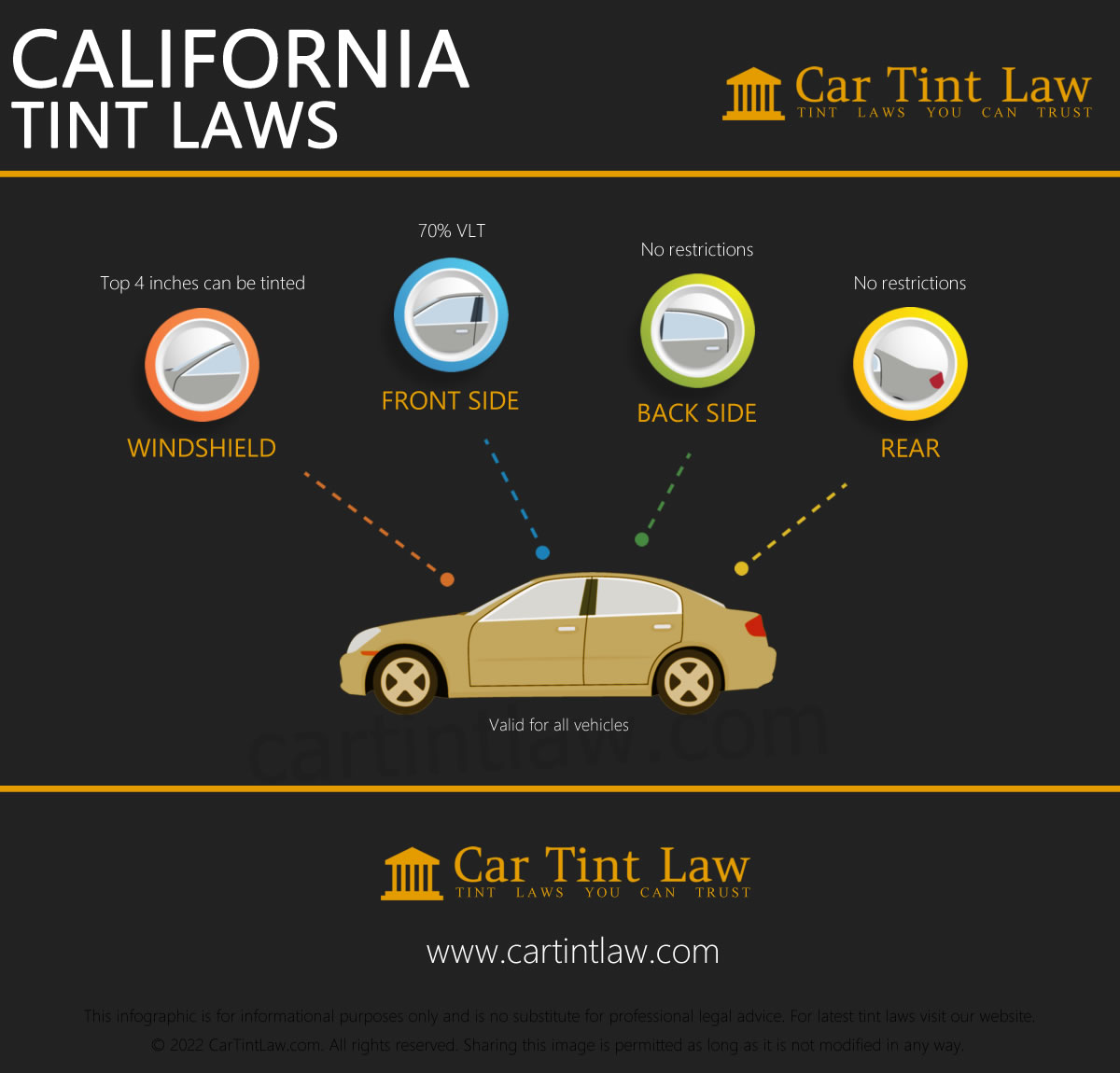
- Windshield: The most critical window for driver visibility has the strictest rules. Non-reflective tint is permitted only on the top 4 inches of the windshield. This small strip helps reduce sun glare without impeding the driver’s view of the road, traffic signals, or other vehicles. Any tint below this 4-inch line is illegal, regardless of its VLT percentage.
- Front Side Windows: These are the windows directly to the left and right of the driver. For these windows, the law requires a VLT of at least 70%. This means that the tint film, combined with the factory tint of the glass itself, must allow 70% or more of visible light to pass through. The reason for this strict regulation is multifaceted: it ensures the driver has clear side visibility for lane changes and turning, and it allows law enforcement officers to clearly see the driver and occupants during a traffic stop, which is a crucial safety measure for both parties. This 70% VLT rule often surprises visitors from states or countries like Mexico or Canada where front window tint laws might be more lenient.
- Rear Side Windows: The windows behind the driver and front passenger, along with any other side windows further back, have much more flexible regulations. For these windows, any darkness of tint is generally allowed. This provides greater privacy for passengers and can be particularly beneficial for families traveling with children, offering increased sun protection and a sense of seclusion. Whether you’re checking into a Grand Hyatt Hotel or a cozy vacation rental, having darker rear windows can enhance comfort.
- Rear Window: Similar to the rear side windows, the rear window can also have any darkness of tint, provided the vehicle is equipped with working side mirrors on both the left and right sides. These mirrors compensate for any reduced visibility through a darkly tinted rear window, ensuring the driver still has an adequate view of vehicles behind them.
- Reflective or Metallic Tint: California also has strict rules regarding the type of tint material used. Reflective, mirrored, or metallic tints are generally prohibited on any windows. These types of tints can create glare for other drivers, posing a safety hazard. The film must not be reflective enough to reflect more than 20% of the light. Furthermore, red, amber, or blue tint colors are explicitly illegal. The tint must not be peeling, bubbling, or otherwise damaged, as this can obstruct visibility and be considered a violation.
Special Considerations for Different Vehicles and Situations
While the general rules apply to most passenger vehicles, certain situations and vehicle types have additional nuances that travelers and residents should be aware of.
- Commercial Vehicles and Limousines: Vehicles used for commercial purposes, such as limousines, taxis, and shuttle services operating in popular tourist hubs like Anaheim or San Jose, often have different tinting allowances for rear windows, especially if there’s a partition separating the driver from the passenger compartment. These vehicles might be permitted to have darker tint on passenger windows to enhance privacy and comfort for clients, aligning with the luxury lifestyle services they provide. However, the front window regulations for the driver remain unchanged.
- Medical Exemptions: California law provides for medical exemptions in specific circumstances. Individuals with a medical condition that makes them unusually sensitive to sunlight (e.g., lupus, severe photosensitivity) may be allowed to have darker tint on their windows, including the front side windows, than typically permitted. To qualify for such an exemption, a doctor’s note or a certificate from a licensed physician must be obtained and carried in the vehicle at all times. This documentation must clearly state the medical necessity for the darker tint. It’s crucial that this process is followed precisely, as a verbal claim without proper paperwork will not suffice during a traffic stop.
- Out-of-State Vehicles: This is a common concern for travelers entering California from neighboring states like Nevada or Arizona where tint laws might be more relaxed. While there can be some discretion exercised by law enforcement for vehicles temporarily passing through, generally, once a vehicle is being driven on California roads, it is expected to comply with California Vehicle Code. If you’re planning a long-term stay, perhaps for an extended family trip or a business assignment, and your vehicle has non-compliant tint, it’s advisable to have it removed or replaced to meet California standards. Ignorance of the law is not considered a valid defense.
The ‘Why’ Behind the Tint: Safety, Comfort, and Travel Lifestyle
The rules around window tinting in California are not arbitrary. They are carefully crafted to balance various factors, directly impacting the safety, comfort, and overall travel experience for residents and visitors alike. Understanding the rationale behind these laws can help travelers appreciate their importance beyond mere compliance.
Enhancing Your California Road Trip Experience Responsibly
For many, a quintessential California experience involves a road trip, whether it’s cruising down the scenic Pacific Coast Highway, exploring wine country in Napa Valley, or driving through the desert landscapes near Palm Springs. Legal window tint can significantly enhance this experience.
- Sun Protection and Heat Reduction: California is renowned for its abundant sunshine, which, while beautiful, can lead to intense heat inside vehicles and harmful UV exposure. Legal window tint acts as a barrier, blocking a substantial amount of UV radiation and infrared heat. This is especially beneficial for young children or elderly passengers during long drives. Reduced heat means less reliance on air conditioning, potentially improving fuel efficiency – a small but welcome benefit for budget travelers. Imagine driving through Bakersfield or Fresno in the summer heat; a compliant tint makes a noticeable difference.
- Privacy and Security: For those carrying valuables, or individuals seeking a higher degree of privacy, especially when checking into luxury accommodation in areas like Beverly Hills or Santa Monica, darker rear window tint offers an added layer of discretion. This can deter opportunistic thieves from peering into your vehicle, enhancing security for your belongings, whether it’s luggage, electronics, or personal items. For families on vacation visiting attractions like Universal Studios Hollywood or Knott’s Berry Farm, it can provide a more private and calm environment for children.
- Glare Reduction: The sun’s glare, particularly during sunrise and sunset, can be blinding and dangerous. Legal window tint, especially the approved strip on the top of the windshield, significantly reduces this glare, improving driver comfort and safety. This is particularly important when navigating busy city streets in Oakland or Long Beach, or winding mountain roads.
- Aesthetics and Lifestyle: For many car enthusiasts, window tint is a key part of their vehicle’s aesthetic. While California laws are stricter than some, it’s still possible to achieve a stylish look within legal limits, particularly for rear windows. This allows individuals to personalize their vehicles while remaining compliant, reflecting a certain lifestyle choice without infringing on safety regulations.
Avoiding Pitfalls: Penalties and Enforcement for Travelers
Failing to comply with California’s tint laws can quickly turn an enjoyable trip into a frustrating experience. Law enforcement in cities like Sacramento, San Jose, and Santa Ana are generally vigilant about enforcing Vehicle Code violations, including illegal window tint.
- Consequences of Non-Compliance: The typical penalty for illegal window tint is a “fix-it ticket” or a “correctable violation.” This means you’ll be issued a fine and given a period to have the illegal tint removed or replaced, after which you must provide proof of correction to the court or DMV. While the initial fine might not be exorbitant, the inconvenience and additional costs of removing the tint can quickly add up, especially for travelers who are far from home or are operating a rental vehicle. Repeated offenses, or failure to correct the violation, can lead to higher fines and more severe legal consequences.
- Rental Cars: Most reputable car rental companies in California, whether from major airports like Los Angeles International Airport or local branches, will provide vehicles that comply with state laws, including tint regulations. This means their cars will typically have either no front window tint or a factory-installed tint that meets the 70% VLT requirement. However, if you opt for a specialty rental, a custom vehicle, or a private peer-to-peer rental, it is crucial to verify the tint compliance yourself before driving off. It is ultimately the driver’s responsibility to ensure the vehicle they operate adheres to local laws.
- Traffic Stops and Officer Safety: A primary reason for strict front window tint laws is officer safety during traffic stops. When a law enforcement officer approaches a vehicle, clear visibility into the cabin allows them to assess the situation and ensure their safety. Heavily tinted front windows can obscure the officer’s view, leading to increased caution and potentially prolonged stops. This is a critical point for any driver to remember, as cooperation and clear visibility can de-escalate potential tensions.
- Insurance Implications: While illegal tint is unlikely to directly void your insurance, it could be a factor in certain situations. For instance, if an accident occurs and lack of visibility due to illegal tint is deemed a contributing factor, it might complicate claims or be used against you. It’s always best to err on the side of caution and ensure your vehicle is fully compliant.
Practical Tips for Navigating Tint Laws in the Golden State
For a stress-free travel experience across California, proactive planning and an understanding of how to handle specific situations are key. These practical tips are especially useful for visitors and those considering making the Golden State their temporary home.
Before You Go: Planning Your Journey and Vehicle Choices
Preparation is paramount, whether you’re embarking on a short trip to Orange County or a cross-country adventure culminating in California.
- Check Your Vehicle’s Current Tint: If you’re driving your own car into California, especially from another state, take the time to measure your current window tint’s VLT. Many auto accessories stores or tint shops offer free VLT testing. If your front side windows are darker than 70% VLT, consider having the non-compliant film removed before entering the state. While often less expensive in Mexico or parts of the United States with different laws, this could save you hassle in California.
- Renting a Car in California: When picking up a rental car from major hubs like San Francisco International Airport or San Diego International Airport, rest assured that the vehicles will almost certainly meet California’s tint regulations. However, always do a quick visual check. If you notice unusually dark tint on the front windows of a standard rental, it’s worth asking the rental agency for clarification or a different vehicle, just to be on the safe side.
- Professional Installation and Compliance Certificates: If you decide to have tint installed on your vehicle within California, choose a reputable shop that is knowledgeable about state laws. They should be able to provide you with tint films that are compliant and may even offer a certification of compliance. Always ask for this, as it can be helpful if you ever need to demonstrate legality. Reputable installers use professional-grade films that are durable and designed to meet VLT standards without issues like bubbling or peeling, ensuring both aesthetic appeal and legal adherence.
- Understanding Medical Exemptions: If you or a passenger requires darker tint due to a medical condition, ensure you go through the official channels to obtain the necessary doctor’s note or certificate. This document must be kept in the vehicle at all times, readily available for presentation to law enforcement. This ensures that your travel around California, from the historic sites of Sacramento to the vibrant streets of Irvine, can continue comfortably and legally.
On the Road: What to Do if Stopped
Even with the best preparation, unforeseen circumstances can arise. Knowing how to react if pulled over for a tint-related issue can help mitigate stress and ensure a smoother interaction with law enforcement.
- Roll Windows Down: If you anticipate that your tint might be questioned, or even as a general practice during a traffic stop, it’s often advisable to roll down your front side windows before the officer approaches your vehicle. This immediately demonstrates cooperation and provides the officer with clear visibility into your vehicle, addressing one of their primary safety concerns. This simple gesture can make a significant positive impression.
- Polite Communication: Always be polite and cooperative with law enforcement officers. If asked about your tint, explain your situation calmly. If you have a medical exemption, present your documentation clearly. Avoid arguing or becoming defensive, as this can escalate the situation unnecessarily.
- Rectifying the Issue: If you receive a fix-it ticket, address it promptly. This typically involves having the illegal tint removed or replaced at a certified shop. Once corrected, you’ll need to get the citation signed off by a law enforcement officer or present proof of correction as instructed on your ticket. Delays in addressing a fix-it ticket can lead to additional fines and complications. For travelers, this might mean finding a tint shop in a major city like Oakland or Long Beach before proceeding with their journey.
In conclusion, navigating the sun-drenched roads of California is an incredible experience, offering everything from the urban charm of San Francisco with its iconic Golden Gate Bridge to the natural beauty of Big Sur. By understanding and adhering to the state’s window tinting laws, you ensure not only your legal compliance but also contribute to the safety of everyone on the road. Whether you’re planning a luxurious stay at a Beverly Wilshire, A Four Seasons Hotel or an adventurous camping trip, being informed about vehicle regulations is a crucial part of responsible travel. Prioritize safety, respect the law, and enjoy all the wonders the Golden State has to offer, without the added worry of a traffic violation.