
The sprawling metropolis of Los Angeles is a mosaic of distinct neighborhoods, each with its own character, allure, and, of course, its own set of postal codes. Understanding the Los Angeles zip code system is more than just a matter of mail delivery; it’s a key to unlocking the city’s diverse geography, understanding its various communities, and navigating its vast urban landscape. From the glittering shores of Santa Monica to the historic heart of Downtown, and from the entertainment hubs of Hollywood to the affluent enclaves of Beverly Hills, each zip code represents a unique facet of this iconic Californian city.
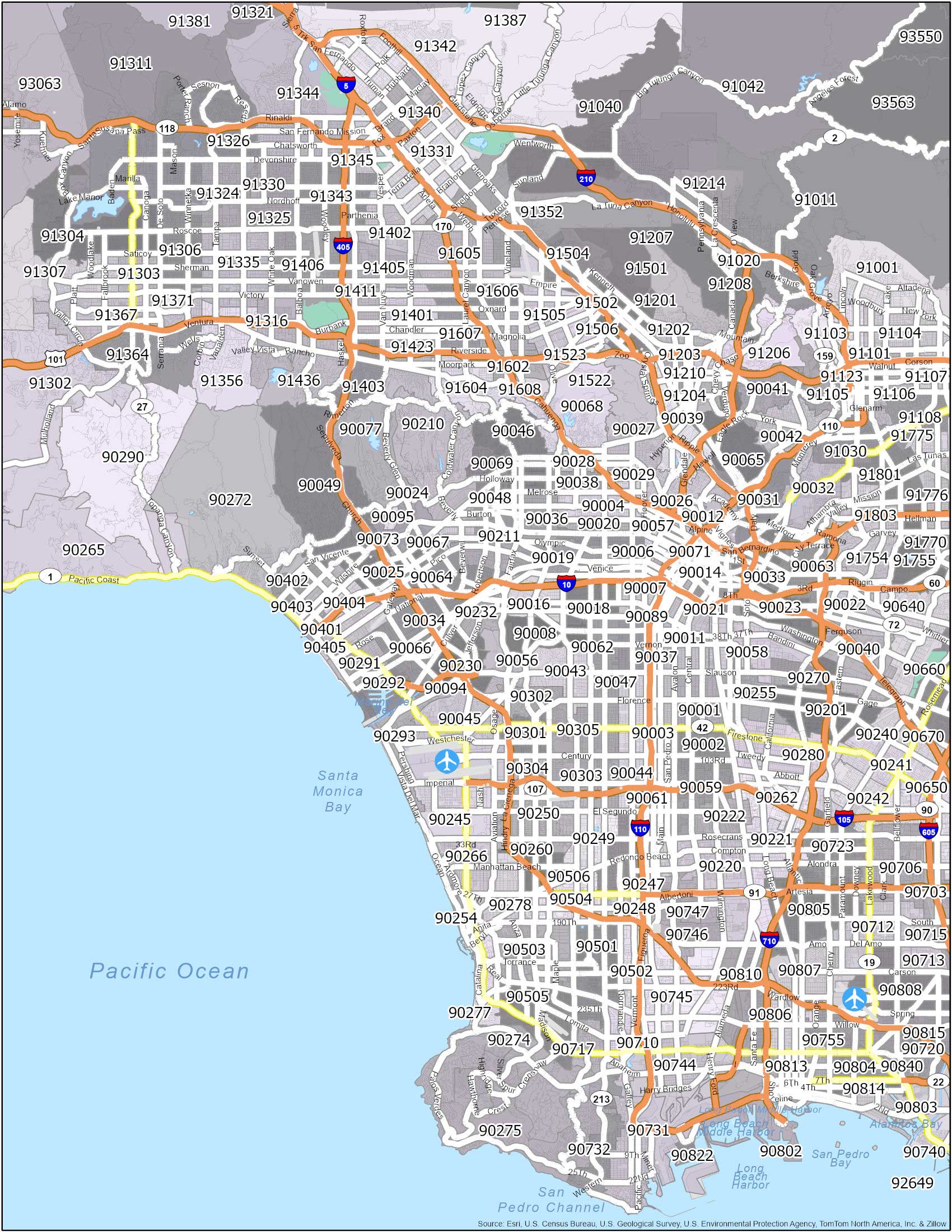
Decoding the Los Angeles Zip Code System
The United States Postal Service (USPS) assigns zip codes to facilitate efficient mail sorting and delivery. In a city as expansive and populous as Los Angeles, the zip code system becomes an intricate mapping tool, dividing the urban sprawl into manageable postal zones. These codes are not arbitrary; they often reflect historical boundaries, geographical features, or administrative divisions. For residents, businesses, and visitors alike, knowing the relevant zip code is crucial for everything from ordering takeout to finding specific landmarks and planning travel routes.
The general area covered by Los Angeles spans a significant portion of Los Angeles County, which itself contains numerous individual cities and unincorporated communities. Consequently, the term “the Los Angeles zip code” is a simplification. There isn’t one single zip code for the entire city. Instead, Los Angeles is served by a multitude of zip codes, each designating a specific geographic area within its limits. These codes typically begin with a “900” or a “902,” with subsequent digits further refining the location.
Navigating by Zip Code
For tourists, understanding zip codes can significantly enhance their experience. It provides a granular level of detail that can help in pinpointing accommodations, identifying the proximity of attractions, and even understanding the general atmosphere of a particular district. For instance, knowing that a hotel is in the 90210 zip code immediately conjures images of upscale shopping on Rodeo Drive and luxurious residences, a stark contrast to the vibrant, eclectic energy often associated with zip codes in areas like East Los Angeles.
When planning a trip, using zip codes in conjunction with online mapping services can be incredibly effective. Instead of just searching for “hotels in Los Angeles,” refining the search to include specific zip codes can yield more targeted and relevant results. This allows travelers to choose accommodations that are not only conveniently located but also situated in neighborhoods that align with their interests, whether it’s proximity to the beach, the theater district, or the world-renowned studios of Hollywood.
The Significance of Zip Codes in Local Culture and Tourism
Beyond mere geographical markers, Los Angeles zip codes often serve as informal identifiers of local culture and community identity. Each zip code can represent a distinct socio-economic stratum, a particular ethnic enclave, or a neighborhood with a unique historical narrative. For example, the 90272 zip code is synonymous with Malibu, a coastal haven known for its celebrity residents and stunning beaches, while the 90012 zip code falls within Downtown Los Angeles, a rapidly revitalizing hub of arts, culture, and business, home to landmarks like the Walt Disney Concert Hall and the historic Bradbury Building.
Tourists interested in experiencing the authentic fabric of Los Angeles might find it beneficial to research zip codes associated with areas known for specific culinary scenes, art galleries, or live music venues. Exploring neighborhoods based on their zip codes can lead to serendipitous discoveries, from hole-in-the-wall taco trucks in East Los Angeles to independent boutiques in Silver Lake or performance spaces in the Arts District. This level of exploration goes beyond the typical tourist trails and offers a deeper immersion into the city’s multifaceted personality.
Key Los Angeles Zip Codes and Their Associated Areas
While a comprehensive list would be extensive, understanding some of the prominent zip codes can provide a valuable framework for navigating Los Angeles.
Westside and Coastal Areas
The Westside of Los Angeles is renowned for its beaches, affluent communities, and vibrant commercial districts.
- 90265: This zip code encompasses parts of Santa Monica, including areas near the Santa Monica Pier and its bustling downtown. It’s a prime location for beach access, shopping, and dining.
- 90272: Associated with the exclusive coastal city of Malibu, this zip code represents a stretch of stunning coastline, celebrity homes, and serene beaches.
- 90291 & 90292: These zip codes cover parts of Venice, famous for its bohemian boardwalk, canals, and eclectic art scene.
- 90210 & 90211: These are perhaps the most internationally recognized zip codes, belonging to Beverly Hills. They signify luxury, high-end fashion, and exclusive residential areas.
- 90049: This zip code includes the affluent neighborhoods of Brentwood and parts of Bel Air, known for their spacious estates and proximity to The Getty Center.
Hollywood and Central Los Angeles

This region is the heart of the entertainment industry and a focal point for many iconic Los Angeles attractions.
- 90028: This is the quintessential Hollywood zip code, home to the Hollywood Walk of Fame, the TCL Chinese Theatre, and numerous studios.
- 90036 & 90038: These zip codes cover areas adjacent to Hollywood, including parts of West Hollywood, known for its vibrant nightlife, music venues, and design district.
- 90027 & 90028: These zip codes encompass parts of Los Feliz and East Hollywood, offering a blend of residential charm, trendy eateries, and cultural institutions like the Greek Theatre.
Downtown Los Angeles and Surrounding Areas
Downtown Los Angeles (DTLA) is a bustling center of commerce, culture, and history, with a diverse range of surrounding neighborhoods.
- 90012: This zip code is at the core of Downtown Los Angeles, housing major financial institutions, government buildings, and cultural landmarks like the Grand Park.
- 90013 & 90014: These zip codes cover other key areas of DTLA, including the historic core, the financial district, and the burgeoning Arts District, known for its street art, galleries, and breweries.
- 90033: This zip code includes parts of the Boyle Heights neighborhood, an area rich in history and diverse culture, with significant Latino heritage.
- 90017: This zip code includes areas like the Theater District and the Fashion District, buzzing with activity and offering unique shopping and entertainment experiences.
The San Fernando Valley
The “Valley” is a vast region north of the Santa Monica Mountains, known for its suburban character and significant film production history.
- 91607: This zip code covers parts of Sherman Oaks, a prominent commercial and residential hub in the Valley.
- 91316: This zip code includes the affluent community of Encino, characterized by its large homes and family-friendly atmosphere.
- 91502 & 91504: These zip codes are associated with Burbank, a city renowned for its studios, including those of Warner Bros. and The Walt Disney Company.
Tips for Travelers Using Zip Codes
When planning your Los Angeles adventure, integrating zip code knowledge can streamline your itinerary and enhance your understanding of the city.
Accommodation Booking
When searching for hotels, apartments, or villas, specifying a zip code can help you narrow down options to areas that best suit your travel style and interests. Are you looking for the beachside tranquility of Santa Monica (e.g., 90265) or the bustling energy of Downtown Los Angeles (e.g., 90012)? Do you prefer the glitz of Beverly Hills (e.g., 90210) or the creative vibe of Venice (e.g., 90291)? Using zip codes in your booking searches will provide more precise results and help you find accommodations in neighborhoods that align with your desired Los Angeles experience. Many booking platforms allow you to search by zip code or indicate the zip code of listed properties, making it an invaluable tool for finding the perfect stay.
Navigating and Exploring Attractions
Zip codes are excellent for planning your daily excursions. Once you have a list of attractions you wish to visit, identifying their respective zip codes will help you group them geographically. This is particularly useful in a city as spread out as Los Angeles, where traffic can be a significant factor. By clustering your visits within the same zip code or adjacent zip codes, you can minimize travel time and maximize your exploration. For instance, if you plan to visit the Hollywood Walk of Fame (90028) and the TCL Chinese Theatre (also 90028), you can easily plan to see other nearby attractions within that same area, such as the Dolby Theatre or the Hollywood Museum. Similarly, a day exploring Downtown Los Angeles might involve visits to landmarks within the 90012, 90013, and 90014 zip codes, such as the Walt Disney Concert Hall, The Broad, and the Grand Central Market.
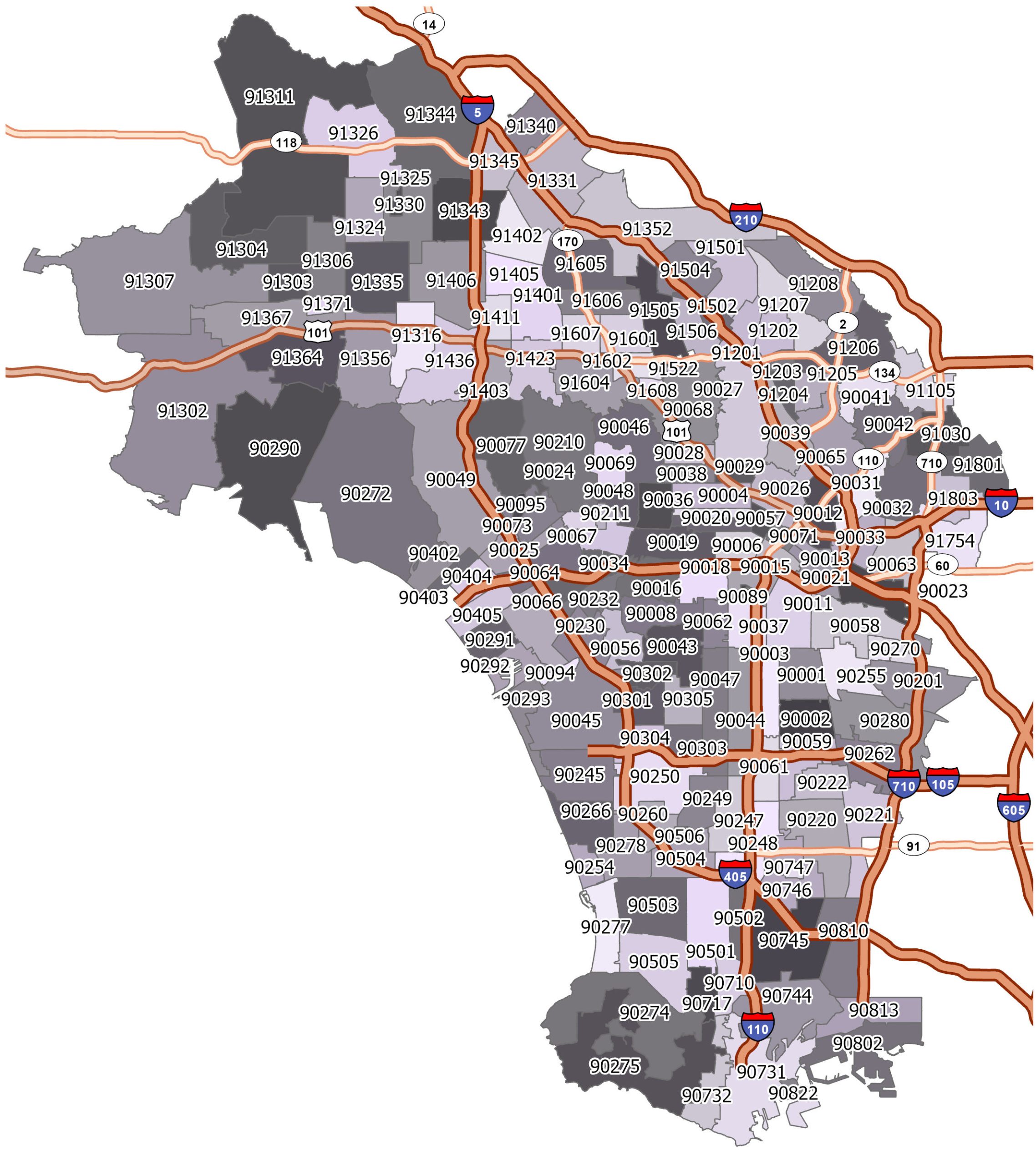
Understanding Local Communities
For those seeking to experience the local culture beyond the typical tourist hotspots, researching zip codes can lead to discoveries of unique neighborhoods. Each zip code often represents a distinct community with its own character, shops, restaurants, and public spaces. Exploring a specific zip code through local blogs, community websites, or even social media can provide insights into hidden gems and authentic experiences. This approach allows travelers to venture off the beaten path and engage with the diverse communities that make up Los Angeles, whether it’s the vibrant Latino culture in Boyle Heights (e.g., 90033) or the burgeoning arts scene in the Arts District (e.g., 90013).
Ultimately, the Los Angeles zip code system is an essential tool for anyone looking to truly understand and navigate this vast and dynamic city. It provides a framework for understanding its geography, its communities, and its endless possibilities for exploration, from the most iconic landmarks to the most intimate local experiences.
LifeOutOfTheBox is a participant in the Amazon Services LLC Associates Program, an affiliate advertising program designed to provide a means for sites to earn advertising fees by advertising and linking to Amazon.com. Amazon, the Amazon logo, AmazonSupply, and the AmazonSupply logo are trademarks of Amazon.com, Inc. or its affiliates. As an Amazon Associate we earn affiliate commissions from qualifying purchases.