
Puerto Rico, a captivating island territory of the United States nestled in the Caribbean Sea, boasts a rich cultural tapestry woven from indigenous Taíno, Spanish, African, and American influences. Understanding its linguistic landscape is fundamental to appreciating its identity and navigating its vibrant communities, whether you are a traveler seeking authentic experiences, a history enthusiast delving into its past, or simply someone curious about this multifaceted destination.
The Bilingual Reality: Spanish and English in Puerto Rico
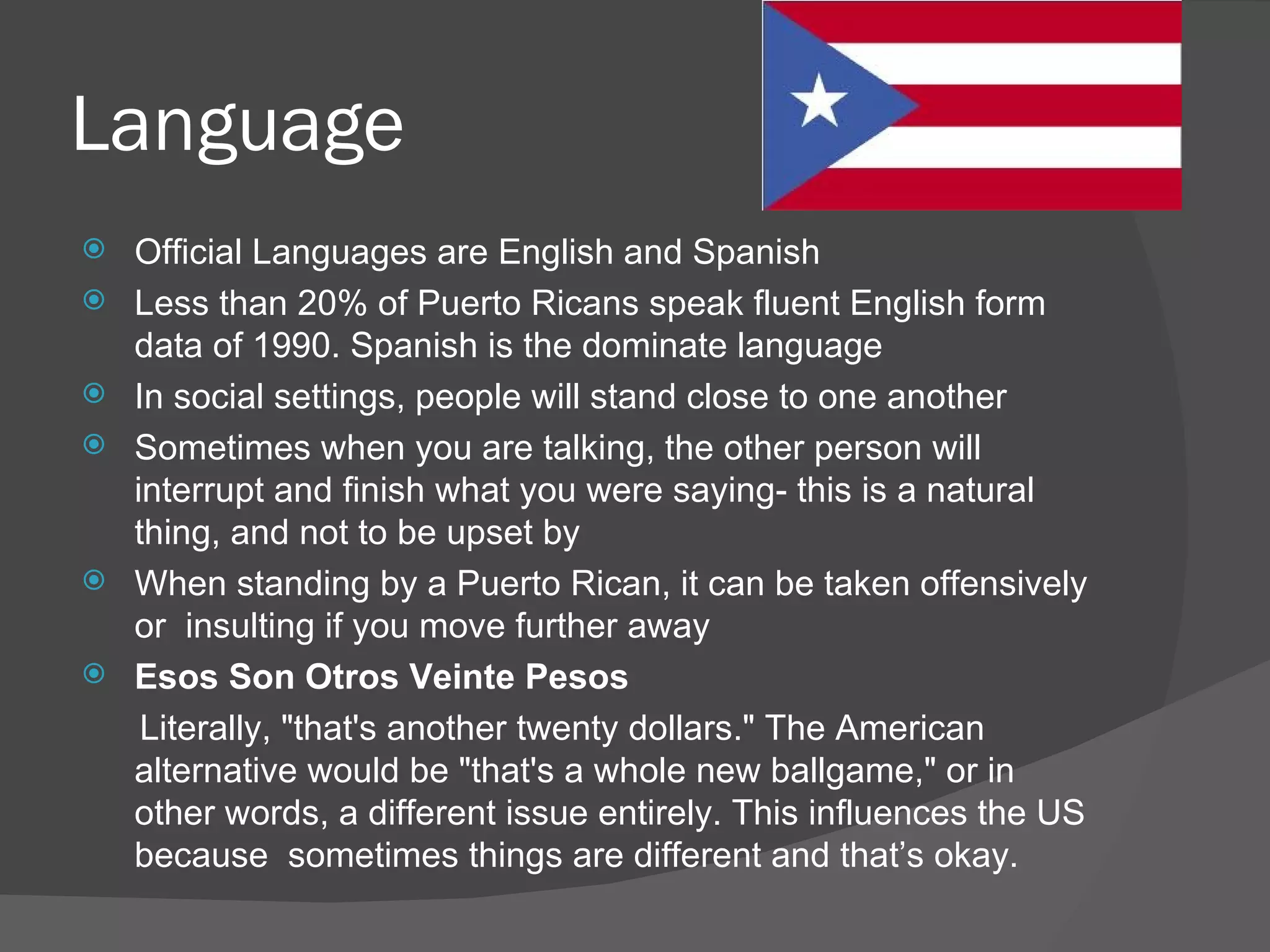
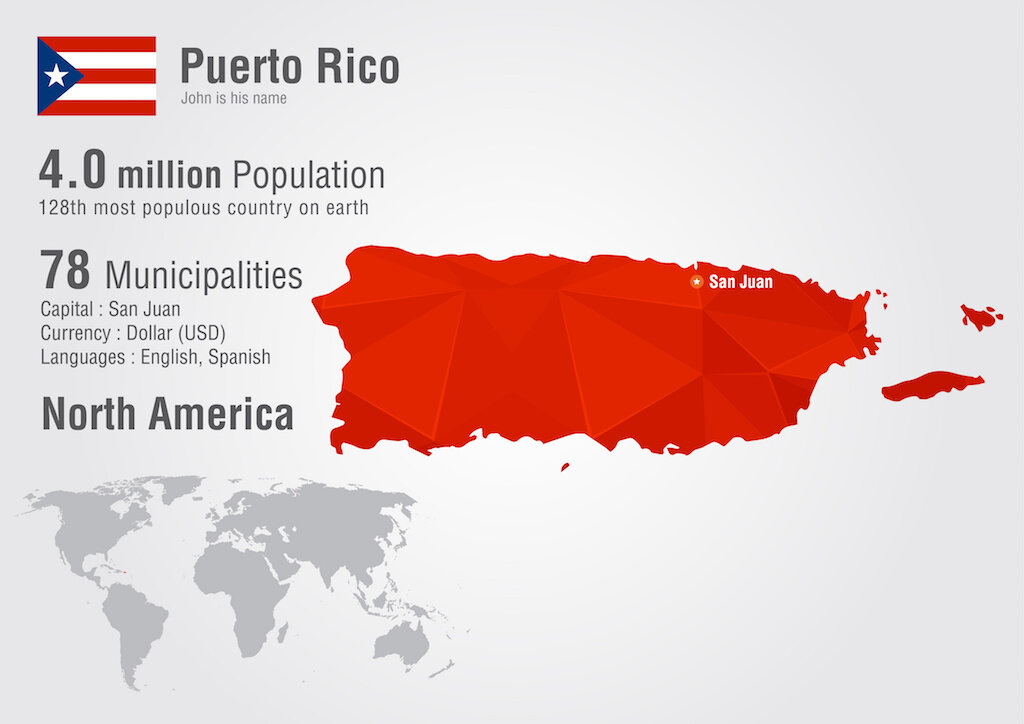
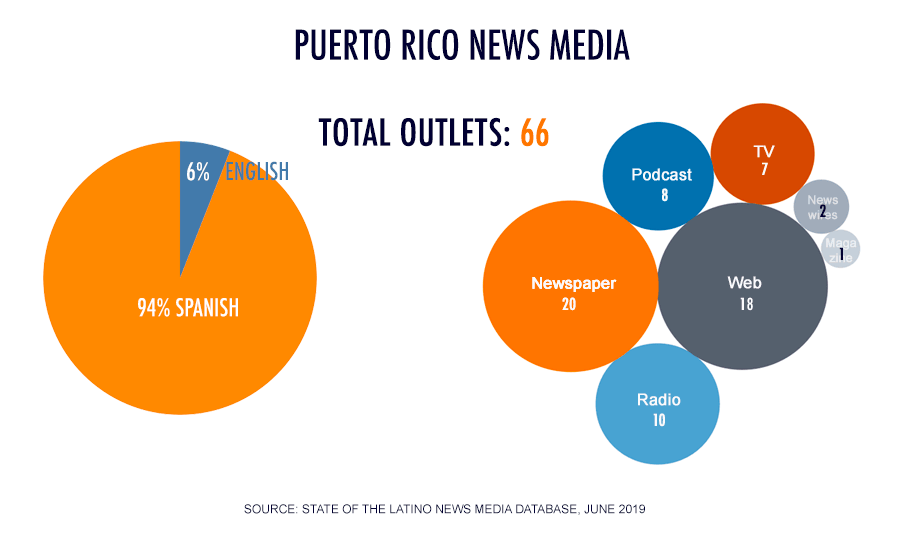
The official languages of Puerto Rico are Spanish and English. However, the practical reality on the ground reveals a strong and predominant preference for Spanish in everyday life. While English is taught in schools and understood by many, especially in tourist-heavy areas and among the educated elite, Spanish remains the primary vehicle for communication, cultural expression, and national identity.
The Historical Roots of Spanish Dominance
The deep-seated presence of Spanish in Puerto Rico is a direct legacy of over 400 years of Spanish colonial rule, beginning with the arrival of Christopher Columbus in 1493 and the subsequent establishment of settlements by figures like Juan Ponce de León. During this extensive period, Spanish became the language of government, commerce, religion, and the burgeoning society. Indigenous Taíno languages, while influential in vocabulary, were largely subsumed by the dominant Spanish tongue.
Even after Puerto Rico became a United States territory in 1898 following the Spanish-American War, Spanish did not relinquish its preeminent position. While the U.S. administration introduced English as an official language and promoted its use in education and government, the island’s population largely continued to communicate in Spanish. This resilience of the Spanish language is a testament to its profound integration into the cultural fabric and the strong sense of national identity among Puerto Ricans.
English’s Role and Evolution
English was declared an official language alongside Spanish in 1902 by the U.S. Congress. Its introduction was intended to facilitate integration and governance within the American system. Consequently, English education became compulsory in public schools. For many decades, there was a concerted effort, at times controversial, to promote English as the primary language of instruction.
However, this push faced significant resistance and was never fully successful in supplanting Spanish. The bilingual education system that emerged meant that students were educated in both languages, though the emphasis and effectiveness varied over time and across different regions. Today, while English proficiency is widespread, particularly in metropolitan areas like San Juan, and among professionals who interact with the United States, Spanish continues to be the language of daily life, family interactions, local media, and most cultural expressions. Many Puerto Ricans who are fluent in English still choose to converse in Spanish with fellow islanders, reinforcing its status as the heart of their communication.
The Nuances of Linguistic Identity
The relationship between Spanish and English in Puerto Rico is not simply a matter of which language is spoken more; it is deeply intertwined with the island’s complex political status and evolving cultural identity. For many, the steadfast use of Spanish is an act of cultural preservation and a declaration of distinct identity, separate from but connected to the United States.
Spanglish: A Vibrant Vernacular
Beyond the formal designations of official languages, the linguistic landscape of Puerto Rico is enriched by “Spanglish.” This is not merely a pidgin or a broken form of either language, but a dynamic and creative blend of Spanish and English that is a natural and evolving part of everyday conversation. Spanglish reflects the unique bilingual experience of many Puerto Ricans, incorporating English words, grammatical structures, and idioms into Spanish, and vice versa.
This linguistic fusion can manifest in various ways. For instance, a Puerto Rican might use an English verb with Spanish conjugations, or switch between languages mid-sentence depending on the context and the person they are speaking with. Spanglish is a living testament to the constant cultural exchange between Puerto Rico and the United States, and it is a source of pride and expression for many. It is particularly prevalent in informal settings, among younger generations, and in communities with strong ties to the mainland.
Language and Tourism
For visitors to Puerto Rico, understanding this linguistic dynamic is crucial for a richer travel experience. While English is widely spoken in hotels, resorts, and tourist attractions in areas like Old San Juan, Condado, and Ponce, venturing beyond these hubs will likely lead to more interactions where Spanish is the primary language.
Learning a few basic Spanish phrases can significantly enhance interactions with locals, showing respect for their culture and opening doors to more authentic experiences. Simple greetings like “Hola” (Hello), “Gracias” (Thank you), and “Por favor” (Please) are always appreciated. Attempting to speak Spanish, even imperfectly, can lead to warmer exchanges and a deeper connection with the communities you encounter, from bustling local markets in Ponce to the serene beaches of Vieques.
The Cultural Significance of Language
Language in Puerto Rico is more than just a tool for communication; it is a cornerstone of cultural identity, a symbol of resilience, and a vibrant expression of its unique heritage. The preference for Spanish is deeply ingrained, reflecting centuries of history and a persistent sense of self.
Preserving Heritage Through Language
The Spanish language in Puerto Rico serves as a vital link to its past, its traditions, and its people. It carries the stories of generations, the nuances of its folklore, the rhythm of its music, and the flavors of its cuisine. For many Puerto Ricans, speaking Spanish is an affirmation of their heritage, a way to connect with their ancestors, and a means to distinguish themselves within the broader context of the United States.
This linguistic preservation is evident in various aspects of island life. Literature, poetry, music, and film all flourish in Spanish, showcasing the richness and expressiveness of the language. Even as English plays a significant role in education and professional spheres, the heart of Puerto Rican culture beats in Spanish. The influence of Spanish is felt in the names of towns, the melodies of salsa, and the warmth of everyday conversation.
Language and National Identity
The ongoing debate about Puerto Rico’s political status – whether it should remain a commonwealth, become a state, or gain independence – is often intertwined with discussions about language. For many who advocate for greater autonomy or independence, the preservation and promotion of Spanish are central to defining a distinct Puerto Rican nationhood. The language acts as a unifying force, a shared heritage that transcends political differences.
Conversely, those who favor statehood or closer ties with the United States may view greater English proficiency as beneficial for economic and social integration. Nevertheless, even within these differing perspectives, the profound emotional and cultural significance of Spanish remains a constant. It is the language spoken at home, at family gatherings, and during moments of celebration and sorrow, solidifying its place as the indisputable main language of Puerto Rico.
In conclusion, while both Spanish and English hold official status in Puerto Rico, Spanish unequivocally remains the main language. Its historical depth, cultural significance, and everyday prevalence make it the cornerstone of Puerto Rican identity and communication. For anyone wishing to truly connect with the soul of this captivating island, embracing and understanding its vibrant Spanish-speaking culture is an essential and rewarding endeavor.
LifeOutOfTheBox is a participant in the Amazon Services LLC Associates Program, an affiliate advertising program designed to provide a means for sites to earn advertising fees by advertising and linking to Amazon.com. Amazon, the Amazon logo, AmazonSupply, and the AmazonSupply logo are trademarks of Amazon.com, Inc. or its affiliates. As an Amazon Associate we earn affiliate commissions from qualifying purchases.