
The Maine Coon Cat is a majestic and beloved breed, often hailed as the “gentle giant” of the feline world. Originating from the rugged state of Maine, these cats are distinguished by their impressive size, luxurious coat, and amiable disposition. Their history is steeped in folklore and practical necessity, evolving from working farm cats into cherished household companions. This article delves into the captivating world of the Maine Coon, exploring its origins, physical characteristics, temperament, care requirements, and why it continues to win hearts worldwide.
Origins and History
The exact origins of the Maine Coon Cat are somewhat shrouded in mystery, with various theories and legends attempting to explain their emergence. The most widely accepted theory suggests they are a natural breed, developed through the harsh climate and selective breeding of early settlers’ cats in Maine.
Theories of Origin
One popular theory posits that the Maine Coon descended from long-haired cats brought to North America by European sailors, possibly from places like Norway or Turkey. These cats, perhaps ancestors of the Norwegian Forest Cat, interbred with the local short-haired feline population, adapting to the New England environment over generations. The resulting cats developed the thick fur, sturdy build, and hunting prowess necessary to survive the harsh winters and abundant wildlife of the region.
Another romantic, albeit less scientifically supported, legend suggests that Marie Antoinette, the Queen of France, may have had her long-haired Angora cats shipped to America during the French Revolution. These cats supposedly bred with local wildcats, contributing to the Maine Coon’s development.
A more grounded theory points to the breed’s name deriving from the common practice of referring to any large, shaggy cat as a “Coon” cat, possibly due to their resemblance to raccoons. This was particularly true given their distinctive bushy tails, which often exhibited ringed patterns similar to those of raccoons.
A Working Breed
Regardless of their precise lineage, the Maine Coon Cat proved to be an invaluable asset to early American settlers. Their intelligence, strength, and excellent hunting skills made them indispensable for controlling rodent populations on farms and in coastal villages. They were known for their ability to thrive in challenging conditions, earning them respect and admiration.
Revival and Recognition
By the early 20th century, the popularity of the Maine Coon began to wane with the advent of more exotic breeds like the Persian. However, dedicated enthusiasts worked tirelessly to preserve and promote the breed. The Maine Coon Cat Fanciers Association was founded in the 1950s, and efforts to showcase the breed at cat shows gained momentum. The Cat Fanciers’ Association (CFA) officially recognized the Maine Coon in 1976, leading to a surge in their popularity. Today, they are one of the most sought-after cat breeds, celebrated for their unique characteristics and charming personalities.
Physical Characteristics
The Maine Coon Cat is renowned for its impressive physical attributes, which have been shaped by their ancestral adaptation to the rugged climate of Maine. Their size, coat, and distinctive features make them stand out in any gathering of felines.
Size and Build
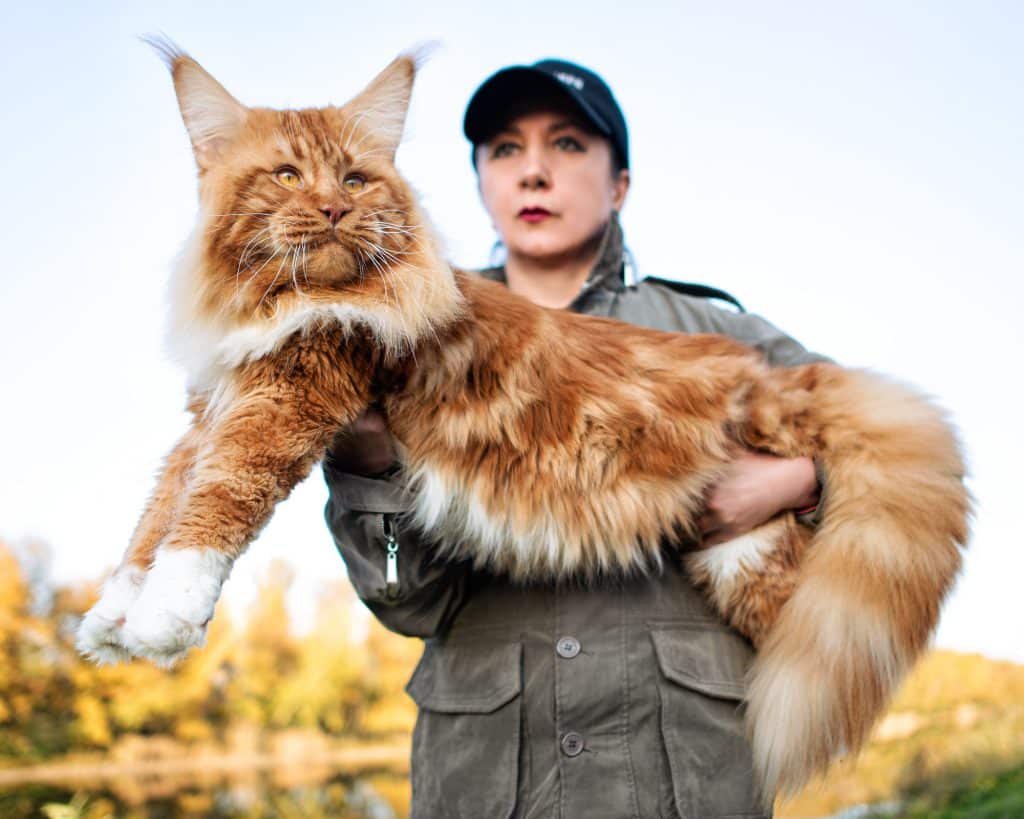
Maine Coons are among the largest domestic cat breeds. Males typically weigh between 15 to 25 pounds, with some even exceeding 30 pounds, while females are usually between 10 to 15 pounds. They possess a long, rectangular body with a broad chest and a strong, muscular frame. This substantial build contributes to their powerful appearance and agility.
Coat and Fur
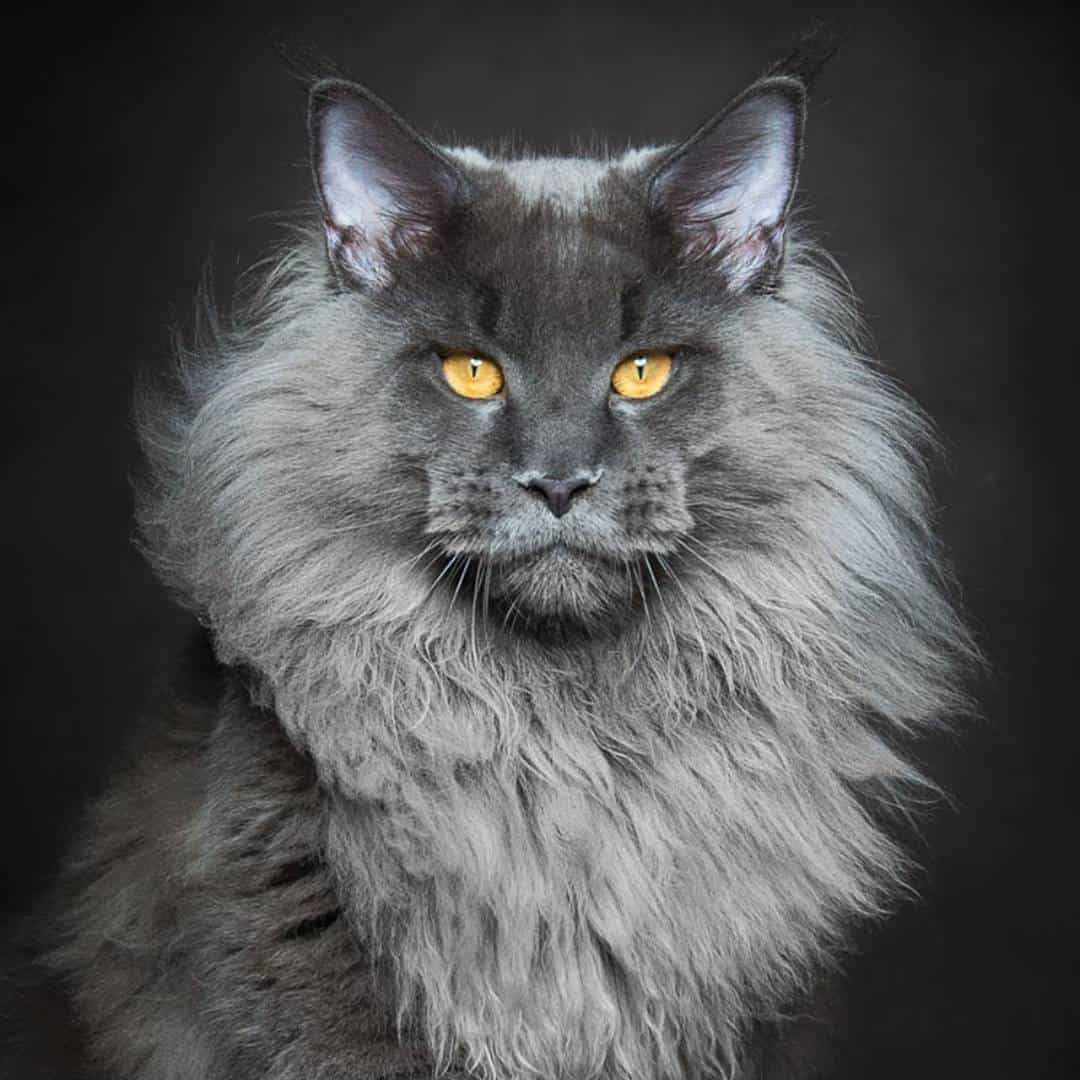
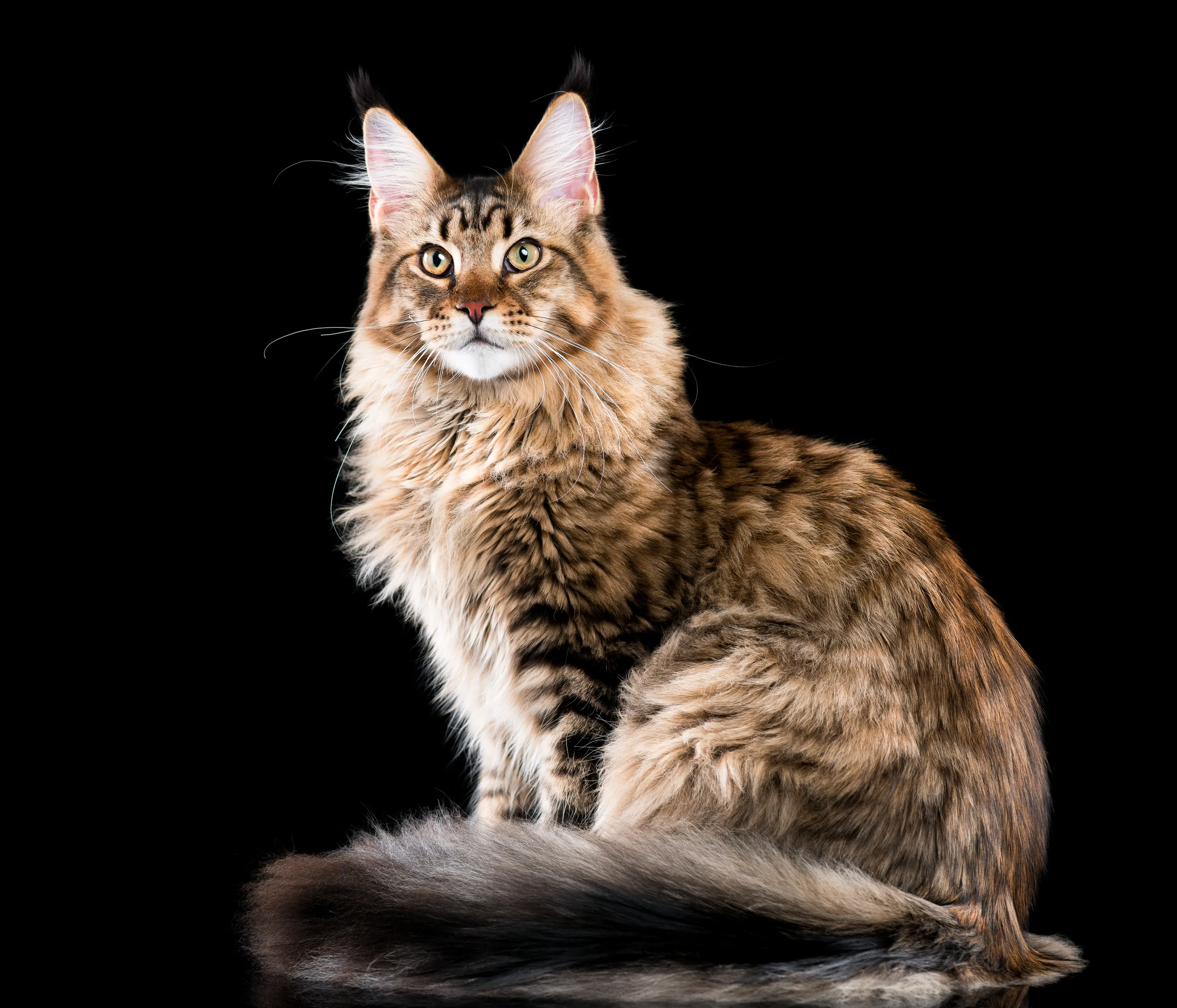
One of the most striking features of the Maine Coon is its magnificent coat. It is a dense, water-repellent, triple-layered fur that provides excellent insulation against cold weather. The fur is shorter on the shoulders and head, gradually becoming longer and fuller down the back and sides, with a noticeable ruff around the neck. Their tails are long, bushy, and often described as “a plume,” adding to their majestic look. The texture is silky and smooth, despite its density.
Head and Features
The head of a Maine Coon is medium-width with a square muzzle, giving them a distinctive “noble” expression. Their ears are large, well-tufted with fur, and set high on the head, contributing to their wild appearance. Their eyes are large, expressive, and can come in various colors, including green, gold, and copper. Many Maine Coons also exhibit polydactyly, meaning they have extra toes on their paws, which were historically advantageous for navigating snow and ice.
Color Variations
Maine Coons come in a wide array of colors and patterns. The most common are brown tabby, but they can also be found in solid colors like black, white, red, and cream, as well as tortoiseshell, blue, and calico. Any color or pattern that is not specifically excluded by breed standards is acceptable, making for a visually diverse breed.
Temperament and Personality
Beyond their imposing physical presence, Maine Coon Cats are celebrated for their gentle, friendly, and intelligent personalities. They are often described as “dog-like” in their affectionate nature and social interactions.
The Gentle Giant
Despite their size, Maine Coons are remarkably gentle and affectionate companions. They tend to form strong bonds with their human families and are known for their patience, especially with children. Their calm demeanor makes them excellent family pets, and they often enjoy playing and interacting with other pets, including dogs.
Intelligence and Playfulness
Maine Coons are highly intelligent cats, often curious and eager to learn. They can be taught tricks, respond to their names, and are known for their problem-solving skills. Their playful nature often extends well into adulthood. They enjoy a variety of toys and can be entertained with interactive games. Many owners report their Maine Coons enjoy playing in water, a trait not commonly seen in other cat breeds, possibly a remnant of their coastal heritage.
Vocalization
While not overly vocal, Maine Coons have a distinct vocal repertoire. They are known for their soft, chirping meows and trills, often used to communicate with their owners or express their needs. These gentle sounds are a far cry from the loud yowls of some other breeds, adding to their charm.
Social Nature
Maine Coons are inherently social creatures. They thrive on companionship and do not do well when left alone for extended periods. They often follow their owners around the house, seeking interaction and participating in family activities. Their desire for social engagement makes them wonderful, interactive pets.
Care and Health
Caring for a Maine Coon Cat involves specific considerations related to their unique physical characteristics and potential health predispositions. With proper care, these cats can lead long and healthy lives.
Grooming Needs
The Maine Coon’s luxurious, dense coat requires regular grooming to prevent matting and tangles. Brushing several times a week is recommended, with more frequent brushing during shedding seasons. This not only keeps their coat in good condition but also helps reduce hairballs. Occasional baths may be necessary, but most Maine Coons are fastidious groomers and can maintain their coat cleanliness with regular brushing.
Diet and Nutrition
A balanced diet is crucial for maintaining the health and vitality of a Maine Coon. Given their large size and active nature, they benefit from high-quality cat food rich in protein. It is important to monitor their food intake to prevent obesity, which can lead to various health issues. Consulting with a veterinarian for specific dietary recommendations is always advisable.
Exercise and Enrichment
Despite their sometimes laid-back demeanor, Maine Coons need mental and physical stimulation. Providing a variety of toys, scratching posts, and climbing structures can help keep them engaged and prevent boredom. Interactive play sessions with their owners are also vital for their well-being and strengthen the bond between cat and owner.
Common Health Concerns
While generally a robust breed, Maine Coons are prone to certain genetic health conditions. These include:
- Hypertrophic Cardiomyopathy (HCM): A common heart disease in cats that can affect Maine Coons. Responsible breeders screen their cats for HCM.
- Hip Dysplasia: A condition affecting the hip joint, which can cause pain and lameness. This is more common in larger breeds.
- Spinal Muscular Atrophy (SMA): A genetic neurological disorder that affects muscle tone.
Regular veterinary check-ups are essential for early detection and management of any health issues.
Why Choose a Maine Coon?
The Maine Coon Cat offers a unique blend of striking appearance, affectionate personality, and engaging intelligence, making them an exceptional choice for many households.
Ideal Family Pet
Their gentle nature, patience, and tolerance for children and other animals make them an ideal choice for families. They are known to be incredibly adaptable and can integrate well into various household dynamics.
Companionship and Affection
For individuals or families seeking a devoted and interactive companion, the Maine Coon is an excellent fit. Their desire for interaction, coupled with their affectionate nature, ensures a fulfilling relationship with their human counterparts. They are not just pets; they are active members of the family.
Fascinating Breed History
The rich history and intriguing origins of the Maine Coon add another layer of appeal. Owning a Maine Coon means owning a piece of feline history, a breed shaped by nature and necessity, now cherished for its charm and character. Their unique adaptations to the climate of Maine and their role in early American life add a compelling narrative to their presence in our homes.
In conclusion, the Maine Coon Cat is a breed that truly embodies the term “gentle giant.” From their formidable appearance to their sweet disposition, they captivate all who have the pleasure of knowing them. Their journey from the wild landscapes of Maine to becoming one of the most beloved domestic cat breeds is a testament to their enduring appeal.
LifeOutOfTheBox is a participant in the Amazon Services LLC Associates Program, an affiliate advertising program designed to provide a means for sites to earn advertising fees by advertising and linking to Amazon.com. Amazon, the Amazon logo, AmazonSupply, and the AmazonSupply logo are trademarks of Amazon.com, Inc. or its affiliates. As an Amazon Associate we earn affiliate commissions from qualifying purchases.